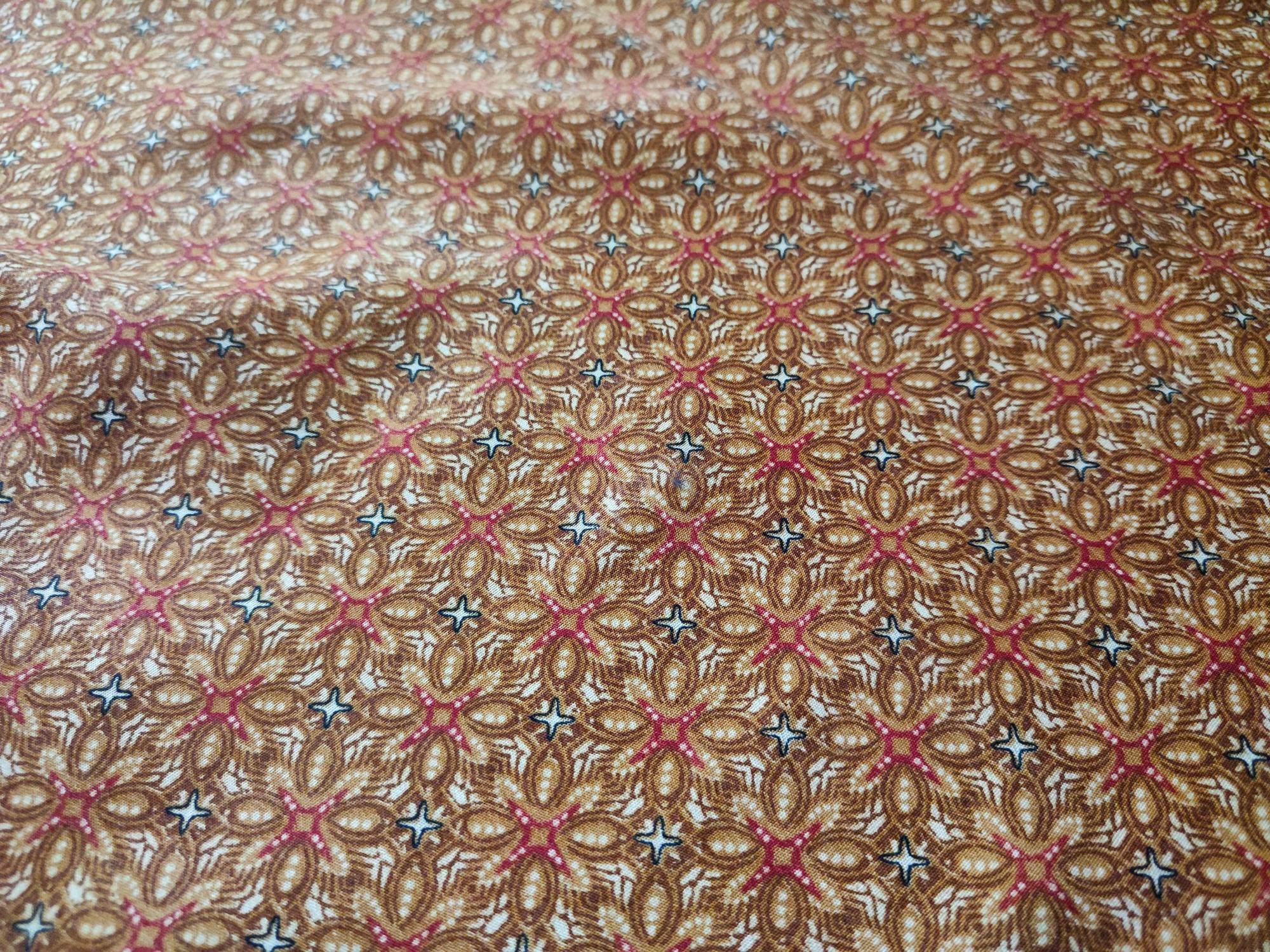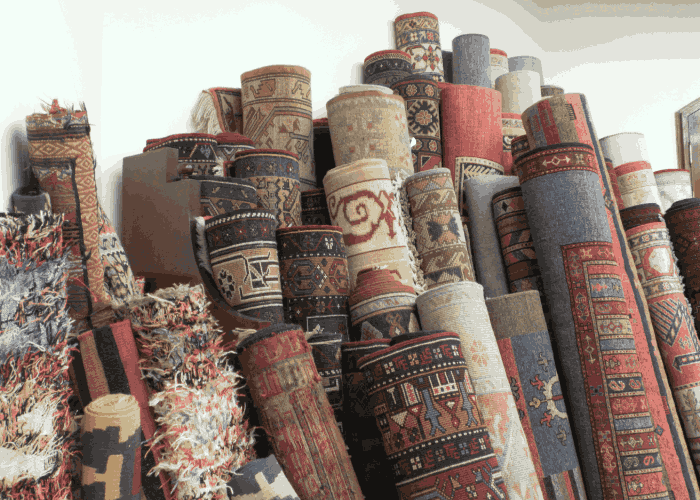
The Met Gala, a spectacle of fashion, art, and celebrity, captivates the world with its elaborate themes and breathtaking ensembles. As you gaze at the iconic red carpet, you might not immediately think of the luxurious foundations beneath the stars’ feet. Yet, behind the dazzling gowns and avant-garde designs lies a silent, equally opulent secret: the artisanal premium carpet craftsmanship of India.
This article invites you to look beyond the surface, to uncover the profound connection between such grand events and the centuries-old tradition of Indian carpet weaving. You will discover the rich history, intricate techniques, and unparalleled beauty that make these carpets global treasures. Prepare to embark on a journey that reveals why India’s hand-knotted masterpieces are not just floor coverings, but timeless works of art, embodying luxury, heritage, and meticulous skill.
The Unseen Tapestry of Luxury – India’s Carpet Heritage
Imagine the grandeur of a bygone era, where every detail in a royal court spoke volumes of wealth and sophistication. This is the world that birthed India’s premium carpet craftsmanship, a legacy that continues to define luxury today.
A Legacy Woven Through Centuries
The art of carpet weaving in India boasts a history as rich and intricate as the patterns it produces. Its roots trace back to ancient times, but it truly flourished under the patronage of the Mughal emperors in the 16th century.
Emperor Akbar, known for his appreciation of the arts, brought Persian weavers to India, introducing sophisticated techniques and designs. This fusion of indigenous Indian motifs with Persian artistry created a unique, vibrant style that became synonymous with luxury.
Over the centuries, this craft evolved, with each region developing its distinct characteristics. From the opulent silks of Kashmir to the durable wools of Mirzapur and Bhadohi, India’s carpet heritage is a diverse tapestry of regional specializations.
More Than Just Floor Coverings: Art and Status
For centuries, carpets have been far more than mere utilitarian objects; they are profound symbols of status, taste, and cultural identity. In palaces and grand estates, a finely woven carpet was a statement of wealth and power, a testament to the owner’s discerning eye.
You can still feel this reverence today, as premium carpets transform ordinary spaces into extraordinary environments. They anchor a room, define its character, and infuse it with warmth, texture, and an undeniable sense of luxury.
Choosing an Indian artisanal carpet means investing in a piece of art that tells a story, a story of tradition, dedication, and unparalleled skill. It is an investment in beauty that transcends fleeting trends, offering enduring elegance for generations.
The Met Gala Connection – A Symbol of Exclusivity
The Met Gala is a global benchmark for exclusivity and artistic expression. While the fashion on the red carpet grabs headlines, consider the meticulously curated environment inside the Metropolitan Museum of Art. You might be surprised by the subtle yet powerful role of premium carpets in setting this luxurious stage.
Beyond the Red Carpet: The Venue’s Unsung Heroes
Think about the ambiance created within the Met Gala’s hallowed halls. Every element, from the lighting to the floral arrangements, is carefully chosen to evoke a specific theme and emotion. The flooring, often overlooked, plays a crucial part in this sensory experience.
High-quality carpets provide a foundation of comfort and elegance. They absorb sound, creating an intimate atmosphere conducive to conversation and appreciation of art. More importantly, they contribute significantly to the visual splendor, complementing the decor and elevating the overall aesthetic.
While not explicitly Indian, the spirit of bespoke, handcrafted luxury that defines the Met Gala’s interiors mirrors the very essence of India’s premium carpet craftsmanship. Both demand meticulous attention to detail, rare materials, and an unwavering commitment to excellence.
The Shared Values: Craftsmanship, Rarity, and Storytelling
What do the world’s most celebrated fashion designers and India’s master carpet weavers have in common? A profound dedication to craftsmanship, a pursuit of rarity, and an innate ability to tell stories through their creations.
At the Met Gala, designers present unique, often one-of-a-kind garments that are the culmination of countless hours of handiwork. Similarly, each premium Indian carpet is a singular masterpiece, hand-knotted by artisans who pour their skill and soul into every knot.
You are not just acquiring a product; you are gaining a piece of history, imbued with the narrative of its makers and the traditions from which it sprang. This shared value of bespoke artistry is what truly links the visible glamour of the Met Gala to the unseen luxury of Indian carpets.
The Art of Creation – Unveiling Indian Carpet Techniques
The beauty of an Indian premium carpet lies not just in its design, but in the extraordinary skill and labor involved in its creation. Each technique is a testament to centuries of inherited knowledge and an unwavering commitment to quality.
Hand-Knotted Mastery: A Labor of Love
When you encounter a truly premium Indian carpet, you are often looking at a hand-knotted masterpiece. This technique is the pinnacle of carpet weaving, a painstaking process that demands immense patience and skill.
Artisans meticulously tie individual knots onto a warp and weft foundation, following an intricate design chart. The density of these knots – often hundreds per square inch – determines the carpet’s detail, durability, and value. The higher the knot count, the more intricate the pattern and the finer the carpet.
The choice of materials is equally crucial. Pure silk from Kashmir creates carpets with an unparalleled sheen and softness, reflecting light beautifully and feeling luxurious underfoot. High-quality wool, often from New Zealand or indigenous Indian breeds, provides warmth, resilience, and a rich texture.
Sometimes, a blend of silk and wool is used to achieve specific textures and visual effects. Cotton is typically used for the foundation (warp and weft) due to its strength and stability.
Dyes also play a significant role. Traditional weavers often use natural dyes derived from plants, insects, and minerals. These dyes produce colors with a unique depth and subtle variation that age gracefully, developing a beautiful patina over time.
While synthetic dyes offer a wider color palette and consistency, many connoisseurs prefer the organic beauty of natural hues.
Regions like Bhadohi and Mirzapur in Uttar Pradesh are renowned as major hand-knotted carpet hubs, employing thousands of skilled weavers. Kashmir is celebrated for its exquisite silk carpets, often featuring intricate Persian-inspired motifs.
Tufting, Flatweave, and Beyond: Diverse Techniques
While hand-knotting represents the highest echelon, India’s carpet craftsmanship encompasses a range of other sophisticated techniques, each with its unique appeal and application.
- Hand-Tufted Carpets: In this method, yarn is punched through a fabric backing with a tufting gun, creating loops. These loops can be left as is (loop pile) or cut (cut pile) to create different textures. A secondary backing is then applied, and a latex adhesive secures the tufts. Hand-tufted carpets offer a luxurious look at a more accessible price point than hand-knotted ones, making them popular for custom designs.
- Flatweave (Dhurries): Dhurries are distinct for their lack of pile, making them reversible, lightweight, and incredibly durable. They are woven on a loom, similar to fabric, with the warp and weft threads creating the pattern. Dhurries are often made from cotton or wool, featuring geometric patterns, stripes, or modern abstract designs. They are perfect for high-traffic areas or for adding a casual, chic touch to your space.
- Hand-Woven (Pit Loom): This technique involves weaving carpets on traditional pit looms, often using wool. These carpets have a unique texture and are known for their robustness and rustic charm. They often feature simpler, more traditional patterns.
Each technique requires specialized skills and tools, showcasing the incredible versatility of Indian artisans. You can choose from a vast array of textures, patterns, and price points, all while benefiting from the hand-made quality.
The Design Journey: From Concept to Carpet
The creation of an Indian premium carpet is a collaborative journey, beginning long before the first knot is tied. It starts with inspiration, often drawn from nature, ancient architecture, traditional motifs, or modern artistic movements.
Master designers translate these inspirations into detailed sketches and color palettes. These designs are then meticulously charted, knot by knot, forming a blueprint for the weavers. The choice of colors, the balance of motifs, and the overall composition are carefully considered to create a harmonious and visually stunning piece.
For custom orders, you have the unique opportunity to work with these designers. You can specify patterns, colors, sizes, and materials, creating a carpet that perfectly complements your personal style and interior decor. This bespoke approach ensures that your carpet is not just beautiful, but truly unique to your home.
The Economic and Cultural Impact
The intricate beauty of Indian carpets extends beyond aesthetics; it forms the backbone of a significant industry, sustaining countless lives and preserving invaluable cultural heritage. When you invest in an Indian carpet, you are contributing to a far-reaching positive impact.
Sustaining Livelihoods and Preserving Heritage
The carpet weaving industry in India is predominantly a cottage industry, providing direct and indirect employment to millions of artisans, especially in rural areas. Entire families and communities are often involved, with skills passed down from one generation to the next.
This generational transfer of knowledge ensures the preservation of ancient techniques and traditional designs. It keeps alive a vital part of India’s cultural identity, preventing these intricate crafts from being lost to mass production.
By choosing hand-made Indian carpets, you directly support these artisans, providing them with fair wages and the means to continue their ancestral craft. You become a part of a global movement to preserve artisanal skills and foster sustainable economic development.
Global Demand and Export Powerhouse
India is one of the world’s leading exporters of hand-made carpets, a testament to the global demand for its quality and artistry. The United States and Europe are major markets, appreciating the unique blend of tradition and contemporary design offered by Indian manufacturers.
The premium segment, in particular, has seen consistent growth, as discerning buyers increasingly seek out authentic, high-quality, and ethically produced home furnishings. India’s ability to combine competitive pricing with exceptional craftsmanship makes it a preferred source for luxury retailers and interior designers worldwide.
This robust export market not only brings in significant foreign exchange but also drives innovation within the industry. It encourages weavers to adapt to global trends while staying true to their heritage, ensuring the craft remains vibrant and relevant.
Data Table: Indian Carpet Exports (Illustrative Data)
To give you an idea of the scale of this industry, here is an illustrative table showcasing the export value of Indian carpets. Please note that these figures are representative and not actual real-time data, designed to demonstrate the industry’s significance.
| Fiscal Year | Total Carpet Export Value (USD Million) | Key Export Markets (Top 3) | Growth Rate (YoY) |
|---|---|---|---|
| 2018-2019 | 1,450 | USA, Germany, UK | +5.2% |
| 2019-2020 | 1,510 | USA, Germany, UAE | +4.1% |
| 2020-2021 | 1,600 | USA, Germany, UK | +5.9% |
| 2021-2022 | 1,720 | USA, Germany, Canada | +7.5% |
| 2022-2023 | 1,850 | USA, Germany, France | +7.6% |
Note: This table provides illustrative data to demonstrate the scale and trend of Indian carpet exports. Actual figures may vary based on official government reports.
As you can see, the industry consistently demonstrates strong performance, underscoring the enduring global appeal of Indian artisanal carpets. This sustained demand fuels the livelihoods of millions and reinforces India’s position as a leader in the global carpet market.
Investing in Timeless Beauty – Why Choose Indian Premium Carpets?
You are not just buying a floor covering when you choose an Indian premium carpet; you are making an investment in art, quality, and heritage. These pieces offer unmatched value that distinguishes them from mass-produced alternatives.
Unmatched Quality and Durability
One of the most compelling reasons to choose a hand-knotted Indian carpet is its incredible longevity. Unlike machine-made carpets that wear out relatively quickly, a well-maintained hand-knotted carpet can last for decades, even centuries.
The superior quality of materials, such as hand-spun wool and pure silk, combined with the dense knotting, creates a robust and resilient surface. These carpets are designed to withstand the test of time, becoming cherished heirlooms that gain character with age.
Think of it as an investment piece for your home, similar to a fine piece of furniture or art. Its durability ensures that it will continue to enhance your living space for many years to come, offering excellent value over its lifespan.
Unique Aesthetic and Design Versatility
Indian premium carpets offer an unparalleled aesthetic that can elevate any interior design scheme. You can find a vast array of designs, from traditional Persian and Mughal patterns with their intricate medallions and floral motifs, to contemporary abstract and geometric styles.
Many manufacturers also offer fusion designs, blending classic elements with modern sensibilities, ensuring there is a perfect carpet for every taste. The rich color palettes, often featuring natural dyes, provide a depth and vibrancy that is hard to replicate.
Furthermore, the option for customization means you can commission a carpet that perfectly matches your vision. You can select specific colors, patterns, and sizes, ensuring your carpet is a unique reflection of your personal style and home decor.
Ethical and Sustainable Considerations
In an era where ethical consumption is increasingly important, choosing hand-made Indian carpets aligns perfectly with sustainable practices. These carpets are typically made from natural, renewable materials like wool, silk, and cotton.
The production process is largely manual, relying on skilled human labor rather than energy-intensive machinery. Many artisans use natural dyes, reducing the environmental impact compared to chemical-laden alternatives.
Moreover, purchasing these carpets directly supports traditional craft communities, often through fair trade initiatives. This ensures that artisans receive equitable compensation for their labor, promoting social responsibility and preserving cultural heritage. You are not just buying a product; you are supporting a sustainable ecosystem of craftsmanship.
Conclusion
The next time you see the dazzling images from the Met Gala, let your imagination wander beyond the red carpet. Consider the underlying narrative of luxury, artistry, and meticulous craftsmanship that unites such grand events with the world’s most exquisite artisanal traditions.
India’s premium carpet craftsmanship is a testament to enduring beauty, intricate skill, and a rich cultural heritage. From the centuries-old techniques of hand-knotting to the vibrant designs that grace modern homes, these carpets are more than just decor; they are stories woven in fiber, legacies passed through generations.
By choosing an Indian premium carpet, you are not only investing in a piece of unparalleled quality and timeless elegance but also supporting the livelihoods of countless artisans and contributing to the preservation of a magnificent art form. You are bringing a piece of the world’s finest, most authentic luxury into your own space, a silent secret that speaks volumes of discerning taste and appreciation for true artistry.
Frequently Asked Questions (FAQ)
What makes Indian carpets premium?
Indian premium carpets are distinguished by several factors: the use of high-quality natural materials like pure silk and fine wool, meticulous hand-knotting or hand-tufting techniques, intricate designs, high knot densities, and often the use of natural dyes. These elements combine to create durable, aesthetically rich, and unique works of art.
How can I tell if a carpet is hand-knotted?
You can identify a hand-knotted carpet by examining its back. You will see individual knots, which are slightly irregular, corresponding to the pattern on the front. The fringe is typically an extension of the carpet’s foundation threads.
Machine-made carpets, conversely, have perfectly uniform knots and often have fringes sewn on separately.
What materials are used in Indian premium carpets?
The primary materials include high-quality wool (often New Zealand wool or indigenous Indian wool), pure silk, and cotton for the foundation. Some carpets might also use blends of wool and silk to achieve specific textures and lusters. The choice of material significantly impacts the carpet’s feel, durability, and appearance.
How do I care for a hand-knotted carpet?
Regular vacuuming with a brush-less attachment is essential to remove dirt. Rotate your carpet periodically to ensure even wear. For spills, blot immediately with a clean cloth, avoiding rubbing.
Professional cleaning every few years by a specialist who understands hand-knotted carpets is highly recommended. Avoid harsh chemicals or steam cleaning.
Are Indian carpets ethically made?
Many Indian carpet manufacturers and exporters are committed to ethical practices, including fair wages, safe working conditions, and the absence of child labor. Look for certifications from organizations like GoodWeave International or other fair trade labels that verify ethical production. Supporting such brands ensures your purchase contributes positively to artisan communities.
What are some famous Indian carpet weaving regions?
Key regions include Bhadohi and Mirzapur in Uttar Pradesh, known for their vast production of hand-knotted wool and blended carpets. Kashmir is famous for its exquisite silk carpets with intricate Persian and floral designs. Jaipur and Agra also have notable traditions in carpet weaving, often specializing in specific styles and materials.
How does knot density affect carpet quality?
Knot density, or knots per square inch (KPSI), is a crucial indicator of quality in hand-knotted carpets. A higher knot density allows for more intricate designs, finer details, and greater durability. Carpets with higher KPSI are generally more expensive due to the increased time and skill required for their creation.
For instance, a fine silk carpet might have 500+ KPSI, while a robust wool carpet might have 100-200 KPSI.