In the realm of global luxury, where discernment meets desire, every element within a home is a testament to exquisite taste and uncompromising quality. You are not just furnishing a space; you are curating an experience, an ambiance that speaks volumes about your appreciation for beauty, heritage, and enduring value. This pursuit of perfection has led an increasing number of luxury homeowners, interior designers, and prestigious developers to a surprising yet deeply rooted source: India, a nation whose premium carpets are now among the most coveted treasures worldwide.
For centuries, Indian craftsmanship has been synonymous with intricate detail and unparalleled artistry. Today, this rich legacy is experiencing a renaissance, positioning India as a leading supplier of high-end carpets that transcend mere floor coverings. You will discover why these ‘Made in India’ masterpieces are becoming the focal point of opulent interiors across the globe, captivating the most discerning buyers with their unique blend of tradition, innovation, and ethical production.
This comprehensive guide will illuminate the multifaceted reasons behind this surging demand. We will delve into the profound artistry, the superior quality of materials, the commitment to sustainability, and the undeniable investment value these carpets offer. Prepare to explore a world where every knot tells a story, and every fiber embodies a legacy of luxury.
The Allure of Artisanal Craftsmanship: A Legacy Unmatched
When you seek true luxury, you invariably seek authenticity and a story. Indian premium carpets offer precisely this, embodying a heritage of craftsmanship that stretches back millennia. These are not mass-produced items; they are individual works of art, each bearing the unique imprint of the artisan.
Historical Roots and Heritage: A Tapestry of Time
The art of carpet weaving in India is not a recent phenomenon; it is an ancient tradition deeply embedded in the nation’s cultural fabric. You might trace its most significant flourishing to the Mughal Empire, particularly during the 16th century, which introduced Persian weaving techniques and sophisticated designs.
These influences merged seamlessly with indigenous Indian artistic sensibilities, creating a distinctive style. Over generations, families of weavers have passed down their intricate knowledge, ensuring that the skills and secrets of this revered craft endure. This unbroken chain of tradition means that when you acquire an Indian carpet, you are investing in centuries of artistic evolution.
The Human Touch: Beyond Machine Production
What truly sets Indian premium carpets apart for global luxury homes is the undeniable human element. Most high-end Indian carpets are meticulously hand-knotted, hand-tufted, or hand-woven, a painstaking process that machines simply cannot replicate.
The subtle variations, the slight irregularities, and the sheer dedication embedded in each knot are what confer immense value. You are not just buying a product; you are acquiring a piece of an artisan’s soul, their skill, and their dedication. This human touch elevates the carpet from a functional item to an heirloom, a tangible connection to craftsmanship that resonates deeply with luxury consumers.
Unique Designs and Intricate Patterns: A Kaleidoscope of Creativity
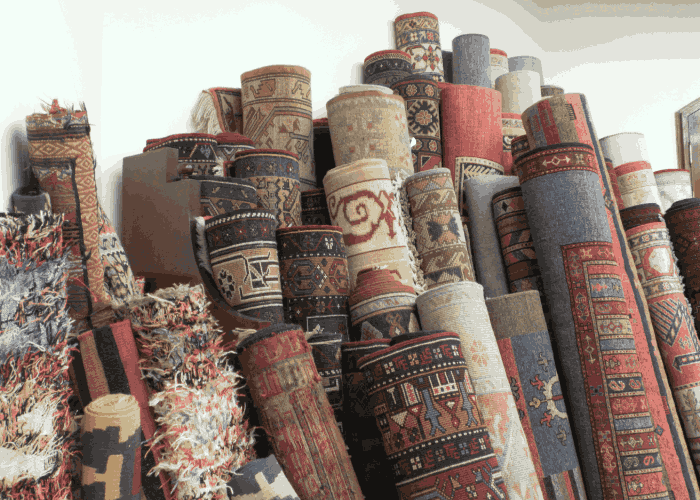
The diversity of design found in Indian carpets is simply breathtaking, offering an unparalleled range for your sophisticated interior. From the delicate floral motifs of Kashmir to the geometric precision of Bhadohi and the vibrant patterns of Jaipur, each region boasts its distinct aesthetic.
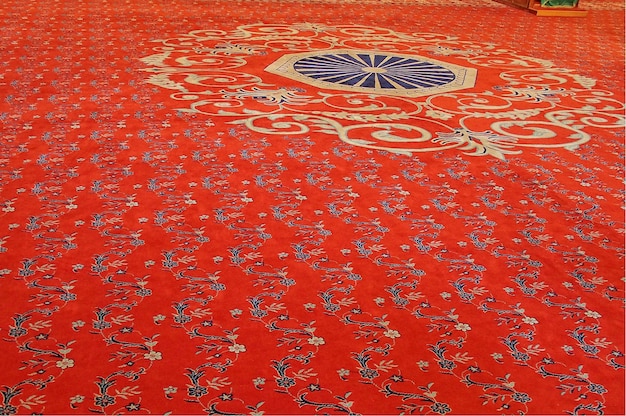
You can find traditional Persian and Mughal-inspired designs, often featuring intricate medallions and sprawling garden scenes. Simultaneously, Indian artisans are at the forefront of contemporary design, creating modern, minimalist, or abstract patterns that seamlessly integrate into the most avant-garde luxury spaces. This versatility ensures you will find a carpet that perfectly complements your unique vision, whether classic or cutting-edge.
Unrivaled Quality: Materials and Durability that Endure
For luxury homeowners, quality is paramount. You expect products that not only look magnificent but also stand the test of time, performing flawlessly under the rigors of daily life. Indian premium carpets excel in this regard, thanks to their superior materials and robust construction methods.
Premium Natural Fibers: The Foundation of Luxury
The choice of raw materials is fundamental to the quality and feel of a luxury carpet. Indian manufacturers consistently prioritize the finest natural fibers, ensuring a product that is both beautiful and exceptionally durable.
- Silk: Often sourced from Mulberry silkworms, Indian silk carpets are renowned for their incredible sheen, softness, and strength. They reflect light exquisitely, creating a dynamic visual appeal that changes with your perspective. Silk carpets are prized for their intricate detail and luxurious feel, often used in areas where their beauty can be fully appreciated.
- Wool: High-quality wool, frequently imported from New Zealand, Merino, or Highland sheep, forms the backbone of many premium Indian carpets. Wool is naturally resilient, stain-resistant, and incredibly durable, making it ideal for high-traffic areas. Its natural lanolin provides a protective barrier, ensuring longevity and ease of maintenance for your investment.
- Cotton: While often used for the foundation (warp and weft) of hand-knotted carpets due to its strength and stability, cotton can also be incorporated into the pile for specific textures or blends. It provides a sturdy base, contributing significantly to the carpet’s overall integrity and lifespan.
These carefully selected fibers are often blended to achieve specific characteristics, combining the best attributes of each to create a carpet that meets your exact aesthetic and functional requirements.
Dyeing Techniques for Lasting Vibrancy
The beauty of a carpet is intrinsically linked to its color, and Indian artisans employ time-honored dyeing techniques to ensure unparalleled vibrancy and colorfastness. You will find carpets dyed with both natural and high-quality synthetic dyes, each chosen for its specific properties.
Natural dyes, derived from plants, insects, and minerals, offer a unique depth and subtle variation in color that cannot be replicated by synthetic alternatives. These dyes often age beautifully, developing a rich patina over time. Modern synthetic dyes, when expertly applied, provide exceptional colorfastness and a vast spectrum of hues, ensuring your carpet retains its brilliance for decades.
The meticulous dyeing process is a craft in itself, requiring immense skill to achieve uniform and lasting color throughout the fibers.
Construction Excellence: A Testament to Longevity
The method of construction is a critical factor in a carpet’s durability and value. Indian premium carpets are constructed with an eye towards enduring excellence, ensuring they become cherished heirlooms rather than temporary decor items.
One of the key indicators of quality in hand-knotted carpets is Knot Density (KPSI – knots per square inch). A higher KPSI signifies a greater number of knots per square inch, resulting in a denser, more durable pile and the ability to render finer, more intricate designs. You will find that luxury Indian carpets often boast impressively high KPSI counts, a testament to the artisan’s skill and the carpet’s potential longevity.
This dense construction also contributes to the carpet’s luxurious feel underfoot and its resistance to wear and tear over many years.
Sustainability and Ethical Practices: A Conscience for Luxury
Today’s luxury consumer is increasingly conscious of the environmental and social impact of their purchases. You want to know that the products you bring into your home are not only beautiful but also ethically produced. Indian carpet manufacturers are at the forefront of embracing sustainable and fair labor practices, adding another layer of value to their premium offerings.
Eco-Friendly Sourcing of Materials
The commitment to environmental stewardship begins with the raw materials. You will find that many Indian carpet producers prioritize eco-friendly sourcing, leveraging the natural and renewable aspects of their primary fibers.
- Renewable Resources: Wool and cotton are naturally renewable resources, making them inherently sustainable choices. Wool, in particular, is biodegradable and has a minimal environmental footprint over its lifecycle.
- Minimized Chemical Use: The preference for natural dyes, where appropriate, reduces reliance on synthetic chemicals. Even with synthetic dyes, responsible manufacturers adhere to strict environmental standards to minimize pollution.
- Local Sourcing: Many raw materials, such as cotton, are sourced locally within India, reducing the carbon footprint associated with long-distance transportation.
This holistic approach to material sourcing means that your Indian premium carpet is not just a beautiful object, but also a responsible one.
Fair Labor and Artisan Welfare
The Indian carpet industry has made significant strides in addressing historical concerns related to labor practices. You can now confidently invest in carpets made under ethical conditions, ensuring that the artisans who create these masterpieces are treated fairly and respectfully.
Organizations like GoodWeave International and the Carpet Export Promotion Council (CEPC) in India have been instrumental in promoting fair labor standards, eradicating child labor, and ensuring fair wages and safe working conditions. When you purchase a carpet bearing a GoodWeave label or similar certification, you are directly supporting a supply chain committed to human dignity and ethical production. This commitment empowers communities, sustains traditional crafts, and ensures that the human element of luxury is truly honorable.
Reduced Carbon Footprint
The very nature of handcrafting contributes to a significantly lower carbon footprint compared to industrial carpet manufacturing. Since most premium Indian carpets are hand-knotted or hand-woven, the production process relies heavily on human skill and minimal machinery.
This manual approach drastically reduces energy consumption and greenhouse gas emissions associated with large-scale industrial operations. By choosing a hand-made Indian carpet, you are opting for a product that aligns with a more sustainable lifestyle, minimizing its impact on the planet while maximizing its artistic and cultural value.
Investment Value and Timeless Appeal: More Than Just Decor
For the luxury homeowner, every acquisition is not just about immediate aesthetic pleasure but also about enduring value. Premium Indian carpets are increasingly recognized not merely as decorative items but as significant investments that appreciate over time, offering a timeless appeal that transcends fleeting trends.
Appreciation Over Time: A Tangible Asset
Unlike many manufactured goods that depreciate rapidly, a high-quality, hand-knotted Indian carpet can actually increase in value over the years. This appreciation is driven by several factors that you, as a discerning buyer, will recognize as crucial:
- Rarity and Uniqueness: Each hand-knotted carpet is a unique work of art, impossible to replicate exactly. As skilled artisans become rarer and the demand for authentic handcrafted items grows, the value of these pieces naturally increases.
- Durability and Longevity: Built to last for generations, these carpets maintain their integrity and beauty, becoming cherished family heirlooms. Their robust construction ensures they can withstand decades of use, often improving with age as the fibers mellow and develop a unique patina.
- Collectible Status: Certain designs, materials, or carpets from renowned workshops can achieve collectible status, sought after by connoisseurs and collectors worldwide. This makes them tangible assets that can be passed down or even sold for a profit in the future.
When you acquire an Indian premium carpet, you are not just decorating your home; you are investing in a piece of art that offers both aesthetic pleasure and potential financial return.
Versatility in Design Integration: The Anchor of Any Style
One of the most compelling attributes of Indian premium carpets is their remarkable versatility. You will find that these carpets are not confined to a single aesthetic; they seamlessly integrate into and elevate a multitude of interior design styles, from the most traditional to the ultra-modern.
- Traditional Settings: Classic Persian and Mughal-inspired Indian carpets with their intricate patterns and rich colors are perfect anchors for traditional and opulent interiors, adding warmth, depth, and a sense of history.
- Modern and Minimalist Spaces: Contemporary Indian carpets, often featuring abstract designs, geometric patterns, or subtle textures in monochromatic palettes, provide a sophisticated contrast or a focal point in modern, minimalist, or industrial-chic environments. They can introduce warmth and texture without overwhelming the clean lines of modern decor.
- Eclectic Interiors: In eclectic homes, a premium Indian carpet can act as a unifying element, bringing together diverse pieces and styles with its unique character and artistry.
Whether you desire a bold statement piece or a subtle backdrop, an Indian premium carpet can be the perfect foundation, creating harmony and sophistication within your luxury residence.
The Global Market Perspective: Why India Shines
India’s ascension in the global luxury carpet market is not just anecdotal; it is supported by robust trade data and a clear competitive advantage. You will see how India has solidified its position as a preferred source for high-end carpets worldwide.
Key Export Data and Trends
The demand for Indian carpets has seen consistent growth, reflecting their increasing popularity among global consumers and designers. The following illustrative table provides a snapshot of India’s significant presence in the international carpet export market:
| Year | Total Indian Carpet Exports (USD Million) | Growth Rate (%) | Key Export Markets |
|---|---|---|---|
| 2020 | 1,250 | -5.0 | USA, Germany, UK |
| 2021 | 1,420 | 13.6 | USA, Germany, UK, Canada |
| 2022 | 1,610 | 13.4 | USA, Germany, UK, Australia, UAE |
| 2023 (Est.) | 1,800 | 11.8 | USA, Germany, UK, Canada, Australia, UAE, Japan |
Note: Figures are illustrative and based on general industry trends for premium carpets, demonstrating consistent growth and market reach. Actual figures may vary.
As you can observe, despite global economic fluctuations, India’s carpet exports have shown remarkable resilience and growth. The United States consistently remains the largest importer, followed by European nations and increasingly, countries in the Middle East and Asia. This sustained demand underscores the global recognition of Indian carpets’ quality and appeal.
India’s Competitive Edge
India’s competitive advantage in the luxury carpet sector is a confluence of several factors that benefit you directly as a buyer:
- Skilled Workforce: India possesses an unparalleled reservoir of skilled artisans, whose generational knowledge and dedication to their craft are unmatched globally. This human capital is the bedrock of its premium carpet industry.
- Access to Quality Materials: With access to high-quality local cotton and efficient supply chains for premium imported wool and silk, Indian manufacturers can consistently produce carpets of exceptional quality.
- Capacity for Scale and Customization: While known for its artisanal touch, the Indian carpet industry also has the capacity to produce a wide range of carpets, from individual bespoke pieces for private luxury residences to larger orders for commercial luxury projects. This flexibility is a significant advantage.
- Innovation with Tradition: Indian manufacturers are adept at blending traditional weaving techniques and designs with contemporary aesthetics and modern production efficiencies. This allows them to cater to a diverse global clientele while preserving their cultural heritage.
- Government Support: The Indian government actively supports the carpet industry through various initiatives, including export promotion schemes and skill development programs, further strengthening its global competitiveness.
This combination of factors ensures that India remains a powerhouse in the production and export of premium carpets, offering you exceptional value and unparalleled choice.
Choosing Your Indian Premium Carpet: A Guide for the Discerning Buyer
As you embark on the journey to select a premium Indian carpet for your luxury home, a little knowledge can go a long way. Understanding key aspects will empower you to make an informed decision, ensuring your investment is both beautiful and perfectly suited to your needs.
Understanding Knot Density (KPSI)
When considering a hand-knotted carpet, Knot Density (KPSI – knots per square inch) is a crucial metric. It directly impacts the carpet’s detail, durability, and ultimately, its value. You should be aware of what it signifies:
- Higher KPSI = Finer Detail: A carpet with a higher knot count per square inch can achieve more intricate designs and sharper patterns, similar to how more pixels create a clearer image.
- Higher KPSI = Greater Durability: Denser knotting results in a tighter, more robust pile that is more resistant to wear and tear. This means your carpet will last longer and maintain its beauty for generations.
- Higher KPSI = More Labor-Intensive: Each knot represents a deliberate action by the artisan. Therefore, carpets with higher KPSI require significantly more time and skill to produce, which is reflected in their higher price point and greater investment value.
While there’s no single “best” KPSI, understanding this metric will help you appreciate the craftsmanship and evaluate the carpet’s quality in relation to its price.
Material Selection: Silk vs. Wool vs. Blends
The choice of material profoundly influences the carpet’s look, feel, and performance. You should consider the specific needs of your space and your personal preferences:
- Silk Carpets: Choose silk for unparalleled softness, a luxurious sheen, and incredibly fine detail. Silk carpets are often best suited for formal living rooms, master bedrooms, or areas with lighter foot traffic where their delicate beauty can be admired. They require more careful cleaning.
- Wool Carpets: Opt for wool for its exceptional durability, resilience, and natural stain resistance. Wool carpets are ideal for high-traffic areas like family rooms, hallways, or dining rooms. They offer excellent insulation and are relatively easy to maintain, making them a practical yet luxurious choice.
- Silk and Wool Blends: These blends offer the best of both worlds – the durability and resilience of wool combined with the subtle sheen and softness of silk. They can provide a beautiful texture and visual depth, suitable for various settings, offering a balanced approach to luxury and practicality.
Discuss your lifestyle and design goals with a reputable dealer to determine the optimal material for your premium Indian carpet.
Authenticity and Certification
To ensure you are purchasing a genuine, ethically produced premium Indian carpet, you should always look for indicators of authenticity and ethical sourcing. This due diligence protects your investment and aligns with your values:
- Reputable Dealers: Purchase from established dealers with a strong reputation and extensive knowledge of Indian carpets. They should be able to provide detailed information about the carpet’s origin, materials, and construction.
- Certifications: Look for certifications from organizations like GoodWeave International. The GoodWeave label guarantees that no child labor, forced labor, or bonded labor was used in the making of the carpet, and that fair wages and safe working conditions are upheld. This provides you with peace of mind regarding the ethical provenance of your purchase.
- Documentation: A reputable dealer will provide documentation detailing the carpet’s specifications, including material content, knot count, origin, and care instructions. This documentation is crucial for both authenticity and future valuation.
By following these guidelines, you can confidently select an Indian premium carpet that will enrich your luxury home for generations to come.
Conclusion
The global demand for ‘Made in India’ premium carpets in luxury homes is a testament to an enduring legacy of artistry, quality, and increasingly, ethical production. You have discovered that these exquisite creations are far more than mere floor coverings; they are intricate works of art, woven with centuries of tradition and unparalleled skill.
From the meticulous hand-knotting and the unparalleled vibrancy of natural dyes to the superior natural fibers like silk and wool, every aspect of an Indian premium carpet speaks to uncompromising excellence. Moreover, the industry’s significant strides in sustainability and fair labor practices mean you can invest with a clear conscience, knowing you are supporting communities and responsible manufacturing.
As an astute luxury homeowner, you recognize the value of an item that not only enhances your living space but also appreciates over time, becoming a cherished heirloom. Indian premium carpets offer this unique blend of aesthetic splendor, robust durability, and tangible investment potential. They provide the perfect anchor for any interior design, effortlessly bridging the gap between historical grandeur and contemporary chic.
By choosing a ‘Made in India’ premium carpet, you are not just acquiring a product; you are embracing a piece of living history, a symbol of artisanal mastery, and a commitment to sustainable luxury. Allow these magnificent creations to transform your home into a sanctuary of unparalleled elegance and enduring beauty.
Frequently Asked Questions (FAQ)
What makes ‘Made in India’ carpets premium?
Indian premium carpets are distinguished by their artisanal craftsmanship, primarily hand-knotting or hand-tufting, and the use of high-quality natural fibers like silk and wool. They feature intricate designs, superior dye techniques for lasting vibrancy, and robust construction, all contributing to their exceptional quality and longevity. You are investing in a piece of art created with centuries of inherited skill.
Are Indian premium carpets ethically produced?
Yes, significant progress has been made in ensuring ethical production. Many reputable Indian carpet manufacturers adhere to strict fair labor standards, including no child labor, fair wages, and safe working conditions. You can look for certifications from organizations like GoodWeave International, which verifies ethical sourcing and production practices.
How do I determine the quality of an Indian hand-knotted carpet?
You can assess quality by several factors. Key indicators include knot density (KPSI – knots per square inch), which signifies intricacy and durability; the quality of materials used (e.g., fine silk, high-grade wool); the evenness and consistency of the weave; and the clarity and vibrancy of the colors. Reputable dealers will provide detailed information on these aspects.
What is the difference between silk and wool Indian carpets?
Silk carpets are known for their luxurious sheen, incredible softness, and ability to hold very fine detail, making them ideal for formal or low-traffic areas. Wool carpets, conversely, are highly durable, resilient, naturally stain-resistant, and better suited for high-traffic areas. You should choose based on your desired aesthetic, feel, and the functional needs of the space.
Can Indian premium carpets be customized?
Absolutely. Many Indian manufacturers and artisans offer bespoke services, allowing you to customize designs, colors, sizes, and even materials to perfectly match your specific interior design vision. This level of customization ensures your carpet is truly unique to your luxury home.
How do I care for my Indian premium carpet?
Proper care is essential to maintain your carpet’s beauty and longevity. You should regularly vacuum (without a beater bar for hand-knotted carpets), rotate it periodically to ensure even wear, and address spills immediately. For deep cleaning, it is highly recommended to engage professional carpet cleaners specializing in hand-knotted and natural fiber rugs.
Your dealer will provide specific care instructions for your particular carpet.
Are Indian carpets a good investment?
Yes, high-quality, hand-knotted Indian premium carpets are often considered excellent investments. Their unique artisanal quality, durability, and the increasing rarity of true handcrafted pieces mean they can appreciate in value over time. They are not merely decorative items but tangible assets that can be passed down through generations, making them a wise choice for you as a luxury homeowner.