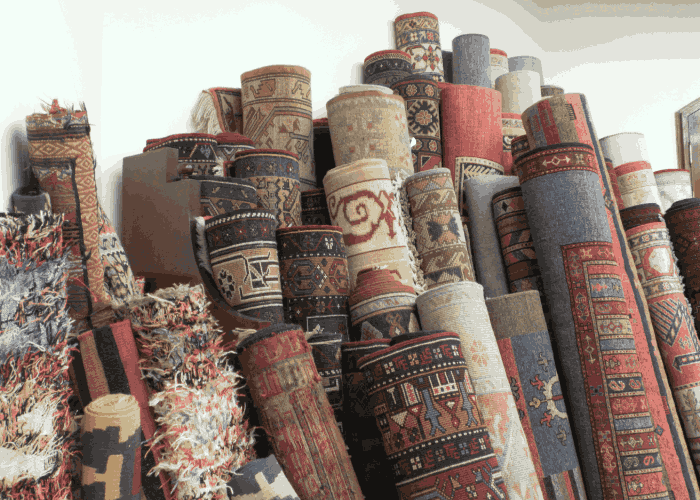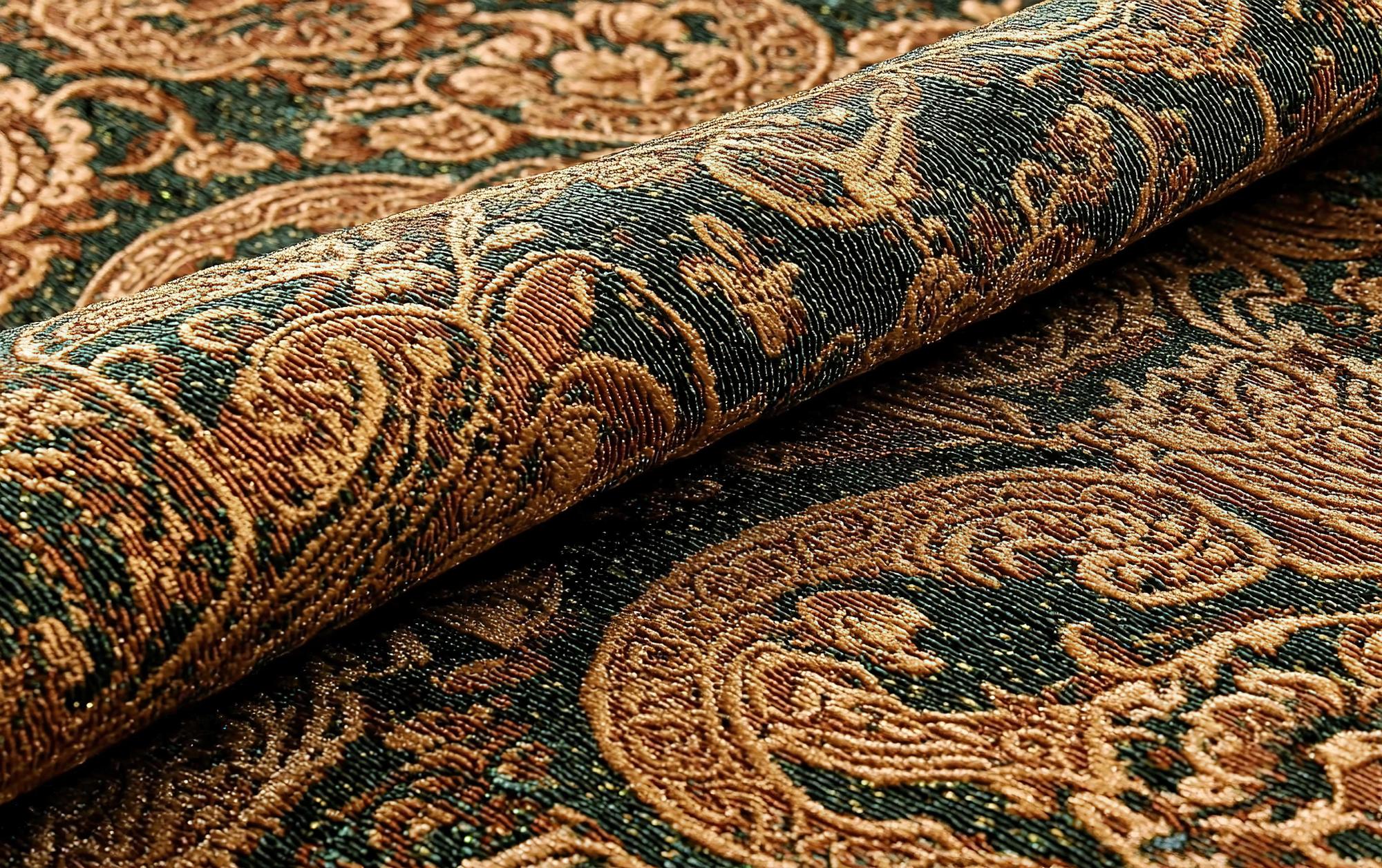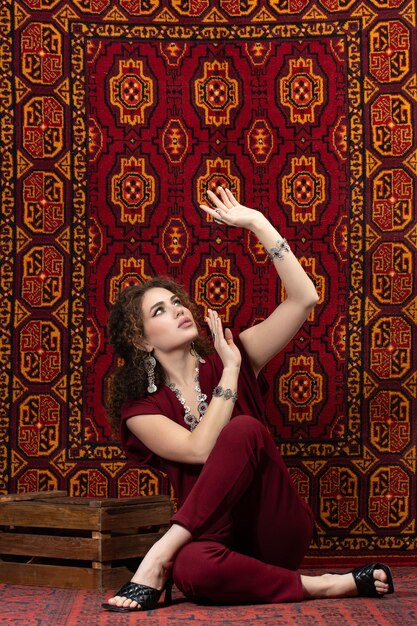
Step into a world where artistry meets heritage, where every thread tells a story of unparalleled skill and enduring beauty. You are about to embark on a journey through the heart of India’s most exquisite carpet weaving traditions.
From the serene valleys of Kashmir, renowned for their silken masterpieces, to the bustling workshops that supply the world’s most discerning luxury boutiques, Indian premium carpets represent the pinnacle of textile art.
These aren’t just floor coverings; they are intricate tapestries woven with centuries of history, cultural narratives, and the tireless dedication of master artisans.
Prepare to discover the secrets behind their captivating designs, the meticulous techniques that grant them their legendary durability, and the sheer luxury that makes them treasured heirlooms.
You will gain a profound appreciation for the craftsmanship that transforms raw materials into breathtaking works of art, gracing homes and palaces across the globe.
The Historical Tapestry: A Journey Through India’s Carpet Heritage
The story of Indian carpets is deeply intertwined with the nation’s rich imperial past, particularly the opulent Mughal era. It was during this period that carpet weaving reached its zenith, flourishing under royal patronage.
The art form was not indigenous to India but was introduced and refined by Persian artisans who accompanied Mughal emperors. These skilled weavers brought with them sophisticated techniques and intricate patterns that quickly captivated the Indian imagination.
Emperor Akbar, in the 16th century, is often credited with establishing the first royal carpet workshops in Agra and Lahore. He recognized the artistic and economic potential of this craft, encouraging its development.
These early carpets were characterized by their Persianate designs, featuring elaborate floral motifs, intricate medallions, and hunting scenes. They were woven using the finest materials, primarily wool and silk, reflecting the grandeur of the Mughal court.
Over time, Indian artisans began to infuse these foreign influences with indigenous aesthetics. They introduced local flora and fauna, vibrant color palettes, and unique stylistic elements, creating a distinct “Indo-Persian” style.
The craft continued to evolve through successive centuries, adapting to changing tastes and patronage. It survived colonial influences and has since emerged as a global leader in luxury textile production.
Today, you can still trace the echoes of this rich history in the patterns and techniques employed by contemporary weavers, making each premium carpet a tangible link to a glorious past.
The Heart of Craftsmanship: Regions and Their Specialties
India’s vast geography and diverse cultural landscape have given rise to distinct carpet weaving centers, each with its unique identity, materials, and design philosophy. Understanding these regional specialties is key to appreciating the breadth of Indian carpet artistry.
Kashmir: The Jewel of Silk Carpets
When you think of luxury Indian carpets, Kashmir often comes to mind, and for good reason. The region is unparalleled in its production of exquisite silk carpets, renowned worldwide for their breathtaking beauty and intricate detail.
Kashmiri silk carpets are characterized by their incredibly high knot density, often exceeding 500 knots per square inch. This allows for exceptionally fine detailing, delicate shading, and sharp, intricate patterns that are almost pictorial in their rendering.
The primary material used is pure silk, which gives these carpets an unparalleled sheen and softness. The natural lustre of silk plays with light, creating a mesmerizing interplay of tones that shift as you view the carpet from different angles.
Traditional designs often feature ornate Persian-inspired motifs, such as floral sprays, tree-of-life patterns, and intricate medallions. However, you will also find indigenous Kashmiri elements like the revered paisley or ‘boteh’ motif.
The weaving process for a Kashmiri silk carpet is incredibly labor-intensive and requires immense skill and patience. Each knot is individually tied by hand, often by generations of artisans who have inherited this precious knowledge.
A single large carpet can take several years to complete, a testament to the dedication and artistry involved. This meticulous craftsmanship makes Kashmiri silk carpets not just decorative items but valuable investments and cherished family heirlooms.
When you acquire a Kashmiri silk carpet, you are not just buying a product; you are investing in centuries of tradition, unparalleled skill, and a piece of wearable art for your floor.
Agra: Mughal Grandeur Revived
Agra, the city of the Taj Mahal, holds a significant place in the history of Indian carpet weaving. It was one of the earliest centers established by the Mughals, and its carpets continue to reflect that imperial legacy.
Agra carpets are typically woven from high-quality wool, often blended with cotton for added strength and structure. They are known for their robustness, resilience, and a distinctive lustrous finish that develops over time.
The designs often draw directly from Mughal miniatures and architectural elements. You will frequently encounter grand central medallions, intricate border patterns, and stylized floral motifs like lotuses, palmettes, and rosettes.
Color palettes in Agra carpets tend to be rich and regal, featuring deep reds, blues, greens, and ivories. These colors are carefully chosen to evoke a sense of timeless elegance and grandeur.
Unlike the extreme fineness of Kashmiri silk, Agra carpets focus on a balance of detail, durability, and a luxurious feel. They are designed to withstand generations of use while retaining their beauty and charm.
Many Agra carpets are hand-knotted, a testament to their artisanal quality. The knotting techniques ensure that these carpets are not only beautiful but also incredibly hard-wearing, making them suitable for high-traffic areas in luxury settings.
If you are seeking a carpet that combines historical significance, enduring quality, and a classic aesthetic, an Agra carpet offers a magnificent choice that truly elevates any space.
Mirzapur-Bhadohi: The Carpet Belt of India
The region encompassing Mirzapur and Bhadohi in Uttar Pradesh is often referred to as the “Carpet Belt” of India. This area is a powerhouse of carpet production, known for its incredible diversity in materials, techniques, and designs.
Unlike Kashmir or Agra, which focus on specific types, Mirzapur-Bhadohi produces a vast range of carpets, from traditional hand-knotted wool and silk creations to more contemporary hand-tufted and flatweave options.
You will find carpets made from various materials here, including high-quality New Zealand wool, indigenous Indian wool, cotton, jute, and even blends with silk or viscose. This versatility allows manufacturers to cater to a wide array of preferences and budgets.
The region is particularly renowned for its hand-knotted wool carpets, which often feature intricate Persian and Indo-Persian designs, as well as more modern abstract and transitional patterns. The craftsmanship is highly skilled, often passed down through generations.
Bhadohi is also a significant center for hand-tufted carpets, which offer greater design flexibility and can be produced more quickly than hand-knotted pieces. These are popular for custom designs and contemporary interior applications.
The sheer scale and depth of weaving expertise in Mirzapur-Bhadohi mean that you can find almost any style or type of premium carpet originating from this vibrant region. It is a true testament to India’s enduring legacy in textile arts.
Jaipur: Royal Elegance and Flatweaves
Jaipur, the Pink City of Rajasthan, is famed not only for its palaces and gemstones but also for its distinctive carpet weaving traditions, particularly its vibrant flatweave carpets known as ‘durries’.
Jaipur durries stand apart from pile carpets because they are woven without knots, creating a flat, reversible surface. This technique makes them highly durable, easy to maintain, and incredibly versatile.
Traditionally, durries were made from cotton, but modern versions also incorporate wool, jute, and even silk blends. The choice of material influences the texture and drape of the finished product.
The designs of Jaipur durries are often geometric, tribal, or striped, characterized by bold patterns and a striking use of color. You will find a kaleidoscope of hues, from bright primary colors to more subdued earthy tones, reflecting the vibrant culture of Rajasthan.
Beyond durries, Jaipur also produces beautiful hand-knotted wool carpets, often with a more contemporary aesthetic. These carpets frequently feature sophisticated abstract designs, subtle textures, and a refined color palette that appeals to modern luxury interiors.
Jaipur’s carpet industry beautifully blends ancient weaving techniques with contemporary design sensibilities. This ensures that whether you seek a traditional flatweave or a modern hand-knotted piece, Jaipur offers a touch of royal elegance for your home.
The Art of Weaving: Techniques That Define Quality
The true magic of Indian premium carpets lies in the intricate weaving techniques employed by master artisans. These methods dictate not only the carpet’s appearance but also its durability, texture, and ultimately, its value.
Hand-Knotted: The Pinnacle of Craft
Hand-knotting is the oldest and most revered method of carpet weaving, representing the absolute pinnacle of craftsmanship. When you invest in a hand-knotted carpet, you are acquiring a piece of textile history and art.
In this meticulous process, individual knots are tied by hand onto the warp threads that run the length of the loom. Each knot is then secured, and the weft threads are passed through horizontally to hold the knots in place, creating a dense, durable pile.
There are two primary types of knots used: the Persian (Senneh) knot and the Turkish (Ghiordes) knot. The Persian knot is asymmetrical, allowing for finer detail and more curvilinear designs, while the Turkish knot is symmetrical and creates a slightly bolder appearance.
The time and skill required for hand-knotting are immense. A single artisan can tie thousands of knots in a day, but a large, complex carpet with a high knot density can take multiple weavers many months, or even years, to complete.
The knot density, measured in knots per square inch (KPSI), is a crucial indicator of a hand-knotted carpet’s quality and value. Higher KPSI means more intricate detail, a denser pile, and greater durability, akin to the pixel density in a high-resolution image.
Hand-knotted carpets are known for their exceptional longevity and ability to become more beautiful with age. They are often passed down through generations, acquiring a rich patina and historical significance.
When you choose a hand-knotted carpet, you are choosing an enduring work of art, a testament to human skill and patience that will enrich your living space for decades to come.
Hand-Tufted: Versatility and Design Freedom
Hand-tufting offers a versatile and often more accessible alternative to hand-knotting, particularly popular for contemporary designs and custom projects. While still a handcrafted process, it differs significantly in its execution.
Instead of tying individual knots, artisans use a specialized “tufting gun” to punch loops of yarn through a fabric backing that has the design stenciled onto it. These loops are then secured with a latex adhesive applied to the back of the carpet.
After the adhesive has dried, the loops on the front are typically sheared to create a cut pile, similar to a hand-knotted carpet. Sometimes, a combination of cut and loop pile is used to create textural variations within the design.
One of the main advantages of hand-tufting is its speed. It allows for the production of custom designs and larger carpets in a shorter timeframe compared to hand-knotting, making it ideal for projects with specific deadlines or unique aesthetic requirements.
Hand-tufted carpets offer immense design freedom. Their ability to incorporate complex shapes, gradients, and a wide range of colors makes them a favorite among interior designers seeking bespoke solutions.
While generally less durable than hand-knotted carpets over several decades, high-quality hand-tufted carpets are still incredibly robust and can last for many years with proper care. They represent a blend of artisanal skill and modern manufacturing efficiency.
If you are looking for a carpet with a specific contemporary design, a unique color palette, or a quicker turnaround, a hand-tufted premium carpet offers excellent value and artistic expression.
Flatweave (Durrie): Simplicity and Durability
Flatweave carpets, such as the famous Indian durries, represent a distinct weaving tradition that predates pile carpets in many cultures. They are characterized by their lack of a pile, meaning they have no raised surface.
Instead, flatweaves are created by interweaving warp (vertical) and weft (horizontal) threads tightly together, much like a basket. This technique results in a thin, flat, and often reversible fabric.
The design is created by varying the colors of the weft threads as they are woven over and under the warps. This method allows for crisp, geometric patterns, bold stripes, and intricate tribal motifs.
Flatweaves are typically made from cotton, wool, or jute, or a blend of these materials. Cotton durries are soft and lightweight, while wool durries offer more warmth and resilience. Jute durries provide a natural, rustic texture.
One of the key benefits of flatweave carpets is their exceptional durability. Their tightly woven construction makes them incredibly hard-wearing and resistant to crushing, making them suitable for high-traffic areas and even outdoor use (depending on material).
They are also very easy to clean and maintain, as dust and dirt do not get trapped within a pile. Their reversible nature means you can flip them over for even wear or a fresh look.
Flatweaves offer a minimalist yet stylish aesthetic, perfect for layering, adding texture to a room, or providing a touch of ethnic charm. They are a versatile and practical choice for modern homes and traditional spaces alike.
Materials Matter: The Foundation of Luxury
The quality and character of a premium carpet are fundamentally determined by the materials used in its construction. India’s master weavers carefully select fibers that contribute to the carpet’s beauty, durability, and luxurious feel.
Kashmir Silk: The Ultimate Indulgence
Silk is undeniably the most luxurious material used in carpet weaving, and Kashmiri silk carpets are the epitome of this indulgence. The properties of silk make it uniquely suited for creating exquisite textiles.
Silk fibers are incredibly fine, allowing for an exceptionally high knot density and therefore the creation of intricate, detailed designs. This fineness also contributes to the carpet’s remarkably soft and smooth texture.
The natural lustre of silk is perhaps its most captivating feature. It reflects light in a way that creates a stunning play of colors and tones, making the carpet appear to shimmer and change as you move around it.
Despite its delicate appearance, silk is one of the strongest natural fibers, making silk carpets surprisingly durable when properly cared for. Their resilience ensures they can last for generations.
The silk used in premium Kashmiri carpets is often sourced from local silkworms or imported from regions known for their high-quality silk production. The careful processing of these fibers is crucial to maintaining their integrity and beauty.
Owning a Kashmiri silk carpet is owning a piece of unparalleled luxury, a testament to nature’s beauty and human artistry. It is an investment that brings elegance and sophistication to any interior.
High-Quality Wool: Durability Meets Comfort
Wool is the most common and widely preferred material for premium carpets due to its exceptional balance of durability, comfort, and aesthetic appeal. Indian weavers utilize various types of wool to achieve specific qualities.
Often, high-quality imported wool, such as New Zealand wool, is favored for its long staple length, strength, and natural sheen. This wool produces carpets that are incredibly soft yet remarkably resilient.
Indigenous Indian wool is also used, particularly in traditional carpets, offering a coarser texture and a rustic charm. Both types are prized for their natural lanolin content, which provides inherent stain resistance.
Wool fibers have a natural crimp that allows them to spring back into shape after compression, making wool carpets resistant to crushing and matting. This resilience contributes significantly to their longevity.
Wool is also an excellent insulator, providing warmth and sound absorption in a room. It is naturally flame-resistant and hypoallergenic, making it a safe and comfortable choice for any home.
The ability of wool to absorb dyes deeply results in rich, vibrant, and long-lasting colors that resist fading. This ensures that your wool carpet retains its beauty for many years.
For a carpet that combines luxurious comfort with outstanding durability and timeless appeal, high-quality wool is an unbeatable choice that will serve you well for decades.
Cotton and Jute: Versatility and Sustainability
While silk and wool dominate the luxury segment, cotton and jute play vital roles in the broader spectrum of Indian premium carpets, offering versatility, sustainability, and unique textural qualities.
Cotton:
- Cotton is frequently used for the warp and weft foundations of hand-knotted and hand-tufted carpets, providing stability and strength to the structure.
- It is also the primary material for many flatweave durries, offering a soft, breathable, and easily washable option.
- Cotton carpets are known for their comfort, absorbency, and ability to take vibrant dyes, resulting in bright and cheerful designs.
- They are generally more affordable than wool or silk, making them an excellent choice for casual settings or layering.
Jute:
- Jute is a natural, biodegradable fiber known for its strength and earthy texture. It is often used in flatweaves and some hand-tufted carpets for a rustic, natural look.
- Jute carpets are highly durable and resistant to wear and tear, making them suitable for high-traffic areas.
- They are an eco-friendly choice, as jute is a rapidly renewable resource.
- The natural golden-brown hues of jute bring warmth and organic appeal to interiors, often complementing bohemian or minimalist decor styles.
Both cotton and jute represent sustainable choices that expand the design possibilities of Indian carpets. They offer distinct aesthetics and functional benefits, ensuring there’s a premium Indian carpet for every taste and need.
From Loom to Luxury Boutique: The Journey of a Premium Carpet
The transformation of raw fibers into a magnificent carpet destined for a luxury boutique is a journey of meticulous craftsmanship, stringent quality control, and sophisticated design curation. You are part of this journey as a discerning buyer.
After months or even years on the loom, the woven carpet undergoes a series of crucial finishing processes. It is carefully removed, trimmed, and often washed multiple times to enhance its lustre and soften the fibers.
Skilled artisans then inspect every inch for imperfections, making any necessary repairs by hand. The pile is expertly sheared to an even height, and the edges are meticulously bound or fringed, ensuring a flawless presentation.
Design innovation plays a critical role in bringing Indian carpets to the global luxury market. Collaborations with international designers introduce contemporary aesthetics, blending traditional techniques with modern trends.
Many premium carpet manufacturers invest heavily in research and development, exploring new color palettes, textural variations, and sustainable materials. This ensures their collections remain fresh and appealing to a sophisticated clientele.
The journey also involves careful branding and marketing, showcasing the carpet’s heritage, the skill of its makers, and its unique story. This narrative adds immense value, connecting you emotionally to the piece.
Finally, these exquisite creations find their place in high-end showrooms and luxury boutiques worldwide. Here, they are presented as works of art, ready to become the focal point of a grand living space or a cherished family heirloom.
When you acquire a premium Indian carpet, you are not just purchasing an item; you are investing in a legacy of art, culture, and unparalleled craftsmanship that has traversed continents and centuries to reach your home.
Understanding Value: What Makes a Carpet Premium?
Determining the value of a premium carpet involves understanding several key factors that contribute to its quality, rarity, and artistic merit. Knowing these elements empowers you to make an informed investment.
1. Knot Density (KPSI): As discussed, the number of knots per square inch is a primary indicator of quality for hand-knotted carpets. Higher KPSI means greater detail, a denser pile, and more labor-intensive production, thus higher value.
2. Materials: The type and quality of fibers used significantly impact value. Pure Kashmir silk is generally the most expensive, followed by high-quality wool (like New Zealand wool), then blends, cotton, and jute.
3. Weaving Technique: Hand-knotted carpets are almost always more valuable than hand-tufted or machine-made carpets due to the immense skill, time, and labor involved in their creation.
4. Age and Provenance: Antique carpets (over 100 years old) with documented history and verifiable origins can command very high prices, especially if they are rare or historically significant.
5. Artistic Merit and Design Complexity: Unique, intricate, and well-executed designs, especially those with fine details, harmonious color palettes, and artistic originality, add considerable value.
6. Dye Quality: Natural, vegetable dyes are often preferred for their rich, nuanced colors and their ability to age beautifully. High-quality synthetic dyes, known for their colorfastness, also contribute to value.
7. Condition: The overall condition of the carpet, including wear, fading, and any repairs, will naturally affect its value. Well-preserved carpets are more prized.
You are investing in a piece of art when you choose a premium Indian carpet. Understanding these factors will help you appreciate the true worth behind its beauty.
Key Factors Influencing Premium Carpet Value
| Factor | Description | Impact on Value (Higher = More Value) |
|---|---|---|
| Knot Density (KPSI) | Number of knots per square inch (for hand-knotted). | Higher KPSI indicates finer detail, more labor, greater value. |
| Material Quality | Type and grade of fiber (e.g., pure silk, New Zealand wool). | Pure silk & premium wool command highest prices. |
| Weaving Technique | Method of construction (hand-knotted, hand-tufted, flatweave). | Hand-knotted is generally most valuable due to skill & time. |
| Age & Provenance | Carpet’s age, historical context, and origin. | Antique (100+ years) with documented history significantly increases value. |
| Design Complexity | Intricacy, originality, and artistic execution of patterns. | Unique, detailed, and well-balanced designs are more valuable. |
| Dye Quality | Type and permanence of dyes used (natural vs. synthetic). | Natural dyes or high-quality, colorfast synthetic dyes are preferred. |
| Condition | Overall state of the carpet (wear, repairs, fading). | Excellent condition with minimal wear or damage retains highest value. |
Caring for Your Investment: Maintenance Tips
A premium Indian carpet is a significant investment and a cherished piece of art. Proper care and maintenance are essential to preserve its beauty, extend its lifespan, and ensure it remains a valuable heirloom for generations.
1. Regular Vacuuming: You should vacuum your carpet regularly, ideally once or twice a week, using a vacuum cleaner with adjustable height settings. Avoid using a beater bar on delicate silk or antique carpets, as it can damage the fibers.
2. Immediate Spill Cleanup: Address spills immediately to prevent staining. Blot (do not rub) the affected area with a clean white cloth or paper towel.
For stubborn stains, consult a professional carpet cleaner.
3. Rotate Your Carpet: To ensure even wear and exposure to light, rotate your carpet 180 degrees every six to twelve months. This helps prevent localized fading and wear patterns.
4. Protect from Sunlight: Direct, prolonged exposure to sunlight can cause colors to fade over time. You can use blinds, curtains, or UV-filtering window films to protect your carpet from harsh rays.
5. Use Rug Pads: Always place a high-quality rug pad underneath your carpet. A good pad prevents slipping, provides cushioning, reduces wear, and protects your flooring underneath.
6. Professional Cleaning: You should have your premium carpet professionally cleaned every 3-5 years, or more frequently if it’s in a high-traffic area. Choose a reputable cleaner experienced with hand-knotted and delicate carpets.
7. Avoid Heavy Furniture Indentations: Use furniture glides or cups under heavy furniture legs to distribute weight and prevent deep indentations. If indentations occur, you can try gently steaming the area and brushing the pile.
By following these simple care tips, you can ensure that your magnificent Indian carpet retains its splendor and continues to bring joy and elegance to your home for many years to come.
Conclusion: The Enduring Legacy of Indian Carpets
You have now journeyed through the intricate world of India’s premium carpets, from the historical looms of the Mughal Empire to the modern luxury boutiques that showcase these magnificent creations.
You’ve discovered the regional specialties, from the silken masterpieces of Kashmir to the robust woolens of Agra and the versatile durries of Jaipur. Each region contributes a unique chapter to this rich narrative.
We’ve explored the meticulous hand-knotted techniques, the versatile hand-tufted methods, and the durable flatweaves, understanding how each contributes to the carpet’s character and value.
You now appreciate the role of exquisite materials like pure Kashmir silk and high-quality wool, which form the very foundation of these luxurious textiles.
Ultimately, a premium Indian carpet is more than just a decorative item; it is a profound expression of art, culture, and human ingenuity. It is a piece of history you can walk on, a story woven into every fiber.
When you choose an Indian premium carpet, you are not merely acquiring a floor covering. You are investing in an heirloom, a testament to enduring craftsmanship, and a captivating legacy that will enrich your home and your life for generations.
Embrace the unparalleled beauty and timeless elegance that awaits you in the world of India’s finest carpets.
Frequently Asked Questions (FAQ)
1. What makes Kashmiri silk carpets so special?
Kashmiri silk carpets are renowned for their exceptionally high knot density, allowing for intricate designs and delicate shading. Their pure silk material gives them an unparalleled lustre, softness, and surprising strength, making them highly prized luxury items.
2. How can I tell if a carpet is genuinely hand-knotted?
You can identify a hand-knotted carpet by examining its back. You will see individual knots, and the pattern on the back will be as clear and defined as the front. The fringe will also appear to be an extension of the warp threads, not sewn on.
3. What is knot density (KPSI) and why is it important?
Knot Density (Knots Per Square Inch) measures the number of knots in one square inch of a hand-knotted carpet. A higher KPSI indicates a finer weave, more intricate detail, greater durability, and typically a higher value due to the increased labor involved.
4. Are Indian carpets durable?
Yes, premium Indian carpets, especially hand-knotted wool and silk varieties, are exceptionally durable. With proper care, they can last for many decades, often becoming more beautiful and valuable with age. The quality of materials and weaving technique are key factors in their longevity.
5. How do I clean a premium Indian carpet?
For regular maintenance, vacuum your carpet weekly without a beater bar. For spills, blot immediately with a clean cloth. For deep cleaning, it is highly recommended to engage a professional carpet cleaner who specializes in hand-knotted and delicate rugs every 3-5 years.
6. What is the difference between a durrie and a pile carpet?
A durrie is a flatweave carpet, meaning it has no raised pile. It is created by tightly interweaving warp and weft threads. A pile carpet, on the other hand, has a raised surface created by knots or tufts of yarn that stand upright, giving it a softer, thicker texture.
7. Can I use a premium Indian carpet in a high-traffic area?
Yes, many premium Indian carpets, particularly those made from high-quality wool or durable flatweaves like durries, are well-suited for high-traffic areas. Silk carpets, while durable, are often preferred for lower-traffic areas to preserve their delicate sheen and intricate detail.