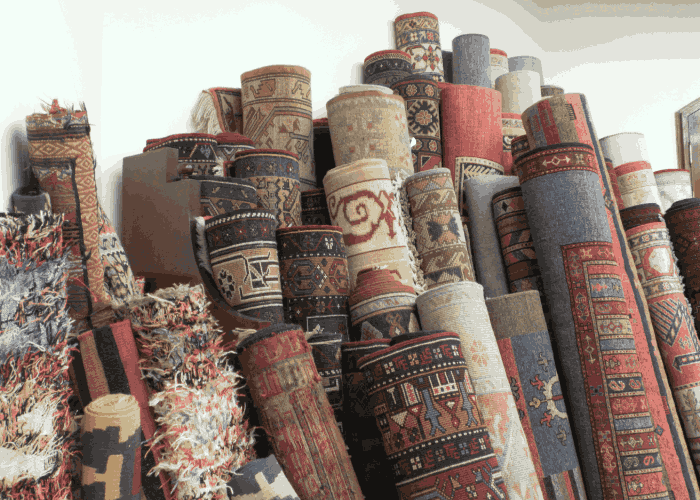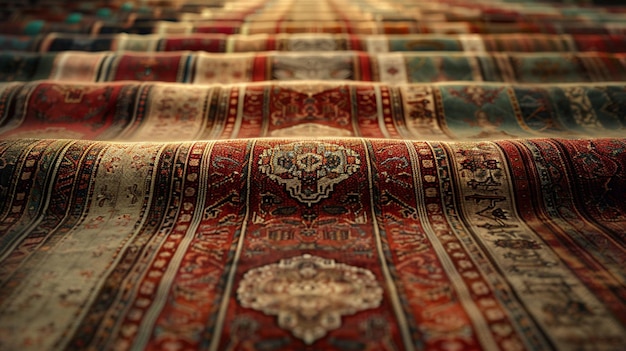
Bengaluru, a city synonymous with innovation and forward-thinking, is also a burgeoning hub for those who appreciate the finer things in life. As you navigate its vibrant landscape, you’ll discover an increasing demand for opulence, quality, and timeless elegance in home decor. For the discerning individual, the quest for a truly exceptional piece often leads to the world of premium Indian carpets.
You’re not just looking for a floor covering; you’re seeking a masterpiece, a woven narrative that speaks of heritage, artistry, and unparalleled craftsmanship. Bengaluru, with its affluent populace and appreciation for luxury, holds a beautiful secret: it’s a gateway to some of the most exquisite hand-knotted carpets India has to offer.
This comprehensive guide is designed to take you on a journey through the intricate world of premium Indian carpets. We will explore what makes these carpets so special, where to find them in Bengaluru, and how to make an informed decision that will enrich your living space for generations.
Bengaluru: A Connoisseur’s Canvas for Luxury Living
Bengaluru, often hailed as India’s Silicon Valley, has witnessed an exponential rise in its cosmopolitan character and economic prosperity. This growth has naturally fostered a sophisticated lifestyle, where residents seek out unique, high-quality items that reflect their personal taste and success.
You, as a resident or visitor with an eye for luxury, understand that your home is a reflection of your identity. It’s a sanctuary where every element, from furniture to art, contributes to an atmosphere of comfort and elegance. This pursuit of refined living has positioned Bengaluru as a prime market for premium home decor, including the magnificent world of Indian carpets.
The city’s vibrant real estate market, with its array of luxury apartments and villas, provides the perfect canvas for these textile treasures. You’ll find that a premium Indian carpet doesn’t just fill a space; it elevates it, transforming a room into an art gallery and a statement of your discerning style.
The Enchantment of Indian Carpets: A Legacy Woven in Time
The history of carpet weaving in India dates back centuries, deeply intertwined with the Mughal Empire, which introduced Persian techniques and aesthetics. Over time, Indian artisans developed their own distinctive styles, patterns, and dyeing methods, creating a rich tapestry of regional weaving traditions.
When you invest in an Indian carpet, you are not merely purchasing a product; you are acquiring a piece of living history, a testament to generations of skill and dedication. These carpets are celebrated globally for their intricate designs, vibrant colors, and exceptional durability.
The allure lies in their authenticity and the human touch evident in every knot. Unlike mass-produced alternatives, each hand-knotted Indian carpet tells a unique story, making it a truly personal addition to your home.
Types of Indian Carpet Weaves You Should Know
Understanding the different weaving techniques is crucial when you are seeking a premium carpet. Each method impacts the carpet’s appearance, durability, and value.
- Hand-knotted Carpets: These are the pinnacle of carpet craftsmanship. Each knot is individually tied by hand onto a warp and weft foundation, making them incredibly durable, intricate, and valuable. The process is labor-intensive and can take months or even years to complete. You will find superior knot density and longevity in these pieces.
- Hand-tufted Carpets: While also handmade, these are created by punching yarn through a fabric backing with a tufting gun. Loops are then sheared to create a cut pile. They are less durable and valuable than hand-knotted carpets but offer a handmade look at a more accessible price point.
- Flatweave Carpets (Dhurries): These are woven without a pile, creating a flat, reversible surface. Dhurries are often made from cotton or wool, featuring geometric patterns and vibrant colors. They are durable, easy to clean, and perfect for a casual yet stylish look.
For a truly premium experience and lasting investment, you should focus your search primarily on hand-knotted carpets.
Defining Excellence: What Constitutes a Premium Indian Carpet?
Not all Indian carpets are created equal. When you are looking for a premium piece, several factors distinguish an ordinary carpet from an extraordinary masterpiece. Understanding these elements will empower you to make an informed and confident purchase.
The Significance of Knot Density (KPSI)
Knot density, often expressed as KPSI (knots per square inch), is one of the most critical indicators of a hand-knotted carpet’s quality and intricacy. The higher the KPSI, the finer and more detailed the design, and generally, the more expensive the carpet.
A high KPSI means more knots are packed into a smaller area, leading to greater durability and clarity of pattern. For premium Indian carpets, you might find KPSI ranging from 100 to over 1000, particularly in fine silk pieces. Always inquire about the KPSI when evaluating a hand-knotted carpet.
Superior Materials: The Foundation of Luxury
The quality of materials used directly impacts the carpet’s look, feel, and longevity. Premium Indian carpets are typically crafted from the finest natural fibers.
- Pure Silk: Known for its exquisite sheen, softness, and strength, silk carpets are the epitome of luxury. They often feature incredibly intricate designs due to the thinness of silk threads. You will find these carpets to be lighter and more delicate, often used as wall hangings or in low-traffic areas.
- High-Quality Wool: Virgin wool from sheep, especially from specific regions like New Zealand or indigenous Indian breeds (e.g., Bikaner wool), is highly prized. It is durable, resilient, naturally stain-resistant, and has a beautiful luster. Premium wool carpets are often hand-spun, which adds to their character.
- Organic Cotton: Used primarily for the foundation (warp and weft) of wool carpets, cotton provides stability and strength. In some flatweave carpets (dhurries), cotton is the primary pile material, offering a soft yet robust finish.
Always ask about the origin and type of wool or silk used. Reputable dealers will provide transparent information about their materials.
The Art of Dyeing: Color that Endures
The dyes used in a carpet significantly affect its visual appeal and longevity. Premium Indian carpets often employ traditional, natural dyeing techniques or high-quality synthetic dyes that are colorfast and fade-resistant.
Natural dyes, derived from plants, insects, and minerals, create subtle, rich, and harmonious color palettes that age beautifully. They are environmentally friendly and often preferred by connoisseurs. High-quality synthetic dyes, while not natural, can also produce vibrant and stable colors when applied by skilled artisans.
Beware of carpets with low-quality chemical dyes that may bleed or fade quickly. You want a carpet whose colors will remain true for decades.
Design Intricacy and Artistic Originality
The design of a premium Indian carpet is a testament to the weaver’s artistry and the designer’s vision. Traditional patterns often draw inspiration from Persian motifs, Mughal architecture, and local folklore, featuring elaborate medallions, floral sprays, and intricate borders.
Contemporary premium carpets may showcase abstract designs, minimalist aesthetics, or modern interpretations of classic patterns. Regardless of the style, the design should be well-executed, balanced, and visually captivating. You should look for clarity in the pattern and precision in the execution, especially in the curves and fine lines.
Provenance and Certification: Assurance of Authenticity
Knowing the origin of your carpet is crucial for verifying its authenticity and quality. Reputable dealers will be able to provide you with details about where the carpet was woven, the materials used, and sometimes even the names of the weavers.
Some premium carpets come with certifications that guarantee their authenticity, material composition, and adherence to ethical production standards. You should always ask for any available documentation or guarantees when making a significant purchase.
Navigating the Market: The Diverse World of Premium Indian Carpets
India is a vast country with numerous weaving centers, each known for its distinct style and materials. As you explore Bengaluru’s luxury market, you will encounter various types of premium Indian carpets, each with its unique charm and characteristics.
Kashmiri Silk Carpets: The Epitome of Elegance
Kashmiri silk carpets are renowned worldwide for their extraordinary softness, lustrous sheen, and incredibly intricate designs. Woven with pure silk threads on a cotton foundation, they boast exceptionally high knot densities, allowing for minute details and sophisticated patterns.
You will often find these carpets featuring Persian-inspired motifs, such as tree of life, hunting scenes, and delicate floral patterns, in a rich palette of jewel tones. They are often lighter in weight and are best suited for areas where their delicate beauty can be admired without heavy foot traffic.
Mirzapur and Bhadohi Wool Carpets: Robust Beauty
The region around Mirzapur and Bhadohi in Uttar Pradesh is India’s largest carpet weaving belt. These carpets are predominantly made from high-quality wool, often blended with cotton for strength. They are known for their durability and versatility in design.
You can find a wide range of styles, from traditional Persian and Mughal designs to tribal motifs and contemporary patterns. Mirzapur and Bhadohi carpets offer excellent value for their craftsmanship and are well-suited for various settings, including high-traffic areas, thanks to their robust construction.
Agra Carpets: Mughal Grandeur Reimagined
Agra carpets carry the legacy of Mughal weaving, characterized by their refined designs, often featuring large central medallions, delicate floral motifs, and pastel color palettes. Historically, these were woven for palaces and grand estates, reflecting a sense of understated grandeur.
Modern Agra carpets continue this tradition, offering a blend of classic elegance and contemporary appeal. You will find them primarily in wool, sometimes with silk accents, providing a luxurious yet durable option for your home.
Jaipur Dhurries: Flatweave Artistry
While not pile carpets, premium Jaipur dhurries offer a unique aesthetic and functionality. These flatweave rugs are typically made from cotton or wool and are known for their vibrant colors, bold geometric patterns, and reversible nature.
Dhurries are incredibly versatile, perfect for adding a pop of color to a modern interior, or as a durable option for dining rooms or hallways. You will appreciate their easy maintenance and the handcrafted charm they bring to any space.
Contemporary Hand-knotted Carpets: Modern Expressions
Beyond traditional designs, many Indian weavers and designers are now creating contemporary hand-knotted carpets. These pieces often feature abstract patterns, minimalist aesthetics, or innovative color combinations that perfectly complement modern and avant-garde interiors.
If your style leans towards the contemporary, you will find these carpets to be striking focal points, blending traditional craftsmanship with modern design sensibilities. They are often made from high-quality wool and sometimes incorporate silk for added texture and sheen.
The Hunt Begins: Where to Discover Your Masterpiece in Bengaluru
Finding a premium Indian carpet in Bengaluru requires a discerning eye and knowledge of reputable sources. You want to ensure you are dealing with sellers who prioritize quality, authenticity, and customer satisfaction.
Exclusive Boutiques and Galleries
Bengaluru is home to several high-end home decor boutiques and art galleries that curate exquisite collections of premium carpets. These establishments often source directly from master weavers or renowned manufacturers, ensuring authenticity and quality.
Here, you will receive personalized attention, expert advice, and the opportunity to view carpets in a luxurious setting. The staff are typically knowledgeable about the carpets’ origins, materials, and weaving techniques, allowing you to learn more about your potential purchase.
Reputable Dealers with a Storied Legacy
Look for established carpet dealers in Bengaluru who have been in business for many years. These dealers often have a strong reputation built on trust, transparency, and a deep understanding of the craft.
They usually maintain extensive inventories and can guide you through various styles, materials, and price points. A long-standing presence in the market is often a good indicator of their commitment to quality and customer service. Always check online reviews and testimonials.
Online Luxury Platforms (with Caution)
While the tactile experience of choosing a carpet is invaluable, some luxury online platforms now offer premium Indian carpets. These platforms can provide convenience and a wider selection from various regions.
However, you must exercise caution. Ensure the platform has a robust return policy, provides detailed product descriptions (including KPSI, material, and origin), and offers high-resolution images. Reading customer reviews and contacting their support for more information is highly recommended.
Key Considerations When Choosing a Seller
- Reputation: Research online reviews, ask for referrals, and check their standing in the local luxury market.
- Transparency: A trustworthy seller will be open about the carpet’s origin, materials, knot count, and dyeing process.
- Expertise: The sales staff should be knowledgeable and able to answer all your questions comprehensively.
- After-Sales Service: Inquire about cleaning recommendations, repair services, and any guarantees or warranties offered.
- Return Policy: Understand their policy for returns or exchanges, especially for a high-value purchase.
Making an Informed Purchase: Your Guide to Buying a Premium Carpet
Acquiring a premium Indian carpet is a significant investment. To ensure you make the right choice, follow these steps to guide your decision-making process.
1. Define Your Budget
Premium carpets vary widely in price based on material, knot density, size, and age. Determine a realistic budget range before you start shopping. This will help narrow down your options and focus your search.
2. Assess Your Space and Style
Consider where the carpet will be placed. Measure the exact dimensions of the room to determine the appropriate size. Think about your existing decor, color palette, and the overall ambiance you wish to create.
Do you prefer traditional, contemporary, or a blend of styles?
3. Ask Probing Questions
Don’t hesitate to ask the seller detailed questions. You should inquire about:
- The exact origin of the carpet (city/region).
- The specific materials used (e.g., type of wool, pure silk).
- The knot density (KPSI) for hand-knotted pieces.
- The type of dyes used (natural or high-quality synthetic).
- Care and cleaning instructions.
- Any certifications or guarantees.
4. Inspect the Carpet Closely
A hands-on inspection is vital. You should:
- Examine the Pile: Feel the texture, look for evenness in the pile height.
- Check the Back: The pattern on the back of a hand-knotted carpet should be almost as clear as the front, indicating fine craftsmanship.
- Look at the Colors: Ensure color consistency and check for any bleeding or fading.
- Inspect the Fringes and Edges: They should be neatly finished and securely attached.
- Bend the Carpet: If you bend a hand-knotted carpet, you should see the knots clearly; the foundation should not be easily visible.
5. Request Certification and Documentation
For high-value carpets, ask for a certificate of authenticity or a detailed invoice that specifies the carpet’s characteristics. This documentation serves as proof of your investment and can be valuable for insurance purposes.
6. Understand Care and Maintenance
Before finalizing your purchase, ensure you receive clear instructions on how to care for your specific carpet. Proper maintenance is key to preserving its beauty and longevity. This includes regular vacuuming, immediate spot cleaning, and professional cleaning when necessary.
To help you compare different types of premium Indian carpets, here’s a useful data table:
| Carpet Type | Key Characteristics | Primary Material | Typical Knot Density (KPSI) | Price Range (INR/sq ft) | Best Suited For |
|---|---|---|---|---|---|
| Kashmiri Silk | Exceptional sheen, intricate designs, soft, delicate. | Pure Silk | 300 – 1200+ | ₹5,000 – ₹25,000+ | Low-traffic areas, wall hangings, formal living rooms, bedrooms. |
| Mirzapur/Bhadohi Wool | Durable, wide range of designs (traditional to contemporary), robust. | High-Quality Wool (often blended with cotton foundation) | 80 – 250 | ₹800 – ₹5,000 | High-traffic areas, living rooms, dining rooms, family rooms. |
| Agra Wool | Mughal-inspired, refined patterns, often pastel colors, elegant. | High-Quality Wool (sometimes with silk accents) | 100 – 300 | ₹1,500 – ₹7,000 | Formal living rooms, studies, master bedrooms. |
| Jaipur Dhurrie | Flatweave, reversible, geometric patterns, vibrant, easy to clean. | Cotton or Wool | N/A (flatweave) | ₹300 – ₹1,500 | Casual living spaces, dining rooms, hallways, children’s rooms. |
Caring for Your Investment: Preserving the Beauty of Your Carpet
Once you’ve acquired your premium Indian carpet, proper care and maintenance are essential to preserve its beauty and extend its lifespan. With the right attention, your carpet will remain a cherished heirloom for generations.
Regular Vacuuming
You should vacuum your carpet regularly, typically once or twice a week, depending on foot traffic. Use a vacuum cleaner with a brush attachment or one that allows you to turn off the beater bar, especially for delicate silk or antique carpets. Vacuum in the direction of the pile to avoid damaging the fibers.
Immediate Spot Cleaning
Accidents happen, but prompt action can prevent permanent stains. If you spill something, blot the area immediately with a clean, white cloth. Avoid rubbing, as this can spread the stain.
Use a mild, pH-neutral carpet cleaner specifically designed for wool or silk, testing it on an inconspicuous area first.
Professional Cleaning
Every few years, or more frequently for high-traffic areas, your premium carpet will benefit from professional cleaning. Seek out a reputable carpet cleaning service that specializes in hand-knotted rugs. They have the expertise and equipment to clean your carpet thoroughly without causing damage.
Rotation and Protection
To ensure even wear and prevent localized fading, you should rotate your carpet every 6-12 months. This is particularly important if parts of the carpet are exposed to direct sunlight or heavy foot traffic. Use furniture pads under heavy furniture legs to prevent indentations and damage to the pile.
Avoid Direct Sunlight and Moisture
Prolonged exposure to direct sunlight can cause colors to fade over time. Consider using curtains or blinds to protect your carpet. Additionally, always keep your carpet away from excessive moisture, as it can lead to mildew and damage to the fibers.
Conclusion: Embrace the Artistry of Indian Carpets
Your journey to finding a premium Indian carpet in Bengaluru is more than just a shopping trip; it’s an exploration of art, history, and unparalleled craftsmanship. These magnificent textile masterpieces offer not just aesthetic beauty but also a tangible connection to India’s rich cultural heritage.
By understanding the nuances of quality, recognizing the different regional styles, and knowing where to seek out reputable dealers, you are now equipped to make a truly informed and fulfilling purchase. Bengaluru, with its dynamic luxury market, provides the perfect backdrop for discovering a carpet that will transform your home into a haven of elegance and sophistication.
We encourage you to embark on this exciting quest. Allow yourself to be captivated by the stories woven into each fiber, and choose a piece that resonates with your personal style and enhances your living space for generations to come. Your luxury secret awaits.
Frequently Asked Questions (FAQ)
How do I identify a genuine hand-knotted carpet?
You can identify a genuine hand-knotted carpet by examining its back. The pattern on the reverse side should be almost as clear and detailed as the front, indicating that each knot was individually tied. The fringes are typically an extension of the carpet’s foundation (warp threads), not sewn on separately.
Unevenness in the knots and slight imperfections are also hallmarks of handmade quality.
What’s the difference between silk and wool carpets?
The primary difference lies in the material and its characteristics. Silk carpets are known for their exquisite sheen, softness, fine detail, and lighter weight. They are more delicate and typically more expensive.
Wool carpets, on the other hand, are highly durable, resilient, naturally stain-resistant, and offer a warmer, firmer feel. Each has its unique aesthetic and suitability for different areas of your home.
How often should I professionally clean my carpet?
You should aim to have your premium carpet professionally cleaned every 3-5 years, or more frequently if it’s in a high-traffic area or if you have pets or children. Regular vacuuming and spot cleaning will extend the time between professional cleanings, but professional care is essential for deep cleaning and preserving the carpet’s fibers.
Can I place a premium carpet in a high-traffic area?
It depends on the type of premium carpet. High-quality wool carpets from regions like Mirzapur or Bhadohi are generally robust and well-suited for high-traffic areas due to wool’s natural durability and resilience. However, delicate silk carpets or very old/antique pieces are best placed in low-traffic areas or used as decorative wall hangings to preserve their intricate beauty and delicate fibers.
What is KPSI and why is it important?
KPSI stands for Knots Per Square Inch, and it is a crucial measure for hand-knotted carpets. It indicates the density of knots in a given area. A higher KPSI means the carpet has more knots, resulting in a finer, more intricate design, greater durability, and generally a higher value.
For example, a silk carpet will typically have a much higher KPSI than a wool carpet due to the fine nature of silk threads.
What are natural dyes?
Natural dyes are coloring agents derived from organic sources such as plants (e.g., indigo, madder root, pomegranate), insects (e.g., cochineal), and minerals. They have been used for centuries in carpet weaving and are prized for creating rich, subtle, and harmonious color palettes that age beautifully over time. Carpets dyed with natural dyes are often considered more valuable and environmentally friendly.