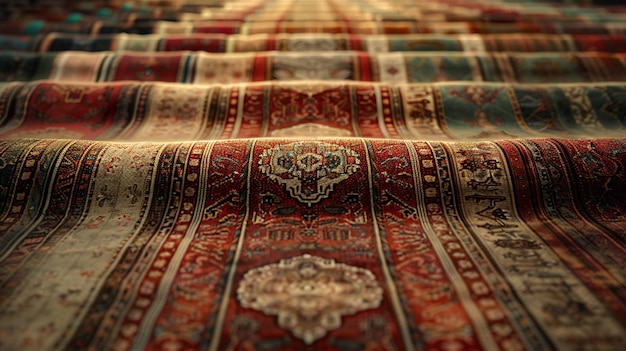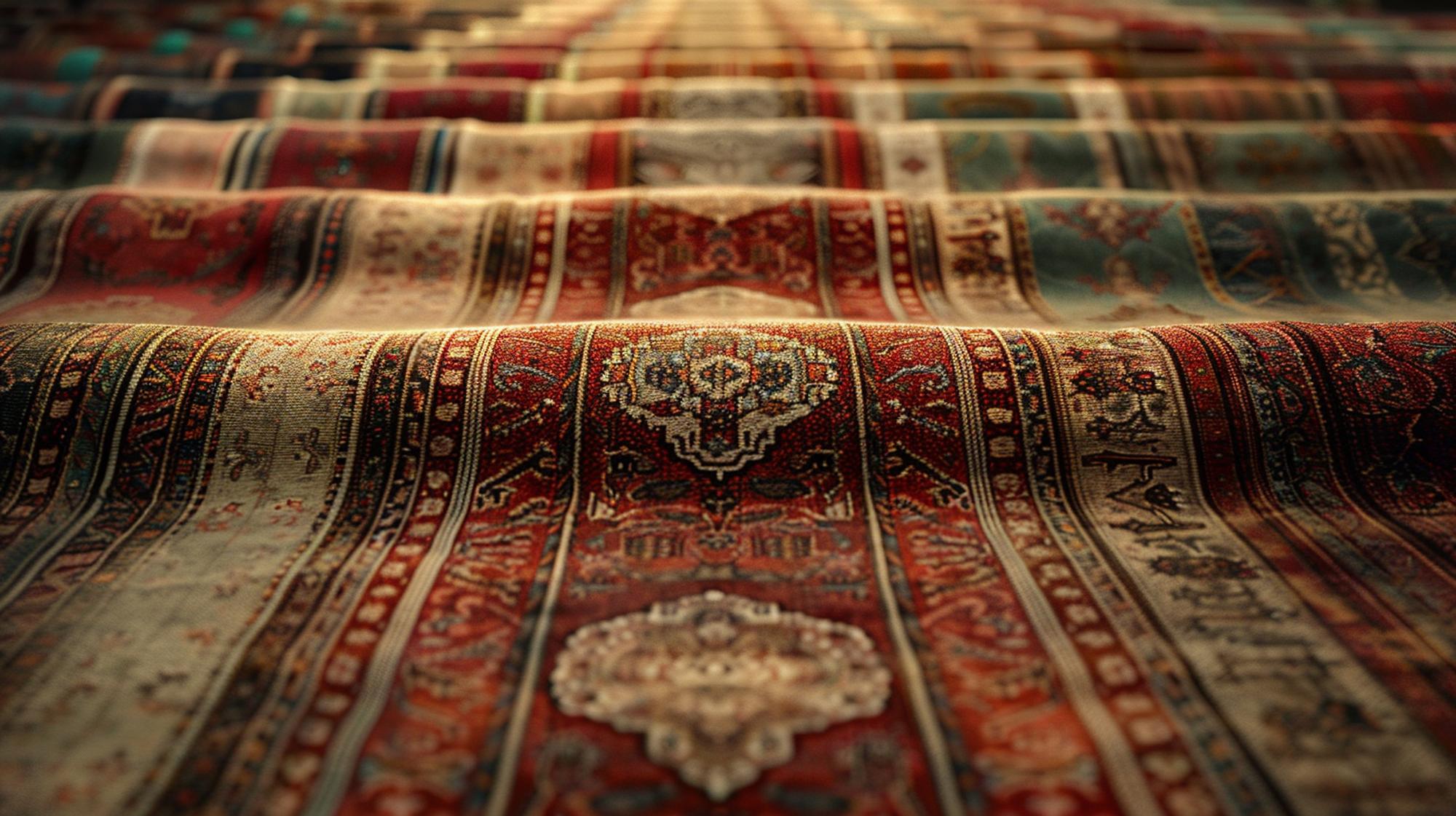
Step into a world where tradition meets unparalleled artistry, where every thread tells a story of heritage, skill, and passion. Imagine a piece of art beneath your feet, not just a floor covering, but a legacy passed down through generations. This is the essence of handwoven carpets, especially those originating from the heart of India.
India’s carpet craftsmanship is renowned globally, a testament to centuries of weaving tradition. You are about to embark on a journey to discover the intricate details, the exquisite materials, and the dedicated hands behind India’s premium handwoven carpets. Prepare to understand why these masterpieces are not just decorations, but enduring investments in beauty and culture.
A Legacy Woven Through Time: India’s Carpet Heritage
The story of Indian carpets is deeply intertwined with its rich history, particularly the Mughal era. It was during the 16th century, under Emperor Akbar’s patronage, that Persian weaving techniques truly flourished in India. This fusion of indigenous artistry with Persian sophistication laid the foundation for the distinct Indian carpet style you admire today.
Over centuries, this craft evolved, absorbing local colors, motifs, and design philosophies. Each region developed its unique identity, contributing to a vibrant tapestry of styles. You will find that this historical depth gives Indian carpets an unmatched character and authenticity.
India’s carpet industry has since grown into a global powerhouse, celebrated for its quality and diversity. From the royal courts of ancient times to contemporary homes, Indian handwoven carpets have always symbolized luxury and refined taste. This enduring legacy is something you can truly feel in every knot.
The Soul of the Loom: Understanding Handweaving Techniques
When you choose a premium Indian carpet, you are choosing a piece crafted with exceptional skill. Understanding the techniques involved is crucial to appreciating its true value. Let’s delve into the primary methods that distinguish these remarkable floor coverings.
The Art of Hand-Knotted Carpets
Hand-knotted carpets represent the pinnacle of carpet craftsmanship. This method involves individual knots tied by hand onto a warp and weft foundation. This meticulous process is incredibly labor-intensive, requiring immense patience and precision from the weaver.
The foundation of a hand-knotted carpet consists of warp threads running vertically and weft threads running horizontally. Each knot is tied around one or more warp threads, then secured by passing a weft thread over it. This creates a dense, durable, and flexible pile that is incredibly resilient.
You will find two primary types of knots: the Persian (Senneh) knot and the Turkish (Ghiordes) knot. The Persian knot is asymmetrical, allowing for finer, more intricate designs, while the Turkish knot is symmetrical, resulting in a slightly bolder pattern definition. The choice of knot significantly impacts the carpet’s final appearance and texture.
The sheer number of knots per square inch (KPSI) is a key indicator of a hand-knotted carpet’s quality. Higher KPSI means a denser, more detailed carpet with superior durability. This density contributes to the carpet’s ability to withstand heavy foot traffic for decades, even centuries.
Distinguishing Hand-Tufted from Hand-Knotted
While often beautiful, hand-tufted carpets differ significantly in their construction and longevity from hand-knotted ones. It is important for you to understand these differences when making a premium purchase.
Hand-tufted carpets are made by punching yarn into a fabric backing using a hand-held tufting gun. A latex adhesive is then applied to the back to hold the yarns in place, followed by a secondary fabric backing. This process is much faster and less labor-intensive than hand-knotting.
While hand-tufted carpets can offer intricate designs and a plush feel, they generally lack the durability and long-term value of hand-knotted carpets. The latex backing can degrade over time, potentially causing the carpet to shed or become brittle. For a truly premium, heirloom-quality piece, hand-knotted is always the superior choice.
The Charm of Flatweave Carpets (Dhurries and Kilims)
Beyond pile carpets, India is also famous for its flatweave rugs, such as Dhurries and Kilims. These are woven without a pile, creating a flat surface similar to a tapestry. They are known for their vibrant colors, geometric patterns, and reversible nature.
Dhurries, often made from cotton or wool, are a staple in Indian homes, offering versatility and easy maintenance. Kilims, typically wool, showcase ancient weaving traditions with their distinctive patterns. While different from knotted carpets, they represent another beautiful facet of India’s weaving legacy that you might appreciate.
The Finest Threads: Materials That Elevate Indian Carpets
The quality of a handwoven carpet begins with the fibers themselves. Indian artisans carefully select premium materials that contribute to the carpet’s beauty, durability, and luxurious feel. You will find that these choices are paramount to the carpet’s overall excellence.
Luxurious Wool: The Foundation of Durability
Wool is the most common and revered material for hand-knotted carpets due to its exceptional qualities. It is naturally durable, resilient, and possesses a beautiful luster that improves with age. You will appreciate wool’s ability to resist dirt and repel moisture, making it practical for everyday use.
India uses various types of wool, each offering distinct characteristics:
- New Zealand Wool: Renowned for its purity, softness, and bright white color, which takes dyes exceptionally well. This results in vibrant and clear color rendition in your carpet.
- Indian Wool (e.g., Bikaner, Joria): Known for its strength and resilience, Indian wool adds a rustic charm and robust texture. These wools are prized for their natural lanolin content, which contributes to the carpet’s natural stain resistance.
- Tibetan Wool: Characterized by its long staple and high lanolin content, Tibetan wool creates a very soft yet incredibly durable pile with a unique sheen.
The processing of wool – from shearing and cleaning to carding and spinning – is crucial. Hand-carded and hand-spun wool often results in subtle variations in thickness, which create a beautiful, organic texture in the finished carpet. This artisanal touch is something you will not find in machine-made products.
Exquisite Silk: The Epitome of Luxury
For unparalleled elegance and a breathtaking sheen, silk carpets are the ultimate choice. Primarily using Mulberry silk, these carpets are incredibly fine, soft, and reflective, creating a captivating play of light. You will notice how silk carpets appear to change colors depending on your viewing angle.
Silk is exceptionally strong for its fineness, allowing for incredibly intricate designs and a high knot count. While more delicate than wool, a well-cared-for silk carpet can last for generations, becoming a treasured family heirloom. Often, silk is blended with wool to create carpets that offer both the durability of wool and the luxurious sheen of silk.
Sturdy Cotton: The Unseen Support
Cotton is primarily used for the warp and weft foundation of most wool and wool-silk blend carpets. Its strength, stability, and minimal elasticity make it an ideal material to create a robust and stable base for the knots. You can trust that the cotton foundation provides the structural integrity necessary for a long-lasting carpet.
Natural Dyes vs. Synthetic Dyes
The colors in your carpet are as important as the fibers themselves. Indian weavers employ both natural and high-quality synthetic dyes.
- Natural Dyes: Derived from plants, insects, and minerals, natural dyes produce rich, subtle, and often variegated colors that age beautifully. They create a unique patina over time, adding to the carpet’s character. However, natural dyeing is a complex and time-consuming process.
- Synthetic Dyes: Modern synthetic dyes offer a wider range of consistent colors and excellent lightfastness. Premium synthetic dyes are carefully selected to ensure they are colorfast and non-toxic, providing vibrant and lasting hues for your carpet.
Many premium Indian carpet manufacturers now use a blend of natural and high-quality synthetic dyes to achieve both the desired color palette and long-term durability. You can inquire about the dyeing process to understand the specific characteristics of your chosen carpet.
A Tapestry of Regions: India’s Carpet Hubs and Their Distinct Styles
India is a vast country, and its carpet weaving traditions vary significantly from one region to another. Each hub has developed its unique aesthetic, influenced by local culture, history, and available materials. Exploring these regional styles will help you appreciate the incredible diversity of Indian carpet craftsmanship.
Kashmir: The Jewel of Indian Carpets
When you think of Kashmiri carpets, think of unparalleled elegance and intricate detail. Kashmir is renowned for its exquisite silk carpets, often inspired by classic Persian designs. These carpets typically feature delicate floral motifs, intricate medallions, and a lustrous sheen that reflects light beautifully.
Kashmiri carpets often boast an exceptionally high knot count, allowing for incredibly fine patterns and a soft, dense pile. The craftsmanship here is a centuries-old tradition, passed down through generations. Owning a Kashmiri silk carpet is like possessing a piece of woven jewelry, an heirloom that commands admiration.
Bhadohi-Mirzapur (Uttar Pradesh): The Carpet Belt of India
Often referred to as the “Carpet Belt of India,” the Bhadohi-Mirzapur region is the largest carpet weaving cluster in the country. Here, you will find an incredible diversity of styles, primarily in wool, but also in wool-silk blends. The region excels in producing both traditional Persian-inspired designs and contemporary patterns.
Weavers in Bhadohi are highly skilled and adaptable, constantly innovating while preserving traditional techniques. Carpets from this region are known for their robust construction, varied color palettes, and excellent value. You can find everything from intricate classical patterns to modern abstract designs originating from this vibrant hub.
Jaipur (Rajasthan): The Land of Dhurries and Vibrant Hues
Jaipur, the “Pink City,” is famous for its vibrant culture and, notably, its Dhurries. These flatweave rugs are a hallmark of Rajasthani craftsmanship, characterized by their bold geometric patterns, bright colors, and reversible nature. Traditionally made from cotton, modern Jaipur Dhurries also incorporate wool and silk blends.
Jaipur carpets often reflect the region’s rich textile heritage, featuring motifs inspired by local art and architecture. They offer a more casual yet stylish alternative to pile carpets, perfect for adding a splash of color and traditional charm to your home. You will find them to be incredibly versatile and easy to maintain.
Agra: Revival of Classical Grandeur
Agra, home to the Taj Mahal, has a storied history of carpet weaving, particularly known for its revival of classical Persian designs. Agra carpets often feature grand central medallions, elaborate borders, and a rich, deep color palette. They are typically made from fine wool, sometimes with silk accents, and boast a dense, luxurious pile.
The style of Agra carpets often harks back to the Mughal era, reflecting the opulence and sophistication of that period. If you seek a carpet with a timeless, regal aesthetic and exceptional craftsmanship, an Agra carpet might be the perfect choice. They are built to be enduring masterpieces.
Amritsar (Punjab): Bold Designs and Resilient Weaves
Amritsar, a city in Punjab, also has a significant history in carpet weaving, particularly known for its resilient wool carpets. Amritsar carpets often feature bolder, more geometric patterns compared to the intricate florals of Kashmir or Bhadohi. They tend to have a sturdy construction, making them very durable and suitable for areas with high foot traffic.
The designs from Amritsar can sometimes show influences from Caucasian and Afghan rug traditions, alongside traditional Indian motifs. You will find these carpets offer a distinct character, combining strength with artistic expression, perfect for adding a grounded yet stylish element to your space.
The Journey from Fiber to Floor: The Making of a Handwoven Masterpiece
The creation of a handwoven carpet is a fascinating, multi-stage process that showcases the dedication and skill of numerous artisans. It is a journey that begins long before the first knot is tied, ensuring that every element contributes to a final product of exceptional quality. You will be amazed by the intricate steps involved.
Design Conceptualization and Planning
Every premium carpet begins with a vision. Designers meticulously draw out patterns, which can range from traditional motifs passed down through centuries to innovative contemporary designs. These designs are then translated into detailed blueprints called “talims” or “graphs,” which guide the weavers knot by knot.
Color palettes are carefully chosen, considering the interplay of hues and how they will appear in wool or silk. This initial design phase is critical, as it dictates the entire character of the carpet. You are essentially choosing a piece of art that has been thoughtfully composed.
Material Preparation: From Raw Fiber to Vibrant Yarn
Once the design is finalized, the raw wool or silk undergoes a series of preparatory steps. This includes:
- Sorting and Cleaning: Fibers are meticulously sorted by quality and color, then thoroughly cleaned to remove impurities.
- Carding and Spinning: The fibers are carded to align them, then spun into yarn. Hand-spinning, though more time-consuming, creates yarn with subtle variations that add character to the carpet.
- Dyeing: Yarns are dyed according to the design’s color specifications. Whether using natural or synthetic dyes, this process requires expertise to achieve consistent and vibrant colors that will last for decades.
Each step is performed with care to ensure the highest quality yarn, which is fundamental to the carpet’s ultimate beauty and durability. You can appreciate the effort that goes into preparing the very building blocks of your carpet.
Loom Setup: The Stage for Creation
A sturdy loom, often custom-built for the carpet’s size, is the stage for weaving. Warp threads, usually cotton or silk, are strung vertically and tightly across the loom. These threads form the skeleton of the carpet and determine its dimensions.
The tension of the warp threads is crucial; too loose, and the carpet will be uneven; too tight, and it may be difficult to weave. This precise setup ensures the structural integrity of the entire piece. You are witnessing the meticulous preparation for a grand artistic endeavor.
The Weaving Process: Knot by Knot
This is where the magic happens. Weavers, often working in teams, sit at the loom and meticulously tie each knot by hand. They follow the talim, selecting the correct colored yarn for each knot.
After a row of knots is completed, one or more weft threads are passed horizontally through the warp and then beaten down tightly with a heavy comb-like tool called a “beater.”
This beating process compacts the knots, making the carpet dense and durable. The pile is then trimmed to an even height using sharp shears. This rhythmic process of knotting, beating, and trimming continues for months, or even years, depending on the carpet’s size and complexity.
Imagine the dedication of these artisans, bringing your carpet to life one knot at a time.
Finishing Touches: Refining the Masterpiece
Once the carpet is cut from the loom, it undergoes several crucial finishing processes:
- Shearing: The pile is precisely shorn to an even height, enhancing the design clarity and surface texture.
- Washing: Carpets are thoroughly washed to remove excess dye, dirt, and lanolin, softening the wool and enhancing its luster. This can involve multiple washes and traditional drying methods.
- Stretching and Drying: The carpet is stretched and dried to ensure it lies perfectly flat and retains its shape.
- Fringing and Binding: The warp threads at the ends are often hand-finished into fringes, and the sides are bound to prevent unraveling.
- Final Inspections and Repairs: Each carpet undergoes rigorous quality checks. Any minor imperfections are carefully repaired by skilled artisans, ensuring the carpet meets the highest standards.
These finishing steps are vital for enhancing the carpet’s beauty, durability, and overall presentation. You receive a product that has been perfected at every stage, ready to adorn your home.
Regional Characteristics and Quality Indicators
To give you a clearer picture of the diversity and quality, here’s a table comparing some key characteristics of premium Indian carpets from different regions:
| Region | Primary Material(s) | Typical Knot Count (KPSI) | Dominant Design Style | Notable Features |
|---|---|---|---|---|
| Kashmir | Silk, Silk-Wool Blends | 300-1200+ | Persian-inspired florals, medallions, tree-of-life | Exceptional sheen, intricate detail, very soft pile, heirloom quality |
| Bhadohi-Mirzapur | Wool, Wool-Silk Blends | 100-400+ | Persian, Indo-Persian, Contemporary, Abstract | Wide variety of designs, robust construction, good value, versatile |
| Jaipur | Cotton, Wool, Jute (for Dhurries) | N/A (Flatweave) | Geometric, traditional Rajasthani motifs, vibrant colors | Reversible, lightweight, durable flatweave, cultural patterns |
| Agra | Fine Wool, Silk Accents | 150-500+ | Classical Persian, Mughal revival, grand medallions | Rich color palette, dense pile, elegant, historical grandeur |
| Amritsar | Wool | 100-300+ | Geometric, bold patterns, sometimes Caucasian/Afghan influence | Very durable, strong construction, often deeper, earthy tones |
Investing in Art: Why Choose a Premium Indian Handwoven Carpet
Choosing a premium Indian handwoven carpet is more than just decorating your home; it’s an investment in art, culture, and lasting quality. You are not just buying a product, but a piece of history and skilled craftsmanship. Let’s explore the compelling reasons why these carpets stand out.
Durability and Longevity: An Heirloom for Generations
One of the most significant advantages of a hand-knotted carpet is its incredible durability. Unlike machine-made or hand-tufted rugs, which may show wear and tear within a few years, a well-made hand-knotted carpet can last for decades, even centuries. The individual knots and dense construction mean it can withstand heavy foot traffic, making it a true heirloom piece that you can pass down.
Unique Aesthetics: A Story in Every Knot
Every handwoven carpet is unique, bearing the subtle imperfections and individual character imparted by the weaver’s hand. This is a stark contrast to the perfect, repetitive patterns of machine-made carpets. You will find that these slight variations add to its charm and authenticity, making your carpet truly one-of-a-kind.
Artisan Support and Ethical Craftsmanship
By purchasing a handwoven carpet, you are directly supporting traditional artisans and their communities. You contribute to preserving a centuries-old craft and providing sustainable livelihoods for skilled weavers. Many premium manufacturers also adhere to ethical labor practices, ensuring fair wages and safe working conditions.
Investment Value: Appreciating Beauty
High-quality hand-knotted carpets, especially those made with premium materials and exceptional craftsmanship, can appreciate in value over time. They are considered collectible art pieces, much like paintings or sculptures. You are not just buying a carpet; you are making an investment that can grow in worth.
Comfort, Warmth, and Acoustic Benefits
Beyond aesthetics, handwoven wool carpets offer practical benefits. They provide warmth and insulation, making your home more comfortable. Their dense pile also absorbs sound, improving the acoustics of a room and creating a quieter, more serene environment.
You will notice the immediate difference in comfort and ambiance.
Sustainable Choice: Natural and Enduring
Many handwoven carpets are made from natural, renewable fibers like wool and cotton, often dyed with eco-friendly colors. Their incredible longevity also means they are a sustainable choice, reducing the need for frequent replacements. You are choosing a product that is kind to both the environment and your home.
Conclusion
You have journeyed through the rich history, intricate techniques, and diverse regional styles that define India’s premium carpet craftsmanship. From the historical looms of the Mughal era to the skilled hands weaving today, you’ve discovered that these carpets are far more than just floor coverings; they are tangible pieces of art, culture, and enduring legacy.
Investing in an Indian handwoven carpet means bringing unparalleled beauty, durability, and a unique story into your home. You are choosing a piece that will not only enhance your living space but also serve as a conversation starter, a comfort provider, and a cherished heirloom for generations to come. We encourage you to explore this exquisite art form and find the perfect handwoven masterpiece that speaks to your soul.
Frequently Asked Questions (FAQ)
Q1: How do I clean and maintain my handwoven carpet?
A1: Regular vacuuming without a beater bar is essential to remove loose dirt. For deeper cleaning, professional handwashing by a specialized rug cleaner is recommended every few years. Promptly blot any spills with a clean cloth and avoid harsh chemical cleaners, as they can damage the fibers and dyes.
Q2: How can I tell if a carpet is truly hand-knotted?
A2: Inspect the back of the carpet. Hand-knotted carpets will have individual, irregular knots visible on the back, mirroring the pattern on the front. The fringe is also an extension of the warp threads.
In contrast, machine-made rugs have perfectly uniform knots, and hand-tufted rugs have a smooth, often canvas-like backing with visible glue.
Q3: What is the average lifespan of a premium hand-knotted carpet?
A3: With proper care, a high-quality hand-knotted wool carpet can easily last 50 to 100 years, and often much longer, becoming a cherished antique. Silk carpets, while more delicate, can also last for many decades if well-maintained and placed in lower-traffic areas.
Q4: Are handwoven carpets a sustainable choice?
A4: Yes, generally they are. Many handwoven carpets use natural, renewable fibers like wool and cotton. The longevity of a hand-knotted carpet means it doesn’t need frequent replacement, reducing waste.
Additionally, supporting artisan communities through ethical sourcing contributes to social sustainability.
Q5: How do I choose the right size carpet for my room?
A5: For living rooms, ideally, all furniture legs should sit on the carpet, or at least the front legs of major pieces. In dining rooms, the carpet should be large enough for chairs to remain on the rug even when pulled out. In bedrooms, the carpet should extend beyond the bed, allowing you to step onto it when getting up.
Consider the room’s dimensions and furniture layout for the best fit.