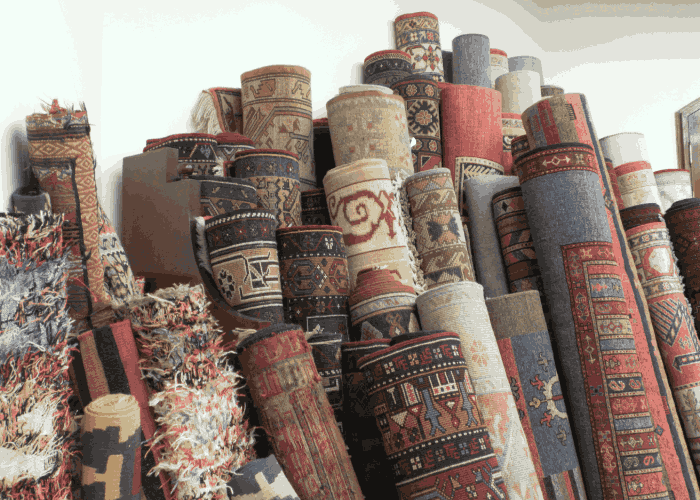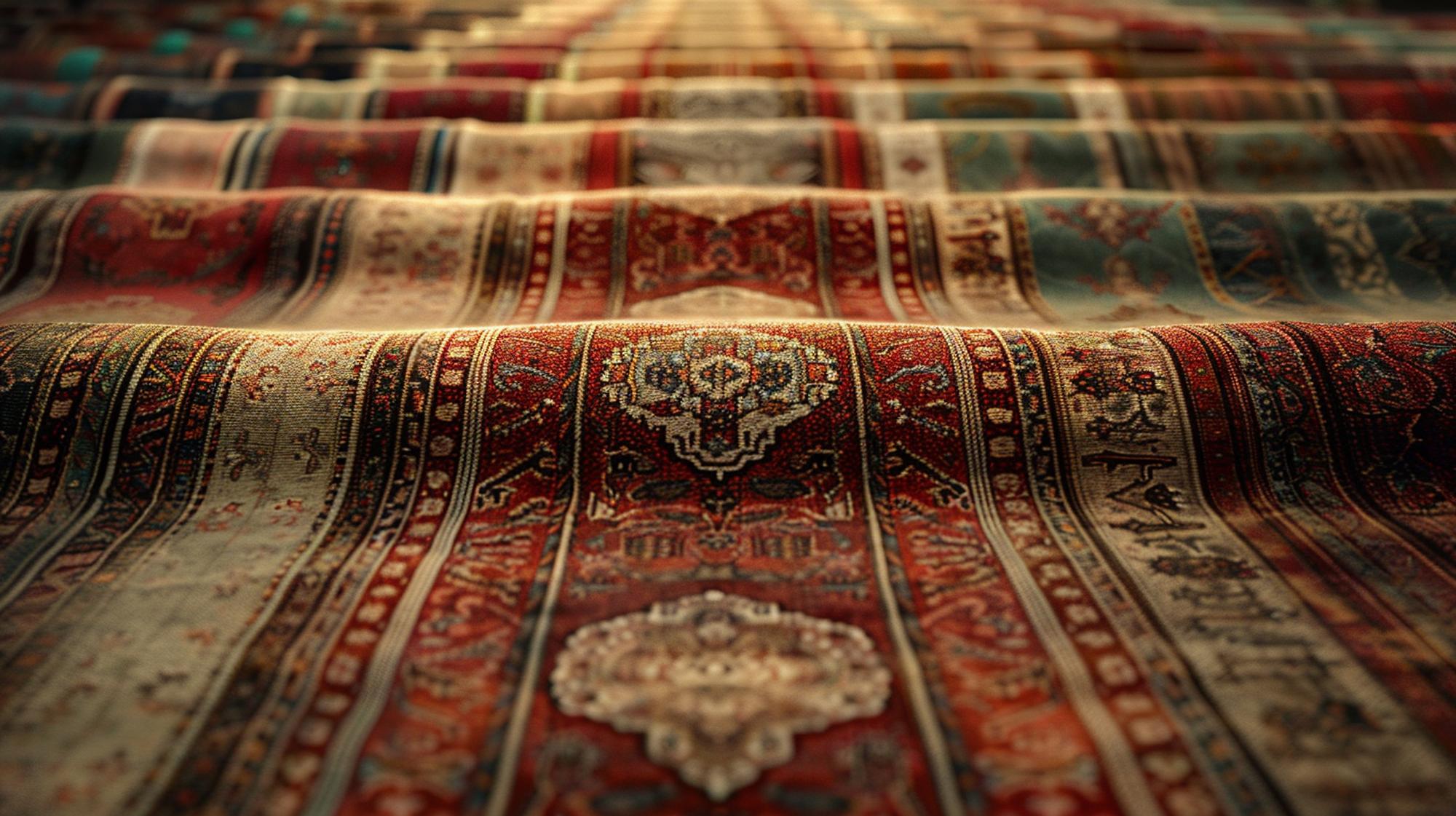
You are about to discover a world where luxury is woven into every fiber, where history is told through intricate patterns, and where artistic expression transforms a mere floor covering into a captivating masterpiece. Imagine a piece that not only anchors your room but also tells a story of generations of skill and dedication. This is the profound allure of premium Indian carpets, which are now undeniably taking center stage in the global design landscape.
These exquisite creations are far more than just decorative items; they are investments in beauty, heritage, and unparalleled craftsmanship. You are invited to explore why discerning homeowners, interior designers, and art enthusiasts worldwide are increasingly drawn to the sophisticated charm and enduring quality of these magnificent textiles. Prepare to understand the unique journey and remarkable appeal of a true luxury Indian carpet.
The Enduring Legacy of Indian Carpet Weaving
The story of Indian carpet weaving is a rich tapestry, dating back centuries and deeply intertwined with the nation’s cultural and artistic heritage. This tradition has been passed down through generations, evolving yet always retaining its core essence of meticulous artistry. Understanding this legacy helps you appreciate the profound value of each premium piece.
A Journey Through Time: From Ancient Roots to Mughal Grandeur
Carpet weaving in India has ancient roots, with evidence suggesting its practice even before the arrival of the Mughals. However, it was during the Mughal Empire, particularly under Emperor Akbar in the 16th century, that the art form truly flourished. Persian master weavers were brought to India, blending their sophisticated techniques with indigenous artistic sensibilities.
This fusion gave birth to a distinctive Indo-Persian style, characterized by incredibly intricate floral motifs, hunting scenes, and garden patterns. You can still see the echoes of this royal patronage in the elaborate designs and rich color palettes of many contemporary premium Indian carpets. The Mughal era established a benchmark for quality and design that continues to inspire weavers today.
Regional Tapestries: Diverse Craftsmanship Across India
India’s vast geography and diverse cultures have given rise to distinct carpet weaving traditions in various regions. Each area boasts unique characteristics, materials, and design philosophies. This regional diversity offers you an incredible array of choices when seeking a truly unique piece.
The evolution of these weaving centers, from royal workshops to modern-day artisan communities, underlines the resilience and adaptability of Indian craftsmanship. You are not just buying a carpet; you are acquiring a piece of living history.
Unmatched Craftsmanship and Quality
The true essence of a premium Indian carpet lies in the unparalleled craftsmanship and the meticulous attention to detail that goes into its creation. These are not mass-produced items; they are individual works of art, each bearing the unique touch of its maker. This dedication to quality is what sets them apart in the global market.
Hand-Knotted Excellence: A Symphony of Skill and Patience
The vast majority of premium Indian carpets are hand-knotted, a labor-intensive process that demands extraordinary skill and patience. A single carpet can take months, or even years, to complete, depending on its size and complexity. This commitment to traditional methods ensures exceptional durability and a unique aesthetic.
You will find that each knot is individually tied by hand onto a cotton or silk foundation. This intricate process creates a dense, durable pile that can withstand generations of use. The number of knots per square inch (KPSI) is a key indicator of quality, with higher knot counts signifying finer detail and greater strength.
The Finest Materials: From Lustrous Silk to Resilient Wool
The foundation of any premium carpet is the quality of its materials. Indian weavers meticulously select the finest natural fibers to ensure both beauty and longevity. This careful selection contributes significantly to the carpet’s luxurious feel and appearance.
The combination of these premium materials, expertly spun and dyed, results in carpets that are not only visually stunning but also incredibly tactile and long-lasting. You can feel the difference in quality with every step.
Artful Dyeing: A Spectrum of Enduring Hues
The colors of a premium Indian carpet are as important as its design and construction. Traditional dyeing techniques, often using natural vegetable dyes, create a rich, nuanced palette that ages beautifully over time. These dyes are derived from plants, minerals, and insects, offering an eco-friendly and authentic coloring process.
While modern synthetic dyes offer a wider range of consistent colors, many premium carpets still utilize vegetable dyes for their unique depth and subtle variations. You will notice that natural dyes often possess a unique luminosity and a gentle fading quality, known as “abrash,” which adds character and authenticity to the carpet. This careful attention to color ensures that your carpet remains vibrant and captivating for decades.
Why Invest in a Premium Indian Carpet?
Choosing a premium Indian carpet is more than just a purchase; it’s an investment in art, heritage, and enduring quality. You are not simply buying a floor covering but acquiring a piece that will enrich your home and potentially become a cherished family heirloom. Let’s explore the compelling reasons why these carpets are an excellent choice.
Durability and Longevity: An Heirloom for Generations
One of the most compelling reasons to invest in a hand-knotted Indian carpet is its exceptional durability. Unlike machine-made rugs that are often glued or tufted, hand-knotted carpets feature individually tied knots that create a robust, resilient pile. This construction allows them to endure heavy foot traffic and resist wear and tear for many decades.
With proper care, a premium Indian carpet can easily last for generations, becoming an heirloom that tells stories across time. You are investing in an item that is built to last, maintaining its beauty and structural integrity for years to come. This longevity makes it a sustainable choice, reducing the need for frequent replacements.
Artistic Value and Uniqueness: A Story Woven in Every Thread
Each premium Indian carpet is a unique work of art, reflecting the individual skill and artistic vision of its weaver. No two hand-knotted carpets are exactly alike, even if they share the same design. This inherent uniqueness adds immense artistic value, setting them apart from mass-produced alternatives.
You are acquiring a piece that carries a narrative—the story of its design, the hands that wove it, and the cultural traditions it represents. The intricate patterns, vibrant colors, and subtle imperfections of a handmade piece contribute to its distinct character. This individuality ensures that your carpet will be a conversation starter and a true focal point in your home.
Enhancing Your Interior Design: A Touch of Sophistication and Warmth
A premium Indian carpet has the power to transform any room, adding warmth, texture, and a profound sense of sophistication. It acts as an anchor for your decor, defining the space and tying together various design elements. You can use it to create a cozy nook or to designate distinct zones within an open-plan layout.
Whether your style is traditional, contemporary, bohemian, or eclectic, there’s an Indian carpet that will complement and elevate your aesthetic. A richly patterned rug can introduce a sense of grandeur, while a more subdued, abstract design can add modern elegance. The tactile experience of wool or silk underfoot also contributes to the overall comfort and luxury of your living environment.
Ethical and Sustainable Considerations: Weaving a Better Future
In an age where conscious consumption is increasingly important, premium Indian carpets often stand out for their ethical and sustainable production practices. Many reputable manufacturers and exporters adhere to fair trade principles, ensuring that weavers receive fair wages and work in safe conditions. You are supporting artisan communities and preserving traditional crafts.
Furthermore, the use of natural materials like wool, silk, and cotton, coupled with traditional, low-impact weaving methods, makes these carpets an environmentally friendly choice. Vegetable dyes, when used, further reduce the ecological footprint. By choosing a premium Indian carpet, you are not only decorating your home but also contributing to a more equitable and sustainable global economy.
Key Characteristics of Premium Indian Carpets
Understanding the specific attributes that define a premium Indian carpet will empower you to make an informed choice. These characteristics go beyond mere aesthetics, speaking to the carpet’s quality, craftsmanship, and long-term value. You should familiarize yourself with these indicators to truly appreciate what you are investing in.
Knot Density: The Measure of Finesse
Knot density, often expressed as knots per square inch (KPSI) or knots per square centimeter (KPSC), is a critical indicator of a carpet’s quality and intricacy. It refers to the number of knots hand-tied into the carpet’s foundation. Higher knot counts generally signify a finer weave, greater detail in the design, and increased durability.
A carpet with a high KPSI will feature more intricate patterns and a more detailed, crisp design. It will also feel denser and more substantial underfoot. While knot density is important, it should always be considered alongside material quality and artistic merit. You will find that premium carpets typically boast a KPSI ranging from 100 to over 500.
Material Composition: The Foundation of Luxury
The fibers used in a carpet’s pile determine its feel, sheen, durability, and overall luxuriousness. Premium Indian carpets primarily utilize three exquisite natural fibers:
The choice of material will significantly impact the carpet’s appearance, feel, and its suitability for different areas in your home.
Dyeing Techniques: Color That Lasts
The methods used to color the yarns play a crucial role in the carpet’s aesthetic appeal and longevity.
Both types of dyes can be used in premium carpets, with the choice often influencing the desired aesthetic and historical accuracy of the design.
Weaving Regions and Their Distinct Styles
As discussed, different regions in India specialize in particular styles and techniques.
Understanding these regional distinctions allows you to appreciate the specific artistry and heritage embedded in your carpet. You can choose a piece that resonates with your personal style and appreciation for cultural diversity.
Here is a table summarizing some key characteristics across different premium Indian carpet types:
| Characteristic | Kashmiri Silk Carpet | Bhadohi Wool Carpet (Persian Design) | Jaipur Wool Carpet (Traditional) |
|---|---|---|---|
| Primary Material | 100% Pure Silk | High-Quality Wool (e.g., New Zealand Wool) | High-Quality Wool (often indigenous) |
| Typical Knot Density (KPSI) | 300 – 800+ | 100 – 300 | 80 – 250 |
| Common Designs | Intricate Floral, Paisley, Chinar motifs | Classic Persian (Isfahan, Tabriz, Kashan), Medallion, All-over patterns | Vibrant Geometric, Floral, Animal motifs, Mughal-inspired |
| Typical Color Palette | Lustrous, jewel tones, subtle pastels | Rich, earthy tones, deep reds, blues, creams | Bright, bold colors, often with contrasting highlights |
| Texture/Feel | Extremely soft, smooth, silky, light-reflective | Soft, dense, resilient, warm | Firm, durable, slightly coarse (depending on wool type) |
| Best Suited For | Low-traffic areas, decorative accents, wall hangings | Medium to high-traffic areas, living rooms, dining rooms | Medium-traffic areas, vibrant spaces, eclectic decor |
Selecting Your Perfect Premium Indian Carpet
Choosing a premium Indian carpet is an exciting journey, and with so many exquisite options available, it’s helpful to approach the selection process thoughtfully. By considering a few key factors, you can ensure that you find a carpet that perfectly complements your space and lifestyle. You are about to make a significant and beautiful addition to your home.
Consider Your Space: Size and Shape Matter
Before you even begin to look at patterns and colors, evaluate the room where the carpet will reside. Determine the ideal size and shape to define your area effectively. A carpet too small can make a room feel disjointed, while one too large can overwhelm it.
Measuring your space accurately is the first crucial step to finding the right fit. You want your carpet to enhance, not detract from, the room’s proportions.
Color Palette and Style: Harmonizing with Your Decor
The color and style of your carpet will significantly impact the room’s atmosphere. Think about your existing decor and the mood you wish to create. Do you want the carpet to be a bold statement piece or a subtle backdrop?
Remember that lighting can affect how colors appear, so viewing carpet samples in your home’s natural and artificial light can be very beneficial.
Material Choice: Traffic, Feel, and Budget
The material of your carpet impacts its durability, feel, and price point. Consider the intended use of the room and your personal preferences.
Your budget will also play a role, as silk carpets are generally more expensive than wool due to the cost of raw materials and the intricate weaving required.
Vetting Suppliers: Authenticity and Trust
When investing in a premium Indian carpet, choosing a reputable and trustworthy supplier is paramount. You want to ensure authenticity, quality, and ethical sourcing.
By carefully considering these aspects, you can confidently select a premium Indian carpet that you will cherish for a lifetime. You are making an investment in beauty, craftsmanship, and a piece of cultural history.
Conclusion
You have journeyed through the rich history, unparalleled craftsmanship, and profound aesthetic appeal of premium Indian carpets. From their enduring legacy under Mughal patronage to their diverse regional artistry, these magnificent textiles are truly in a league of their own. They stand as a testament to generations of skill, dedication, and artistic innovation.
Investing in a premium Indian carpet means bringing home a piece of art that offers exceptional durability, unique artistic value, and the power to transform your living space with warmth and sophistication. Furthermore, you are supporting ethical practices and sustainable craftsmanship, contributing to the livelihoods of skilled artisans. These carpets are more than just functional items; they are heirlooms, conversation starters, and profound expressions of cultural beauty.
As you consider enhancing your home, remember the unique story and enduring luxury that a premium Indian carpet can offer. It is an investment that transcends fleeting trends, promising to enrich your life and your home for generations to come. Allow yourself to roll out the luxury and experience the timeless elegance of these extraordinary creations.
Frequently Asked Questions (FAQ)
Here are some common questions you might have about premium Indian carpets. Understanding these aspects will help you care for your carpet and appreciate its value even more.
Q1: How do I clean and maintain my premium Indian carpet?
A1: Regular vacuuming with a brush attachment (without a beater bar) is essential to remove dirt and dust. For spills, blot immediately with a clean, white cloth; avoid rubbing. For deeper cleaning, it is highly recommended to hire a professional carpet cleaner specializing in hand-knotted rugs, typically every 3-5 years.
Q2: What is the difference between a hand-knotted and a hand-tufted carpet?
A2: A hand-knotted carpet is made by individually tying knots onto a foundation, a labor-intensive process resulting in extreme durability and value. The fringe is an extension of the carpet’s foundation. A hand-tufted carpet involves punching yarn through a fabric backing with a tool, then securing it with latex glue and a secondary backing. Hand-tufted rugs are generally less durable and valuable, and their fringes are usually sewn on.
Q3: Are premium Indian carpets suitable for high-traffic areas?
A3: Yes, many premium Indian carpets, especially those made from high-quality wool with a good knot density, are very durable and suitable for high-traffic areas like living rooms and hallways. Silk carpets, while durable in their own right, are generally best reserved for lower-traffic areas due to their delicate sheen and higher cost.
Q4: How can I tell if an Indian carpet is truly premium and hand-knotted?
A4: Look for irregularities on the back of the carpet, which indicate hand-tying. The pattern on the back should be as clear as the front, though less defined. The fringe should be an integral part of the carpet’s foundation, not sewn on. High knot density, the quality of materials (e.g., fine wool, pure silk), and the reputation of the dealer are also key indicators.
Q5: What is “knot density” and why is it important?
A5: Knot density refers to the number of knots per square inch (KPSI) or square centimeter (KPSC) in a hand-knotted carpet. It’s important because a higher knot density generally indicates a finer, more intricate design, greater detail, and enhanced durability. While not the only factor, it’s a strong indicator of the craftsmanship and overall quality of the carpet.