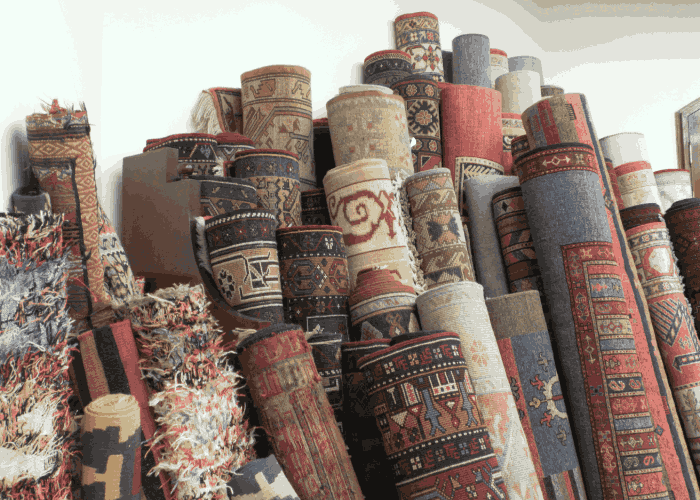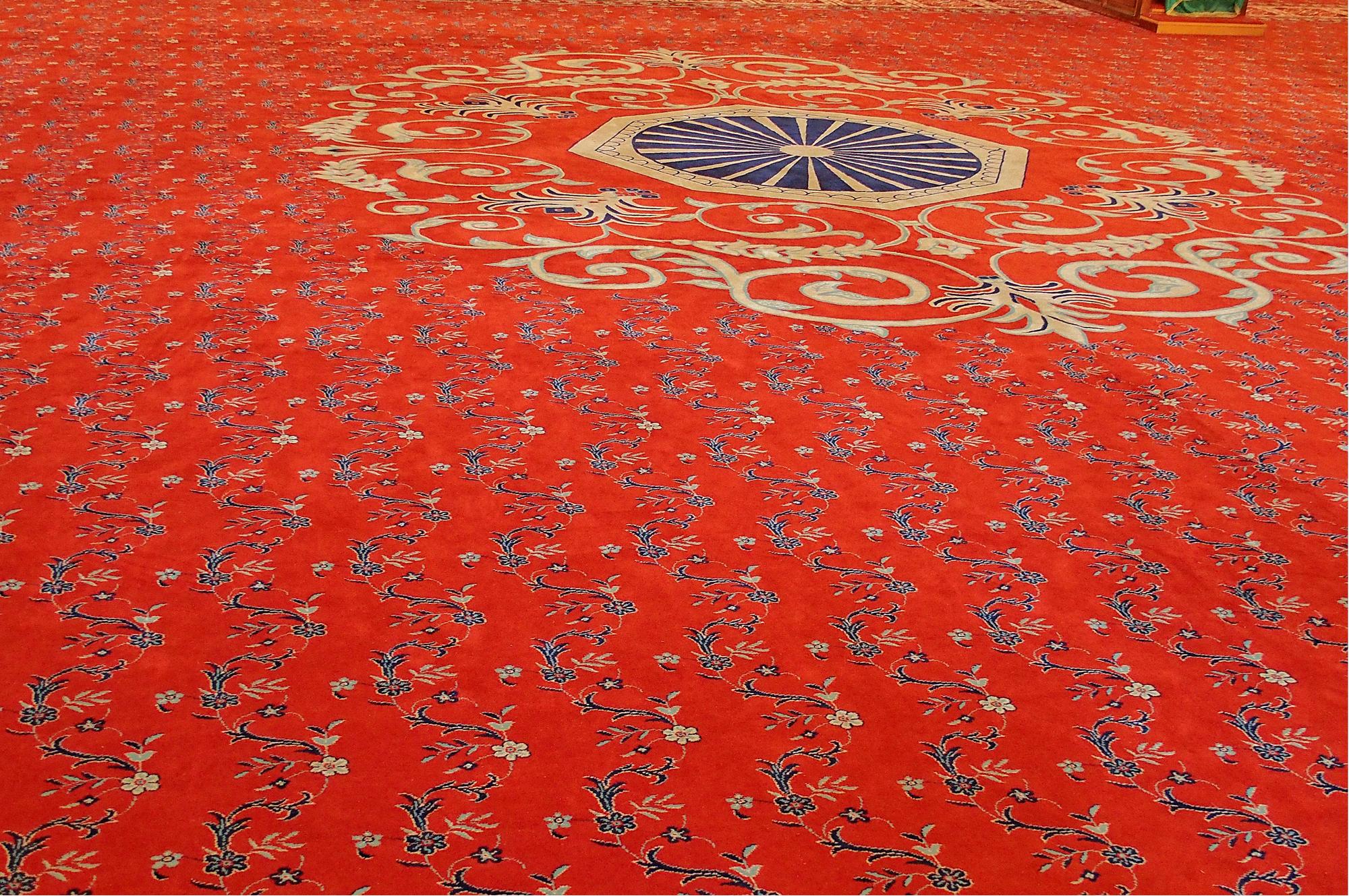
You have witnessed the breathtaking spectacle of the Met Gala, where fashion transcends mere clothing to become a profound statement of art, culture, and luxury. Each gown, each accessory, is a meticulously crafted masterpiece, telling a story of heritage, innovation, and unparalleled skill. Imagine bringing that same level of exquisite artistry, deep historical resonance, and undeniable opulence directly into your own living space.
This is precisely what a premium Indian carpet offers you. Far more than just a floor covering, it is a magnificent tapestry woven with centuries of tradition, unparalleled craftsmanship, and the finest natural materials. Join us on a journey to discover how these stunning creations, much like the haute couture gracing the Met Gala red carpet, embody global allure and become the ultimate statement piece in your home.
The Enduring Legacy of Indian Carpets
Indian carpets possess a rich history that stretches back millennia, evolving through various empires and cultural influences. Their story is one of continuous artistic innovation, passed down through generations of skilled artisans. You are not just acquiring a carpet; you are investing in a piece of living history.
A Tapestry of History and Craftsmanship
The origins of carpet weaving in India can be traced to ancient times, with early examples showing sophisticated techniques. However, it was during the Mughal Empire, particularly under Emperor Akbar in the 16th century, that carpet weaving truly flourished. Persian master weavers were brought to India, blending their intricate designs with indigenous Indian motifs and artistic sensibilities.
This fusion created a unique style, characterized by dense knotting, vibrant colors, and elaborate patterns. Generations of artisan families have dedicated their lives to mastering these complex techniques. Their hands, guided by centuries of inherited knowledge, transform raw fibers into breathtaking works of art.
Every single knot is tied with precision and care, a testament to enduring human skill. This meticulous handcraft is what elevates Indian carpets far beyond mass-produced items. You can feel the dedication and history in every fiber.
From Royal Courts to Global Catwalks
Historically, Indian carpets adorned the palaces of emperors, nawabs, and maharajas, serving as powerful symbols of wealth, status, and refined taste. They graced royal chambers, audience halls, and even outdoor pavilions, setting a tone of unparalleled grandeur. The intricate designs often depicted garden scenes, hunting motifs, and floral patterns, mirroring the beauty of their surroundings.
Today, this legacy of luxury and distinction continues. Premium Indian carpets are sought after by interior designers, collectors, and discerning homeowners worldwide. They are featured in high-end design magazines, luxury hotels, and exclusive residences, much like a haute couture garment on a fashion runway.
The sophisticated patterns and rich textures resonate with contemporary design aesthetics. They provide a grounding elegance that complements both traditional and modern interiors. When you select an Indian carpet, you are choosing an item revered for its beauty and prestige across cultures and centuries.
The Artistry Behind Every Knot: What Makes Them Premium?
What truly distinguishes a premium Indian carpet from an ordinary one lies in the meticulous attention to detail at every stage of its creation. From the selection of raw materials to the final knot, excellence is paramount. You deserve to understand the depth of skill and quality that goes into your investment.
Superior Materials: The Foundation of Luxury
The quality of a carpet begins with its core materials. Premium Indian carpets utilize only the finest natural fibers, ensuring longevity, luxurious feel, and vibrant color retention. This commitment to superior materials is non-negotiable for true luxury.
Beyond the fibers themselves, the dyeing process is critical. Premium carpets use natural, vegetable-based dyes or high-quality synthetic dyes that are colorfast and resistant to fading. Natural dyes, derived from plants, insects, and minerals, offer a unique depth and subtle variation in color that cannot be replicated by synthetic alternatives. This ensures your carpet retains its beauty for generations.
Intricate Weaving Techniques: A Symphony of Skill
The method of construction is perhaps the most significant factor in determining a carpet’s premium status and durability. Handcrafted techniques, honed over centuries, are at the heart of Indian carpet artistry. You are investing in skills that are increasingly rare in a mass-produced world.
* Persian (Senneh) Knot: Asymmetrical, this knot allows for more intricate and curvilinear designs.
* Tibetan Knot: Symmetrical, often used for bolder, more geometric patterns.
The knot count per square inch (KPSI) is a key indicator of quality. A higher KPSI signifies a denser weave, finer detail, and greater durability. This meticulous process can take months, or even years, for a single large carpet to be completed.
Each technique imparts a distinct character and feel to the carpet. Understanding these methods helps you appreciate the true value and artistry inherent in a premium piece.
Iconic Designs and Motifs: A Visual Language
Indian carpets are renowned for their breathtaking array of designs, each telling a story and reflecting a rich cultural heritage. From timeless classics to contemporary interpretations, there is a design to captivate every aesthetic. You can find a pattern that speaks directly to your personal style.
* Paisley (Boteh): A droplet-shaped vegetable motif, often interpreted in various sizes and colors.
* Floral and Vine Patterns: Lush depictions of flowers like lotus, jasmine, and rose, intertwined with delicate vines, creating a sense of natural beauty and abundance.
* Animal Figures: Stylized representations of elephants, tigers, deer, and birds, often incorporated into hunting scenes or garden motifs, reflecting the rich wildlife of India.
* Architectural Elements: Designs inspired by arches, domes, and minarets found in Mughal architecture.
* Kashmiri Carpets: Known for their intricate designs, often featuring delicate floral patterns and a high silk content, resulting in a luxurious sheen.
* Mirzapur and Bhadohi Carpets: These regions in Uttar Pradesh are major carpet weaving hubs, producing a wide range of styles from traditional Persianate designs to contemporary patterns, often in wool.
* Jaipur Carpets: Famous for their vibrant colors and traditional Mughal-inspired patterns, often incorporating stylized animal and floral motifs.
The choice of design allows you to express your personality and enhance your home’s narrative. Each carpet is a unique artistic statement.
Why Invest in a Premium Indian Carpet?
Choosing a premium Indian carpet is more than a purchase; it is an investment in beauty, heritage, and lasting value. You are not just decorating your floor; you are enriching your life and your home.
An Heirloom for Generations
Unlike mass-produced items that quickly lose their appeal or wear out, a premium Indian carpet is built to last. The superior materials and hand-knotted construction ensure exceptional durability. With proper care, these carpets are designed to withstand daily life for decades, even centuries.
Many hand-knotted carpets, particularly those with high knot counts and made from excellent materials, can appreciate in value over time. They are considered collectible art pieces, much like paintings or sculptures. This means your investment can potentially grow, making it a wise financial decision as well as an aesthetic one.
Imagine passing down a magnificent carpet to your children or grandchildren. Each carpet carries a story, becoming a cherished part of your family’s history and traditions. It is a tangible link to the past and a beautiful legacy for the future.
Transforming Your Space: Aesthetics and Ambiance
A premium Indian carpet has an unparalleled ability to transform any room it inhabits. It introduces warmth, texture, and a burst of color that instantly elevates the entire space. You will notice the difference immediately.
The right carpet can completely alter the mood and character of a room, creating an ambiance that is both sophisticated and welcoming. It reflects your personal taste and discerning eye.
Underfoot Luxury: Comfort and Well-being
Beyond their visual appeal, premium Indian carpets offer tangible benefits for your comfort and well-being. You will appreciate the subtle yet significant improvements they bring to your daily living.
Investing in a premium Indian carpet is about enhancing your home in every possible way—aesthetically, historically, and comfortably. It is a choice for enduring quality and timeless elegance.
Navigating the World of Premium Indian Carpets: A Buyer’s Guide
Embarking on the journey to find your perfect Indian carpet can be exciting. With a little knowledge, you can confidently select a piece that brings you joy for years to come. We want to empower you with the insights you need.
Understanding Quality Indicators
When evaluating a premium Indian carpet, several key indicators help determine its quality and value. Knowing these will allow you to make an informed decision.
These indicators provide a framework for assessing the true premium nature of a carpet. Do not hesitate to ask questions.
Choosing the Perfect Carpet for Your Home
Selecting the right carpet involves considering both practical aspects and your personal aesthetic preferences. Imagine how it will integrate into your existing decor.
Take your time, bring home samples if possible, and visualize the carpet in your space. The right choice will feel instinctively correct.
Care and Maintenance for Lasting Beauty
Proper care is essential to preserve the beauty and longevity of your premium Indian carpet. With a few simple practices, you can ensure it remains a stunning centerpiece for decades.
By following these care guidelines, you are actively protecting your investment and ensuring its beauty endures.
The Global Footprint and Economic Impact
India’s position as a global leader in carpet manufacturing is not just a testament to its rich heritage but also to its significant economic contribution. The allure of Indian carpets extends far beyond its borders.
India’s Dominance in the Global Carpet Market
India is one of the largest exporters of handmade carpets globally, with its products reaching homes and businesses in every corner of the world. This industry is a vital economic pillar, supporting millions of livelihoods. The sheer volume and diversity of production are staggering.
The industry is largely decentralized, with clusters of weaving communities specializing in different types of carpets. This structure allows for a blend of traditional techniques and modern production efficiencies. The government also supports the industry through various initiatives, promoting exports and skill development.
This robust export market highlights the consistent global demand for the quality, artistry, and value that Indian carpets offer. You are participating in a global tradition when you choose one of these magnificent pieces.
Key Export Destinations for Indian Carpets
The global demand for Indian carpets is diverse, with a strong presence in developed economies. The following table provides an illustrative overview of key export destinations, showcasing the worldwide appreciation for this art form.
| Export Destination | Approximate Market Share (Illustrative) | Key Demand Drivers |
|---|---|---|
| United States | 35-40% | High disposable income, large residential market, diverse interior design trends. |
| Germany | 10-15% | Strong appreciation for quality craftsmanship, traditional and contemporary designs. |
| United Kingdom | 8-12% | Historical trade ties, demand for luxury home furnishings, classic styles. |
| Canada | 5-8% | Similar to US market, growing demand for sustainable and handmade products. |
| Australia | 4-6% | Expanding housing market, interest in unique, handcrafted decor. |
| France | 3-5% | Luxury market, appreciation for artistic and cultural heritage. |
Note: These percentages are illustrative and can vary annually based on economic factors and market trends.
The industry also plays a crucial role in employment generation, particularly in rural areas. Millions of artisans, from weavers and dyers to designers and finishers, depend on this industry for their livelihood. Many companies are increasingly focusing on ethical sourcing and fair trade practices, ensuring that the artisans receive fair wages and work in safe conditions. This commitment to social responsibility adds another layer of value to your purchase.
Conclusion
Just as the Met Gala showcases the pinnacle of fashion artistry, premium Indian carpets bring that same level of global allure, historical depth, and exquisite craftsmanship into your home. They are not merely decorative items; they are investments in art, culture, and timeless beauty. You are choosing a piece that tells a story, enriches your space, and provides luxurious comfort.
From the ancient traditions of hand-knotting to the vibrant tapestry of designs, every aspect of an Indian carpet reflects unparalleled dedication and skill. You gain an heirloom that can be cherished for generations, enhancing your living environment with its unique character and profound elegance. Embrace the opportunity to transform your home with a masterpiece that mirrors the world’s most coveted treasures.
Let the global allure of premium Indian carpets inspire you to bring this extraordinary artistry into your life. Your home deserves nothing less than such a magnificent statement of style and heritage.
Frequently Asked Questions (FAQ)
Here are some common questions you might have about premium Indian carpets. We aim to provide you with clear and concise answers.
What is the difference between hand-knotted and hand-tufted carpets?
Hand-knotted carpets are made by individually tying each knot onto the warp threads, a highly labor-intensive process creating a dense, durable pile. They are generally more expensive and last for centuries. Hand-tufted carpets are made by punching yarn through a fabric backing with a hand-operated tool, and the loops are then often cut to create a pile. While still handmade, they are less durable and valuable than hand-knotted carpets.
How do I know if a carpet is truly premium?
Look for several indicators: a high knot count (KPSI), the use of superior natural materials like high-quality wool or silk, rich and consistent dye quality, and a reputable seller who can provide details about the carpet’s origin and construction. The back of a hand-knotted carpet will show distinct, individual knots.
What are the best materials for a durable Indian carpet?
High-quality wool, particularly New Zealand or Merino wool, is excellent for durability, resilience, and natural stain resistance. For a blend of durability and luxurious softness, a wool-silk blend is also a fantastic choice. Cotton is typically used for the strong foundation of hand-knotted carpets.
How often should I clean my Indian carpet?
Regular vacuuming (weekly) is essential for daily maintenance. For deeper cleaning, professional cleaning by a rug specialist is recommended every 1-3 years, depending on foot traffic and any spills. Avoid using harsh chemical cleaners or steam cleaners on delicate, hand-knotted rugs.
Can Indian carpets increase in value over time?
Yes, many premium hand-knotted Indian carpets, especially those made with fine materials, intricate designs, and high knot counts, can appreciate in value over time. They are often considered collectible art pieces, similar to antiques or fine art, particularly if they are well-preserved and unique.