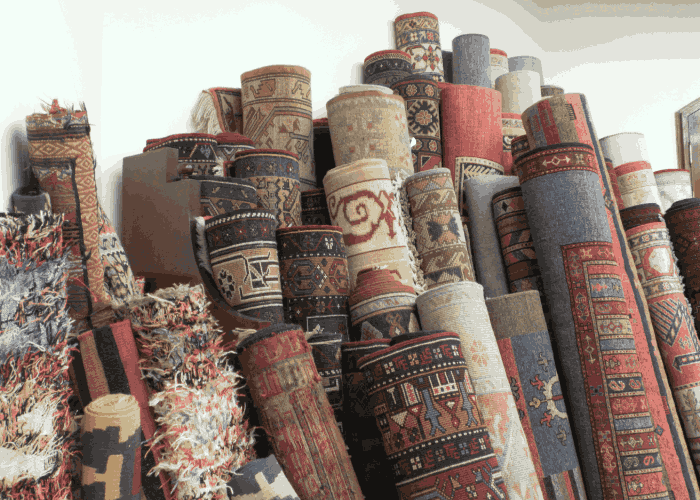
Imagine the world’s most exclusive red carpet event, a dazzling spectacle where fashion, art, and culture converge. The Met Gala, synonymous with unparalleled luxury and intricate detail, sets a global standard for excellence.
While the gowns and jewelry often steal the spotlight, have you ever considered the unseen elements that complete such a high-stakes tableau? The truth is, the world of premium luxury is often built on foundations of exquisite craftsmanship, much of which originates from unexpected corners of the globe.
In this comprehensive article, you will discover the remarkable journey of ‘Made in India’ premium carpets, how their unparalleled artistry and quality are earning them global acclaim, and why they are the silent heroes gracing the most prestigious spaces worldwide, from celebrity homes to international design showcases.
The Unseen Artistry Behind Global Glamour
Luxury is not merely about what meets the eye; it’s about the story, the heritage, and the meticulous hands that bring an item to life. When you think of high-end design, you envision pieces that are unique, durable, and imbued with a sense of timeless elegance.
The Met Gala, with its annual themes and breathtaking displays, epitomizes this pursuit of perfection. Every detail, from the lighting to the floral arrangements, is curated to create an immersive, awe-inspiring experience.
It is within this sphere of discerning taste that ‘Made in India’ premium carpets have quietly carved out an indispensable niche. They are the unsung heroes, providing the luxurious underfoot experience that defines true opulence.
You might not see them explicitly labeled on a red carpet, but their influence is undeniable in the global luxury market. These carpets represent a pinnacle of artistic expression and artisanal skill, consistently chosen by top interior designers and luxury brands around the world.
A Legacy Woven in Time: The Heritage of Indian Carpets
The story of Indian carpets is deeply intertwined with centuries of history, culture, and artistic evolution. It is a narrative of enduring skill passed down through generations, transforming raw materials into breathtaking works of art.
This rich heritage is a primary reason why ‘Made in India’ carpets hold such a prestigious position today. You are not just acquiring a floor covering; you are investing in a piece of living history.
Historical Roots and Royal Patronage
Carpet weaving arrived in India with the Mughal Empire in the 16th century, primarily under the patronage of Emperor Akbar. He brought Persian weavers to India, who then trained local artisans, leading to a unique fusion of Persian designs with indigenous Indian motifs.
The Mughal courts became epicenters of exquisite carpet production, demanding intricate designs, vibrant colors, and the finest materials. These early carpets were status symbols, adorning palaces and royal tents, showcasing the wealth and artistic sensibilities of the rulers.
Over time, local styles and techniques emerged, giving rise to distinct regional weaving traditions. Each region developed its own signature, from the bold patterns of Amritsar to the delicate floral motifs of Agra.
From Mughal Courts to Modern Mansions
While the imperial patronage of the Mughals waned, the art of carpet weaving persisted and evolved. British colonial rule also influenced designs, introducing European aesthetics that were then skillfully blended with traditional Indian artistry.
Today, Indian carpet manufacturers continue to honor these historical techniques while embracing contemporary design trends. You will find carpets that echo ancient patterns alongside those that are strikingly modern, minimalist, or abstract.
This adaptability is a testament to the versatility and enduring appeal of Indian craftsmanship. It ensures that these carpets remain relevant and coveted in a constantly evolving global design landscape, gracing everything from heritage homes to sleek, modern penthouses.
What Makes ‘Made in India’ Premium Carpets Stand Out?
When you choose a premium carpet, you are seeking more than just aesthetics; you demand quality, durability, and a story. ‘Made in India’ carpets excel in every one of these aspects, setting them apart in the competitive global market.
Their distinction lies in a combination of unparalleled craftsmanship, superior materials, diverse techniques, and a commitment to ethical practices. Let’s delve into the specific attributes that make them truly exceptional.
Unparalleled Craftsmanship: The Human Touch
The core of ‘Made in India’ premium carpets is the human element. Unlike mass-produced alternatives, most high-end Indian carpets are painstakingly hand-knotted or hand-tufted by skilled artisans.
This labor-intensive process is a true art form, requiring years of training and an unwavering commitment to detail. Each knot is individually tied, creating a dense, durable, and incredibly luxurious pile.
Consider the sheer number of knots per square inch (KPSI), a key indicator of quality. Premium Indian carpets often boast KPSI counts ranging from 100 to over 500, with some exceptional pieces exceeding 1000 KPSI. A higher KPSI means a more intricate design, greater durability, and a finer, softer texture.
This meticulous handcrafting ensures that no two carpets are exactly alike. You own a unique piece of art, a testament to the artisan’s individual skill and dedication, making it a truly personal acquisition.
Superior Natural Materials: A Foundation of Quality
The quality of a carpet begins with its raw materials. Indian premium carpet manufacturers are renowned for their discerning selection of natural fibers, ensuring longevity, comfort, and a luxurious feel.
- Wool: Often sourced from New Zealand, Merino, or indigenous Indian sheep, premium wool is celebrated for its resilience, natural stain resistance, and soft texture. It retains its shape, resists crushing, and ages beautifully.
- Silk: For unparalleled softness, sheen, and intricate detail, silk is the fiber of choice. Hand-knotted silk carpets are exquisite, reflecting light beautifully and offering a luxurious feel underfoot. They are often used for highly decorative pieces.
- Cotton: Frequently used for the foundation (warp and weft) of hand-knotted carpets, cotton provides stability and strength. It can also be used in the pile, particularly for flat-weave Dhurries, offering a durable and breathable option.
- Jute & Hemp: Increasingly popular for their sustainable and eco-friendly properties, these natural fibers offer a rustic yet refined aesthetic. They are durable and add a textural dimension to contemporary designs.
The careful selection and blending of these natural fibers contribute significantly to the carpet’s overall quality, feel, and environmental footprint. You can be confident that your carpet is made from the finest, most sustainable resources available.
Diverse Weaving Techniques and Designs: A Spectrum of Style
India’s carpet industry is a melting pot of weaving techniques and design philosophies, offering an incredibly diverse range to suit any aesthetic preference. This versatility is a major draw for international buyers and designers.
- Hand-Knotted: The most traditional and labor-intensive method, producing highly durable and intricate carpets. Designs range from classic Persian and Mughal patterns to contemporary abstract art.
- Hand-Tufted: A slightly faster method where yarn is punched through a fabric backing, then secured with latex. This allows for a wider range of textures and cut-pile designs, offering excellent quality at a more accessible price point than hand-knotted.
- Hand-Woven (Flat Weave): Techniques like Dhurries produce reversible, lightweight carpets without a pile. They are versatile, durable, and come in a vast array of geometric, striped, and abstract patterns.
Beyond technique, the design repertoire is boundless. You can find carpets that feature:
- Traditional Persian and Mughal Motifs: Elaborate medallions, intricate floral patterns, and borders that tell stories.
- Indo-Tibetan Designs: Bold geometric patterns, auspicious symbols, and vibrant color palettes.
- Contemporary & Abstract Art: Modern interpretations, minimalist designs, and abstract expressions that fit seamlessly into modern interiors.
- Transitional Styles: A beautiful blend of classic motifs with modern color schemes or simplified patterns.
This incredible breadth ensures that you can find the perfect carpet to complement your specific design vision, whether you are furnishing a traditional estate or a cutting-edge urban loft.
Ethical Sourcing and Sustainability: Conscience and Quality
In today’s world, luxury is increasingly defined by ethical responsibility. Premium Indian carpet manufacturers are at the forefront of sustainable and fair trade practices, appealing to a global clientele that values conscious consumption.
Many manufacturers adhere to strict labor standards, ensuring fair wages, safe working conditions, and the absence of child labor. Certifications from organizations like GoodWeave International provide transparency and assurance to you, the consumer.
Furthermore, there is a growing emphasis on environmentally friendly production. This includes using natural dyes, minimizing water usage, and sourcing sustainable fibers. When you choose a ‘Made in India’ premium carpet, you are often supporting not just exceptional artistry but also a responsible global supply chain.
The Journey to Global Acclaim: Why International Buyers Choose India
The global recognition of ‘Made in India’ premium carpets isn’t accidental. It’s the result of strategic advantages, unwavering quality, and an ability to meet the unique demands of the high-end international market.
You might wonder why designers and luxury brands from New York to London and Dubai consistently turn to India. The reasons are compelling and multifaceted.
Customization and Bespoke Creations: Your Vision, Woven
One of the most significant advantages India offers is its unparalleled capacity for customization. For high-end interior designers, architects, and private clients, the ability to commission a bespoke carpet is invaluable.
Indian manufacturers can translate intricate design briefs into reality, creating carpets that perfectly match specific color palettes, dimensions, patterns, and textures. Whether you need an oversized rug for a grand ballroom or a uniquely shaped piece for a custom space, Indian artisans can deliver.
This level of personalized service is crucial in the luxury market where individuality and exclusivity are paramount. You are not limited to off-the-shelf options; your carpet can be a unique reflection of your personal style or a project’s specific requirements.
Design Innovation Meets Tradition: Bridging Eras
While deeply rooted in tradition, the Indian carpet industry is also highly innovative. Manufacturers constantly experiment with new color combinations, textural variations, and contemporary design elements, often collaborating with international designers.
This dynamic approach allows them to produce carpets that are both timeless and fashion-forward. You can find pieces that seamlessly blend ancient motifs with modern minimalism, creating a ‘transitional’ style that appeals to a broad international audience.
This blend of heritage and innovation keeps Indian carpets at the cutting edge of interior design trends, ensuring their continued relevance in prestigious global projects.
Value Proposition for Luxury: An Unbeatable Combination
While ‘Made in India’ premium carpets are certainly an investment, they often offer an exceptional value proposition compared to similarly high-quality carpets from purely European or other luxury regions.
The combination of intricate hand-craftsmanship, superior natural materials, design versatility, and competitive pricing makes them incredibly attractive. You receive a product of world-class quality and artistry without the exorbitant price tag often associated with other luxury goods.
This strong value proposition allows you to acquire genuine luxury and artisanal excellence, making it a smart investment for your home or project.
Logistics and Global Reach: Seamless Delivery
The Indian carpet industry has developed robust export infrastructure and strong relationships with international shipping and logistics providers. This ensures that even the largest or most delicate custom orders can be delivered efficiently and safely worldwide.
Reputable manufacturers understand the intricacies of international trade, including packaging, customs, and delivery timelines. You can expect a smooth and professional experience from order placement to final installation.
This global supply chain reliability further solidifies India’s position as a leading exporter of premium carpets, building trust and confidence among international buyers.
To further illustrate the exceptional qualities of these carpets, consider the following key characteristics:
| Characteristic | Description | Impact on Quality & Value |
|---|---|---|
| Material Purity | Use of 100% pure virgin wool (e.g., New Zealand, Merino), high-grade silk, or organic cotton. | Ensures superior durability, softness, natural luster, and resistance to wear and tear. |
| Knot Count (KPSI) | Number of knots per square inch, indicating weaving density. Premium ranges from 100 to 500+, sometimes 1000+. | Higher KPSI means finer detail, greater durability, increased weight, and a more luxurious feel. |
| Dyeing Process | Use of natural, vegetable, or high-quality synthetic dyes that are colorfast and fade-resistant. | Ensures vibrant, lasting colors that do not bleed or fade over time, preserving the carpet’s aesthetic. |
| Design Complexity | Intricacy of patterns, number of colors used, and precision of motif execution. | Reflects the artisan’s skill and the carpet’s artistic value; more complex designs are highly prized. |
| Weaving Method | Primarily hand-knotted or high-quality hand-tufted. | Hand-knotted offers unparalleled durability and investment value; hand-tufted provides design versatility. |
| Finishing & Washing | Traditional hand-washing, shearing, and meticulous finishing processes. | Enhances luster, softens the pile, and ensures a clean, perfectly finished product ready for use. |
Beyond the Red Carpet: Integrating Indian Carpets into Your Luxury Space
You don’t need to host a Met Gala to appreciate the transformative power of a ‘Made in India’ premium carpet. These exquisite pieces can elevate any interior, adding warmth, texture, and a touch of global sophistication to your home or office.
Understanding how to choose, care for, and appreciate your carpet will ensure it remains a cherished heirloom for generations.
Choosing the Right Carpet for Your Home: A Guide to Elegance
Selecting the perfect premium carpet involves considering several factors to ensure it complements your space and lifestyle. You want a piece that not only looks stunning but also functions beautifully.
- Size and Placement: Measure your room carefully. A carpet should ideally define a seating area, extending under the front legs of furniture, or leave a consistent border around the room.
- Material: Consider the traffic in the area. Wool is excellent for high-traffic zones due to its resilience. Silk is best for low-traffic, formal areas where its delicate beauty can be fully appreciated.
- Design and Color: Reflect on your existing decor. Do you prefer a traditional, contemporary, or transitional look? Choose colors that harmonize with your furniture, walls, and overall aesthetic. Remember that a carpet can be a bold statement piece or a subtle backdrop.
- Weave Type: Hand-knotted carpets are investment pieces, offering unparalleled durability and intricate detail. Hand-tufted carpets provide a luxurious feel and design versatility at a more accessible price point. Dhurries are perfect for a casual, layered look or high-traffic areas requiring easy maintenance.
Don’t hesitate to consult with interior designers or carpet specialists. Their expertise can guide you in making the best choice for your unique space.
Care and Maintenance for Longevity: Preserving Your Investment
A premium carpet is an investment, and proper care will ensure its beauty and integrity for many years to come. You can easily maintain its pristine condition with a few simple practices.
- Regular Vacuuming: Gently vacuum your carpet at least once a week, using a brush-less suction head to avoid damaging the fibers, especially for hand-knotted or silk rugs.
- Rotate Periodically: Rotate your carpet every 6-12 months to ensure even wear and exposure to sunlight, preventing localized fading.
- Address Spills Immediately: Blot spills with a clean, white cloth. Avoid rubbing, as this can spread the stain. For stubborn stains, consult a professional carpet cleaner experienced with premium rugs.
- Professional Cleaning: Schedule professional cleaning every 2-5 years, depending on traffic and usage. Ensure the cleaner specializes in hand-knotted or delicate rugs.
- Use a Rug Pad: A quality rug pad will prevent slipping, provide extra cushioning, and protect both your carpet and the floor underneath.
By following these guidelines, you will safeguard your carpet’s beauty and extend its lifespan, allowing it to be enjoyed for generations.
The Investment Value of Hand-Knotted Carpets: More Than Just Decor
Unlike many home decor items that depreciate over time, a high-quality, hand-knotted ‘Made in India’ carpet can actually appreciate in value. This makes it not just a beautiful addition to your home, but also a tangible asset.
Factors like age, rarity, material quality, knot count, and artistic significance contribute to a carpet’s investment potential. Much like fine art, well-maintained antique or vintage hand-knotted rugs are highly sought after by collectors and connoisseurs.
When you acquire such a piece, you are not just decorating; you are investing in a legacy, a work of art that can be passed down through your family, increasing in sentimental and monetary value over time.
Conclusion
From the opulent floors of global luxury events to the intimate comfort of your own living room, ‘Made in India’ premium carpets represent a confluence of history, artistry, and unparalleled quality. You have discovered how their rich heritage, meticulous craftsmanship, and superior materials set them apart on the world stage.
The ability of Indian artisans to weave tradition with innovation, coupled with a commitment to ethical and sustainable practices, makes these carpets a preferred choice for discerning buyers worldwide. They offer not just beauty and durability, but also a piece of a vibrant cultural legacy.
As you seek to enhance your living spaces with elements of true luxury and enduring value, consider the silent elegance and profound story woven into every ‘Made in India’ premium carpet. They are, indeed, a global secret worth uncovering, transforming mere floors into canvases of extraordinary art.
Frequently Asked Questions (FAQ)
Q1: What does “premium” mean in the context of ‘Made in India’ carpets?
A1: “Premium” refers to carpets made with the highest quality natural materials (e.g., pure virgin wool, high-grade silk), exceptional craftsmanship (often hand-knotted with high knot counts), intricate designs, and ethical production practices. These carpets are built for durability, aesthetic appeal, and often hold investment value.
Q2: Are ‘Made in India’ carpets truly hand-knotted, or are some machine-made?
A2: While India produces a range of carpets, ‘premium’ ‘Made in India’ carpets are predominantly hand-knotted or hand-tufted. Hand-knotted rugs, in particular, are individual works of art created knot by knot by skilled artisans. Always verify the weaving method when purchasing a premium carpet.
Q3: How do I verify the authenticity and ethical sourcing of an Indian carpet?
A3: Look for certifications from reputable organizations like GoodWeave International, which ensures no child labor was used and fair labor practices were followed. Reputable dealers will also provide documentation regarding the carpet’s origin, materials, and craftsmanship. Ask questions about the manufacturing process and sourcing.
Q4: What’s the difference between a hand-knotted and a hand-tufted carpet?
A4: A hand-knotted carpet is made by tying individual knots onto a warp and weft foundation, a highly labor-intensive process that results in extreme durability and intricate designs. A hand-tufted carpet involves punching yarn through a fabric backing with a tool, then securing it with latex. Hand-tufted carpets are also handmade but generally less expensive and durable than hand-knotted ones.
Q5: Can ‘Made in India’ carpets be customized for specific design projects?
A5: Absolutely. One of the major strengths of the Indian carpet industry is its capacity for customization. Many premium manufacturers offer bespoke services, allowing you to specify exact dimensions, colors, materials, patterns, and even incorporate unique motifs to perfectly match your interior design vision.
Q6: How should I clean a premium Indian wool or silk carpet?
A6: For regular maintenance, gently vacuum with a brush-less suction head. For spills, blot immediately with a clean, white cloth. For deep cleaning, it is highly recommended to engage a professional carpet cleaner who specializes in hand-knotted and delicate rugs.
Avoid using harsh chemicals or steam cleaners, especially on silk, as they can damage the fibers and dyes.
Q7: Do these carpets appreciate in value over time?
A7: High-quality, hand-knotted ‘Made in India’ carpets, especially older or antique pieces made with superior materials and craftsmanship, can indeed appreciate in value over time. Factors like rarity, artistic merit, condition, and historical significance contribute to their investment potential, much like fine art or antiques. Proper care and maintenance are crucial for preserving their value.