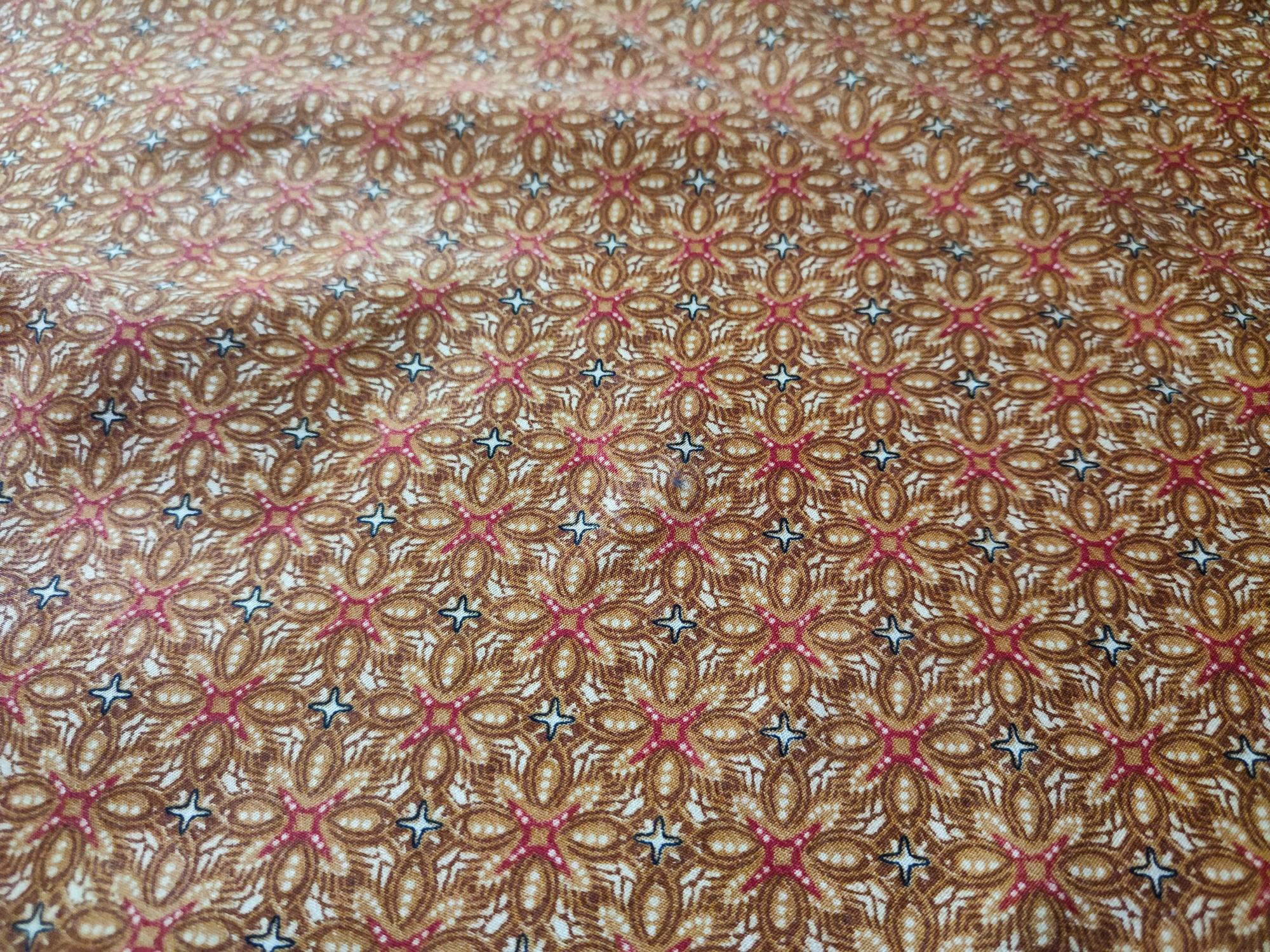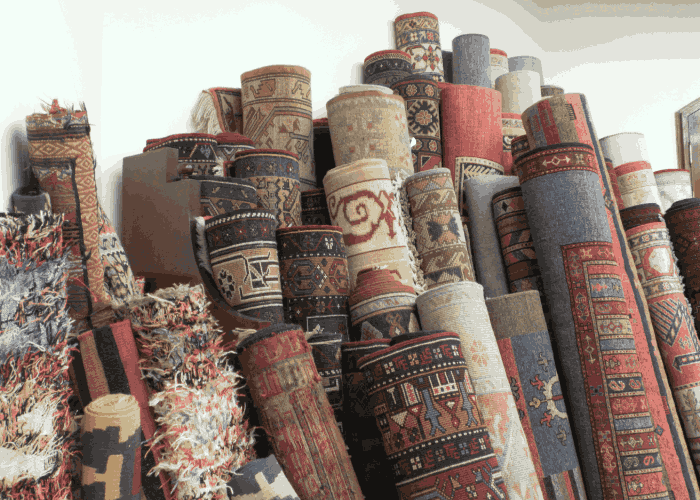
When you consider a truly exceptional piece of home décor, something that radiates history, artistry, and unparalleled quality, what comes to mind? For many discerning individuals and interior designers worldwide, the answer is often a premium Indian carpet. These aren’t just floor coverings; they are intricate narratives woven with generations of skill, cultural heritage, and a profound commitment to beauty.
You might have seen beautiful Indian carpets adorning luxurious spaces, but have you ever paused to understand the depth of their craftsmanship and the rich legacy they carry? This article invites you on a journey to explore what truly elevates these masterpieces beyond mere decoration, transforming them into a global statement of elegance and enduring value.
Discover with us the intricate details, the regional specialties, and the profound impact that make premium Indian carpets not just an acquisition, but an investment in art, tradition, and timeless style. You will learn what distinguishes a truly premium piece and why it commands respect and admiration across continents.
The Deep Roots of Indian Carpet Weaving – A Legacy of Artistry
The story of Indian carpet weaving is as rich and intricate as the patterns themselves, stretching back centuries. Its origins are steeped in ancient traditions, but it truly blossomed under the patronage of the Mughal emperors.
You might be surprised to learn that the art form flourished dramatically with the arrival of Emperor Akbar in the 16th century, who brought Persian weavers to India. This infusion of Persian techniques and aesthetics merged beautifully with indigenous Indian artistry, giving birth to a unique Indo-Persian style.
This fusion created a distinctive visual language, characterized by vibrant colors, intricate floral motifs, and sophisticated medallion designs. Over time, regional variations emerged, each reflecting the local culture, available materials, and unique artistic sensibilities of its weavers.
Today, when you encounter a premium Indian carpet, you are not just seeing a product; you are witnessing the continuation of a living legacy. You are connecting with an art form that has been perfected and passed down through countless generations, a testament to enduring human creativity.
The Hallmarks of Premium Quality – What Sets Them Apart?
What exactly distinguishes a premium Indian carpet from its lesser counterparts? It boils down to a meticulous combination of materials, craftsmanship, and artistic integrity. You will find that true quality is evident in every fiber and every knot.
Understanding these hallmarks will empower you to appreciate the true value and artistry inherent in these magnificent creations. Let’s delve into the specific elements that contribute to their global renown.
Exquisite Materials: The Foundation of Luxury
The journey of a premium Indian carpet begins with the selection of the finest raw materials. You cannot achieve exceptional quality without starting with the best possible foundation.
- Finest Wool: The most common material, premium carpets often use high-quality wool from regions like New Zealand or Merino wool, known for its softness, strength, and lustrous sheen. This wool is carefully hand-spun, which further enhances its durability and unique texture.
- Pure Silk: For carpets of unparalleled luxury and intricate detail, pure silk is the material of choice. Silk carpets offer an exquisite sheen that changes with light, incredible softness, and the ability to hold extremely fine, detailed patterns due to the thinness of the yarn.
- High-Quality Cotton: Often used for the warp and weft (the foundation threads), strong cotton ensures the structural integrity and stability of the carpet. Sometimes, cotton is also used in the pile for specific design effects or for flatweave dhurries.
- Natural Dyes: Historically, Indian carpets were colored using natural dyes derived from plants, insects, and minerals. Many premium manufacturers still adhere to this tradition, as natural dyes offer a depth of color, subtle variations, and a beautiful aging process that synthetic dyes cannot replicate. These dyes are also less prone to bleeding and fading over time.
The careful sourcing and preparation of these materials are crucial steps, ensuring that each fiber is ready to become part of a masterpiece. You will find that the quality of these raw materials directly impacts the carpet’s longevity, feel, and visual appeal.
The Art of Hand-Knotting: A Labor of Love
The true soul of a premium Indian carpet lies in its hand-knotted construction. This ancient technique is incredibly labor-intensive, requiring immense skill, patience, and dedication from the artisans. It is a process that cannot be rushed, and you can truly feel the human touch in every finished piece.
Each knot is individually tied by hand onto the warp threads, creating the carpet’s pile. This intricate process allows for unparalleled precision in design and color, making each carpet a unique work of art. The type of knot used also plays a significant role in the carpet’s characteristics.
- Persian (Senneh) Knot: This asymmetrical knot is widely used in India, particularly for finer carpets. It allows for extremely intricate designs and a high knot density, resulting in a very detailed and tightly woven surface.
- Turkish (Ghiordes) Knot: While less common in India than the Persian knot, it is sometimes used. This symmetrical knot produces a slightly coarser, more robust pile, often seen in more tribal or rustic designs.
A critical measure of quality in hand-knotted carpets is the Knot Density, often expressed as Knots Per Square Inch (KPSI). You will find that a higher KPSI indicates a finer weave, greater detail in the design, and generally a more durable and valuable carpet. While higher KPSI often correlates with higher quality, it’s not the sole determinant; the quality of materials and artistry of the design are equally important.
Consider the time involved: a single master weaver might tie thousands of knots in a day, yet a large, complex carpet can take several artisans many months, or even years, to complete. This extraordinary investment of human effort and skill is what gives premium Indian carpets their profound value and distinguishes them from machine-made alternatives.
Masterful Designs and Color Palettes
Beyond the materials and construction, it is the captivating designs and harmonious color palettes that truly make Indian carpets a global statement. You will find a breathtaking range of artistic expressions, from timeless traditions to contemporary interpretations.
Traditional Indian carpet designs often draw inspiration from nature, architecture, and spiritual motifs, reflecting a rich cultural tapestry. These patterns are not merely decorative; they often carry symbolic meaning.
- Medallion Designs: A central medallion, often surrounded by intricate floral sprays or corner motifs, is a classic and elegant design. It creates a focal point that draws your eye into the carpet’s depth.
- All-Over Patterns: These designs feature repeating motifs that cover the entire surface of the carpet without a central focal point, creating a sense of continuous flow and endless beauty. Common motifs include boteh (paisley), intricate vines, and geometric patterns.
- Tree of Life: A deeply symbolic design, the Tree of Life represents growth, fertility, and connection between heaven and earth. Carpets featuring this motif are often highly detailed and revered for their artistic and spiritual significance.
- Prayer Rugs: Characterized by an arch or mihrab motif at one end, these carpets are designed for prayer and often feature highly stylized representations of architectural elements or sacred symbols.
While traditional designs remain popular, contemporary Indian carpet makers are also innovating, creating modern abstract patterns and minimalist aesthetics. These designs often incorporate subtle textures, bold geometric shapes, and a refined color palette that appeals to modern sensibilities.
The use of color is another area where Indian weavers excel. You will notice a sophisticated understanding of how colors interact, creating a harmonious and balanced composition. Whether it’s the rich jewel tones of a traditional Persian-style rug or the earthy, muted hues of a modern design, the color choices are always deliberate and impactful.
This mastery of design and color ensures that each carpet is not just a floor covering, but a captivating piece of art that can transform any space.
Regional Specialties – A Tapestry of Diversity
India is a vast country, and its carpet weaving traditions are as diverse as its geography and cultures. You will discover that each major weaving region has developed its own distinctive style, materials, and techniques, offering a unique aesthetic. Understanding these regional differences can help you appreciate the breadth and depth of Indian carpet artistry.
Kashmir Silk Carpets: The Epitome of Elegance
When you seek the ultimate in luxury and refinement, Kashmir silk carpets stand unparalleled. Hailing from the picturesque valley of Kashmir, these carpets are renowned worldwide for their exquisite fineness, incredible luster, and intricate designs. You will often find them referred to as “the queen of carpets.”
These carpets are almost exclusively hand-knotted using pure silk, both in the pile and the foundation. This use of silk throughout gives them a remarkably soft feel and a shimmering quality that changes beautifully with the light. The knot density in Kashmir silk carpets is exceptionally high, allowing for incredibly detailed patterns, often inspired by Persian and local Kashmiri motifs, including chinar leaves and intricate floral sprays.
It’s important to note that while hand-knotted silk carpets are the pinnacle, Kashmir is also famous for its chain stitch rugs. These are embroidered rather than knotted, offering a different texture and aesthetic, often used for wall hangings or decorative purposes. However, it is the hand-knotted silk carpet that truly embodies the region’s premium weaving heritage.
Owning a Kashmir silk carpet means possessing a piece of art that radiates sophistication and speaks volumes about your appreciation for refined beauty. You will find that these carpets are often heirlooms, passed down through generations.
Bhadohi Carpets: The Weaving Hub of India
Bhadohi, located in Uttar Pradesh, is often referred to as the “Carpet City” of India, and for good reason. This region is a powerhouse of carpet production, home to thousands of weavers and a vast industry that caters to global demand. You will find an incredible variety of styles originating from Bhadohi, making it a versatile choice for many buyers.
What makes Bhadohi unique is its adaptability and capacity to produce a wide range of carpets, from traditional Indo-Persian designs to contemporary and abstract patterns. While it produces many styles, its strength lies in wool carpets, often featuring intricate patterns and a robust construction suitable for various settings.
The weavers of Bhadohi have mastered various knotting techniques and are adept at incorporating diverse design inspirations. You can find everything from classic Mughal motifs to modern geometric patterns, catering to different tastes and interior aesthetics. This region plays a pivotal role in maintaining India’s position as a leading carpet exporter, offering both quality and variety to the world market.
When you choose a carpet from Bhadohi, you are supporting a vast network of skilled artisans and a vibrant weaving community that continues to innovate while preserving traditional methods.
Mirzapur & Agra Carpets: Robustness and Grandeur
Adjacent to Bhadohi, the regions of Mirzapur and Agra also hold significant historical and contemporary importance in Indian carpet weaving. These areas are particularly known for producing sturdy, durable carpets with a distinct character. You might recognize their grand scale and timeless appeal.
Mirzapur carpets are often characterized by their robust construction and a slightly coarser, yet incredibly durable, wool pile. They frequently feature traditional designs, including classic medallions, all-over floral patterns, and geometric motifs, often in rich, deep color palettes. These carpets are built to last, making them an excellent choice for high-traffic areas where durability is key.
Agra, historically a center for Mughal art, once produced some of the most magnificent and large-scale court carpets. While the production has evolved, modern Agra carpets continue to draw inspiration from this grand heritage. They are known for their intricate designs, often featuring delicate floral motifs and a sophisticated blend of colors, reflecting a refined aesthetic.
You will find that carpets from Mirzapur and Agra offer a blend of strength, traditional beauty, and enduring quality, embodying a sense of grandeur that can anchor any room with historical elegance.
Jaipur Dhurries: Flatweave Wonders
Stepping away from hand-knotted piles, we arrive at the vibrant world of Jaipur dhurries. These flatweave rugs, originating from Rajasthan, offer a distinct aesthetic and construction method. You will find them to be incredibly versatile, lightweight, and often more casual than their pile counterparts.
Dhurries are woven without a pile, creating a flat, reversible surface. They are typically made from cotton, wool, or a blend of both, making them durable and easy to maintain. The weaving technique allows for crisp, geometric patterns, stripes, and sometimes more abstract designs, often in a lively array of colors.
The appeal of Jaipur dhurries lies in their versatility. You can use them indoors or outdoors (if made with appropriate materials), as floor coverings, wall hangings, or even as throws. Their flat profile makes them ideal for layering or for spaces where a low-profile rug is preferred, such as under dining tables or in entryways.
When you choose a Jaipur dhurry, you are embracing a tradition of vibrant color, graphic patterns, and practical elegance. They provide a wonderful way to introduce authentic Indian craftsmanship into your home with a touch of modern flair.
The Economic and Cultural Impact – More Than Just a Floor Covering
Premium Indian carpets are far more than just decorative items; they represent a significant economic force and a vital cultural lifeline. Their production supports countless families and preserves ancient skills, making them a powerful statement of heritage and sustainable livelihood. You will find their impact extends far beyond the aesthetics of your home.
Sustaining Livelihoods and Traditional Skills
The carpet weaving industry in India is predominantly a cottage industry, providing employment to millions of artisans, dyers, designers, and support staff, often in rural areas. You will find that entire communities are built around this craft, with skills passed down from parent to child over generations.
This generational transfer of knowledge is crucial for preserving the intricate techniques, traditional designs, and unique regional characteristics that define Indian carpets. When you purchase a hand-knotted carpet, you are directly supporting these artisans, enabling them to continue their craft and provide for their families.
Many organizations and ethical businesses are committed to fair trade practices, ensuring that weavers receive fair wages and work in safe conditions. This commitment helps to empower communities and sustain a precious cultural heritage for future generations. Your choice of a premium Indian carpet contributes to this vital ecosystem.
A Symbol of Status and Investment
For centuries, fine carpets have been symbols of wealth, status, and refined taste. Premium Indian carpets continue this tradition, often viewed not just as purchases, but as significant investments. You will find that their value often appreciates over time, especially for exceptionally crafted pieces using high-quality materials and rare designs.
Unlike mass-produced items, a hand-knotted carpet is an heirloom quality piece that can be passed down through generations. Its durability ensures it can withstand the test of time, while its artistic merit makes it a timeless addition to any interior, transcending fleeting trends.
The intricate craftsmanship, the rarity of certain designs, and the use of superior materials all contribute to their lasting value. When you invest in a premium Indian carpet, you are acquiring a piece of art that enriches your home and potentially grows in monetary and sentimental value.
Global Recognition and Export Success
India stands as one of the world’s leading exporters of hand-knotted carpets, a testament to the global demand and recognition of its quality and artistry. You will find Indian carpets gracing homes, palaces, and commercial spaces in virtually every corner of the globe.
The industry’s ability to blend traditional designs with contemporary aesthetics, coupled with competitive pricing for its quality, has solidified India’s position in international markets. Countries like the USA, Germany, the UK, and Canada are major importers, appreciating the diverse range and superior craftsmanship offered by Indian manufacturers.
This global demand not only brings significant foreign exchange to India but also reinforces the cultural statement that these carpets represent. They are ambassadors of Indian art and tradition, weaving their way into diverse cultures and interior styles worldwide.
To give you a clearer picture of India’s significant presence in the global carpet market, consider the illustrative export value:
| Year | Export Value (USD Million) | Key Markets |
|---|---|---|
| 2019-2020 | ~1,500 | USA, Germany, UK, Australia |
| 2020-2021 | ~1,650 | USA, Germany, UK, Canada |
| 2021-2022 | ~1,800 | USA, Germany, UK, UAE |
| 2022-2023 | ~1,950 | USA, Germany, UK, France |
(Note: These figures are illustrative and represent approximate trends in the Indian carpet export market. Actual figures may vary based on market conditions and reporting periods.)
As you can see, the consistent growth in export value underscores the increasing global appreciation for the artistry and quality of Indian carpets. They are indeed a powerful global statement.
Understanding and Caring for Your Premium Indian Carpet
Acquiring a premium Indian carpet is a significant decision, and understanding how to identify a genuine piece and care for it properly will ensure its beauty and longevity. You want to make an informed choice and protect your investment.
How to Identify a Genuine Premium Carpet
When you are in the market for a high-quality Indian carpet, knowing what to look for can prevent you from making a regrettable purchase. Several key indicators distinguish a genuine premium, hand-knotted carpet.
- Examine the Backing: A hand-knotted carpet will have an irregular pattern on its reverse side, reflecting the individual knots. Machine-made carpets will have a perfectly uniform, often stiff, backing. You should be able to see the individual knots clearly on the back of a hand-knotted rug.
- Feel the Pile: Premium wool or silk carpets will feel soft, dense, and luxurious to the touch. Run your hand against the pile; a good quality carpet will resist slightly and feel substantial.
- Check Knot Density: While not always visible to the untrained eye, ask the dealer for the KPSI. Higher KPSI often correlates with finer detail and higher quality, especially in intricate designs.
- Inspect the Fringes: In hand-knotted carpets, the fringes are an extension of the warp threads, integrated into the carpet’s structure. In machine-made rugs, fringes are often sewn on separately.
- Look for Color Variation (Abrash): In carpets made with natural dyes, subtle variations in color (known as abrash) can occur due to different dye batches. This is not a flaw; it’s a characteristic that adds to the carpet’s charm and authenticity, particularly in older or traditionally dyed pieces.
- Purchase from Reputable Dealers: Always buy from established dealers who specialize in authentic hand-knotted carpets. They can provide certificates of authenticity, explain the carpet’s origin, materials, and knotting techniques, and offer after-sales service. You want to ensure transparency in your purchase.
Investment vs. Expense: The True Value Proposition
You might initially perceive the cost of a premium Indian carpet as a significant expense. However, it’s more accurately viewed as a long-term investment. Understanding this distinction is key to appreciating its true value.
An expense is something that depreciates quickly and loses value over time. An investment, on the other hand, holds or increases its value, offering enduring benefits. A premium hand-knotted Indian carpet falls squarely into the latter category for several compelling reasons:
- Durability: Hand-knotted carpets are incredibly durable and designed to last for decades, even centuries, with proper care. Their robust construction means they can withstand significant wear.
- Timelessness: The classic designs and superior craftsmanship ensure that these carpets never go out of style. They possess an inherent elegance that transcends temporary trends, making them appropriate for any décor.
- Artistic Merit: Each carpet is a unique work of art, a testament to human skill and creativity. Its artistic value remains constant and often appreciates, much like a painting or sculpture.
- Heirloom Quality: Many premium carpets become cherished family heirlooms, passed down through generations. They carry stories and memories, adding immeasurable sentimental value.
When you consider the longevity, aesthetic pleasure, and potential appreciation, the initial cost of a premium Indian carpet becomes a justified investment in enduring beauty and legacy.
Essential Care and Maintenance Tips
To ensure your premium Indian carpet retains its beauty and value for generations, proper care and maintenance are essential. You can significantly extend its life with a few simple practices.
- Regular Vacuuming: Vacuum your carpet regularly (1-2 times a week, depending on foot traffic) using a suction-only vacuum. Avoid using a beater bar, as it can damage the pile and fringes. Vacuum in the direction of the pile to protect the fibers.
- Rotate Periodically: Rotate your carpet every 6-12 months to ensure even wear and exposure to light. This prevents specific areas from fading or wearing out faster than others.
- Use a Quality Rug Pad: A good quality rug pad placed underneath your carpet provides cushioning, prevents slipping, and protects the carpet from wear by absorbing impact. It also protects your floor.
- Address Spills Immediately: Blot spills immediately with a clean, white cloth, working from the outside of the spill inwards. Avoid rubbing, as this can spread the stain and push it deeper into the fibers. For stubborn stains, consult a professional.
- Professional Cleaning: Have your premium carpet professionally cleaned every 3-5 years, or more often if it’s in a high-traffic area. Ensure the cleaner specializes in hand-knotted rugs and uses appropriate methods for the materials (wool, silk). Improper cleaning can cause irreversible damage.
- Protect from Direct Sunlight: Prolonged exposure to direct sunlight can cause fading. Consider using curtains or blinds to protect your carpet from harsh UV rays, especially during peak sun hours.
By following these guidelines, you will safeguard your investment and ensure that your Indian carpet continues to be a stunning focal point in your home for many years to come.
Conclusion
As you have discovered, premium Indian carpets are far more than just decorative floor coverings. They are profound expressions of art, history, and unparalleled craftsmanship, woven into every fiber and knot. From the deep historical roots under Mughal patronage to the intricate regional specialties, each carpet tells a unique story.
The exquisite materials, the painstaking hand-knotting process, and the masterful designs culminate in creations that are truly global statements of luxury and enduring value. You now understand that owning such a carpet is not merely a purchase, but an investment in a piece of cultural heritage that enriches your home and supports generations of skilled artisans.
When you choose a premium Indian carpet, you are embracing a legacy of beauty, durability, and artistic integrity that transcends fleeting trends. You are bringing a piece of the world’s finest weaving tradition into your space, making a statement that resonates with sophistication and timeless elegance. Let your next carpet be a testament to this extraordinary artistry.
Frequently Asked Questions (FAQ)
Q1: What is the main difference between a hand-knotted and a machine-made carpet?
The primary difference lies in the construction method and quality. Hand-knotted carpets are individually tied by skilled artisans, resulting in unique irregularities on the back, superior durability, and intricate details. Machine-made carpets are produced quickly by automated looms, have a uniform backing, and generally offer less detail and a shorter lifespan.
You will find that hand-knotted rugs are considered true works of art.
Q2: How can I tell if an Indian carpet is truly premium quality?
Look for several indicators: a high knot density (KPSI), soft and strong natural fibers (like Merino wool or pure silk), clear and vibrant colors (especially from natural dyes), and intricate, well-defined patterns. The fringes should be an extension of the carpet’s foundation. Most importantly, purchase from a reputable dealer who can provide detailed information about the carpet’s origin and materials.
Q3: Are Indian silk carpets challenging to maintain?
While silk carpets require more delicate care than wool, they are not excessively challenging. You should vacuum them gently without a beater bar and address spills immediately by blotting. Professional cleaning by a specialist in silk rugs is recommended every few years.
Avoid placing them in high-traffic areas or direct sunlight to preserve their luster and color. With proper care, your silk carpet will remain stunning for decades.
Q4: Do premium Indian carpets increase in value over time?
Many premium, hand-knotted Indian carpets, especially those made with high-quality materials, exceptional craftsmanship, and unique designs, can appreciate in value over time. They are often considered heirloom pieces. Factors like age, rarity, condition, and artistic merit contribute to their investment potential.
You are essentially buying a piece of art that can endure and even gain worth.
Q5: What are the best materials for a durable Indian carpet?
For durability, high-quality wool is an excellent choice. Wool is naturally resilient, stain-resistant, and can withstand heavy foot traffic while maintaining its appearance. Blends of wool and cotton for the foundation also contribute to strength.
Silk carpets, while luxurious and beautiful, are generally finer and best suited for areas with less traffic if longevity is a primary concern.
Q6: How often should I have my hand-knotted carpet professionally cleaned?
For most hand-knotted carpets, professional cleaning every 3-5 years is generally recommended. However, this can vary based on factors like foot traffic, presence of pets or children, and environmental conditions. If your carpet is in a high-traffic area or appears visibly soiled, you