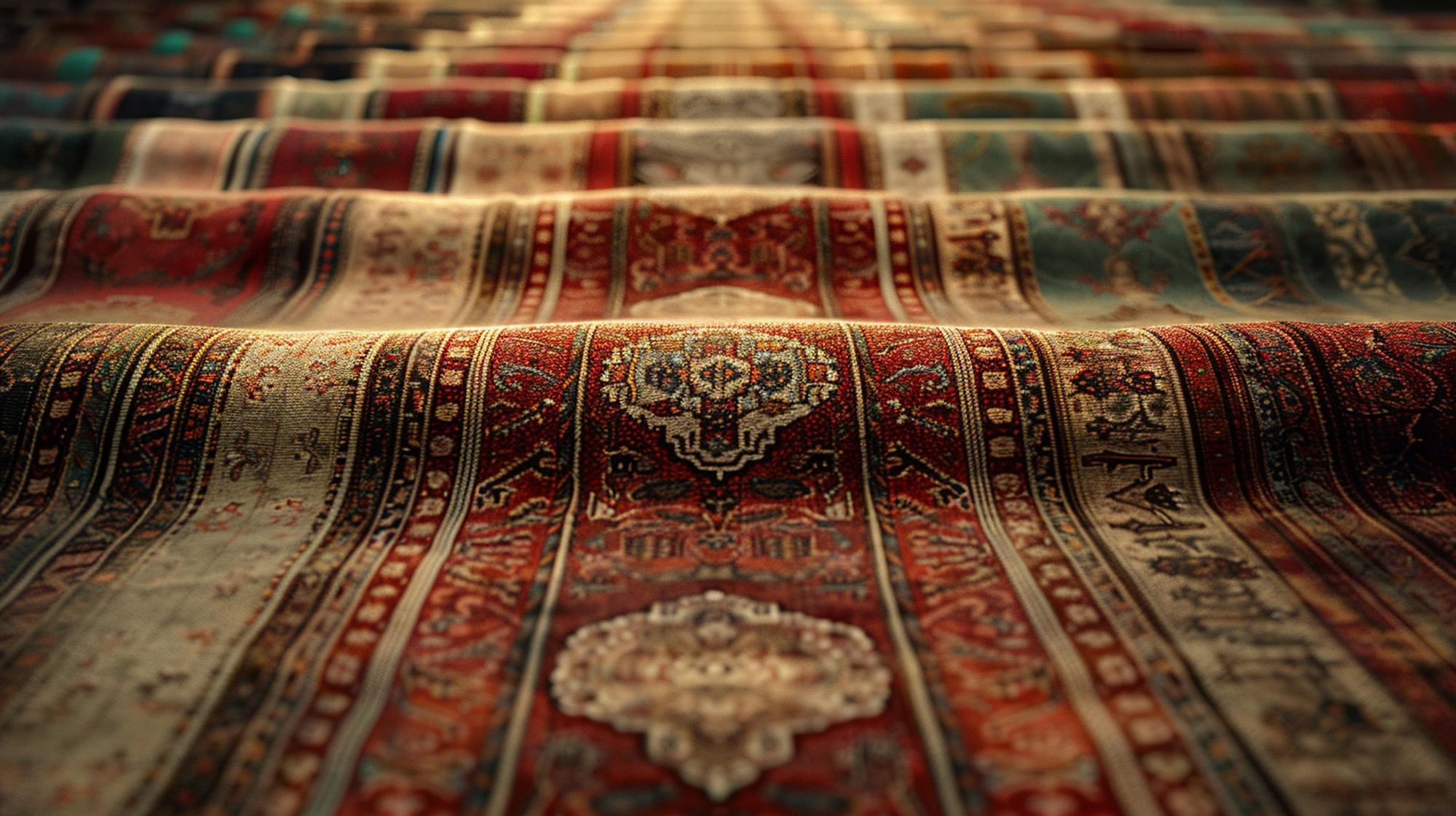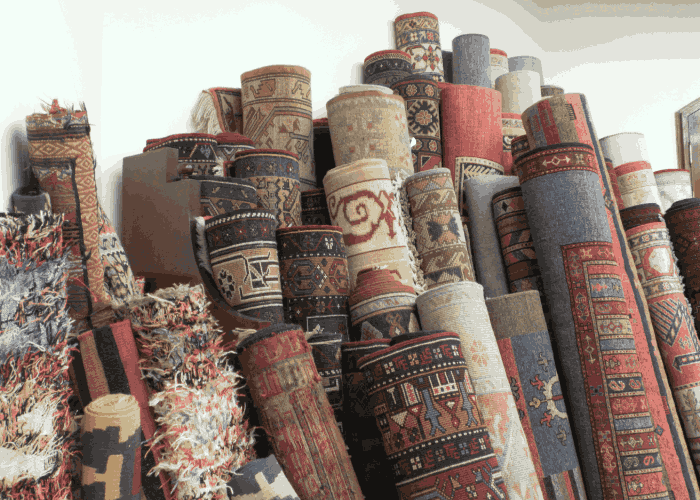
In a world increasingly seeking authenticity, craftsmanship, and sustainable luxury, the Indian carpet industry is undergoing a remarkable transformation. You are witnessing a pivotal moment where India is not merely a supplier of traditional floor coverings but a formidable global leader in premium, artisanal carpets. This shift represents a profound redefinition of luxury, blending centuries-old weaving traditions with contemporary design sensibilities and ethical production practices.
For generations, Indian carpets have been celebrated for their intricate patterns and vibrant colors. However, the modern narrative extends far beyond this heritage, encompassing unparalleled quality, innovative materials, and a commitment to global standards. This article will explore the multifaceted rise of premium Indian carpet exports, delving into the factors driving its success and the immense value it offers to discerning clients worldwide.
You will discover how this industry is captivating the global luxury market, from the hands of master artisans to sophisticated international showrooms. Prepare to understand the intricate weave of history, innovation, and economic strategy that positions India at the forefront of luxury carpet manufacturing.
The Evolution of Indian Carpet Craftsmanship
The journey of Indian carpets is a tapestry woven through centuries, reflecting a rich cultural heritage and an enduring commitment to artistry. Understanding this evolution is crucial to appreciating the current eminence of Indian luxury carpet exports.
A Rich Heritage: Centuries of Artistry
The roots of carpet weaving in India stretch back millennia, yet it was the arrival of the Mughal Empire in the 16th century that truly revolutionized the art form. Mughal emperors, particularly Akbar, introduced Persian weaving techniques and designs, fostering royal workshops that produced exquisite carpets for palaces and nobility.
These early carpets were not just floor coverings; they were masterpieces of art, often depicting elaborate garden scenes, floral motifs, and hunting narratives. The fusion of indigenous Indian aesthetics with Persian geometric and curvilinear patterns gave birth to a unique Indo-Persian style that remains iconic today. You can still trace these historical influences in many contemporary premium designs.
Over time, various regions developed their distinctive styles, materials, and knotting techniques. Kashmir became renowned for its silk carpets, Bhadohi and Mirzapur for their wool and cotton varieties, each contributing to India’s diverse carpet legacy. This deep historical foundation provides an unparalleled depth of skill and knowledge that defines today’s luxury offerings.
Modern Innovation Meets Tradition
While tradition forms the bedrock, the modern Indian carpet industry thrives on innovation and adaptability. It has masterfully blended its ancestral techniques with contemporary demands, creating products that resonate with global luxury trends.
Today, you will find Indian artisans experimenting with new materials, such as bamboo silk, nettle fiber, and sustainably sourced premium wools, alongside traditional silk and Merino wool. This innovation extends to design, where traditional motifs are reinterpreted in modern color palettes or abstract forms, appealing to diverse interior aesthetics.
The industry’s ability to evolve without sacrificing its core artisanal values is a significant differentiator. It means you can acquire a carpet that embodies centuries of craftsmanship yet perfectly complements a minimalist modern interior or a classic opulent setting. This dynamic interplay between past and present is a hallmark of India’s premium carpet exports.
Why Indian Carpets are Capturing the Luxury Market
The ascent of Indian carpets in the global luxury arena is not accidental; it is a direct result of several compelling factors that set them apart. These elements contribute to an unparalleled value proposition for the discerning buyer.
Unparalleled Quality and Material Excellence
At the heart of India’s luxury carpet appeal is an uncompromising commitment to quality, starting with the selection of raw materials. You will find that premium Indian carpets are crafted from the finest fibers available globally.
- Silk: Renowned for its lustrous sheen, softness, and incredible strength, pure silk carpets from Kashmir and other regions are considered the epitome of luxury. They offer a shimmering elegance that transforms any space.
- Merino Wool: Sourced from New Zealand and Australia, high-grade Merino wool provides exceptional softness, durability, and natural stain resistance. Its fine fibers allow for intricate detailing and rich color absorption.
- Hand-spun Wool: Utilizing traditionally hand-spun Indian wool gives carpets a unique texture and natural variation, adding character and depth. This artisanal process enhances the carpet’s longevity and aesthetic appeal.
- Bamboo Silk and Other Sustainable Fibers: Reflecting a growing eco-consciousness, bamboo silk offers a beautiful, sustainable alternative with a luxurious feel and subtle sheen, appealing to environmentally aware consumers.
Beyond materials, the manufacturing process itself is a testament to quality. Hand-knotted carpets, the pinnacle of luxury, involve millions of individual knots tied by hand, resulting in unmatched durability and intricate detail. This meticulous process ensures that each carpet is not just beautiful but also an heirloom-quality piece designed to last for generations.
Exquisite Design and Aesthetic Versatility
The design spectrum of Indian luxury carpets is incredibly broad, catering to every conceivable aesthetic preference. Whether your taste leans towards timeless classics or cutting-edge contemporary, you will find a design that speaks to you.
- Traditional Patterns: Classic Persian, Oriental, and Indo-Persian designs, featuring intricate floral patterns, medallions, and geometric motifs, continue to be highly sought after. These designs evoke a sense of heritage and timeless elegance.
- Contemporary and Abstract Art: A significant portion of India’s luxury export market is dedicated to modern designs. These range from minimalist patterns and subtle textures to bold abstract expressions and geometric forms, often inspired by modern art movements.
- Transitional Styles: Bridging the gap between traditional and modern, transitional carpets offer classic elements reinterpreted with contemporary color palettes or simplified forms. This versatility makes them perfect for various interior design schemes.
- Customization and Bespoke Orders: A key advantage for luxury buyers is the extensive customization potential. You can commission carpets tailored to exact specifications – size, shape, color, material, and design. This bespoke service ensures your carpet is truly unique, reflecting your personal style and space requirements.
The ability of Indian designers and weavers to interpret global trends while maintaining an authentic touch is remarkable. They create pieces that are both globally relevant and distinctly Indian, offering you a unique artistic statement for your home or project.
The Artisanal Touch: Skill and Dedication
What truly elevates Indian carpets to the luxury segment is the unparalleled skill and dedication of its artisans. This human element is irreplaceable and imbues each piece with a soul that machines cannot replicate.
Many weaving families have passed down their craft through generations, preserving ancient techniques and perfecting their artistry. Each knot tied, each thread chosen, is a testament to years of experience and a profound connection to the craft. This is not mere labor; it is a living art form.
When you invest in a premium Indian carpet, you are not just purchasing a floor covering; you are acquiring a piece of art created by a master artisan. The slight variations inherent in handmade products are not imperfections but rather signatures of authenticity, telling a story of human touch and meticulous attention to detail. This artisanal touch provides a richness and depth that machine-made carpets simply cannot emulate.
Key Drivers Behind the Export Boom
The impressive growth in premium Indian carpet exports is fueled by a confluence of strategic initiatives, evolving global consumer preferences, and technological advancements. Understanding these drivers helps you appreciate the sustained trajectory of this industry.
Government Initiatives and Export Promotion
The Indian government, recognizing the significant foreign exchange potential and employment generation of the carpet sector, has actively supported its growth. Various schemes and policies are designed to boost exports and enhance the industry’s competitiveness.
Organizations like the Carpet Export Promotion Council (CEPC) play a crucial role. They facilitate participation in international trade fairs, organize buyer-seller meets, and provide market intelligence to Indian exporters. These efforts help Indian manufacturers connect directly with global buyers and understand international market demands.
Furthermore, policies aimed at easing trade, streamlining customs procedures, and providing financial incentives have significantly reduced barriers for exporters. These supportive measures create a conducive environment for businesses to scale and reach new markets, benefiting you by increasing accessibility to these premium products.
Global Demand for Authentic, Handcrafted Goods
There is a discernible global shift away from mass-produced, disposable goods towards authentic, handcrafted items that tell a story. Consumers, particularly in the luxury segment, are increasingly seeking products with provenance, ethical production, and unique character.
Indian carpets, with their rich heritage, artisanal creation, and inherent sustainability, perfectly align with this trend. People are willing to invest in pieces that are not only beautiful but also ethically made and environmentally responsible. The narrative of skilled weavers bringing a design to life by hand resonates deeply with conscious consumers.
Interior design trends also favor unique, statement pieces that add warmth, texture, and personality to a space. A handcrafted Indian carpet serves as an anchor, elevating the entire aesthetic of a room and reflecting the homeowner’s appreciation for genuine artistry. You are part of this growing movement towards meaningful luxury.
Technological Advancements in Production and Logistics
While the core of carpet making remains manual, technology has played a pivotal role in optimizing other aspects of the industry. These advancements ensure efficiency, quality control, and timely delivery to global clients.
- Design Software: Advanced CAD software allows designers to create intricate patterns, visualize color combinations, and collaborate with clients on bespoke designs more efficiently. This speeds up the sampling process and ensures precision in custom orders.
- Supply Chain Management: Modern logistics and supply chain systems ensure raw materials are sourced ethically and efficiently, and finished products are shipped reliably. Tracking and inventory management systems provide transparency and accountability throughout the process.
- Quality Control: While the weaving is manual, sophisticated quality control measures, including advanced inspection techniques, ensure consistent standards across production batches. This involves checking for knot density, color consistency, and finishing perfection.
- E-commerce and Digital Marketing: The rise of robust e-commerce platforms and digital marketing strategies has enabled Indian carpet manufacturers to reach a wider global audience directly. Virtual showrooms and online catalogs make it easier for you to browse and select premium carpets from anywhere in the world.
These technological integrations complement the traditional craftsmanship, creating a highly efficient and quality-driven export industry. They ensure that the beauty of a handmade carpet is matched by the professionalism of its delivery.
Navigating the Global Market: Challenges and Opportunities
While the future of premium Indian carpet exports looks bright, the industry also navigates a complex global landscape. Addressing challenges and capitalizing on opportunities is crucial for sustained growth and leadership.
Ensuring Ethical Sourcing and Sustainability
In the luxury market, transparency and ethical practices are paramount. Consumers are increasingly scrutinizing the supply chain to ensure products are made without exploitation and with minimal environmental impact. This presents both a challenge and a significant opportunity for Indian exporters.
- Child Labor Eradication: The industry has made significant strides in combating child labor, with organizations like GoodWeave International playing a vital role. Certifications from such bodies assure you that your carpet was made without child labor or forced labor, enhancing trust and brand reputation.
- Fair Wages and Working Conditions: Ensuring fair remuneration and safe working environments for artisans is critical. Many premium manufacturers are committed to social responsibility, providing benefits and opportunities for their weavers, which contributes to higher quality and artisan retention.
- Eco-friendly Production: The focus on sustainable practices extends to material sourcing (e.g., natural dyes, recycled fibers) and production processes (e.g., water conservation, waste reduction). This commitment to eco-consciousness appeals strongly to environmentally aware luxury buyers.
By proactively addressing these ethical and sustainability concerns, Indian carpet exporters can differentiate themselves and build stronger relationships with global clients who prioritize responsible consumption. You are supporting a better world with your purchase.
Brand Building and Marketing Strategies
To truly capture and maintain a leadership position in the luxury segment, Indian carpet exporters must invest in sophisticated brand building and marketing strategies. This goes beyond simply selling a product; it involves selling a story, an experience, and a promise of quality.
- Creating a Premium Brand Identity: Developing strong brand narratives that highlight heritage, craftsmanship, ethical practices, and design innovation is essential. This includes professional branding, high-quality photography, and compelling storytelling.
- Digital Marketing and Social Media: Leveraging platforms like Instagram, Pinterest, and specialized luxury interior design blogs is crucial for reaching target audiences. Engaging content, virtual tours of workshops, and designer collaborations can build brand awareness and desire.
- Collaborations with Designers and Architects: Partnering with renowned international interior designers and architects can significantly elevate brand visibility and credibility. These collaborations often result in bespoke collections that gain widespread industry attention.
- Participation in High-End Trade Shows: Showcasing products at prestigious international design and luxury home décor fairs is vital for direct engagement with buyers, press, and industry influencers.
Effective branding transforms a commodity into a covetable luxury item, allowing Indian carpets to command premium prices and establish recognition among the world’s most discerning clientele.
Competitive Landscape and Market Differentiation
The global carpet market is competitive, with other countries also producing high-quality handmade carpets. India’s challenge and opportunity lie in effectively differentiating its offerings.
India’s unique blend of historical artistry, diverse regional styles, and robust innovation provides a strong basis for differentiation. Emphasizing the fusion of traditional techniques with modern design, the unparalleled skill of its artisans, and its commitment to ethical production helps distinguish Indian carpets.
Focusing on niche markets, such as bespoke luxury rugs for yachts, high-end hospitality projects, or exclusive residential commissions, also allows Indian exporters to target clients who prioritize unique, custom-made pieces. You benefit from this tailored approach, ensuring your specific needs are met with exceptional quality.
Growth Trends in Indian Carpet Exports: An Illustrative Overview
The upward trajectory of Indian carpet exports is evident in recent trade data, reflecting the industry’s growing global appeal. While exact real-time figures fluctuate, the overall trend clearly indicates significant expansion in value and volume, particularly in the premium segment.
Below is an illustrative table demonstrating the growth in value of Indian carpet exports over recent years. Please note these figures are hypothetical and intended to show a trend, not exact real-world data, which varies annually.
| Fiscal Year | Total Carpet Export Value (USD Million) | Growth Rate (%) Year-on-Year | Key Market Contribution (Illustrative) |
|---|---|---|---|
| 2019-2020 | 1,250 | -2.5% | USA: 35%, Europe: 25% |
| 2020-2021 | 1,480 | 18.4% | USA: 38%, Europe: 27% |
| 2021-2022 | 1,720 | 16.2% | USA: 40%, Europe: 28% |
| 2022-2023 | 1,950 | 13.4% | USA: 42%, Europe: 29% |
| 2023-2024 (Est.) | 2,200 | 12.8% | USA: 43%, Europe: 30% |
As you can observe from this illustrative data, there has been a consistent and significant increase in the total value of Indian carpet exports over the past few years, particularly recovering strongly after a slight dip. This growth highlights the increasing global demand for Indian-made carpets.
The United States consistently remains the largest market, followed closely by European countries. This indicates a strong preference for Indian carpets in established luxury markets. Emerging markets in the Middle East and East Asia are also showing promising growth, diversifying the export base.
This upward trend underscores the successful strategies employed by Indian exporters, coupled with the rising global appreciation for authentic, high-quality, and ethically produced handcrafted luxury goods. You are witnessing a market that is not just growing but thriving on its inherent value proposition.
The Future of Indian Carpet Exports: Trends and Predictions
The trajectory of premium Indian carpet exports is set to continue its upward climb, driven by several key trends and strategic shifts. As a global consumer or industry partner, understanding these future directions will help you anticipate market evolution.
Increased Customization and Bespoke Orders
The demand for unique, tailor-made products is a defining characteristic of the luxury market, and this trend will intensify. You will see an even greater emphasis on bespoke carpet services, allowing clients to specify every detail, from fiber composition and dye colors to intricate patterns and dimensions.
Advanced design visualization tools, including 3D rendering and augmented reality, will become standard, enabling you to see your custom carpet in your space before it’s even woven. This level of personalization elevates the carpet from a mere furnishing to a personalized work of art, perfectly integrated into its environment.
Focus on Sustainable and Eco-Friendly Practices
Sustainability will move from a desirable attribute to a fundamental expectation. Indian carpet manufacturers will continue to innovate in eco-friendly materials, such as organic cotton, recycled PET fibers, and plant-based dyes. The entire supply chain, from sheep shearing to packaging, will be scrutinized for its environmental footprint.
Certifications for ethical production, such as GoodWeave, will become even more critical for market access and consumer trust. You can expect greater transparency and accountability in every stage of production, ensuring that your luxury purchase aligns with global environmental and social values.
Digital Transformation and E-commerce Dominance
While physical showrooms will always hold a place, the digital realm will increasingly dominate sales and marketing. Sophisticated e-commerce platforms, offering high-resolution imagery, virtual consultations, and seamless global shipping, will become the primary avenues for luxury carpet purchases.
The integration of artificial intelligence for personalized recommendations and immersive virtual experiences will enhance the online buying journey. This digital shift provides you with unprecedented access to an extensive range of exquisite Indian carpets from anywhere in the world, breaking down geographical barriers.
Collaborations and Global Partnerships
Strategic collaborations between Indian carpet manufacturers and international luxury brands, renowned interior designers, and architects will become more frequent and impactful. These partnerships will lead to innovative collections, expand market reach, and further solidify India’s reputation for design excellence.
Joint ventures and knowledge-sharing initiatives with global design houses will foster new creative directions and manufacturing efficiencies. These alliances benefit you by bringing fresh perspectives and exclusive designs to the market, continually pushing the boundaries of luxury carpet artistry.
Conclusion
The rise of premium Indian carpet exports signifies more than just economic growth; it represents a global redefinition of luxury itself. You have seen how India’s rich weaving heritage, combined with relentless innovation and an unwavering commitment to quality, has positioned it as a dominant force in the high-end market.
From the unparalleled quality of its materials and the exquisite versatility of its designs to the profound artisanal touch that imbues each piece with soul, Indian carpets offer an exceptional value proposition. Government support, shifting global consumer preferences for authentic handcrafted goods, and strategic technological integration have all played pivotal roles in this success story.
As the industry moves forward, its focus on ethical sourcing, sustainability, advanced digital engagement, and collaborative partnerships will ensure its continued leadership. When you choose a premium Indian carpet, you are not just acquiring a beautiful floor covering; you are investing in centuries of artistry, supporting ethical craftsmanship, and bringing a piece of global luxury into your space. The future of global luxury is indeed being redefined, one exquisitely woven Indian carpet at a time.
Frequently Asked Questions (FAQ)
1. What makes Indian carpets “luxury”?
Premium Indian carpets are considered luxury due to their exceptional material quality (e.g., pure silk, high-grade Merino wool), intricate hand-knotting techniques, bespoke design capabilities, and the unparalleled skill of generational artisans. Each piece is a unique work of art, built for lasting beauty and durability.
2. Are Indian luxury carpets ethically sourced and sustainable?
Many leading Indian luxury carpet exporters are deeply committed to ethical sourcing and sustainability. They adhere to strict standards against child labor and forced labor, often holding certifications like GoodWeave. They also prioritize eco-friendly materials and production processes, supporting fair wages and safe working conditions for artisans.
Always inquire about certifications and company policies for assurance.
3. What are the common materials used in premium Indian carpets?
The most common premium materials include pure silk (especially from Kashmir), fine Merino wool (often imported from New Zealand or Australia), and high-quality hand-spun Indian wool. Increasingly, sustainable alternatives like bamboo silk and nettle fibers are also being used for their luxurious feel and eco-friendly properties.
4. Can I customize a luxury Indian carpet to my specific design needs?
Absolutely. Customization is a hallmark of the premium Indian carpet industry. You can typically specify the exact size, shape, color palette, material composition, knot count, and design pattern.
Many manufacturers offer design consultation services to help bring your unique vision to life.
5. How do I care for a handmade luxury Indian carpet?
Proper care is essential for maintaining the beauty and longevity of your luxury carpet. Regular vacuuming with a brush-less attachment is recommended. For spills, blot immediately with a clean cloth.
Professional cleaning by a specialist experienced in handmade rugs is advisable every few years, depending on traffic and usage. Avoid harsh chemicals and direct sunlight to prevent fading.
6. What is the difference between hand-knotted and hand-tufted carpets?
Hand-knotted carpets are considered the highest quality and most durable. Each knot is individually tied by hand onto a warp and weft foundation, a meticulous process that can take months or even years. Hand-tufted carpets, while also handmade, are created by punching yarn through a fabric backing with a tool, then securing it with latex and a secondary backing.
Hand-knotted carpets generally command higher prices due to their superior craftsmanship, durability, and intricate detail.
7. How long does it take to get a custom-made Indian carpet?
The lead time for a custom-made Indian carpet can vary significantly depending on its size, complexity, and the materials used. Generally, you can expect anywhere from 3 to 12 months from the finalization of the design to delivery. This timeframe reflects the intricate hand-knotting process and meticulous attention to detail required for a luxury piece.