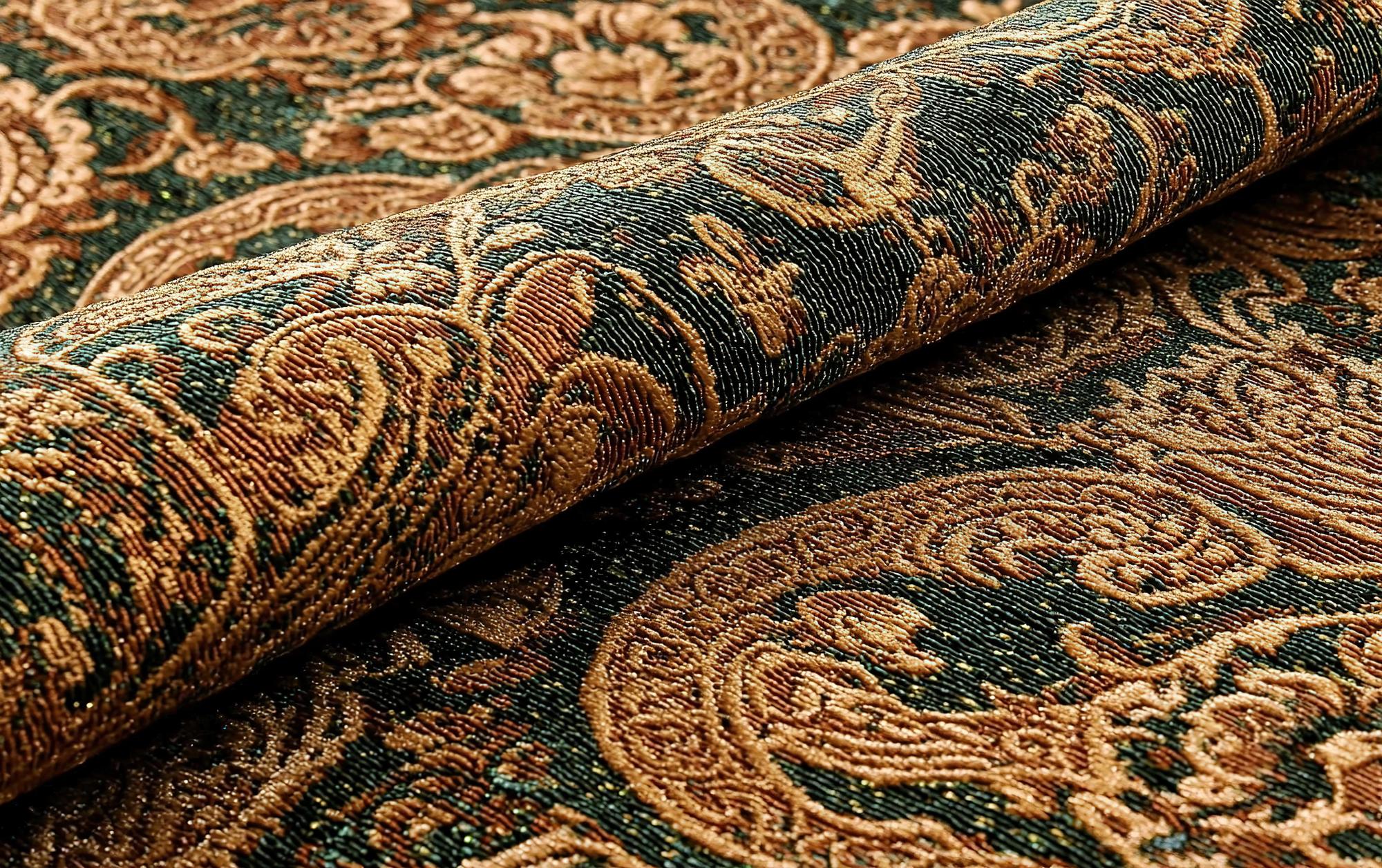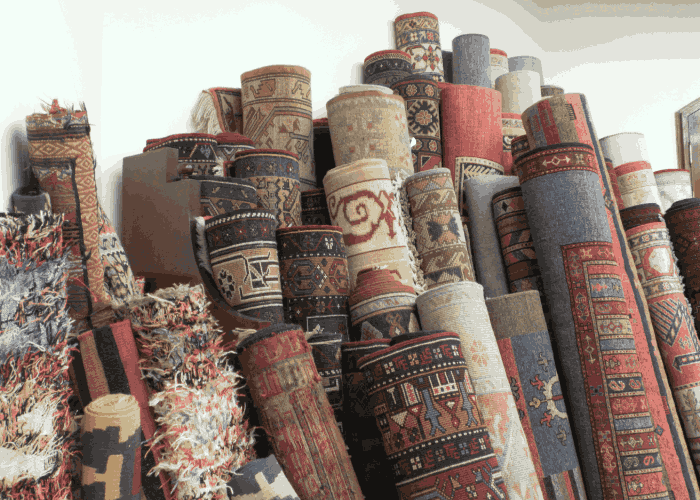
For centuries, India has been a beacon of unparalleled artistry, a land where every thread tells a story. When you consider the world of premium carpet making, you are not merely looking at floor coverings; you are exploring a profound legacy of skill, dedication, and cultural expression. This journey through India’s rich tapestry of carpet making reveals a craft passed down through generations, transforming simple fibers into enduring masterpieces.
You are about to discover why Indian carpets are revered globally for their intricate designs, superior materials, and exceptional durability. Prepare to delve into the historical roots, the meticulous craftsmanship, the vibrant designs, and the inherent value that makes these carpets much more than just decorative items. You will understand the true essence of an art form that continues to captivate and enrich spaces around the world.
A Journey Through Time: The Historical Tapestry of Indian Carpets
The history of carpet making in India is as rich and intricate as the patterns woven into the rugs themselves. Its roots stretch back centuries, influenced by various cultures and empires that shaped the subcontinent’s artistic landscape. Understanding this lineage helps you appreciate the depth of skill involved today.
The Mughal Influence: A Golden Era of Design
The true zenith of Indian carpet making began with the arrival of the Mughals in the 16th century. Emperor Akbar, known for his appreciation of art and culture, established royal workshops in cities like Agra, Lahore, and Kashmir. He brought skilled Persian weavers to India, merging their sophisticated techniques and designs with indigenous Indian artistry.
This fusion resulted in a unique style characterized by exquisite detail, vibrant colors, and naturalistic motifs. You would have seen intricate floral patterns, delicate trellises, and hunting scenes adorning these royal carpets. This period set the benchmark for luxury and craftsmanship that continues to influence modern designs.
Evolution Beyond the Empire
As the Mughal Empire waned, carpet weaving continued to flourish under regional patronage and eventually, British influence. Each region developed its distinct style, incorporating local aesthetics, available materials, and weaving traditions. This diversification ensured the survival and evolution of the craft.
You can still trace these historical lineages in the carpets produced today. The techniques and motifs have been refined and passed down, preserving the authenticity of this ancient art. This enduring legacy is a testament to the resilience and adaptability of Indian artisans.
The Soul of the Fiber: Materials and Craftsmanship
At the heart of every premium Indian carpet lies a commitment to exquisite materials and time-honored weaving techniques. These elements combine to create a product that is not only beautiful but also built to last for generations. When you invest in an Indian carpet, you are choosing a piece defined by quality from its very foundation.
Premium Materials: The Foundation of Excellence
The choice of fiber is paramount in determining a carpet’s look, feel, and durability. Indian weavers meticulously select the finest natural materials, ensuring that each thread contributes to the carpet’s overall quality. You will find that these materials are often sourced from specific regions known for their superior yield.
The Hands That Weave: Traditional Techniques
The true magic of Indian carpet making lies in the hands of its skilled artisans. They employ techniques perfected over centuries, transforming raw fibers into intricate works of art. These methods are labor-intensive and require immense patience, precision, and artistry.
* Persian (Senneh) Knot: Asymmetrical, where the yarn is wrapped around one warp thread and passed under the adjacent warp thread, then pulled tight. This allows for very fine and intricate designs.
* Turkish (Ghiordes) Knot: Symmetrical, where the yarn is wrapped around two adjacent warp threads, creating a sturdier knot. This is often used for more geometric or bolder patterns.
You will find that the density of these knots (measured in knots per square inch or KPSI) is a key indicator of quality and detail. A higher KPSI means a more detailed design and a more durable carpet.
A Kaleidoscope of Designs: Motifs and Styles
Indian carpets are renowned for their breathtaking array of designs, reflecting centuries of cultural exchange, spiritual beliefs, and artistic innovation. From ancient symbols to contemporary interpretations, you will find a design that speaks to your aesthetic. These patterns are more than just decoration; they are narratives woven in thread.
Classic Indian Motifs and Their Meanings
Many traditional Indian carpet designs carry deep symbolic meanings, often rooted in nature, philosophy, or religion. Understanding these motifs can add another layer of appreciation to your carpet.
* Shah Abbas: A highly stylized floral pattern featuring palmettes, lotus blossoms, and vines, often arranged symmetrically. It represents paradise and eternal life.
* Tree of Life: Depicting a flourishing tree often with birds and animals, this motif symbolizes immortality, growth, and the connection between heaven and earth. It is a powerful and popular design choice.
* Rosettes and Garlands: Delicate roses, jasmine, and other blossoms are frequently arranged in intricate patterns, adding elegance and natural beauty.
Regional Variations in Carpet Weaving
India’s vast geography and diverse cultures have given rise to distinct regional carpet weaving traditions. Each area boasts its unique characteristics in terms of materials, colors, and design sensibilities. You can often identify a carpet’s origin by its specific style.
Contemporary Adaptations and Innovations
While deeply rooted in tradition, Indian carpet making is not static. Modern designers and weavers are constantly innovating, blending ancient techniques with contemporary aesthetics to create fresh, relevant pieces. You will find that this evolution makes Indian carpets suitable for a wide range of interior styles.
The Unseen Value: Why Invest in a Premium Indian Carpet?
Beyond their undeniable beauty, premium Indian carpets offer a myriad of intrinsic values that make them a wise and fulfilling investment. You are not just buying a floor covering; you are acquiring a piece of art, a slice of history, and a testament to human skill.
Durability and Longevity: An Heirloom in the Making
One of the most compelling reasons to invest in a hand-knotted Indian carpet is its exceptional durability. These carpets are built to last for decades, often outliving their owners and becoming cherished family heirlooms.
Artistic Expression and Uniqueness: A Story in Every Thread
Each hand-knotted Indian carpet is a unique work of art, telling a story through its design, colors, and the hands that created it. You are acquiring an exclusive piece that reflects individual artistry.
Ethical Sourcing and Sustainability: Conscious Luxury
Investing in a premium Indian carpet often means supporting ethical practices and sustainable craftsmanship. You can make a choice that benefits both artisans and the environment.
Enhancing Your Space: Aesthetics and Comfort
Beyond its inherent value, a premium Indian carpet profoundly transforms any living space. It offers both visual appeal and tangible comfort.
Understanding Carpet Quality: What to Look For
When you are considering investing in a premium Indian carpet, knowing how to assess its quality is crucial. Several key indicators can help you differentiate between various grades of carpets and ensure you are making an informed purchase. This knowledge empowers you to choose a piece that meets your expectations for beauty, durability, and value.
Key Quality Indicators
* Fine Quality: 150-300 KPSI
* Very Fine Quality: 300-500 KPSI
* Exceptional Quality (especially silk): 500+ KPSI
To estimate, you can fold a corner of the carpet and count the knots on the back within a one-inch square.
Comparative Analysis of Carpet Types
To further illustrate the differences in quality and characteristics, here’s a table comparing common carpet types you might encounter, focusing on premium options. This helps you understand where different investments lie.
| Carpet Type | Primary Material | Typical Knot Density (KPSI) | Durability | Price Range (Relative) | Key Feature(s) |
|---|---|---|---|---|---|
| Hand-Knotted Wool | Premium Wool (NZ, Merino, Indian) | 150 – 400+ | Excellent (Decades to Centuries) | $$$ – $$$$ | Heirloom quality, rich patterns, natural resilience. |
| Hand-Knotted Silk | Pure Silk (Mulberry, Tussar) | 400 – 1000+ | Exceptional (with proper care) | $$$$ – $$$$$ | Luminous sheen, ultra-fine detail, luxurious feel. |
| Hand-Tufted Wool | Wool, blended with synthetics often | N/A (no knots) | Good (10-20 years) | $$ – $$$ | Design flexibility, quicker production, softer feel. |
| Hand-Loomed (Dhurrie/Kilim) | Cotton, Wool, Jute | N/A (flat weave) | Very Good (15-30 years) | $ – $$ | Reversible, lightweight, often geometric/tribal. |
| Machine-Made | Synthetics (Polypropylene, Nylon) | N/A (machine woven) | Fair (5-10 years) | $ | Low cost, mass-produced, limited uniqueness. |
Note: Price ranges are relative indicators. Actual prices vary greatly based on size, design complexity, age, and specific materials.
This table helps you visualize the differences. When you choose a hand-knotted wool or silk carpet, you are opting for the pinnacle of durability and artistry, a true investment piece.
Conclusion
You have journeyed through the intricate world of Indian premium carpet making, from its historical grandeur under the Mughals to the meticulous hands that weave today. You have explored the superior materials that form its foundation, the diverse designs that tell timeless stories, and the profound value that makes each carpet more than just a floor covering. This legacy is a testament to unwavering dedication and artistic mastery.
Investing in a premium Indian carpet means bringing home a piece of living history, a unique work of art that enhances your space, supports ethical craftsmanship, and promises to be an enduring heirloom. It is a choice for quality, beauty, and a connection to a rich cultural heritage. Let the artistry of the thread transform your home.
Frequently Asked Questions (FAQ)
Here are some common questions you might have when considering a premium Indian carpet:
How do I clean my hand-knotted Indian carpet?
For routine cleaning, you should vacuum your carpet regularly without using a beater bar, which can damage the fibers. For spills, blot immediately with a clean, white cloth; do not rub. For deeper cleaning, it is highly recommended to hire a professional carpet cleaner specializing in hand-knotted rugs. Avoid harsh chemicals or steam cleaners, as these can damage the dyes and fibers.
How often should I rotate my carpet?
You should rotate your carpet 180 degrees every 6-12 months. This helps ensure even wear, especially in high-traffic areas or if one part of the carpet is exposed to more sunlight. Rotating prevents uneven fading and extends the carpet’s lifespan.
What’s the main difference between hand-knotted and hand-tufted carpets?
The primary difference lies in their construction. Hand-knotted carpets are made by individually tying knots onto a warp and weft foundation, making them incredibly durable, intricate, and unique. Hand-tufted carpets are made by punching yarn through a backing fabric with a tool, then gluing a secondary backing to hold the fibers in place. Hand-knotted carpets are generally considered higher quality, more durable, and more valuable.
How can I tell if a carpet is truly handmade?
You can identify a handmade carpet by examining its back. The knots should be visible and slightly irregular, reflecting the hand-tying process. The fringe is typically an extension of the warp threads, not sewn on separately. The pattern on the back should be a clear, mirror image of the front, though sometimes less distinct. Machine-made carpets will have perfectly uniform knots and often a synthetic backing.
Are Indian carpets ethically made?
Many reputable Indian carpet manufacturers and exporters are committed to ethical practices, including fair wages, safe working conditions, and the absence of child labor. Look for certifications or ask your retailer about their sourcing policies. Supporting businesses that adhere to fair trade principles helps ensure you are making an ethical purchase.
How do I choose the right size and style for my room?
Consider the dimensions of your room and the furniture layout. For living rooms, the carpet should ideally extend under the front legs of your main seating pieces. In dining rooms, it should be large enough for chairs to remain on the carpet when pulled out. For style, consider your room’s existing decor and color palette. A traditional Indian carpet can be a striking focal point, while a more subdued pattern can complement a minimalist space. Don’t be afraid to mix styles for an eclectic look.