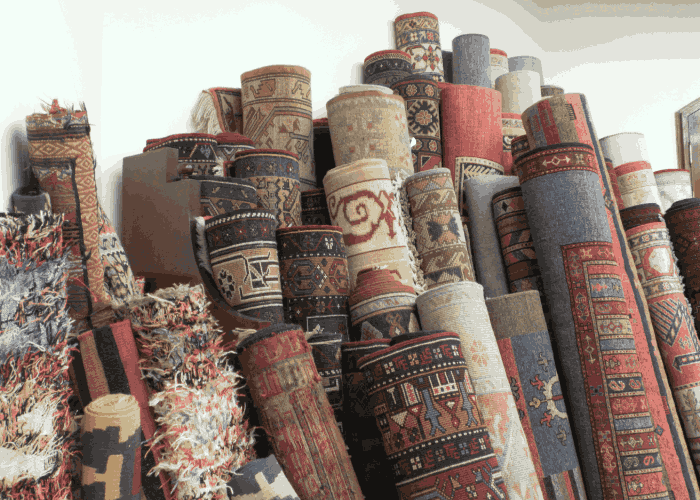
You are about to embark on a fascinating journey, tracing the intricate threads of Indian carpet craftsmanship from its ancient roots to the glittering heights of global luxury. Imagine a world where the artistry of skilled weavers, passed down through generations, transcends borders and captivates the most discerning eyes. This is the story of how premium Indian carpets have woven their way into the fabric of international design, earning a place of honor in prestigious homes and even hinting at the grandeur of events like the Met Gala.
From the sun-drenched landscapes of Kerala to the exclusive galleries of New York, these exceptional pieces represent more than just floor coverings; they are profound cultural statements. They embody a rich heritage of design, meticulous handiwork, and an unwavering commitment to quality. Prepare to discover the allure that makes these carpets not just decorative items, but cherished heirlooms and significant investments.
The Enduring Legacy of Indian Carpet Craftsmanship
For centuries, India has been a global epicenter of textile artistry, and its carpets stand as a testament to this profound heritage. The tradition of carpet weaving in India dates back to the Mughal era, blending indigenous techniques with Persian influences to create a unique aesthetic. These early creations were symbols of royal power and sophistication, adorning palaces and stately homes.
The intricate patterns, often inspired by nature, mythology, and geometric precision, tell stories of a vibrant past. You will find that each region developed its own distinct style, materials, and color palettes, contributing to the incredible diversity we see today. This rich tapestry of traditions ensures that every Indian carpet possesses a unique identity.
A Kaleidoscope of Regional Styles and Techniques
India’s vast geography and cultural mosaic have given rise to an astonishing array of carpet styles. Each region offers something distinct, reflecting local customs, available resources, and artistic leanings. Understanding these differences helps you appreciate the depth of Indian craftsmanship.
The primary techniques employed in creating these masterpieces are equally diverse. Hand-knotting, the most labor-intensive and revered method, involves individual knots tied by hand onto a warp and weft foundation. This process results in unparalleled durability and intricate detail, making each carpet an heirloom. Hand-tufting involves punching yarn into a fabric backing with a tufting gun, offering a quicker and more cost-effective alternative while still allowing for complex designs. Flatweave techniques like dhurries involve weaving the warp and weft threads tightly together, creating a reversible and often lighter rug. Each technique offers a different texture and aesthetic appeal, catering to various preferences.
Kerala’s Unique Contribution: Weaving Southern Stories
When you think of Indian carpets, your mind might initially drift towards the northern weaving centers. However, the southern state of Kerala offers a distinct and equally compelling narrative in the world of premium rugs. Kerala, with its lush landscapes and rich natural resources, has carved out a unique niche, particularly in the realm of sustainable and natural fiber carpets.
The state is globally recognized for its coir industry, derived from the fibrous outer husk of coconuts. This natural material, often overlooked in the luxury segment, is being transformed into sophisticated and eco-friendly floor coverings. You will discover that Kerala’s approach to carpet making is deeply rooted in its environment and commitment to craftsmanship.
The Allure of Kerala Coir and Natural Fiber Rugs
Kerala’s contribution to the global carpet market largely centers on its innovative use of natural fibers. While traditional wool and silk carpets dominate other regions, Kerala harnesses the power of its indigenous resources. Coir, jute, and sisal are woven into durable, textural, and environmentally conscious rugs that appeal to a growing segment of consumers.
These natural fiber rugs are not just sustainable; they also offer a distinct aesthetic. Their earthy tones, robust textures, and often minimalist designs bring a sense of organic elegance to any space. You will find them to be incredibly versatile, fitting seamlessly into both modern minimalist and rustic bohemian interiors.
Beyond coir, you might also encounter rugs made from bamboo silk or other innovative blends, showcasing Kerala’s forward-thinking approach to textile design. The state’s focus on natural, sustainable materials, combined with its artisanal expertise, positions its carpets as a unique and increasingly sought-after segment in the premium market. This commitment to both tradition and innovation defines Kerala’s place in the global carpet narrative.
The Global Stage: Why Premium Indian Carpets are Coveted
The journey of Indian carpets from local workshops to international acclaim is a testament to their inherent quality, artistic merit, and adaptability. Today, these premium creations are not just floor coverings; they are considered significant investments and focal points in interior design. You might wonder what makes them so universally desired.
The answer lies in a confluence of factors that appeal to discerning buyers and top designers worldwide. From the unparalleled durability to the stories woven into their very fibers, Indian carpets offer a value proposition that few others can match. They represent a harmonious blend of tradition, luxury, and ethical responsibility.
Unparalleled Quality and Enduring Durability
One of the most compelling reasons for the global demand for Indian carpets is their exceptional quality. Hand-knotted rugs, in particular, are renowned for their longevity, often lasting for generations when properly cared for. The meticulous process of tying individual knots ensures a dense, robust pile that can withstand significant wear.
You are not merely purchasing a decorative item; you are acquiring an heirloom. The use of high-quality materials, such as virgin wool, fine silk, and durable cotton, further enhances their resilience and aesthetic appeal. These carpets are built to last, providing both beauty and function for decades.
Artistic Merit and Exquisite Design
Indian carpets are celebrated for their breathtaking artistry and diverse design repertoire. From intricate Persianate motifs to bold geometric patterns and contemporary abstracts, there is an Indian carpet to complement every aesthetic. The vibrant, often naturally dyed colors, combined with complex patterns, create visual masterpieces.
These designs are not simply decorative; they often carry cultural significance, telling stories or reflecting ancient symbols. When you choose an Indian carpet, you are bringing a piece of living history and unparalleled artistic expression into your home. The skill involved in rendering these complex designs by hand is truly extraordinary.
Sustainability and Ethical Production Practices
In an increasingly conscious market, the ethical and sustainable production of premium Indian carpets is a significant draw. Many manufacturers and artisans are committed to using natural, renewable fibers and environmentally friendly dyes. You will find that many workshops adhere to fair trade principles, ensuring safe working conditions and fair wages for weavers.
This commitment to responsible practices resonates deeply with modern consumers who seek transparency and integrity in their purchases. Investing in ethically produced Indian carpets means supporting communities and contributing to a more sustainable global economy. It’s a choice that feels good, both aesthetically and morally.
Versatility in Contemporary Interiors
While rooted in tradition, premium Indian carpets possess remarkable versatility, making them suitable for a wide range of interior styles. A classic hand-knotted rug can add warmth and sophistication to a minimalist space, while a vibrant dhurrie can infuse a modern room with bohemian charm. Designers frequently use these carpets as foundational elements to define a space.
Whether your aesthetic is traditional, transitional, contemporary, or eclectic, you can find an Indian carpet that not only complements but elevates your design vision. Their ability to bridge cultural gaps and blend seamlessly with diverse décor makes them an indispensable tool for interior designers worldwide. They are truly adaptable works of art.
From Homes to High Fashion: The Met Gala Connection
The mention of the Met Gala might seem an unusual juxtaposition with carpets, typically floor coverings. However, this iconic event symbolizes the pinnacle of global high fashion, art, and luxury culture. The connection between premium Indian carpets and the Met Gala is not literal, but rather a powerful metaphor for the ascent of Indian craftsmanship onto the world’s most exclusive stages. It represents a profound shift in perception.
It signifies that Indian design, quality, and artistry are now recognized as being on par with, and even influencing, the most elite echelons of global luxury. When we speak of the “Met Gala” in this context, we are talking about the ultimate stamp of approval, the moment when traditional craftsmanship achieves ultra-luxury, aspirational status.
The Elevation of Indian Craftsmanship to Ultra-Luxury Status
The Met Gala is a celebration of artistry, innovation, and cultural influence in fashion. For premium Indian carpets to be referenced in the same breath, it underscores their journey from functional items to coveted artistic expressions. This journey reflects a global appreciation for authentic, handmade luxury.
You are witnessing a phenomenon where the intricate patterns, rich textures, and cultural narratives embedded in Indian carpets are inspiring designers and tastemakers across various luxury sectors. This elevation is driven by a renewed global interest in artisanal quality and unique cultural narratives.
The “Met Gala” connection, therefore, serves as a powerful symbol. It illustrates that premium Indian carpets have transcended their traditional role. They are no longer just commodities; they are cultural ambassadors, artistic masterpieces, and essential elements in the narrative of global luxury and design. Their presence, even if metaphorical, on such a grand stage highlights their undeniable impact and prestige.
The Business of Luxury Carpets: Market Trends and Growth
The global market for premium Indian carpets is experiencing robust growth, driven by increasing consumer demand for authentic, sustainable, and high-quality home furnishings. This sector is a significant contributor to India’s economy, supporting countless artisans and their families. You will find that several key trends are shaping its expansion and reach.
From traditional export markets to the burgeoning e-commerce landscape, Indian carpets are finding new avenues for growth. Understanding these market dynamics helps you appreciate the economic impact and future potential of this vibrant industry. It’s a testament to enduring craftsmanship meeting modern commerce.
Key Markets and Export Dynamics
The United States and Europe remain the largest and most significant export markets for premium Indian carpets. Consumers in these regions highly value the quality, craftsmanship, and unique designs that Indian rugs offer. The demand is consistent across various price points, from accessible hand-tufted options to high-end, hand-knotted silk masterpieces.
Emerging markets in Asia, particularly China and the Middle East, are also showing increased interest in luxury Indian carpets. As disposable incomes rise and aesthetic preferences evolve, these regions present exciting new opportunities for growth. You can see a diversification of trade routes.
The Indian government actively promotes the carpet industry through various initiatives, including participation in international trade fairs and supporting artisan clusters. These efforts help maintain India’s position as a leading global exporter of handmade carpets. This strategic focus ensures continued market presence.
Growth Drivers in the Premium Carpet Segment
Several factors are fueling the growth of the premium Indian carpet market. You might recognize some of these trends from other luxury sectors, indicating a broader shift in consumer values.
Market Data: Indian Carpet Exports (Illustrative)
To illustrate the scale of India’s carpet industry, here is an illustrative table showcasing export values for handmade carpets over recent years. Please note that exact figures fluctuate annually, and these are representative of the significant economic contribution.
| Fiscal Year | Total Handmade Carpet Exports (USD Million) | Key Export Destinations |
|---|---|---|
| 2018-2019 | 1,250 | USA, Germany, UK, Canada |
| 2019-2020 | 1,300 | USA, Germany, UK, Australia |
| 2020-2021 | 1,420 | USA, Germany, UK, UAE (despite pandemic challenges) |
| 2021-2022 | 1,550 | USA, Germany, UK, France |
| 2022-2023 (Est.) | 1,600+ | USA, Germany, UK, China, Middle East |
Note: These figures are illustrative and represent the general trend of growth in India’s handmade carpet exports. Actual data may vary based on official government reports and market conditions.
This table underscores the consistent and growing global demand for Indian carpets. The industry’s resilience and adaptability, even in challenging economic times, highlight its fundamental strength and the enduring appeal of its products. You can see a clear upward trajectory.
Navigating the Purchase: What to Look For in a Premium Indian Carpet
Investing in a premium Indian carpet is a significant decision, and you want to ensure you are making an informed choice. With so many styles, materials, and techniques available, it can feel overwhelming. However, by focusing on a few key aspects, you can confidently select a piece that brings lasting beauty and value to your home.
Remember, a premium carpet is not just a purchase; it is an acquisition of art, history, and craftsmanship. Taking the time to understand its characteristics will enhance your appreciation and ensure your satisfaction. You are choosing a piece that will be with you for years to come.
Essential Considerations for Your Investment
When you are ready to choose your Indian carpet, keep these crucial factors in mind. They will help you differentiate between quality levels and ensure you find the perfect match for your needs and aesthetic.
- Wool: Most common, durable, and naturally stain-resistant. Look for high-quality virgin wool like New Zealand or Indian Bikaner wool for softness and longevity.
- Silk: Luxurious, soft, and highly lustrous, often used for intricate details and high knot counts. Silk carpets are more delicate and best suited for low-traffic areas.
- Cotton: Often used for the foundation (warp and weft) of wool and silk carpets, or as a primary material in flatweave dhurries. It provides strength and stability.
- Natural Fibers (Coir, Jute, Sisal): Excellent for sustainable options, offering unique textures and durability, especially for high-traffic or outdoor areas.
- Natural Dyes: Derived from plants, insects, and minerals, these dyes produce rich, subtle, and often variegated colors that age beautifully. They are also eco-friendlier.
- Synthetic Dyes: Offer a wider range of consistent, vibrant colors and are more fade-resistant. High-quality synthetic dyes can be excellent, but ensure they are colorfast.
By considering these points, you empower yourself to make a confident and rewarding investment in a premium Indian carpet. You are not just buying a rug; you are bringing a piece of global artistry and heritage into your home.
Conclusion: The Ever-Unfolding Tapestry of Indian Carpets
The journey of premium Indian carpets, from the skilled hands of artisans in regions like Kerala to the highly esteemed echelons of global luxury, is a testament to enduring quality and timeless design. You have seen how centuries of tradition, combined with a commitment to innovation and ethical practices, have propelled these magnificent creations onto the international stage. They are more than just floor coverings; they are narratives woven in wool, silk, and natural fibers.
Their presence, even metaphorically, at events symbolizing peak luxury like the Met Gala, underscores a profound global appreciation for authentic craftsmanship. This recognition extends beyond mere aesthetics, encompassing the sustainability, ethical production, and cultural richness embedded in every knot and weave. As you consider your next home decor decision, remember the legacy and future of these exceptional pieces.
Investing in a premium Indian carpet is an investment in art, history, and a sustainable future. It’s a choice that elevates your living space and connects you to a rich tapestry of human ingenuity. The global rise of these exquisite textiles is not just a trend; it’s a continuous celebration of a craft that truly stands the test of time.
Frequently Asked Questions (FAQ)
Q1: What makes Indian hand-knotted carpets “premium”?
Premium Indian hand-knotted carpets are distinguished by several factors, including the use of high-quality natural materials like virgin wool or fine silk, intricate designs requiring exceptional skill, a high knot count per square inch, and often the use of natural dyes. These qualities contribute to their durability, artistic merit, and value as heirlooms.
Q2: Are carpets from Kerala different from other Indian carpets?
Yes, carpets from Kerala often have a distinct identity, primarily focusing on sustainable natural fibers like coir, jute, and sisal. While other regions are known for wool and silk, Kerala excels in producing durable, eco-friendly rugs with unique textures and earthy aesthetics, reflecting its natural environment and resources.
Q3: How do I ensure I’m buying an ethically sourced Indian carpet?
To ensure ethical sourcing, look for certifications from organizations like GoodWeave or similar fair trade initiatives. Reputable dealers will often highlight their commitment to ethical labor practices and sustainable production. Don’t hesitate to ask the seller about the origin and production conditions of their carpets.
Q4: Can a premium Indian carpet be used in a modern interior?
Absolutely. Premium Indian carpets are incredibly versatile. While rooted in tradition, their diverse designs, from classic motifs to contemporary abstracts, can beautifully complement and even elevate modern interiors.
They can add warmth, texture, and a unique focal point to minimalist or contemporary spaces.
Q5: How should I care for my premium Indian carpet to ensure its longevity?
Proper care is essential for longevity. Regularly vacuum your carpet without using a beater bar, rotate it periodically to ensure even wear, and address spills immediately by blotting (not rubbing). Professional cleaning every few years is recommended.
Avoid direct, prolonged sunlight to prevent fading and consider using a rug pad to protect both the rug and your floor.
Q6: Is a higher knot count always better in a hand-knotted carpet?
While a higher knot count (KPSI) generally indicates finer detail and greater density, it’s not the sole measure of a carpet’s quality or value. The quality of materials, richness of dyes, artistic merit of the design, and overall craftsmanship are equally important. A lower knot count rug can still be premium if these other factors are exceptional.