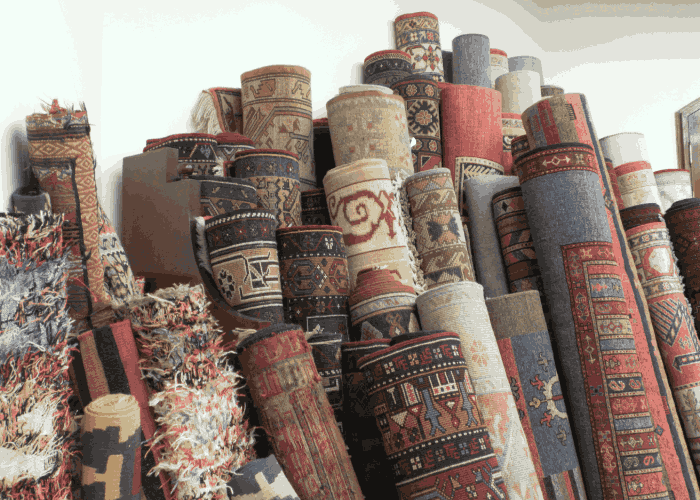
Have you ever wondered about the intricate stories woven into the very fabric of your home? Perhaps you’ve admired a stunning carpet, its patterns telling tales of distant lands and ancient traditions. India, a country celebrated for its rich cultural heritage, stands as a global beacon for exquisite carpet weaving.
Among its many weaving hubs, the looms of Kerala are increasingly gaining international acclaim, bringing a fresh perspective to the world of premium carpets. This article will take you on a captivating journey, from the skilled hands of Indian artisans to the luxurious homes and prestigious spaces across the globe, uncovering the magic behind India’s premium carpets.
You will discover what makes these floor coverings not just decorative items, but true works of art, embodying centuries of craftsmanship and innovation.
The Rich Tapestry of Indian Carpet Weaving Heritage
India’s relationship with carpets is as old as its civilization, a narrative steeped in history and artistic evolution. The art of carpet weaving here is not merely a craft; it is a profound cultural legacy passed down through generations. You might be surprised to learn how deep these roots truly run.
A Journey Through Time: Mughal Splendor and Beyond
The golden age of Indian carpet weaving began primarily with the arrival of the Mughals in the 16th century. Emperors like Akbar were passionate patrons of the arts, importing Persian weavers and techniques, which then beautifully merged with indigenous Indian motifs and sensibilities. This fusion gave birth to a distinct style characterized by intricate floral designs, hunting scenes, and vibrant color palettes.
You can still see this historical influence in many modern premium carpets from India. Over centuries, regional variations emerged, each reflecting the unique cultural identity and available materials of its area. This rich heritage is a cornerstone of India’s global reputation.
Why India is Renowned for Carpets
India’s standing as a premier carpet producer is not by chance; it’s a testament to several unique factors. You will find that Indian carpets are celebrated for their unparalleled craftsmanship, the use of high-quality natural materials, and their incredible durability. Artisans possess a mastery of various weaving techniques, each contributing to the carpet’s distinct character.
Moreover, the sheer diversity of designs, from traditional Persian and Mughal patterns to contemporary abstract art, ensures there’s an Indian carpet to complement every aesthetic. This blend of tradition and innovation is a key reason for their global appeal.
Traditional Techniques and Artistry
At the heart of every premium Indian carpet lies a laborious and precise handcrafting process. You will be amazed by the dedication involved in each knot. The most revered method is hand-knotting, where individual knots are tied onto a warp thread, creating a dense and resilient pile.
Other traditional techniques include hand-tufting, where yarn is punched through a fabric backing, and flatweaving (like Dhurries), which produces a thinner, reversible rug. Each technique requires immense skill, patience, and an artistic eye, ensuring that every carpet is a unique masterpiece.
Kerala’s Unique Contribution to the Carpet World
When you think of Indian carpets, states like Kashmir, Uttar Pradesh, and Rajasthan often come to mind. However, the southern state of Kerala, traditionally known for its backwaters and spices, is quietly but powerfully carving out a niche in the premium carpet market. Its unique approach and materials offer a refreshing alternative.
The Rise of Coir and Natural Fiber Carpets
Kerala is the leading producer of coir, a natural fiber extracted from coconut husks, making it a pioneer in sustainable carpet manufacturing. While coir was traditionally used for doormats and utility rugs, Kerala’s artisans have transformed it into sophisticated, premium floor coverings. You can now find beautifully woven coir carpets, often blended with other natural fibers like jute, sisal, and even wool, offering unique textures and earthy aesthetics.
These carpets are celebrated for their durability, natural appeal, and eco-friendly properties, resonating strongly with environmentally conscious consumers globally. The innovation in design and weaving techniques has elevated coir to a luxury status.
The Craftsmanship and Dedication of Kerala Artisans
The artisans of Kerala bring a distinct sensibility to their craft, often blending traditional Indian weaving knowledge with a focus on natural materials. Their dedication to quality and sustainability is truly commendable. You will find that their hands, accustomed to working with robust natural fibers, create carpets that are not only beautiful but also incredibly resilient.
Many weaving communities in Kerala are small-scale and family-run, ensuring that traditional skills are preserved and passed down. This personal touch and commitment to excellence are evident in every fiber of a Kerala-made carpet.
Sustainability Aspects of Kerala’s Carpet Industry
Sustainability is not just a buzzword in Kerala; it’s an inherent part of its carpet manufacturing philosophy. The use of coir, a renewable and biodegradable resource, significantly reduces the environmental footprint. You are investing in a product that is kind to the planet when you choose a Kerala coir carpet.
Furthermore, many coir carpet units employ eco-friendly dyeing processes and minimize waste, contributing to a circular economy. This commitment to green practices positions Kerala as a leader in sustainable luxury, a trait highly valued in the global market.
The Art of Crafting a Premium Carpet
Understanding what makes a carpet premium involves delving into the meticulous process of its creation. It’s a journey from raw materials to a finished masterpiece, guided by skilled hands and a keen artistic vision. You will appreciate the complexity and artistry involved in every step.
Selecting the Finest Materials
The foundation of any premium carpet lies in its materials. Indian weavers meticulously select fibers to ensure longevity, softness, and vibrant color retention. You will often encounter carpets made from the following high-quality materials:
- Wool: Often sourced from New Zealand for its strength and luster, or indigenous Indian wool known for its resilience. Wool offers excellent durability, natural stain resistance, and a luxurious feel.
- Silk: Revered for its unparalleled softness, sheen, and ability to hold intricate detail. Silk carpets are the epitome of luxury and are often used in smaller, highly decorative rugs.
- Bamboo Silk: A sustainable alternative to traditional silk, offering a similar lustrous appearance and soft texture. It’s gaining popularity for its eco-friendly credentials.
- Coir: As discussed, a robust, natural fiber from Kerala, ideal for durable, textured rugs with an earthy appeal.
- Jute and Cotton: Often used for flatweave rugs or as backing materials, providing strength and a natural feel.
The choice of material significantly impacts the carpet’s look, feel, and performance, ensuring you get exactly what you desire.
Mastering Weaving Techniques
The technique employed in weaving is crucial to a carpet’s character and quality. Indian artisans are proficient in several methods, each yielding a distinct result. You will find carpets crafted using:
- Hand-Knotting: The most labor-intensive and prestigious method, where each knot is individually tied. This creates a dense, durable pile that can last for generations, often becoming heirloom pieces.
- Hand-Tufting: A quicker method where yarn is punched through a primary backing with a hand-held tool. While still handcrafted, it offers a slightly different texture and often allows for more intricate designs at a more accessible price point.
- Flatweave (Dhurries): These rugs have no pile, offering a flat, reversible surface. They are lightweight, durable, and often feature geometric or striped patterns, perfect for high-traffic areas or a more casual aesthetic.
- Hand-Loomed: Involves weaving on a loom, often creating a textured, cut-pile or loop-pile carpet. This method can produce beautiful, intricate designs with a softer feel.
Understanding these techniques helps you appreciate the artistry and effort behind each piece.
From Concept to Loom: The Design Process
The creation of a premium carpet begins long before the first knot is tied. It starts with an artistic vision. You might be surprised by the detailed planning involved.
Designers meticulously sketch patterns, often drawing inspiration from historical motifs, nature, or contemporary art trends.
These designs are then translated into intricate graphs, or “talim,” which serve as a blueprint for the weavers, indicating every color and knot. This meticulous planning ensures that the final product perfectly matches the initial artistic concept, allowing for incredible detail and precision.
Quality Control and Finishing Touches
Once woven, a premium carpet undergoes a rigorous series of quality checks. You can expect thorough inspections for knot consistency, color accuracy, and overall structural integrity. The carpet is then carefully washed to enhance its luster and soften the fibers, a process that can take several days.
Finally, it is meticulously sheared and hand-carved to bring out the design details and create a luxurious finish. These final touches are what elevate a good carpet to a truly premium one, ensuring its beauty and durability for years to come.
What Makes an Indian Carpet “Premium”?
The term “premium” in the context of Indian carpets signifies more than just a high price tag. It encapsulates a combination of factors that ensure exceptional quality, longevity, and artistic value. You are investing in a legacy when you choose a premium Indian carpet.
Knot Density and Its Impact on Quality
For hand-knotted carpets, knot density is a primary indicator of quality and durability. This refers to the number of knots per square inch (KPSI) or square meter. A higher knot density means more yarn is packed into the carpet, resulting in a finer, more detailed design and a more robust, long-lasting pile.
You will find that carpets with high KPSI feel denser, are more resistant to wear, and can showcase incredibly intricate patterns. While lower knot counts can still be beautiful, higher densities are a hallmark of true premium craftsmanship.
Dyeing Processes: Colorfastness and Vibrancy
The beauty of a carpet is profoundly influenced by its colors. Premium Indian carpets utilize high-quality dyeing processes that ensure colorfastness and vibrancy. You will often see a preference for natural dyes derived from plants, insects, and minerals, which produce rich, nuanced hues that mellow beautifully over time.
Even when synthetic dyes are used, they are carefully selected for their lightfastness and resistance to fading. This meticulous attention to dyeing ensures that the carpet’s colors remain brilliant and true, even after years of use and cleaning.
Durability and Longevity
A premium Indian carpet is an investment designed to last for generations. Its durability stems from the combination of high-quality materials, meticulous hand-knotting, and expert finishing. You can expect these carpets to withstand significant foot traffic while maintaining their beauty and structural integrity.
Unlike mass-produced machine-made rugs, hand-knotted carpets become more beautiful with age, developing a unique patina. This longevity makes them not just floor coverings, but valuable heirloom pieces that can be passed down through your family.
Ethical Sourcing and Fair Trade Practices
In today’s conscious market, the ethical footprint of a product is as important as its aesthetic appeal. Many premium Indian carpet manufacturers are committed to ethical sourcing and fair trade practices. You can often find certifications that guarantee artisans are paid fair wages, work in safe conditions, and that no child labor is involved.
This commitment ensures that your beautiful carpet has a beautiful story behind it, contributing positively to the lives of the skilled men and women who created it. Supporting these practices means you are part of a responsible global community.
India’s Carpets on the Global Stage
India has long been a major player in the global carpet market, but its premium offerings, including those from emerging regions like Kerala, are gaining unprecedented recognition. You can find Indian carpets adorning luxurious homes, five-star hotels, and corporate offices worldwide.
Export Market Trends and Growth
The global demand for high-quality, handcrafted carpets continues to grow, and India is perfectly positioned to meet this need. The country exports a significant volume of carpets, with key markets including the United States, Europe, and increasingly, emerging Asian economies. You will see a consistent upward trend in the export value of Indian carpets, reflecting their growing international appeal.
This growth is fueled by a combination of competitive pricing, diverse design offerings, and a strong reputation for quality. The versatility of Indian carpets, from traditional to contemporary, caters to a wide range of global tastes.
Challenges and Opportunities
While the global market offers immense opportunities, Indian carpet manufacturers also face challenges. Competition from other weaving nations, fluctuating raw material costs, and the need for continuous innovation are constant considerations. However, these challenges also present opportunities for growth and differentiation.
You will find that Indian manufacturers are increasingly investing in design innovation, sustainable practices, and direct-to-consumer models to strengthen their global presence. The focus on unique, handcrafted, and ethically produced goods gives them a significant edge.
Innovation in Design and Materials
Innovation is key to staying relevant in the dynamic global market. Indian carpet designers are constantly experimenting with new patterns, color palettes, and material combinations. You will see a fascinating blend of traditional motifs reinterpreted with modern sensibilities, as well as entirely new contemporary designs.
The integration of materials like bamboo silk, recycled PET fibers, and natural coir (especially from Kerala) showcases a commitment to both aesthetic appeal and environmental responsibility. This forward-thinking approach ensures that Indian carpets remain at the forefront of global design trends.
Brand Building and International Recognition
Indian carpet houses are increasingly focusing on building strong international brands, emphasizing their unique heritage, craftsmanship, and ethical practices. You will find that many reputable Indian brands participate in major international trade fairs, collaborating with global designers and interior decorators.
This strategic brand building, combined with a commitment to quality and innovation, has cemented India’s position as a source of premium, highly sought-after carpets on the world stage. The story of each carpet, from its origin to its global destination, is a testament to this recognition.
Investing in an Indian Premium Carpet
Choosing a premium Indian carpet is more than just a purchase; it’s an investment in art, history, and enduring beauty. You are bringing a piece of unparalleled craftsmanship into your home.
Why You Should Choose One
When you opt for a premium Indian carpet, you are choosing a product that offers exceptional value. Its handcrafted nature ensures uniqueness, with no two carpets being exactly alike. The superior materials and knotting techniques guarantee incredible durability, often lasting for decades, if not centuries.
Beyond functionality, these carpets are exquisite works of art that enhance any interior, adding warmth, texture, and a touch of global sophistication. They tell a story, connect you to a rich cultural heritage, and often appreciate in value over time.
Care and Maintenance Tips
To ensure your premium Indian carpet retains its beauty for years, proper care is essential. You should regularly vacuum your carpet to remove dust and dirt, using a suction-only setting without a beater bar, especially for hand-knotted pieces. Rotate your carpet periodically to ensure even wear.
For spills, blot immediately with a clean, white cloth; avoid rubbing. Professional cleaning every few years is highly recommended to maintain its freshness and extend its life. Always consult a reputable carpet cleaning specialist experienced with hand-knotted rugs.
Authenticity and Certification
Given the value of premium carpets, ensuring authenticity is crucial. You should always purchase from reputable dealers or directly from well-known manufacturers who can provide certificates of authenticity. These certificates often detail the carpet’s origin, materials, knot count, and age.
Look for labels or tags that indicate the carpet is hand-knotted or hand-tufted and made in India. Some organizations offer fair trade or child-labor-free certifications, providing additional assurance about the ethical production of your carpet.
The Value Proposition of Indian Premium Carpets
The true value of an Indian premium carpet extends far beyond its initial cost. It’s an investment in a durable, beautiful, and unique piece of art that enriches your living space. You gain a functional item that also serves as a focal point, a conversation starter, and a family heirloom.
Considering their longevity and timeless appeal, these carpets offer excellent value for money. They are not merely floor coverings but expressions of culture, skill, and enduring beauty, offering a richness that machine-made alternatives simply cannot match.
Comparative Data: Premium Carpet Materials
To help you better understand the options available, here is a comparative overview of popular premium carpet materials:
| Material | Key Characteristics | Durability | Luster/Feel | Primary Use |
|---|---|---|---|---|
| Wool (New Zealand) | Strong, resilient, natural stain resistance, excellent dye uptake. | Very High | Soft, moderate sheen. | High-traffic areas, living rooms, bedrooms. |
| Wool (Indian) | Robust, slightly coarser texture, good resilience. | High | Subtle sheen, natural. | High-traffic areas, more rustic aesthetics. |
| Silk | Extremely soft, high sheen, excellent for intricate details. | Moderate (delicate) | Luxurious, high sheen. | Low-traffic areas, decorative wall hangings, accent rugs. |
| Bamboo Silk | Soft, lustrous, eco-friendly, similar feel to traditional silk. | Moderate | Silky, high sheen. | Medium-traffic areas, bedrooms, decorative rugs. |
| Coir (Kerala) | Extremely durable, coarse texture, natural, biodegradable. | Very High | Matte, textured. | High-traffic areas, outdoor/patio (if treated), entryways. |
| Jute | Durable, soft underfoot than coir, natural, biodegradable. | High | Matte, slightly softer than coir. | Medium-traffic areas, living rooms, bedrooms. |
This table should help you identify which material best suits your specific needs and aesthetic preferences. You can see how each material brings its unique properties to the premium carpet experience.
Conclusion
From the ancient looms of India, nurtured by centuries of tradition, to the innovative workshops of Kerala, a new chapter in premium carpet weaving is continuously being written. You have journeyed through the rich history, intricate craftsmanship, and sustainable practices that define these magnificent floor coverings.
The dedication of Indian artisans, combined with a commitment to quality and ethical production, ensures that these carpets are not just products, but legacies. They are investments in art, comfort, and a piece of global culture that enriches your home and tells a timeless story.
As India’s premium carpets continue their ascent onto the global stage, you are invited to experience the unparalleled beauty and enduring value they offer. Bring a piece of this extraordinary heritage into your life and let its story unfold beneath your feet.
Frequently Asked Questions (FAQ)
What makes an Indian carpet “premium”?
A premium Indian carpet is characterized by its superior materials (like high-quality wool or silk), meticulous hand-knotting or hand-tufting techniques, high knot density, vibrant and colorfast dyes, and exceptional durability. You are essentially investing in a handcrafted work of art designed to last generations.
Are Kerala carpets only made of coir?
While Kerala is renowned for its high-quality coir carpets due to its abundant coconut resources, its carpet industry is diversifying. You can now find Kerala carpets made from blends of coir with jute, sisal, cotton, and even wool, offering a wider range of textures and aesthetics. The focus often remains on natural and sustainable fibers.
How do I care for my premium Indian carpet?
Regular care for your premium Indian carpet involves gentle vacuuming (without a beater bar) to prevent fiber damage. You should rotate it periodically to ensure even wear. For spills, blot immediately with a clean cloth.
For deep cleaning, always consult a professional rug cleaner experienced with hand-knotted and natural fiber carpets. Avoid harsh chemicals or machine washing.
What is knot density and why is it important?
Knot density refers to the number of knots per square inch (KPSI) in a hand-knotted carpet. It’s a crucial indicator of quality and durability. A higher knot density typically means a finer, more detailed design, greater resilience, and a longer lifespan for the carpet.
You will find that higher KPSI carpets feel denser and more luxurious.
How can I ensure my Indian carpet is authentic and ethically made?
To ensure authenticity, purchase from reputable dealers or direct manufacturers who provide certificates of origin or authenticity. Many premium brands also adhere to fair trade practices and have certifications (e.g., from GoodWeave) that guarantee ethical production, fair wages, and no child labor. You should always ask for these assurances when making a purchase.
Can premium Indian carpets be used in high-traffic areas?
Yes, many premium Indian carpets, especially those made from high-quality wool or robust natural fibers like coir, are exceptionally durable and suitable for high-traffic areas. Hand-knotted wool carpets, with their high knot density and natural resilience, are particularly well-suited for living rooms, hallways, and dining areas. Coir carpets from Kerala are also excellent for high-traffic or even semi-outdoor spaces.