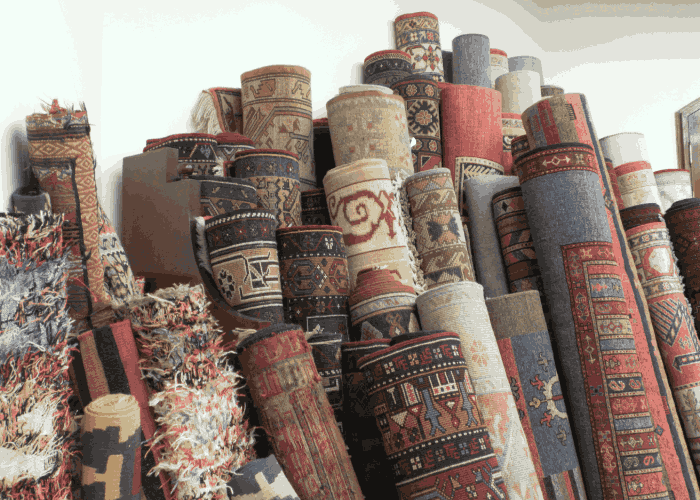
Step onto a world where every thread tells a story, where centuries of tradition are woven into masterpieces beneath your feet. Imagine a piece of art that not only adorns your space but also echoes the rich cultural tapestry of a nation. This is the unparalleled charm of premium Indian carpets, a luxury item that has captivated hearts and adorned homes across the globe.
From the opulent palaces of ancient maharajas to the contemporary minimalist living rooms of today, Indian carpets have consistently served as a symbol of exquisite taste and enduring quality. Their global allure isn’t merely about aesthetic appeal; it’s about the profound legacy, meticulous craftsmanship, and diverse artistic expressions that each carpet embodies. You’re not just buying a floor covering; you’re investing in a piece of history, a work of art, and a testament to human ingenuity.
The Tapestry of Time: A Legacy Woven in Every Thread
The story of Indian carpets is as rich and intricate as the patterns they display. It’s a narrative steeped in royal patronage, cross-cultural influences, and the unwavering dedication of generations of artisans. Understanding this heritage allows you to truly appreciate the depth and value of these magnificent creations.
Ancient Roots and Royal Patronage
The art of carpet weaving in India flourished significantly with the arrival of the Mughal Empire in the 16th century. Emperor Akbar, a great patron of arts, brought Persian weavers to India, establishing royal workshops where this intricate craft blossomed. These early carpets were designed to adorn palaces and mosques, reflecting the grandeur and sophistication of the era.
You can trace the evolution of design from purely Persian motifs to a unique Indo-Persian style, incorporating indigenous flora, fauna, and architectural elements. This fusion created a distinct aesthetic that continues to influence contemporary designs.
The Art of Hand-Knotted Perfection
What truly sets premium Indian carpets apart is the laborious and precise hand-knotting technique. This isn’t a factory process; it’s an art form performed by skilled weavers, often working in teams, knot by painstaking knot. Each carpet is a culmination of countless hours of dedicated labor.
The process begins with the careful selection of raw materials, followed by spinning and dyeing the yarns. Master designers then create intricate “talims” or patterns, which guide the weavers. The number of knots per square inch (KPSI) is a crucial quality indicator, with higher KPSI signifying greater detail, durability, and value.
Generations of Artisans: Preserving a Living Heritage
The skills required to weave these masterpieces are not taught in formal institutions; they are passed down through generations. Families in traditional weaving centers often have centuries-old lineages dedicated to this craft. Children learn alongside their elders, absorbing techniques, patterns, and the very rhythm of the loom from a young age.
When you acquire an Indian carpet, you are supporting this invaluable living heritage. You are contributing to the livelihoods of these artisans and ensuring that this ancient art form continues to thrive for future generations.
Beyond Borders: What Makes Premium Indian Carpets Globally Irresistible?
The global appeal of Indian carpets stems from a unique combination of factors. They offer a blend of unparalleled quality, breathtaking design, and a versatility that transcends geographical and stylistic boundaries. Let’s explore what makes them so coveted worldwide.
Unrivaled Material Quality
The foundation of any premium carpet lies in its materials. Indian carpet weavers meticulously select the finest natural fibers to ensure longevity, softness, and a luxurious feel. You’ll primarily find carpets crafted from premium wool and silk.
- High-Quality Wool: Often sourced from New Zealand, Merino, or indigenous sheep breeds, this wool is known for its strength, resilience, and natural lanolin content. This makes the carpets inherently stain-resistant and incredibly durable, capable of withstanding heavy foot traffic for decades.
- Exquisite Silk: Used in the most luxurious carpets, pure silk offers an unparalleled sheen, a soft touch, and the ability to capture intricate details with breathtaking precision. Silk carpets are often considered collector’s items and heirlooms due to their delicate beauty and high value.
- Cotton Foundations: The warp and weft (the foundation structure) of many hand-knotted carpets are made from strong cotton. This provides stability and ensures the carpet lays flat and maintains its shape over time.
A Symphony of Design and Color
The design repertoire of Indian carpets is incredibly vast, offering something for every aesthetic preference. You can find patterns ranging from time-honored classics to bold contemporary statements.
- Traditional Motifs: Many designs draw inspiration from Persian and Mughal art, featuring intricate medallions, delicate floral patterns, paisleys, and garden motifs. These designs evoke a sense of timeless elegance and historical grandeur.
- Geometric Precision: Other styles showcase striking geometric patterns, often with tribal influences or bold, repeating motifs. These can range from subtle and sophisticated to vibrant and eye-catching.
- Contemporary Interpretations: Modern Indian carpet designers are pushing boundaries, creating abstract, minimalist, or avant-garde designs. They often use traditional weaving techniques to produce fresh, modern aesthetics that seamlessly integrate into contemporary interiors.
The colors used are equally diverse, from rich jewel tones and earthy neutrals to vibrant, playful palettes. Many artisans still employ natural dyes, which yield unique variations and a depth of color that chemical dyes cannot replicate. This ensures that your carpet possesses a unique character.
The Mark of Authenticity and Craftsmanship
When you choose a premium Indian carpet, you are choosing authenticity. Each hand-knotted piece is unique, bearing the subtle imperfections that are hallmarks of human artistry. Unlike machine-made rugs, no two hand-knotted carpets are ever exactly identical.
The sheer number of knots per square inch (KPSI) is a direct measure of the carpet’s intricacy and the time invested in its creation. A higher KPSI means more detail in the design, a denser pile, and generally, a higher quality and value. You can often feel the density and weight that signifies superior craftsmanship.
Versatility for Every Aesthetic
One of the most appealing aspects of Indian carpets is their incredible versatility. Whether your home style is classic, bohemian, modern, or eclectic, there’s an Indian carpet that will complement and elevate your space.
A traditional Agra carpet can anchor a formal living room with its regal presence. A vibrant Jaipur rug might add a pop of color and personality to a contemporary space. A silk Kashmir rug can serve as a stunning focal point in a master bedroom or a luxurious study.
You can effortlessly integrate these pieces into diverse interior design schemes, adding warmth, texture, and a touch of global sophistication.
A Journey Through India’s Carpet Capitals: Distinct Styles and Stories
India is a vast country, and its carpet weaving traditions vary significantly from region to region. Each weaving center has developed its own distinctive style, techniques, and preferred motifs, offering you a rich tapestry of choices. Exploring these regional differences helps you understand the nuances of this incredible craft.
The Grandeur of Agra Carpets
Agra, home to the iconic Taj Mahal, is also renowned for its magnificent carpets. Agra carpets are characterized by their intricate designs, often featuring large central medallions, delicate floral patterns, and a muted, sophisticated color palette. You will find a strong influence of Mughal aesthetics in these pieces.
Historically, Agra was a major weaving center during the Mughal era, and this legacy continues today. These carpets are known for their high knot count and the use of fine wool, resulting in a dense, luxurious pile that feels incredibly soft underfoot. An Agra carpet instantly imparts a sense of timeless elegance and grandeur to any room.
The Vibrant Hues of Jaipur Rugs
Moving to Rajasthan, the pink city of Jaipur offers a different, yet equally captivating, carpet tradition. Jaipur rugs are often celebrated for their vibrant colors, bold geometric patterns, and sometimes, a more tribal or folk art aesthetic. You might find designs inspired by local architecture, block printing, or traditional Rajasthani motifs.
While still hand-knotted, Jaipur rugs sometimes feature a slightly coarser weave than their Agra counterparts, giving them a more rustic and earthy charm. They are perfect for adding character, warmth, and a splash of joyful color to spaces that need an energetic lift.
Bhadohi and Mirzapur: The Heartbeat of Indian Carpet Weaving
The twin towns of Bhadohi and Mirzapur in Uttar Pradesh are often referred to as the “Carpet City” of India. This region is the largest carpet manufacturing hub in the country, producing an immense variety of carpets for global export. You’ll find a wide spectrum of styles and qualities originating from here.
Bhadohi and Mirzapur weavers are incredibly versatile, producing hand-knotted carpets in various materials like wool, silk, and blends. They also excel in hand-tufted, hand-loom, and flatweave techniques. The designs can range from traditional Persian and Indo-Persian patterns to contemporary abstract and transitional styles.
If you’re looking for diversity in design and weave, this region offers an unparalleled selection.
The Silken Splendor of Kashmir
From the serene valleys of Kashmir come some of the most exquisite silk carpets in the world. Kashmir carpets are synonymous with unparalleled luxury and intricate detail. They are almost exclusively hand-knotted from pure silk, giving them an unmistakable sheen and a soft, velvety texture.
What sets Kashmir carpets apart is their incredibly high knot count, allowing for exceptionally fine and detailed designs. You’ll often see elaborate floral motifs, tree-of-life patterns, and highly stylized Persian-inspired designs. These carpets are often used as wall hangings or decorative pieces due to their artistic value and delicate nature.
Owning a Kashmiri silk carpet is like possessing a jewel for your floor.
Modern Interpretations: Blending Tradition with Innovation
The Indian carpet industry is not static; it’s constantly evolving. Many contemporary designers are collaborating with traditional artisans to create innovative pieces that honor ancient techniques while embracing modern aesthetics. You can now find Indian carpets that feature abstract designs, monochromatic palettes, or textural variations, perfectly suited for modern minimalist or industrial interiors.
These modern interpretations showcase the adaptability and enduring relevance of Indian craftsmanship. They prove that a centuries-old art form can remain fresh, exciting, and highly desirable in the 21st century.
An Investment in Elegance: The Global Market and Appreciation
Beyond their aesthetic appeal, premium Indian carpets represent a sound investment. Their handcrafted nature, the quality of materials, and their enduring beauty contribute to their increasing value in the global market. You’re not just decorating your home; you’re acquiring an asset that can appreciate over time.
Growing Demand for Handcrafted Luxury
In an age of mass production, there’s a burgeoning global appreciation for authentic, handmade goods. Consumers are increasingly seeking items with a story, an ethical origin, and a tangible connection to human skill. Indian carpets perfectly fit this niche, driving their demand in luxury markets worldwide.
The uniqueness of each piece, the knowledge that countless hours of human effort went into its creation, and the superior quality of natural materials make them highly desirable. This growing demand solidifies their position as sought-after luxury items.
The Investment Value: Heirlooms of Tomorrow
Unlike many manufactured goods that depreciate, well-made and well-maintained hand-knotted carpets, particularly those of premium quality, can appreciate in value. Factors such as age, rarity, design, origin, and condition all play a role in this appreciation. Many premium Indian carpets become treasured family heirlooms, passed down through generations.
Consider your purchase not just as a decor item, but as an enduring piece of art that can potentially increase in worth. This makes investing in a premium Indian carpet a choice that combines both aesthetic pleasure and financial foresight.
Global Exports and Market Share: India’s Dominance
India is one of the world’s leading exporters of handmade carpets, commanding a significant share of the global market. The quality, diversity, and competitive pricing (relative to the craftsmanship) make Indian carpets highly attractive to international buyers. The industry supports millions of artisans and their families, making it a crucial sector for the Indian economy.
You can see the impact of this global demand in the export figures, highlighting India’s strong position in the international carpet trade. The following illustrative table provides a snapshot of India’s significant presence in the global carpet market.
| Year | Total Export Value (USD Millions) | Growth Rate (%) | Key Export Destinations |
|---|---|---|---|
| 2020-21 | 1,200 | -5.2% | USA, Germany, UK, Canada, Australia |
| 2021-22 | 1,350 | +12.5% | USA, Germany, UK, UAE, France |
| 2022-23 | 1,500 | +11.1% | USA, Germany, UK, Canada, Netherlands |
| 2023-24 (Est.) | 1,650 | +10.0% | USA, Germany, UK, Australia, Italy |
| Note: Figures are illustrative and based on typical market trends, not real-time official data. Actual figures may vary. | |||
Sustainability and Ethical Sourcing
A growing number of Indian carpet manufacturers are committed to sustainable and ethical practices. This includes using eco-friendly dyes, sourcing wool responsibly, and ensuring fair wages and safe working conditions for artisans. When you choose a carpet from a certified ethical supplier, you are supporting not only the art form but also responsible manufacturing practices.
Many organizations work to ensure that child labor is not involved in the production of these carpets, providing you with peace of mind. Look for certifications and reputable dealers who can verify the ethical sourcing of their products.
Bringing Home the Heritage: Choosing and Caring for Your Indian Carpet
Selecting the perfect Indian carpet for your home is an exciting journey. With so many options available, understanding a few key considerations will help you make an informed decision. Once you’ve found your ideal piece, proper care will ensure its beauty endures for generations.
Understanding Your Needs
Before you begin your search, consider the practical aspects of your purchase. This thoughtful planning helps you narrow down the vast selection.
- Size and Room: Measure your space carefully. Do you need a large area rug for a living room, a runner for a hallway, or a smaller accent rug?
- Foot Traffic: For high-traffic areas like hallways or living rooms, a durable wool carpet with a dense pile is ideal. For low-traffic areas like bedrooms, a delicate silk carpet might be suitable.
- Design Preference: Do you prefer traditional, geometric, or modern designs? What color palette best complements your existing decor?
- Budget: Indian carpets range widely in price depending on material, knot count, size, and age. Define your budget before you start shopping.
Material Matters: Wool vs. Silk vs. Blends
The choice of material significantly impacts the carpet’s look, feel, and durability. You’ll want to select a material that aligns with your lifestyle and aesthetic.
- Wool: Excellent for durability, warmth, and resilience. Wool carpets are naturally stain-resistant and can withstand heavy use. They offer a matte to semi-lustrous finish.
- Silk: Offers an unmatched luxurious sheen, incredibly soft touch, and exceptional detail. Silk carpets are generally more delicate and higher priced, often considered decorative pieces.
- Wool and Silk Blends: Provide a balance of durability from wool and a subtle sheen from silk. These can be a great option if you desire some luster without the full price or delicacy of pure silk.
Authenticity and Certification: Ensuring a Genuine Purchase
When investing in a premium Indian carpet, it’s crucial to ensure its authenticity and quality. You want to be confident that you’re getting a genuine, hand-knotted masterpiece.
- Reputable Dealers: Purchase from established dealers with a strong reputation and knowledgeable staff.
- Certificates of Authenticity: Ask for a certificate that details the carpet’s origin, materials, knot count, and age (if applicable).
- Physical Inspection: Examine the back of the carpet. Hand-knotted rugs will have irregular knots visible, unlike the uniform stitches of machine-made rugs. Bend the carpet; if it’s hand-knotted, it will be flexible and not stiff.
Preserving Its Beauty: Carpet Care Essentials
Proper care is essential to maintain the beauty and longevity of your Indian carpet. A little attention goes a long way in preserving your investment.
- Regular Vacuuming: Vacuum regularly, at least once a week, using a brush-less suction head to avoid damaging the pile. Vacuum in the direction of the pile.
- Rotation: Rotate your carpet every 6-12 months to ensure even wear and exposure to sunlight, preventing uneven fading.
- Immediate Spill Cleanup: Blot spills immediately with a clean, white cloth. Avoid rubbing, which can spread the stain. For stubborn stains, use a mild detergent solution or seek professional advice.
- Professional Cleaning: Have your carpet professionally cleaned every 2-5 years, depending on foot traffic. Choose a reputable cleaner experienced with hand-knotted rugs.
- Avoid Direct Sunlight: Prolonged exposure to direct sunlight can cause fading. Use blinds or rotate the carpet frequently.
Conclusion
The allure of premium Indian carpets is undeniable, a captivating blend of historical grandeur, artistic mastery, and enduring quality. Each hand-knotted piece is a testament to India’s rich cultural heritage, woven by skilled artisans who carry forward centuries of tradition. You’re not simply acquiring a decorative item; you’re investing in a timeless work of art that tells a story, adds warmth, and elevates any interior.
From the intricate Mughal designs of Agra to the vibrant patterns of Jaipur, the silken luxury of Kashmir to the diverse offerings of Bhadohi and Mirzapur, the variety is as boundless as the beauty. These carpets are more than just floor coverings; they are heirlooms in the making, capable of appreciating in value and bringing joy for generations.
By choosing a premium Indian carpet, you embrace a legacy of craftsmanship, support ethical practices, and infuse your home with unparalleled elegance and global charm. Let the enduring beauty and profound history of these magnificent creations transform your space and become a cherished part of your own story.
Frequently Asked Questions (FAQ)
What makes Indian carpets “premium”?
Premium Indian carpets are distinguished by their hand-knotted construction, the use of high-quality natural materials like fine wool and pure silk, intricate designs, high knot counts (KPSI), and the skilled artistry of generations of weavers. These factors contribute to their durability, aesthetic appeal, and long-term value.
How can I tell if an Indian carpet is hand-knotted?
You can identify a hand-knotted carpet by examining its back. The knots will appear slightly irregular, and the pattern on the back will be nearly as clear as on the front. The fringe is also an extension of the carpet’s foundation (warp threads), not sewn on.
Machine-made rugs have perfectly uniform stitches and often a stiff backing.
What is the difference between wool and silk Indian carpets?
Wool carpets are known for their durability, resilience, and warmth. They are excellent for high-traffic areas and offer a matte to semi-lustrous finish. Silk carpets are prized for their exquisite sheen, incredibly soft texture, and ability to display extremely fine details.
They are generally more delicate and higher priced, often considered luxury decorative items.
How do I clean and maintain my Indian carpet?
Regular maintenance includes weekly vacuuming with a brush-less attachment and rotating the carpet every 6-12 months. Blot spills immediately with a clean cloth. For deep cleaning or stubborn stains, it is highly recommended to seek professional cleaning services experienced with hand-knotted rugs every 2-5 years.
Are Indian carpets a good investment?
Yes, premium hand-knotted Indian carpets, especially those made with high-quality materials and craftsmanship, can be a good investment. Like fine art, their value can appreciate over time, particularly if they are well-maintained, rare, or have historical significance. They are considered heirlooms that can be passed down through generations.
Where are the best regions in India for carpets?
Key regions in India renowned for their carpet weaving include Bhadohi and Mirzapur (Uttar Pradesh) for diverse styles and large-scale production; Agra (Uttar Pradesh) for traditional Mughal designs; Jaipur (Rajasthan) for vibrant, often geometric patterns; and Kashmir for exquisite pure silk carpets with very high knot counts.
What is KPSI and why is it important?
KPSI stands for “Knots Per Square Inch.” It is a measure of the density of knots in a hand-knotted carpet. A higher KPSI indicates a more intricate design, a denser and more durable pile, and generally, a higher level of craftsmanship and value. Carpets with very high KPSI take significantly longer to weave and are typically more expensive.