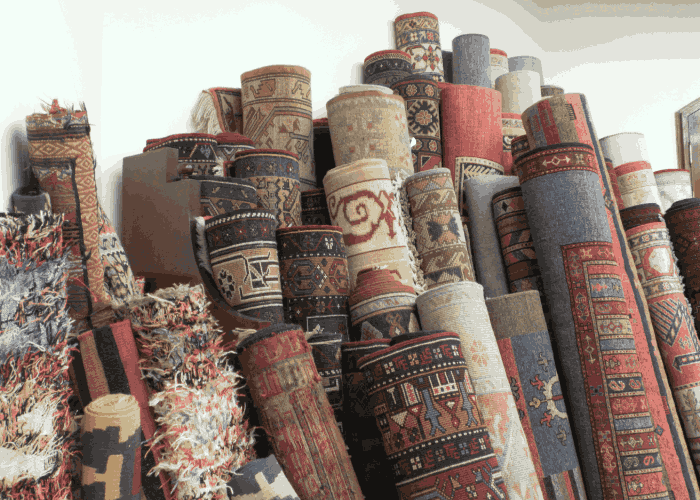
Imagine stepping into a space that doesn’t just feel lived in, but truly curated. A place where every element speaks of thoughtful design, comfort, and an undeniable sense of luxury. If you are looking to infuse your home with unparalleled warmth, texture, and a story that spans generations, then you are about to discover a world of exquisite beauty.
India’s premium carpets are not merely floor coverings; they are works of art, meticulously crafted by skilled artisans whose legacy is woven into every fiber. They offer an opportunity to transform your living environment into a sanctuary of elegance and a testament to refined taste. This comprehensive guide will take you on a journey through the intricate world of these magnificent creations, helping you understand their value and how they can elevate your space.
The Enduring Legacy: A Tapestry of Time and Tradition
The art of carpet making in India boasts a history as rich and vibrant as the carpets themselves. Its roots can be traced back centuries, evolving under the patronage of emperors and nobles who sought to adorn their palaces with unparalleled beauty. This heritage is not just historical; it is a living tradition passed down through generations of artisans.
When you choose an Indian premium carpet, you are not just acquiring an object; you are investing in a piece of history. You are bringing home a narrative of ancient techniques, artistic innovation, and a cultural legacy that continues to thrive. This deep-seated tradition is what gives these carpets their unique character and enduring appeal.
Mughal Influence: The Golden Age of Indian Carpets
The true golden age of Indian carpet weaving began with the arrival of the Mughals in the 16th century. Emperor Akbar, deeply inspired by Persian designs, brought skilled weavers from Persia to establish workshops in India. This fusion of Persian artistry with indigenous Indian motifs gave birth to a distinct and magnificent style.
Mughal carpets were renowned for their intricate designs, often featuring floral patterns, animal motifs, and elaborate medallions. They utilized luxurious materials like silk and fine wool, dyed with natural pigments that produced breathtaking hues. This era set the benchmark for quality and design that continues to influence Indian carpet making today.
Evolution Through Centuries: Adapting and Innovating
Over the centuries, Indian carpet weaving continued to evolve, absorbing influences from various regions and eras. British colonial rule, for instance, introduced new patterns and demands, leading to adaptations in design and production. However, the core principles of intricate handcraftsmanship remained unwavering.
Today, Indian carpet makers skillfully blend traditional motifs with contemporary aesthetics. They create pieces that resonate with both classic and modern interiors, ensuring that this ancient art form remains relevant and desirable. You will find carpets that honor historical designs alongside innovative patterns perfectly suited for today’s homes.
The Art of the Weave: Unraveling Hand-Knotted Excellence
The hallmark of a premium Indian carpet lies in its construction, particularly the time-honored technique of hand-knotting. This is where true craftsmanship shines, setting these carpets apart from mass-produced alternatives. Understanding the weaving process helps you appreciate the immense value and artistry embedded in each piece.
Hand-knotted carpets are created knot by painstaking knot, by skilled artisans working on a loom. This labor-intensive process can take anywhere from several months to several years to complete, depending on the size and intricacy of the design. The result is a carpet of unmatched durability, beauty, and unique character.
The Hand-Knotted Technique: A Symphony of Skill
Each individual knot in a hand-knotted carpet is tied by hand around warp threads, then secured by weft threads. This creates a dense, resilient pile that is incredibly soft to the touch and exceptionally durable. The number of knots per square inch (KPSI) is a key indicator of a carpet’s quality and intricacy.
A higher KPSI means a more detailed design, a finer pile, and a greater number of knots contributing to the carpet’s longevity. When you run your hand over a high-KPSI carpet, you can feel the dense, velvety texture that only hand-knotting can achieve. This meticulous process ensures that your carpet will withstand the test of time and become a cherished heirloom.
Other Weaving Techniques: Hand-Tufted and Hand-Loomed
While hand-knotted carpets represent the pinnacle of Indian craftsmanship, other techniques also produce beautiful rugs. Hand-tufted carpets involve punching yarn through a fabric backing with a hand-held tool, a quicker process than hand-knotting. A secondary backing is then glued on, and a fabric layer is applied.
Hand-loomed carpets are created on a loom, where warp and weft threads are interwoven, but without individual knots. These can offer a more uniform look and are often more affordable than hand-knotted pieces. While these techniques produce attractive rugs, they do not possess the same level of durability, intricacy, or investment value as their hand-knotted counterparts.
When you are seeking a premium, long-lasting investment piece, hand-knotted is the gold standard. It guarantees an authentic, artisanal product with unparalleled quality and character.
Materials of Distinction: The Foundation of Luxury
The choice of materials is fundamental to the quality, feel, and appearance of a premium Indian carpet. Artisans carefully select the finest fibers, understanding how each contributes to the carpet’s overall beauty and performance. You will find a range of exquisite materials, each offering unique characteristics.
These natural fibers are not only beautiful but also inherently durable and often sustainable. The quality of the raw material directly impacts the carpet’s longevity, its ability to hold dye, and its luxurious feel underfoot. Investing in a carpet made from superior materials ensures lasting satisfaction.
Fine Wool: The Enduring Classic
Wool is by far the most popular and versatile material for premium Indian carpets. Known for its incredible durability, resilience, and natural stain resistance, wool is an ideal choice for high-traffic areas. It also possesses excellent insulating properties, keeping your space warm in winter and cool in summer.
Indian carpets often feature high-quality wool from regions like New Zealand or indigenous Indian sheep breeds. This wool is celebrated for its long staple length, strength, and lustrous sheen. You will find that wool carpets age gracefully, developing an even richer patina over time.
Pure Silk: The Epitome of Opulence
For an unmatched level of luxury and sheen, silk carpets are truly extraordinary. Silk is the strongest natural fiber, yet incredibly soft and lustrous. A pure silk carpet shimmers with an ethereal glow, reflecting light in a way no other material can.
Silk carpets are often characterized by incredibly fine knot counts, allowing for breathtakingly intricate designs and crisp details. While more delicate than wool, a silk carpet is an investment in unparalleled elegance and visual splendor. It is perfect for areas where you want to make a grand statement and enjoy its exquisite texture.
Cotton: The Sturdy Foundation
Cotton is primarily used for the foundation (warp and weft threads) of many hand-knotted carpets, providing stability and strength. In some cases, cotton may also be used in the pile, especially for flatweave rugs like dhurries or kilims. It offers a soft feel and good durability.
While cotton pile carpets are generally more casual and less formal than wool or silk, they offer a comfortable and breathable option. They are often reversible and easy to maintain, making them a practical choice for various settings. You might consider a cotton rug for a more relaxed aesthetic.
Blends and Other Fibers: Modern Innovations
Sometimes, premium carpets feature blends of wool and silk, combining the best properties of both. A wool-silk blend carpet offers the durability of wool with the added luster and softness of silk. This creates a luxurious yet robust carpet that provides the best of both worlds.
Other natural fibers like jute or hemp are also used, particularly in more rustic or contemporary designs. These fibers offer unique textures and a natural, earthy appeal. However, for true premium quality and longevity in pile carpets, wool and silk remain the dominant and most sought-after choices.
To help you compare, here’s a quick overview of common carpet materials:
| Material | Key Characteristics | Best For | Durability | Luster/Feel | Maintenance |
|---|---|---|---|---|---|
| Wool | Durable, resilient, naturally stain-resistant, insulating | High-traffic areas, living rooms, dining rooms | Excellent | Soft, matte to medium sheen | Moderate |
| Silk | Luxurious, highly lustrous, incredibly soft, strong | Low-traffic areas, bedrooms, decorative focal points | Good (strong fiber, but delicate under heavy wear) | High, shimmering | High (professional cleaning recommended) |
| Wool-Silk Blend | Combines durability of wool with luster/softness of silk | Versatile, living rooms, bedrooms | Excellent | Medium to high sheen, very soft | Moderate |
| Cotton | Soft, breathable, durable, often used for flatweaves | Casual areas, reversible rugs, foundations | Good | Soft, matte | Easy (often washable) |
A Kaleidoscope of Designs: From Ancient Motifs to Modern Masterpieces
One of the most captivating aspects of Indian premium carpets is their astonishing diversity of designs. Whether your aesthetic leans towards the classic or the contemporary, you will find a carpet that perfectly complements your vision. This vast design repertoire is a testament to India’s rich artistic heritage and its weavers’ adaptability.
The patterns and colors tell stories, evoke emotions, and can dramatically alter the ambiance of a room. Understanding the different design categories will help you choose a carpet that truly speaks to your personal style and enhances your home’s decor.
Traditional Designs: Echoes of History
Traditional Indian carpets often draw heavily from Persian and Mughal influences, featuring elaborate and symmetrical patterns. These designs are characterized by their intricate detailing, rich color palettes, and symbolic motifs. They evoke a sense of grandeur and timeless elegance.
- Persian-Inspired: You will often see central medallions, floral sprays (boteh), and intricate borders. These designs are highly detailed and often feature a large number of colors, creating a complex and captivating visual.
- Mughal Patterns: These designs frequently showcase realistic or stylized depictions of flowers, vines, birds, and sometimes even hunting scenes. The “Tree of Life” motif is a particularly revered and common design, symbolizing growth and eternal life.
- Kilim and Dhurrie Patterns: While often flatweaves, the geometric and tribal patterns associated with kilims and dhurries are also adapted into pile carpets. These designs are typically bolder, with strong lines and vibrant, contrasting colors, offering a more rustic or bohemian feel.
Choosing a traditional design means embracing a piece with deep cultural roots and an aesthetic that has been admired for centuries. It adds a layer of sophistication and history to your space.
Modern and Contemporary Designs: A Fresh Perspective
For those with a more contemporary aesthetic, Indian carpet makers have embraced modern design principles with equal artistry. These carpets often feature abstract patterns, geometric shapes, and a more minimalist approach to color. They are designed to complement sleek, modern interiors and provide a focal point without overwhelming the space.
- Abstract Art: You will find carpets with free-form shapes, painterly strokes, and organic textures, often in a more subdued or monochromatic palette. These pieces act as abstract art for your floor, adding visual interest and depth.
- Geometric Precision: Clean lines, repeating patterns, and bold geometric forms are characteristic of modern designs. These can range from subtle textures to striking, high-contrast patterns that define a space with their architectural clarity.
- Minimalist Elegance: Some contemporary carpets feature understated designs, focusing on texture, subtle color variations, or a single, impactful motif. These are perfect for creating a serene and sophisticated atmosphere, allowing other elements in your room to shine.
Modern Indian carpets demonstrate the versatility of the country’s artisans, proving that traditional skills can be applied to innovative designs. They allow you to infuse your home with cutting-edge style while still enjoying the quality of handcraftsmanship.
Transitional Designs: Bridging the Gap
Transitional carpets offer the best of both worlds, blending elements of traditional and modern aesthetics. These designs often take classic motifs and simplify them, or use traditional patterns in contemporary color schemes. They are incredibly versatile and can seamlessly integrate into a wide range of interior styles.
You might find a carpet with a muted traditional pattern in a contemporary gray and ivory palette, or a simplified medallion design with a distressed finish. Transitional carpets provide a sophisticated balance, offering familiarity without being overly formal, and modernity without being too stark. They are an excellent choice if you appreciate both classic beauty and current trends.
The Artisanal Journey: From Fiber to Floor Masterpiece
The creation of a premium Indian carpet is a journey that begins long before the first knot is tied. It involves a series of meticulous steps, each performed by skilled hands, ensuring that every carpet is a masterpiece of quality and artistry. Understanding this process deepens your appreciation for the final product.
From the careful selection of raw materials to the final finishing touches, every stage is infused with dedication and generations of accumulated knowledge. This hands-on approach is what gives each carpet its unique soul and unparalleled character.
Fiber Selection and Preparation: The First Step to Quality
The journey begins with the careful selection of the finest raw materials, primarily wool or silk. Wool is sourced from specific regions known for its quality, such as New Zealand or indigenous Indian breeds. It is then thoroughly cleaned, carded, and spun into strong, consistent yarns.
For silk carpets, the delicate silk filaments are meticulously processed to ensure their purity and strength. This initial preparation is crucial, as the quality of the yarn directly impacts the carpet’s durability, texture, and ability to absorb dye evenly. You can feel the difference this careful preparation makes.
Dyeing: A Palette of Perfection
Once the yarns are prepared, they undergo the dyeing process, a critical stage that defines the carpet’s visual appeal. Premium Indian carpets often use high-quality, fade-resistant dyes, including natural vegetable dyes, which create rich, nuanced colors that deepen over time.
Skilled dyers carefully mix and apply the colors, ensuring consistency and vibrancy. The dyeing process is an art in itself, requiring an understanding of color theory and chemical reactions to achieve the desired hues. This expertise results in a palette that is both stunning and long-lasting.
Weaving: The Heart of the Craft
This is where the magic truly happens. Artisans, often working from a detailed graph or a mental blueprint, sit at large looms and meticulously tie each knot by hand. The pattern slowly emerges as thousands of individual knots are expertly secured.
The weaving process requires immense patience, precision, and coordination, especially for complex designs. It can be a communal effort, with several weavers working side-by-side, each contributing to the growing tapestry. This human touch ensures that no two hand-knotted carpets are exactly alike, giving your piece unique character.
Shearing and Finishing: The Final Polish
Once the weaving is complete, the carpet is carefully detached from the loom. It then undergoes a series of finishing processes to enhance its beauty and durability. The pile is expertly shorn to an even height, revealing the crispness of the design and creating a uniform texture.
The carpet is then washed to soften the fibers, enhance the luster, and remove any residual dirt or loose fibers. Edges are bound, and fringes are secured, often by hand, to ensure a neat and durable finish. Each step is a testament to the artisan’s dedication to perfection, ensuring that your carpet arrives in immaculate condition.
Why Choose India’s Premium Carpets? An Investment in Excellence
When you consider furnishing your home, you are making choices that reflect your values and aspirations. Opting for a premium Indian carpet is more than just a purchase; it is an investment in beauty, quality, and a story that lasts. You are choosing an item that brings tangible benefits to your living space and your lifestyle.
These carpets offer a unique blend of aesthetic appeal, functional superiority, and ethical craftsmanship. They stand apart in a market often saturated with mass-produced goods, offering something truly special and enduring.
Unparalleled Durability and Longevity
Hand-knotted carpets, particularly those made from high-quality wool, are renowned for their exceptional durability. The dense knotting and strong fibers mean they can withstand heavy foot traffic for decades, even generations. They are not merely decorative items but functional pieces designed to endure.
With proper care, a premium Indian carpet can become a cherished family heirloom, passed down through generations. You are investing in a product that will retain its beauty and structural integrity for many years to come, offering excellent value over its lifespan.
Timeless Aesthetic Appeal
Whether you choose a traditional, modern, or transitional design, premium Indian carpets possess a timeless appeal. Their intricate patterns, rich colors, and luxurious textures add warmth, depth, and sophistication to any room. They act as a focal point, grounding your decor and tying disparate elements together.
A well-chosen carpet can instantly elevate the perceived value and comfort of your home. It speaks volumes about your appreciation for quality, artistry, and enduring style. Your guests will undoubtedly notice and admire its unique beauty.
An Ethical and Sustainable Choice
Many premium Indian carpet manufacturers are committed to ethical production practices. This includes ensuring fair wages and safe working conditions for artisans, and often supporting community development initiatives. When you buy from reputable sources, you are contributing to the livelihoods of skilled craftspeople and their families.
Furthermore, carpets made from natural fibers like wool and silk are inherently sustainable and biodegradable. The traditional, handcrafting process also has a lower environmental footprint compared to industrialized manufacturing. You can feel good knowing your purchase supports both people and the planet.
Investment Value
Unlike many home decor items that depreciate over time, high-quality, hand-knotted carpets can often retain or even increase in value. Rare and exceptionally crafted pieces, especially those with unique designs or made from rare materials, are sought after by collectors.
While not every carpet will be a museum piece, a premium Indian carpet represents a sound investment in terms of both aesthetic pleasure and potential financial appreciation. It’s a functional work of art that offers both immediate gratification and long-term value.
Finding Your Perfect Piece: Considerations for Selection
Selecting the right premium carpet for your home is an exciting endeavor. With the vast array of options available, it’s helpful to consider a few key factors to ensure you make the best choice for your space and lifestyle. You want a carpet that not only looks stunning but also functions perfectly within your home.
Taking the time to consider these elements will help you narrow down your choices and find a carpet that you will cherish for years to come. Remember, this is an investment, so thoughtful selection is key.
Size and Placement: Defining Your Space
The size of your carpet is paramount. A carpet that is too small can make a room feel disjointed, while one that is too large can overwhelm it. Measure your room carefully and consider the furniture arrangement.
You typically want the carpet to extend under the front legs of major furniture pieces in a living room, or to dictate the dining table and chair placement.
Think about the function of the room. A large area rug can define a seating area, while a runner can guide passage in a hallway. You are creating a visual anchor, so ensure its dimensions are appropriate for your specific needs.
Color Palette: Setting the Mood
Color has a profound impact on the mood and perception of a room. Do you want your carpet to be a bold statement piece, or a subtle backdrop? Consider the existing colors in your furniture, walls, and accessories.
You can choose a carpet that harmonizes with your current palette or one that provides a striking contrast.
Darker colors tend to make a room feel cozier and more intimate, while lighter colors can expand a space and make it feel airier. Jewel tones add richness, while muted tones create serenity. The right color will beautifully complement your decor.
Design and Style: Reflecting Your Personality
As discussed, Indian carpets come in a myriad of designs, from traditional and intricate to modern and abstract. Think about your personal style and the overall aesthetic of your home. Do you prefer classic elegance, minimalist chic, or something more eclectic?
A traditional carpet can add a touch of heritage and formality, while a contemporary design can bring a fresh, artistic vibe. A transitional piece offers versatility. Choose a design that resonates with you and enhances the architectural style of your home.
Material Choice: Balancing Luxury and Practicality
Revisit the discussion on materials: wool for durability and resilience, silk for unparalleled luxury and sheen, or a blend for the best of both. Consider the traffic level of the area where the carpet will be placed. A high-traffic living room might benefit from a durable wool carpet, while a low-traffic bedroom could be perfect for a luxurious silk piece.
Your lifestyle also plays a role. If you have pets or young children, a wool carpet might offer better stain resistance and easier maintenance than a delicate silk rug. You are making a practical choice that will serve you well.
Caring for Your Investment: Maintaining Its Beauty
A premium Indian carpet is an investment that, with proper care, will retain its beauty and value for many years. Regular maintenance and prompt attention to spills are key to preserving its luxurious appearance and extending its lifespan. You want to protect your cherished acquisition.
These simple care tips will help ensure your carpet remains a stunning focal point in your home for decades to come. Think of it as nurturing a piece of art.
Regular Vacuuming
Regular vacuuming is the most important step in maintaining your carpet. Use a vacuum cleaner without a beater bar, or set the beater bar to a high pile setting to avoid damaging the fibers. Vacuum in different directions to remove dirt from all sides of the pile.
Frequent vacuuming prevents dirt and grit from settling deep into the carpet pile, where it can abrade the fibers. This simple act significantly extends the life of your carpet.
Prompt Spill Treatment
Accidents happen, but quick action can prevent permanent stains. Blot spills immediately with a clean, white cloth, working from the outside of the spill inwards to prevent spreading. Avoid rubbing, as this can push the stain deeper into the fibers.
For specific types of stains, consult professional carpet cleaning guides or your carpet retailer for recommended cleaning solutions. Always test any cleaning solution on an inconspicuous area first.
Professional Cleaning
Even with regular vacuuming, your premium carpet will benefit from professional cleaning every 1-3 years, depending on traffic. Professional cleaners have the expertise and equipment to deep clean your carpet without damaging its delicate fibers or dyes.
Inform your cleaner that your carpet is hand-knotted and specify the material (wool, silk, or blend). This ensures they use appropriate cleaning methods and solutions for your valuable piece. You are entrusting your investment to experts.
Rotation and Padding
To ensure even wear, rotate your carpet 180 degrees every 6-12 months, especially in high-traffic areas. This helps distribute sunlight exposure and foot traffic, preventing uneven fading or wear patterns. You are actively preserving its uniform beauty.
Always use a high-quality rug pad underneath your carpet. A good pad provides cushioning, prevents slipping, and acts as a barrier against dirt, further extending your carpet’s life. It’s a small investment that offers significant protection.
The Global Impact and Future: India’s Enduring Craftsmanship
India stands as one of the world’s leading producers and exporters of hand-knotted carpets, a testament to its unparalleled craftsmanship and diverse design capabilities. The global demand for these exquisite pieces continues to grow, driven by an appreciation for authentic, handcrafted luxury.
The future of Indian carpet making looks bright, with a renewed focus on sustainable practices, innovative designs, and empowering the artisan communities. You are part of this global movement towards ethical and beautiful home decor.
Sustainability and Ethical Sourcing
Many Indian carpet manufacturers are increasingly focusing on sustainability. This includes using natural dyes, responsibly sourced wool and silk, and implementing water-saving techniques. There’s a strong push towards reducing environmental impact throughout the production chain.
Ethical labor practices are also paramount. Organizations and certifications are working to ensure fair wages, safe working conditions, and the eradication of child labor. When you choose a certified premium Indian carpet, you are supporting a responsible industry that values its people and the planet.
Innovation in Design and Technology
While honoring tradition, Indian carpet makers are also embracing innovation. This includes experimenting with new textures, weaving techniques for subtle effects, and collaborating with international designers to create cutting-edge collections. The industry is dynamic, constantly evolving to meet contemporary tastes.
Technological advancements in design software also allow for greater precision and complexity in pattern creation, while the hand-knotting process remains gloriously traditional. This blend of old and new ensures that Indian carpets remain at the forefront of interior design trends.
Empowering Artisans and Preserving Heritage
The continued demand for premium Indian carpets directly supports thousands of skilled artisans and their communities. It preserves a vital cultural heritage and provides meaningful employment in often rural areas. Each purchase helps sustain an art form that has been passed down for generations.
By choosing an authentic hand-knotted Indian carpet, you are not just decorating your home; you are participating in a global story of craftsmanship, culture, and community. You are making a choice that has a positive impact far beyond your living room.
Conclusion: Your Space, Elevated by Indian Craftsmanship
You have embarked on a journey through the captivating world of India’s premium carpets, discovering their rich history, exquisite materials, intricate weaving techniques, and diverse designs. You now understand that these are not just floor coverings, but enduring works of art that bring unparalleled beauty and character to any space.
Investing in a hand-knotted Indian carpet is a decision to embrace luxury, tradition, and ethical craftsmanship. It is an opportunity to transform your house into a home that reflects sophistication, warmth, and a deep appreciation for artisanal excellence. You deserve a space that truly inspires you.
Imagine the softness underfoot, the vibrant story woven into every fiber, and the timeless elegance it will bring to your environment. Let the refined craftsmanship of India’s premium carpets elevate your space, create lasting memories, and become a cherished part of your home’s unique narrative. Begin your journey today and discover the perfect piece that speaks to your soul.
Frequently Asked Questions (FAQ)
What makes an Indian carpet “premium”?
A premium Indian carpet is typically hand-knotted, meaning each knot is tied individually by hand. It uses high-quality natural materials like fine wool or pure silk, features intricate designs, and often has a high knot count (KPSI). These factors contribute to its durability, aesthetic appeal, and overall value.
How can I tell if a carpet is truly hand-knotted?
You can usually tell a hand-knotted carpet by examining its back. The knots will appear slightly irregular, and the pattern on the back will be a mirror image of the front, though less distinct. The fringes are typically an extension of the carpet’s foundation (warp threads), not sewn on separately.
Mass-produced machine-made carpets will have perfectly uniform knots and often a stiff, plastic-like backing.
Are premium Indian carpets durable?
Absolutely. Hand-knotted carpets, especially those made from high-quality wool, are exceptionally durable. Their dense construction allows them to withstand heavy foot traffic for decades.
With proper care, they can last for generations, often becoming cherished family heirlooms.
How do I choose the right size carpet for my room?
Measure your room and consider your furniture layout. For a living room, aim for a carpet large enough to fit under the front legs of all major seating pieces. In a dining room, ensure the carpet extends at least 24 inches beyond the dining table on all sides, allowing chairs to remain on the rug when pulled out.
For bedrooms, a large rug can frame the bed and nightstands, or two smaller runners can flank the bed.
What’s the difference between wool and silk carpets?
Wool carpets are known for their durability, resilience, and natural stain resistance, making them ideal for high-traffic areas. They offer a soft, matte to medium sheen. Silk carpets, on the other hand, are the epitome of luxury, renowned for their incredible softness, high luster, and ability to hold incredibly intricate details.
They are generally more delicate and best suited for low-traffic areas or as decorative focal points.
How should I clean my premium Indian carpet?
Regular vacuuming with a vacuum without a beater bar (or on a high-pile setting) is crucial. Blot spills immediately with a clean, white cloth. For deep cleaning, it is highly recommended to hire a professional carpet cleaner who specializes in hand-knotted rugs.
Inform them of the carpet’s material and origin.
Do premium Indian carpets fade over time?
High-quality premium carpets use fade-resistant dyes, including natural vegetable dyes, which are known for their colorfastness. While some subtle mellowing of colors can occur over many years, especially with prolonged direct sunlight exposure, significant fading is generally not an issue with well-made carpets. Rotating your carpet regularly can help ensure even exposure and wear.
Are Indian carpets ethically produced?
Many reputable Indian carpet manufacturers are committed to ethical production practices, including fair wages, safe working conditions, and the absence of child labor. Look for certifications or inquire about the brand’s ethical sourcing policies. Supporting these brands contributes to the well-being of the artisan communities.