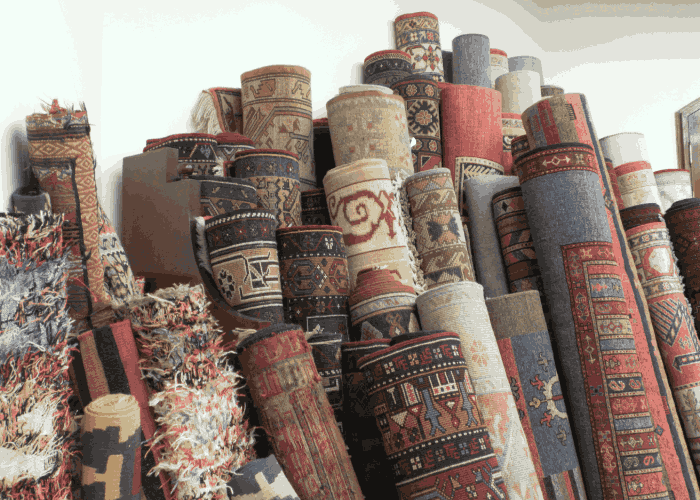
Your home is a canvas, a reflection of your personal style and comfort. When it comes to creating an inviting, luxurious, and uniquely personal space, few elements carry the weight and warmth of a beautifully crafted carpet. Indian carpets, with their rich heritage and unparalleled artistry, have long been cherished for their ability to transform interiors.
Far from simply being floor coverings, these masterpieces are storytellers, weaving tales of ancient traditions, intricate craftsmanship, and timeless elegance. They possess an inherent ability to anchor a room, add texture, define zones, and infuse a sense of global sophistication.
As design sensibilities evolve, so do the trends in premium Indian carpets. You might be wondering how to choose a piece that resonates with contemporary aesthetics while still honoring its profound legacy. This comprehensive guide will take you on a journey through the latest design innovations, material choices, and ethical considerations, helping you uncover the perfect premium Indian carpet to elevate your home.
Prepare to explore how these exquisite textiles are adapting to modern living, offering you both traditional charm and cutting-edge style. Discover how you can incorporate these stunning works of art into your own living spaces, making a statement that is both personal and profound.
The Enduring Allure of Indian Carpets
India’s carpet weaving tradition dates back centuries, a testament to its deep cultural roots and artistic prowess. Each knot, each dye, and each pattern tells a story, making these carpets far more than mere decor.
When you choose a premium Indian carpet, you are not just buying an item; you are investing in a piece of history, a work of art, and a legacy of skill passed down through generations.
A Legacy Woven in Time
The history of Indian carpet weaving is as rich and vibrant as the carpets themselves. Mughal emperors, with their penchant for grandeur, heavily influenced the art form, introducing Persian designs and elevating it to an unprecedented level of sophistication.
Regions across India, from the serene valleys of Kashmir to the bustling workshops of Mirzapur and Jaipur, have developed their unique styles and techniques. Each area contributes its distinct character, patterns, and color palettes to the vast tapestry of Indian carpets.
Kashmiri carpets, for instance, are renowned for their delicate silk weaves and intricate floral motifs. The carpets from Mirzapur, a major weaving hub, often feature robust wool and a blend of traditional and contemporary designs.
This regional diversity ensures that you can find a carpet that perfectly matches your aesthetic preferences, whether you lean towards elaborate classicism or understated modernism. The fusion of diverse influences creates carpets that are truly unique.
Why Choose Premium Indian Carpets?
Opting for a premium Indian carpet offers a multitude of benefits that extend beyond mere visual appeal. These are investments that enhance your home’s value and your daily living experience.
Here are compelling reasons why you should consider a premium Indian carpet:
- Unrivaled Craftsmanship: Most premium Indian carpets are meticulously hand-knotted or hand-tufted by skilled artisans. This labor-intensive process ensures exceptional quality, intricate detailing, and superior durability that machine-made alternatives simply cannot match. You can feel the difference in every fiber.
- Natural, High-Quality Materials: Premium carpets typically utilize natural fibers like virgin wool, luxurious silk, or durable cotton. These materials are not only sustainable but also offer superior softness, resilience, and natural stain resistance, contributing to a healthier home environment for you and your family.
- Durability and Longevity: Thanks to the quality of materials and the hand-knotting technique, a well-maintained premium Indian carpet can last for decades, even generations. It becomes an heirloom, a story passed down, rather than a disposable item.
- Unique Aesthetic Appeal: Each hand-made carpet is unique, possessing subtle variations that add to its character and charm. You are acquiring an original piece of art, not a mass-produced item.
- Investment Value: High-quality, hand-knotted carpets, especially those made with superior materials and intricate designs, can appreciate in value over time. They are often considered artistic investments.
- Comfort and Warmth: Carpets provide excellent insulation, adding warmth to your floors and reducing energy costs. They also absorb sound, creating a quieter, more tranquil atmosphere in your home.
Decoding the Latest Design Trends
The world of interior design is constantly evolving, and premium Indian carpets are at the forefront of this transformation. While respecting their heritage, designers are pushing boundaries, creating pieces that resonate with modern sensibilities.
You’ll find a fascinating blend of traditional artistry and contemporary innovation. Let’s explore the cutting-edge trends that are defining premium Indian carpets today.
1. Modern Minimalism Meets Traditional Motifs
This trend strikes a beautiful balance between the ornate beauty of classical Indian patterns and the clean, uncluttered aesthetic of modern minimalism. It’s about refinement and subtle sophistication.
You’ll see traditional motifs, such as paisleys, medallions, or floral sprays, reinterpreted with simpler outlines and reduced complexity. The patterns might be larger in scale, or fewer in number, allowing each element to breathe and stand out.
Color palettes are often muted, featuring harmonious tones like soft greys, serene blues, warm beiges, and earthy greens. This creates a sense of calm and sophistication, ensuring the carpet complements rather than overwhelms your contemporary decor.
Imagine an Oushak-inspired design, but with fewer colors and a more open field, hand-knotted in premium Indian wool. Or a distressed Persian look that maintains its elegance while fitting seamlessly into a modern, industrial-chic space.
2. A Symphony of Textures: Beyond Flat Weaves
Texture is becoming an increasingly important element in interior design, and carpets are leading the charge. This trend moves beyond flat, uniform surfaces to embrace a rich tactile experience.
You’ll discover carpets featuring high-low pile variations, where different parts of the pattern are elevated or recessed. This creates a three-dimensional effect, adding depth and visual interest to the floor.
Cut and loop pile combinations are also popular, offering a blend of soft, velvety cut piles with structured, durable loops. Shag carpets, reimagined with premium wool or silk blends, are making a luxurious comeback, providing unparalleled softness underfoot.
Designers are also experimenting with blending multiple materials within a single carpet. Imagine a wool base with silk accents that catch the light, or a cotton weave with jute elements for an organic, textured feel. These variations invite you to touch and experience the carpet in a new way.
3. The Power of Palette: Trending Color Stories
Color plays a pivotal role in setting the mood of a room, and the latest trends in premium Indian carpets offer a diverse and sophisticated spectrum. You can choose a palette that truly expresses your style.
Earthy Neutrals & Organic Hues
Connecting with nature and creating serene environments is a significant driver in current color trends. Earthy neutrals remain timeless, offering versatility and a calming foundation for any room.
You’ll find shades like sage green, terracotta, muted blues, warm greys, and various tones of beige and cream. These colors evoke a sense of tranquility and bring the outdoors in, perfect for creating a relaxed and inviting atmosphere.
They serve as excellent backdrops for more vibrant furniture or art, allowing other elements in your room to pop. These organic hues are especially popular in wool and natural fiber carpets, enhancing their inherent warmth.
Vibrant Jewel Tones (Reimagined)
While earthy tones offer calm, a contemporary reinterpretation of vibrant jewel tones adds a touch of opulent luxury. These are not the bright, overwhelming colors of the past, but deeper, richer, and more sophisticated versions.
Think deep sapphire blues, rich emerald greens, sumptuous ruby reds, and regal amethyst purples. These colors are often used with greater restraint, perhaps as a dominant color in a less busy pattern, or as striking accents against a neutral background.
They are particularly stunning in silk carpets, where the fiber’s natural luster enhances their depth and richness. A jewel-toned carpet can become the focal point of a room, exuding elegance and drama.
Monochromatic Magic
For a sophisticated and cohesive look, monochromatic color schemes are gaining immense popularity. This trend involves using different shades, tints, and tones of a single color within the carpet’s design.
Imagine a carpet woven entirely in various shades of grey, from charcoal to dove grey, or a blue carpet transitioning from deep navy to soft sky blue. This creates subtle depth and visual interest without introducing additional colors.
Monochromatic carpets offer a refined elegance and a seamless integration into modern interiors. They allow for intricate patterns to emerge through tonal variations, adding sophistication without busyness.
4. Abstract & Geometric Narratives
Moving beyond traditional floral and medallion patterns, contemporary Indian carpets are embracing abstract and geometric designs. These styles offer a fresh, modern aesthetic that appeals to art lovers and minimalists alike.
You’ll find bold geometric patterns, often inspired by mid-century modern design or traditional tribal motifs reinterpreted with a modern twist. These can include interlocking shapes, stripes, chevrons, and abstract grids.
Abstract art-inspired designs feature fluid lines, organic shapes, and painterly effects. These carpets often resemble modern paintings, acting as striking statement pieces that inject contemporary flair and artistic expression into your living space.
They are perfect for spaces that require a strong visual anchor and can complement minimalist furniture or an eclectic mix of decor. These designs allow for immense creativity and individuality.
5. Sustainable & Ethical Choices: The Conscientious Consumer
As consumers, you are increasingly conscious of the environmental and social impact of your purchases. The carpet industry is responding by prioritizing sustainability and ethical practices.
This trend is about choosing carpets that are not only beautiful but also kind to the planet and its people. You’ll find a growing demand for carpets made with natural, renewable, and recycled materials.
Key aspects of this trend include:
- Natural Dyes: A return to traditional, vegetable-based dyes that are free from harmful chemicals. These dyes often produce unique, subtle variations in color that enhance the carpet’s organic appeal.
- Recycled Materials: Innovation in materials includes the use of PET yarn, made from recycled plastic bottles, which can mimic the look and feel of wool while being incredibly durable and environmentally friendly.
- Sustainable Fibers: Preference for fibers like organic cotton, jute, and ethically sourced wool. These materials have a lower environmental footprint and are often biodegradable.
- Fair Trade Practices: A focus on carpets produced under fair trade conditions, ensuring artisans receive fair wages, safe working conditions, and opportunities for community development. This supports the preservation of traditional craftsmanship.
- Transparency: Brands are becoming more transparent about their supply chains, allowing you to trace the origin of your carpet and verify its ethical credentials.
Choosing a sustainable and ethical premium Indian carpet means you are investing in a product that aligns with your values, contributing to a better world while enhancing your home.
Choosing the Perfect Premium Indian Carpet for Your Home
With such a dazzling array of options, selecting the ideal premium Indian carpet can feel overwhelming. However, by considering a few key factors, you can confidently choose a piece that perfectly complements your home and lifestyle.
Think about your existing decor, the function of the room, and your personal aesthetic preferences. This thoughtful approach will ensure your carpet is a cherished addition for years to come.
Understanding Materials: Wool, Silk, and Blends
The material of your carpet significantly impacts its look, feel, durability, and maintenance requirements. Premium Indian carpets are primarily crafted from natural fibers, each offering unique characteristics.
Wool: Durability and Softness
Wool is by far the most popular and versatile material for premium carpets. It’s renowned for its exceptional durability, resilience, and natural softness. Indian carpets often use high-quality virgin wool, sometimes blended with imported New Zealand wool for added luster and strength.
- Resilience: Wool fibers have a natural crimp, allowing them to bounce back after compression, making wool carpets resistant to crushing and indentations.
- Natural Stain Resistance: The lanolin in wool naturally repels dirt and moisture, making spills easier to clean up if addressed promptly.
- Insulation: Wool is an excellent insulator, providing warmth in winter and keeping rooms cooler in summer.
- Fire Resistance: It is naturally flame-resistant, a significant safety benefit.
- Softness: Wool offers a luxurious, soft feel underfoot, enhancing comfort in any room.
Silk: Luxury and Luster
Silk carpets are the epitome of luxury and elegance. They are celebrated for their incredible softness, exquisite sheen, and the ability to hold intricate details due to the fineness of the fiber.
- Luster: Silk has a natural shimmering quality that changes with the light, adding a dynamic and opulent touch to your space.
- Intricate Detail: The thinness of silk fibers allows for incredibly high knot counts, resulting in exceptionally detailed and precise patterns.
- Softness: Silk carpets offer an unbelievably smooth and soft texture.
- Delicacy: While durable for its weight, silk is generally less resilient than wool and is best suited for low-traffic areas like bedrooms, formal living rooms, or as decorative wall hangings.
Cotton: Versatility and Affordability
Cotton is often used as a foundation material for hand-knotted wool carpets due to its strength and stability. It’s also a primary material for flat-weave dhurries and kilims.
- Softness: Cotton is soft and comfortable underfoot.
- Breathability: It’s a breathable fiber, making it cool in warmer climates.
- Versatility: Cotton can be dyed easily and is often used for casual, lighter-weight rugs.
- Affordability: Generally more affordable than wool or silk.
Blends: The Best of Both Worlds
Many premium Indian carpets feature blends of materials to combine their best qualities. Common blends include wool and silk, or wool and cotton.
- Wool-Silk Blends: Offer the durability of wool with the luxurious sheen and intricate detail capabilities of silk. This creates a carpet that is both robust and visually stunning.
- Wool-Cotton Blends: Can provide a softer feel than pure wool and are often used in more casual or contemporary designs. Cotton can also reduce the overall cost while maintaining quality.
Weave Types: Hand-Knotted vs. Hand-Tufted
The method of construction is crucial in determining a carpet’s quality, durability, and price. Premium Indian carpets are typically made using two primary techniques.
Hand-Knotted: The Pinnacle of Craftsmanship
Hand-knotted carpets are the most labor-intensive and highly prized. Each knot is individually tied by hand onto a warp and weft foundation, creating a dense, durable, and long-lasting pile.
- Durability: Extremely durable and can last for generations, often improving with age.
- Investment: Considered a true investment piece and can appreciate in value.
- Knot Count: Higher knot counts (knots per square inch) indicate finer detail and higher quality. Premium carpets can have hundreds of knots per square inch.
- Artistry: Each piece is unique, showcasing the individual artistry of the weaver.
Hand-Tufted: Quality and Value
Hand-tufted carpets are made by punching individual strands of yarn through a fabric backing using a hand-held tufting gun. A secondary backing is then glued to the reverse to secure the fibers. A canvas is placed on a frame with the design drawn on it, and the tufting gun punches yarn through the canvas.
- Quality: While not as durable as hand-knotted, hand-tufted carpets are still of high quality and offer excellent value.
- Design Versatility: Allows for a wide range of designs, textures, and color combinations.
- Affordability: Generally more affordable than hand-knotted carpets due to faster production times.
- Pile Options: Can be made with cut pile, loop pile, or a combination of both.
Size and Placement Considerations
The right size and placement of your carpet are essential for enhancing the aesthetic and functionality of your space. A well-placed carpet can define a room, anchor furniture, and create a sense of cohesion.
-
Living Room:
- All Furniture On: For larger living rooms, choose a carpet big enough for all your main furniture pieces (sofa, armchairs, coffee table) to sit entirely on it. This creates a grand, cohesive look.
- Front Legs On: A common and versatile option where the front two legs of your sofa and armchairs rest on the carpet. This ties the seating arrangement together without overwhelming the room.
- Floating: For smaller rooms or to highlight the carpet itself, you can place a smaller rug in the center, with all furniture off it. Ensure there’s at least 12-18 inches of visible floor around the carpet.
-
Dining Room:
- Your carpet should be large enough to accommodate the dining table and all chairs, even when pulled out from the table. This typically means extending at least 24-30 inches beyond the table’s edges on all sides.
- This prevents chair legs from catching on the carpet’s edge and protects your flooring.
-
Bedroom:
- For a luxurious feel, choose a carpet large enough to extend at least 18-24 inches beyond the sides and foot of your bed. This ensures you step onto softness when getting out of bed.
- Alternatively, place two smaller runners on either side of the bed, or a single large runner at the foot of the bed.
-
Hallways:
- Runners should leave approximately 4-6 inches of floor visible on both sides. Ensure they are long enough to extend to within a foot or two of the ends of the hallway.
Always measure your space carefully and consider taping out the carpet dimensions on the floor to visualize the fit before making a purchase.
Color and Pattern Integration
Integrating your new premium Indian carpet seamlessly into your existing decor requires thoughtful consideration of color and pattern. Your carpet can be a harmonious complement or a bold statement piece.
- Complementing Existing Decor: If your room already has strong patterns or vibrant colors, choose a carpet with a more subdued pattern or a neutral color palette. Look for colors that are already present in your room, perhaps in smaller accents, to create a cohesive look.
- Creating Contrast and Focal Points: If your room is largely neutral or monochromatic, a vibrant, patterned Indian carpet can serve as a stunning focal point. Use its colors to inspire new accent pillows, throws, or artwork.
- Considering Light: Lighter carpets can make a room feel more open and airy, while darker carpets can add warmth and intimacy. Consider how natural and artificial light interacts with the carpet’s colors and textures throughout the day.
- Using Samples: Whenever possible, obtain samples of the carpet you are considering. Bring them home and observe them in your room’s lighting at different times of the day. This is the best way to ensure the colors and textures work with your existing furnishings.
Comparative Analysis of Premium Carpet Materials
To help you make an informed decision, here’s a comparative overview of the primary materials used in premium Indian carpets:
| Material | Key Characteristics | Durability | Softness | Luster | Best Use Cases | Price Point |
|---|---|---|---|---|---|---|
| Wool | Resilient, natural stain resistance, excellent insulation, robust fibers. | Excellent (Decades) | Very Good | Low to Medium (Matte to subtle sheen) | High-traffic areas (living rooms, hallways), family rooms, bedrooms. | Medium to High |
| Silk | Luxurious sheen, exceptional softness, holds intricate detail, delicate. | Good (Long-lasting with care) | Excellent (Silky smooth) | High (Shimmers, changes with light) | Low-traffic areas (bedrooms, formal living), decorative wall hangings. | High to Very High |
| Cotton | Soft, breathable, strong (often used as foundation), takes dye well. | Good (Especially in flat weaves) | Good | Low (Matte) | Flat weaves (dhurries), casual rugs, as foundation material. | Medium |
| Wool-Silk Blend | Combines wool’s durability with silk’s luster and detail. | Very Good | Excellent | Medium to High | Medium to low-traffic areas where elegance is key. | High |
| PET Yarn (Recycled) | Eco-friendly, highly durable, stain-resistant, feels like wool. | Excellent | Good | Low to Medium | Indoor/outdoor, high-traffic areas, sustainable choice. | Medium |
Caring for Your Investment
A premium Indian carpet is a significant investment in your home’s beauty and comfort. Proper care and maintenance are crucial to preserve its beauty, extend its lifespan, and ensure it remains an heirloom for generations.
By following these guidelines, you can keep your carpet looking pristine and vibrant for many years to come.
Regular Maintenance Tips
Consistent, gentle care is the cornerstone of carpet longevity. Incorporate these simple habits into your routine:
- Regular Vacuuming: Vacuum your carpet regularly, at least once a week for high-traffic areas and every two weeks for low-traffic zones. Use a vacuum cleaner with adjustable settings to avoid damaging the pile. For hand-knotted carpets, use the suction-only setting or set the brush roll to its highest position to prevent snagging fibers.
- Rotate Your Carpet: Rotate your carpet 180 degrees every 6-12 months. This ensures even wear and tear, especially in areas exposed to direct sunlight or heavy foot traffic. It helps prevent one side from fading or wearing out faster than the other.
- Address Spills Immediately: The moment a spill occurs, act quickly. Blot (do not rub) the liquid with a clean, white cloth or paper towel, working from the outside of the spill inwards. Avoid harsh chemicals; warm water and a mild detergent are often sufficient. For stubborn stains, consult a professional.
- Trim Loose Ends: If you notice a loose yarn end, do not pull it. Instead, carefully trim it with sharp scissors. Pulling can unravel knots and damage the carpet’s structure.
Professional Cleaning
While regular vacuuming removes surface dirt, professional cleaning is essential for deep cleaning and removing embedded grime that your vacuum cannot reach.
- Frequency: For most premium Indian carpets, professional cleaning every 1-3 years is recommended, depending on foot traffic and household conditions (pets, children, allergies).
- Choose a Specialist: Always hire a professional carpet cleaner who specializes in hand-knotted and delicate rugs. They understand the unique fibers, dyes, and construction of premium carpets and use appropriate cleaning methods (e.g., dry cleaning or low-moisture cleaning) to prevent damage.
- Avoid Steam Cleaning: For wool and silk carpets, avoid conventional steam cleaning, which can damage natural fibers and cause colors to bleed or fade.
Protecting Your Carpet
Proactive measures can significantly extend your carpet’s life and beauty.
- Use a Quality Rug Pad: A good quality rug pad placed underneath your carpet offers multiple benefits. It prevents the carpet from slipping, provides extra cushioning, reduces wear and tear by absorbing impact, and allows airflow, which helps prevent moisture buildup.
- Protect from Sunlight: Direct, prolonged exposure to sunlight can cause colors to fade over time. Use blinds, curtains, or UV-filtering window films to protect your carpet from harsh rays. Rotating your carpet also helps distribute any sun exposure evenly.
- Avoid Heavy Furniture Damage: Place furniture coasters or glides under the legs of heavy furniture to prevent indentations and damage to the carpet pile. Periodically move furniture slightly to allow the pile to recover.
- Shoe-Free Zones: Consider implementing a shoe-free policy in areas with premium carpets. Shoes track in dirt, dust, and abrasive particles that can prematurely wear down fibers.
Conclusion
Embracing a premium Indian carpet is an opportunity to infuse your home with unparalleled beauty, history, and craftsmanship. As you’ve discovered, the latest trends beautifully marry timeless artistry with contemporary design sensibilities, offering you a vast spectrum of choices.
From the subtle elegance of modern minimalism to the rich textures of multi-pile weaves, and from serene earthy palettes to reimagined jewel tones, there’s a trend that perfectly aligns with your vision for an elevated living space. The growing emphasis on sustainable and ethical practices also allows you to make choices that are not only aesthetically pleasing but also socially responsible.
By understanding the nuances of materials like wool and silk, appreciating the artistry of hand-knotted versus hand-tufted construction, and applying thoughtful placement and care, you are well-equipped to make an informed decision. Your carpet will not just be a floor covering; it will be a centerpiece, a conversation starter, and a cherished heirloom.
Investing in a premium Indian carpet is an investment in enduring style, comfort, and the rich legacy of an ancient craft. Allow your home to tell a story of global elegance and personal taste. Start your journey today to find that perfect piece that speaks to you and transforms your space into a true sanctuary.
Frequently Asked Questions (FAQ)
Q1: What makes Indian carpets “premium”?
A: Premium Indian carpets are distinguished by several factors: the use of high-quality natural materials like virgin wool or pure silk, meticulous hand-knotting or expert hand-tufting techniques, intricate designs often passed down through generations, and superior durability. They represent exceptional craftsmanship and artistic value, often becoming heirloom pieces.
Q2: How can I tell if a carpet is hand-knotted?
A: You can often identify a hand-knotted carpet by examining its back. Hand-knotted carpets will have individually visible knots and a slightly irregular pattern on the reverse, mirroring the front