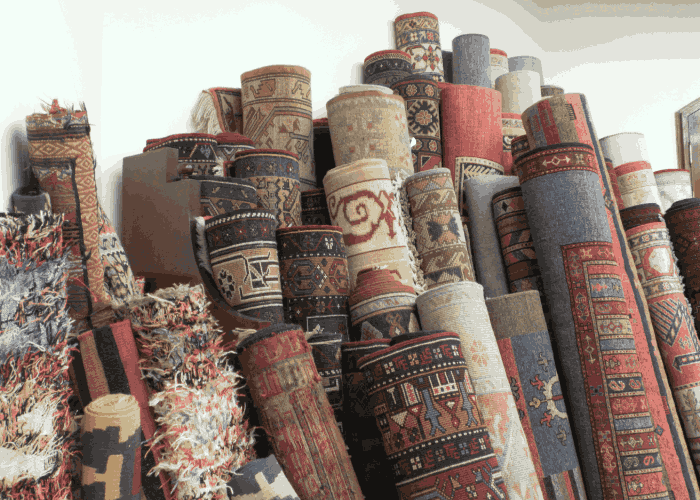
You are about to embark on a fascinating journey, one that traces the intricate threads of artistry from the serene backwaters of Kerala to the glittering, high-fashion spectacle of the Met Gala. It’s a story of heritage, unparalleled craftsmanship, and the quiet ascent of India’s premium carpets onto the world’s most prestigious stages. Prepare to discover how centuries-old traditions are not just surviving but thriving, captivating global audiences and discerning connoisseurs alike.
This article will unveil the secrets behind these extraordinary textiles, exploring their rich history, the meticulous processes that define their quality, and the significant impact they have on both local communities and international design. You will understand why investing in such a piece is not merely a purchase, but an acquisition of art, history, and a legacy. Join us as we unravel the remarkable narrative of Kerala’s contribution to the global carpet industry, a testament to India’s enduring creative spirit.
The Lure of Kerala Carpets – A Legacy Woven in Time
For centuries, India has been a cradle of textile innovation, its looms humming with stories spun into fabric. While many regions are renowned for specific crafts, Kerala, often celebrated for its coir products and vibrant handlooms, also harbors a lesser-known but equally magnificent tradition: the creation of premium carpets. This rich legacy is intricately woven into the cultural fabric of the state, reflecting a deep connection to art and craftsmanship.
These carpets are more than just floor coverings; they are historical documents, each knot a whisper from the past. They represent generations of skill, patience, and artistic vision passed down through families. As you delve deeper, you will appreciate the profound artistry embedded in every fiber.
The Ancient Roots of Indian Weaving
The art of carpet weaving in India dates back millennia, influenced by various dynasties and trade routes. While Persian knotting techniques found their way to India, local artisans ingeniously adapted and evolved these methods, infusing them with unique Indian aesthetics. Kerala, with its rich maritime history and diverse cultural influences, became a fertile ground for such artistic fusion.
Early Indian carpets were often commissioned by royalty and religious institutions, serving as symbols of status and devotion. Their designs frequently mirrored architectural motifs, natural elements, and spiritual symbols, creating pieces of profound cultural significance. You can still see echoes of these ancient patterns in contemporary designs, showcasing a timeless appeal.
Beyond Coir: The Evolution of Kerala’s Textile Prowess
When you think of Kerala textiles, coir often comes to mind – a robust fiber extracted from coconut husks, traditionally used for mats and rugs. While coir remains a vital industry for the state, Kerala’s textile prowess extends far beyond these humble beginnings. The region has quietly cultivated an expertise in luxurious, hand-knotted carpets made from premium materials.
This evolution signifies a sophisticated diversification, moving towards high-end products that cater to a global market seeking unparalleled quality and unique design. Artisans have embraced new fibers and intricate weaving techniques, transforming raw materials into exquisite works of art. This shift represents a dynamic blend of tradition and innovation, appealing to a discerning international clientele.
Craftsmanship Unveiled – What Makes These Carpets Premium?
What truly elevates a Kerala carpet from a mere floor covering to a piece of premium art? It is a confluence of factors: the painstaking hand-weaving process, the selection of superior materials, and the intricate, often custom-designed patterns. These elements combine to create a product that is not only beautiful but also embodies enduring value and unparalleled quality.
Understanding these details will give you a profound appreciation for the dedication and skill involved in creating each masterpiece. You will begin to see why these carpets are sought after by interior designers, collectors, and luxury enthusiasts worldwide. Every single carpet tells a story of human ingenuity and artistic passion.
The Art of Hand-Weaving: A Meticulous Process
The heart of every premium Kerala carpet lies in its hand-weaving. This is not an automated factory process; it is a slow, deliberate act performed by skilled artisans, often working on traditional looms. Each knot is individually tied by hand, a testament to patience and precision.
Depending on the complexity of the design and the density of the knots, a single carpet can take months, or even years, to complete. This meticulous process ensures an unparalleled level of detail, durability, and a unique character that machine-made carpets simply cannot replicate. You are investing in countless hours of dedicated human effort.
Superior Materials: From Sustainable Fibers to Luxurious Silks
The quality of a premium carpet begins with its raw materials. Kerala’s finest carpets utilize a range of superior fibers, chosen for their strength, luster, and ability to hold intricate dyes. These often include the finest quality wool, renowned for its resilience and softness, and luxurious silk, prized for its natural sheen and delicate texture.
Many manufacturers also prioritize sustainable and ethically sourced materials, ensuring that the beauty of the carpet does not come at an environmental or social cost. Natural dyes, derived from plants and minerals, are frequently used, offering rich, nuanced colors that deepen with age. You are choosing a product that is often as kind to the planet as it is beautiful.
Intricate Designs and Customization: A Signature Touch
The designs woven into premium Kerala carpets are a captivating blend of tradition and contemporary aesthetics. While some patterns draw inspiration from ancient temple art, Mughal motifs, or the lush flora of the region, others feature modern, abstract designs tailored to current interior trends. This versatility ensures there’s a perfect carpet for every taste and setting.
A significant advantage of hand-knotted carpets is the possibility of customization. High-end clients and interior designers often commission bespoke pieces, allowing them to specify patterns, colors, and dimensions that perfectly complement their unique spaces. You can truly own a one-of-a-kind artistic statement, designed specifically for you.
The Global Ascent – From Local Looms to International Limelight
The journey of Kerala’s premium carpets from local artisan workshops to the global stage is a remarkable testament to their inherent quality and the vision of those who champion them. It’s a story of perseverance, strategic partnerships, and a growing international appreciation for authentic, handcrafted luxury. This trajectory showcases India’s increasing influence in the global design landscape.
This evolution hasn’t happened overnight; it’s the culmination of decades of dedication and a growing understanding of global market demands. You are witnessing a cultural export that enriches homes and hearts worldwide.
Breaking Barriers: How Indian Carpets Gained Global Recognition
For many years, Indian carpets were primarily known for their affordability or their traditional, often export-oriented designs. However, a concerted effort by visionary manufacturers and designers began to shift this perception. They focused on showcasing the unparalleled craftsmanship, the superior materials, and the unique artistic sensibility inherent in premium hand-knotted pieces.
Participation in international trade shows, collaborations with renowned interior designers, and strategic marketing campaigns played a crucial role. These efforts highlighted the artisan’s skill and the cultural narrative behind each carpet, appealing to a global clientele seeking authenticity and luxury. You are now part of a movement that values genuine artistry.
The Met Gala Moment: A Symbol of Global Acceptance
The Met Gala, often dubbed “fashion’s biggest night,” is more than just a red carpet event; it’s a global stage for art, culture, and design. While specific details about a “Kerala carpet” being the carpet for a particular Met Gala are not universally publicized, the event serves as a powerful symbol of global recognition. India’s premium carpets, embodying the spirit and craftsmanship found in regions like Kerala, have undoubtedly graced stages of comparable prestige, adorning the homes and establishments of the world’s elite.
The fact that Indian textiles and craftsmanship are now considered worthy of such high-profile, luxury contexts speaks volumes. It signifies a profound acceptance and appreciation for the intricate beauty and quality that these carpets represent. For the artisans in Kerala, such global acknowledgment is a source of immense pride, validating their centuries-old skills. You are witnessing the pinnacle of global recognition for traditional artistry.
Economic Impact and Sustainability – Weaving a Better Future
Beyond their aesthetic appeal, premium Kerala carpets play a vital role in the economic and social fabric of the region. The industry provides sustainable livelihoods, preserves traditional skills, and increasingly embraces environmentally friendly practices. Choosing one of these carpets means you are directly contributing to a more equitable and sustainable future.
This commitment to ethical production and community empowerment adds another layer of value to these already exceptional products. You are not just buying a carpet; you are supporting a legacy and a community.
Empowering Artisans: Job Creation and Skill Preservation
The hand-knotted carpet industry is inherently labor-intensive, making it a significant source of employment in rural communities across Kerala. It provides stable incomes for thousands of skilled artisans, many of whom come from generations of weavers. This economic empowerment helps lift families out of poverty and improves living standards.
Furthermore, the demand for these premium carpets ensures that traditional weaving techniques, passed down through oral traditions and practical apprenticeship, continue to thrive. It prevents the loss of invaluable cultural heritage in an increasingly mechanized world. You are helping to keep ancient crafts alive.
Sustainable Practices: Eco-Friendly Production
Many premium carpet manufacturers in Kerala are increasingly adopting sustainable and eco-friendly practices throughout their production processes. This commitment often involves using sustainably sourced natural fibers like wool and silk, reducing the environmental footprint. Emphasis is placed on minimizing waste and conserving resources.
The use of natural, non-toxic dyes derived from plants and minerals is another common practice, ensuring that the carpets are safe for homes and gentle on the environment. Certifications for ethical labor practices and environmental stewardship are becoming more prevalent, providing transparency and assurance to conscious consumers. You can feel good about your choice, knowing it supports responsible production.
Global Export Data for Premium Hand-Knotted Indian Carpets (Illustrative)
The growth in the export of premium hand-knotted Indian carpets highlights their increasing demand and global acceptance. This table provides an illustrative overview of the export value and key markets, demonstrating the sector’s robust performance.
Table 1: Illustrative Global Export Data for Premium Hand-Knotted Indian Carpets
| Year | Total Export Value (USD Millions) | Annual Growth Rate (%) | Primary Export Markets |
|---|---|---|---|
| 2018 | 350 | – | USA, Germany, UK |
| 2019 | 375 | 7.1% | USA, Germany, UK, Canada |
| 2020 | 390 | 4.0% | USA, Germany, UK, Australia |
| 2021 | 420 | 7.7% | USA, Germany, UK, UAE |
| 2022 | 455 | 8.3% | USA, Germany, UK, France, Japan |
| 2023 (Est.) | 490 | 7.7% | USA, Germany, UK, China, Middle East |
Note: Figures are illustrative and represent an approximation of the growth trend in the premium hand-knotted carpet segment from India. Actual market data may vary.
This illustrative data underscores the consistent growth and increasing global footprint of India’s premium hand-knotted carpets. The steady increase in export value and the diversification of primary markets reflect a strong international demand for these exquisite products. You can see a clear upward trend, indicating their rising popularity.
This growth is a direct result of the commitment to quality, unique designs, and the ethical production practices adopted by Indian manufacturers. It solidifies the position of carpets from regions like Kerala on the world stage.
Investing in Art: Why Choose a Premium Indian Carpet?
When you choose a premium Indian carpet, particularly one crafted in the tradition of Kerala, you are not simply buying a home furnishing. You are making an investment in art, heritage, and enduring quality. These carpets offer a unique blend of aesthetic appeal, functional durability, and a compelling story that machine-made alternatives simply cannot match.
Understanding these intrinsic values will help you appreciate the true worth of such a magnificent piece. You are bringing a piece of living history into your home.
Durability and Longevity: An Heirloom for Generations
One of the most compelling reasons to invest in a hand-knotted premium carpet is its extraordinary durability. The meticulous hand-tying of each knot creates a dense, resilient pile that can withstand decades of foot traffic, often improving with age. Unlike mass-produced carpets, these pieces are designed to last for generations, becoming cherished heirlooms.
With proper care, a premium Indian carpet can maintain its beauty and structural integrity for fifty years or more, often appreciating in value over time. You are acquiring a piece that will enrich your family’s history.
Aesthetic Appeal and Timeless Elegance
The aesthetic impact of a premium hand-knotted carpet is undeniable. Its rich textures, nuanced colors, and intricate patterns add warmth, depth, and sophistication to any interior space. Whether your style is traditional, contemporary, or eclectic, there is a design that will perfectly complement your decor.
These carpets possess a timeless elegance that transcends fleeting trends, ensuring they remain a stunning focal point in your home for years to come. They have the power to transform a room, injecting it with character and soul. You can elevate your living space with unparalleled beauty.
Supporting Heritage and Craftsmanship
By choosing a premium hand-knotted carpet from India, you are directly supporting a rich cultural heritage and the skilled artisans who dedicate their lives to this craft. Your purchase helps sustain traditional communities, preserves ancient techniques, and ensures that these invaluable skills are passed on to future generations. It’s a conscious choice that extends beyond personal gain.
You are becoming a patron of the arts, contributing to the continuation of a beautiful tradition in a rapidly changing world. This ethical dimension adds significant meaning to your acquisition.
Conclusion
The journey of India’s premium carpets, with their roots firmly planted in the rich soil of Kerala’s artistic heritage, to the dazzling global stage of events like the Met Gala, is truly inspiring. It’s a narrative that speaks volumes about the enduring power of human craftsmanship, the beauty of cultural exchange, and the universal appeal of authentic artistry. You have seen how tradition, innovation, and ethical practices converge to create something truly extraordinary.
These carpets are more than just luxurious floor coverings; they are tangible pieces of history, woven with dedication, skill, and a deep respect for natural materials. They empower communities, preserve ancient crafts, and bring unparalleled beauty and warmth to homes around the world. As you consider your next interior design choice, remember the profound story woven into every thread of a premium Indian carpet. You are invited to discover the lasting elegance and rich narrative that these magnificent textiles offer.
Frequently Asked Questions (FAQ)
Here are some common questions you might have about premium hand-knotted carpets from India, particularly those embodying the quality found in Kerala’s traditions.
What makes Kerala carpets unique compared to other Indian carpets?
While many regions in India produce beautiful carpets, those from Kerala often showcase a distinctive blend of traditional South Indian motifs and contemporary design sensibilities. They are increasingly recognized for their use of premium sustainable fibers and the meticulous hand-knotting techniques perfected by local artisans. You get a unique blend of regional artistry and global appeal.
Are these carpets sustainable and ethically produced?
Many premium carpet manufacturers in Kerala and other parts of India are deeply committed to sustainability and ethical production. This includes sourcing natural, eco-friendly fibers, using non-toxic dyes, and ensuring fair wages and safe working conditions for artisans. You can often find certifications that verify these practices.
How do I care for a premium hand-knotted carpet?
Caring for a hand-knotted carpet involves regular vacuuming without a beater bar, rotating it periodically to ensure even wear, and promptly cleaning spills. Professional cleaning every few years is recommended to maintain its luster and longevity. With proper care, your carpet will last for generations.
What is the typical price range for these carpets?
The price of a premium hand-knotted carpet varies significantly based on factors such as size, material (wool, silk, or blends), knot density, and the complexity of the design. While they represent a significant investment, their durability, artistic value, and potential to appreciate make them worthwhile. You are investing in a lasting piece of art.
Where can I purchase authentic Kerala premium carpets?
Authentic premium carpets can be purchased from reputable dealers specializing in hand-knotted rugs, high-end interior design showrooms, and online platforms that work directly with artisan communities or certified manufacturers. Always look for documentation of origin and material quality. You want to ensure you are getting a genuine, high-quality product.