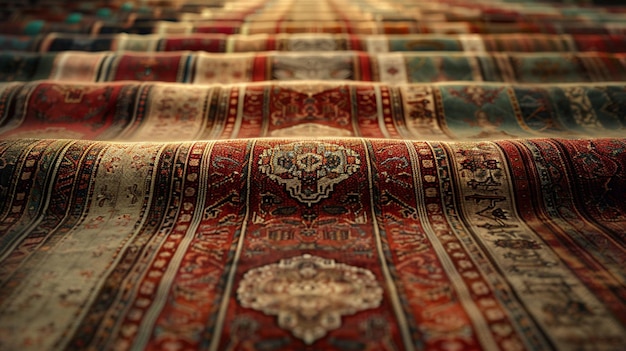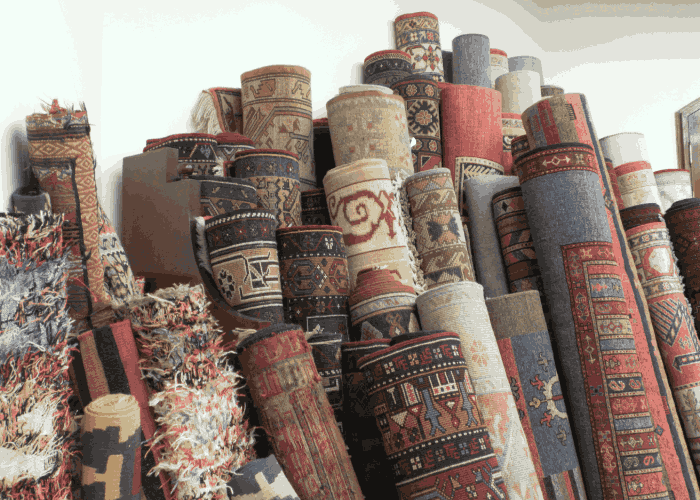
You step into a room, and immediately, something catches your eye. It’s not the furniture, nor the artwork on the walls, but the foundation beneath your feet. This is the profound impact a truly exceptional carpet can have on your modern interior – transforming a mere space into an experience.
For centuries, Indian carpets have been revered globally for their intricate designs, unparalleled craftsmanship, and luxurious feel. Yet, in the context of contemporary decor, many might wonder if these traditional masterpieces still hold relevance. We are here to tell you unequivocally: yes, they do, and more so than ever before. A premium Indian carpet isn’t just a floor covering; it’s a statement, an investment, and a piece of art that invites you to “walk on art” every single day.
The Enduring Allure of Indian Carpets
The story of Indian carpets is woven with threads of history, culture, and meticulous artistry. Their legacy dates back thousands of years, evolving through various empires and influences, each leaving an indelible mark on their distinct styles and techniques. This rich heritage is what imbues every authentic piece with a sense of timelessness.
A Legacy of Craftsmanship and Artistry
Indian carpet making is not merely a manufacturing process; it is a revered art form passed down through generations. Master weavers dedicate their lives to perfecting techniques that transform raw materials into breathtaking masterpieces. When you choose a premium Indian carpet, you are not just buying a product; you are acquiring a piece of living history and supporting an ancient craft.
You will find that the dedication to detail is astonishing. From the careful selection of fibers to the intricate knotting patterns, every step is executed with precision and passion. This commitment ensures that each carpet possesses a unique character and an enduring quality that mass-produced alternatives simply cannot replicate. These carpets whisper tales of tradition and artistry.
Why They Stand Out in a Global Market
In a world increasingly dominated by fleeting trends, premium Indian carpets offer a refreshing permanence. They possess a unique blend of exotic charm and sophisticated elegance that transcends fleeting fashion cycles. Their ability to adapt and integrate into diverse aesthetic philosophies is truly remarkable.
You will discover that these carpets bring warmth, texture, and a distinctive character to any room. They serve as a powerful anchor, grounding your decor and infusing your space with a sense of luxury and depth. Beyond their visual appeal, their tactile quality is unmatched, offering a comforting underfoot experience that elevates everyday living.
Defining “Premium” in Indian Carpets
The term “premium” in the context of Indian carpets signifies more than just a high price tag. It refers to a confluence of factors that together define exceptional quality, artistic value, and lasting durability. Understanding these elements will empower you to make an informed decision when selecting your next masterpiece.
Superior Materials: The Foundation of Luxury
The quality of a premium Indian carpet begins with its raw materials. Only the finest natural fibers are chosen, each contributing distinct characteristics to the final product. You will appreciate the difference these materials make in both beauty and longevity.
The Art of Weaving: Knot Count and Techniques
The true heart of a premium Indian carpet lies in its construction, specifically the weaving technique and the density of its knots. These factors directly influence the carpet’s intricacy, durability, and overall feel.
Dyeing Processes: A Symphony of Colors
The vibrancy and depth of color in a premium Indian carpet are testaments to sophisticated dyeing techniques. Natural dyes, derived from plants, insects, and minerals, have been used for centuries, offering rich, nuanced hues that age beautifully.
Modern premium carpets may also use high-quality synthetic dyes that are colorfast and fade-resistant. The key is the skill of the dyers, who meticulously control the process to achieve perfectly balanced and harmonious color palettes. You will notice the difference in the way these colors interact and evolve under different lighting conditions.
Design Complexity and Originality
Premium Indian carpets are not merely patterned; they are designed. This involves a deep understanding of traditional motifs, combined with innovative approaches to scale, color, and composition. You will find designs ranging from classic Persian-inspired medallions and intricate floral patterns to contemporary abstract forms.
Originality is paramount. While drawing on rich traditions, premium manufacturers and designers also push boundaries, creating fresh interpretations that resonate with modern sensibilities. The result is a piece that feels both timeless and utterly current, reflecting a unique artistic vision.
Integrating Premium Indian Carpets into Modern Interiors
The beauty of premium Indian carpets lies in their versatility. Far from being confined to traditional settings, they possess an incredible ability to elevate and complement a wide range of modern interior design styles. You can effortlessly integrate these masterpieces into your contemporary living spaces.
Beyond Tradition: Contemporary Patterns and Abstract Designs
Forget outdated notions of what an Indian carpet “should” look like. Today’s premium collections feature breathtaking contemporary patterns, geometric abstracts, and minimalist designs that speak directly to modern aesthetics. You will discover carpets that perfectly blend heritage with innovation.
Imagine a hand-knotted wool carpet with an abstract brushstroke design in muted grays and blues grounding your minimalist living room. Or perhaps a silk and wool blend featuring an asymmetrical geometric pattern adding an edgy sophistication to your urban loft. These designs prove that tradition can be remarkably forward-thinking.
Color Palettes for Modern Aesthetics
While vibrant, jewel-toned carpets are iconic, premium Indian carpets are also available in sophisticated, modern color palettes. Think neutral tones like charcoal, ivory, beige, and taupe, often punctuated with subtle pops of color. You can also find deep, earthy tones or serene pastels.
These contemporary color schemes allow the intricate textures and patterns of the carpet to shine without overpowering the rest of your decor. You can choose a carpet that acts as a quiet anchor or a bold statement, depending on your desired effect. The versatility in color ensures a perfect match for your vision.
Placement and Layering Strategies
Strategic placement is crucial for maximizing the impact of your premium Indian carpet. You can use it to define zones within an open-plan space, anchor furniture arrangements, or simply add warmth and texture to a room.
Creating Focal Points and Visual Interest
A premium Indian carpet is inherently a work of art, making it an ideal focal point for any room. Its unique design, exquisite craftsmanship, and luxurious materials naturally draw the eye, elevating the entire space. You can use this to your advantage in your design scheme.
Let your carpet be the star of the show. Keep surrounding elements relatively simple to allow its beauty to truly shine. Alternatively, use a more subtly patterned carpet to tie together disparate elements in a room, creating harmony and flow. The carpet acts as the room’s soul.
Complementing Minimalist vs. Maximalist Styles
Regardless of whether your personal style leans towards stark minimalism or opulent maximalism, a premium Indian carpet can seamlessly integrate. You will find that these pieces offer remarkable adaptability.
The Investment Value and Longevity
Beyond their aesthetic appeal, premium Indian carpets represent a sound investment. Their exceptional quality, durability, and potential for appreciation make them far more than just decorative items. You are investing in an heirloom.
Heirloom Quality: Designed to Last Generations
Unlike mass-produced rugs that quickly wear out, a hand-knotted premium Indian carpet is built to last for generations. The meticulous craftsmanship, high-quality materials, and robust construction ensure that these pieces can withstand the test of time, becoming cherished family heirlooms.
Imagine passing down a beautiful carpet that has graced your family’s homes for decades, carrying stories and memories within its fibers. This enduring quality is a core aspect of their value. You are creating a legacy with your purchase.
Durability and Resilience: A Practical Luxury
While luxurious, premium Indian carpets are also incredibly practical. High-quality wool, for instance, is naturally resilient, resisting crushing and bouncing back from heavy foot traffic. It also possesses natural lanolin, which makes it resistant to stains and dirt.
Silk, while delicate in appearance, is surprisingly strong. With proper care, these carpets maintain their beauty and structural integrity for decades, even in busy households. You will find that they are much more forgiving than you might initially assume.
Appreciation Over Time (for True Premium Pieces)
Certain rare and exceptionally crafted hand-knotted Indian carpets, especially those made with superior materials and unique designs, can appreciate in value over time. They are considered collectible art pieces.
Factors like the weaver’s reputation, the carpet’s age, its condition, and the rarity of its design contribute to its potential for appreciation. While not every carpet will be a financial investment, you are always investing in enduring beauty and quality that holds its intrinsic value.
Maintenance and Care Tips for Longevity
To ensure your premium Indian carpet remains a treasured possession for years, proper care is essential. You will find that a few simple practices can make a world of difference in preserving its beauty.
Environmental and Ethical Considerations
In today’s conscious consumer landscape, the environmental and ethical impact of our purchases is more important than ever. Premium Indian carpets often align beautifully with these values, offering a sustainable and responsible choice for your home. You can feel good about your investment.
Sustainable Practices and Natural Materials
Many premium Indian carpets are crafted using natural, renewable resources like wool, silk, and cotton. These materials are biodegradable and have a significantly lower environmental footprint compared to synthetic alternatives. You are choosing a product that respects the planet.
Furthermore, traditional dyeing methods often utilize natural dyes, minimizing the use of harsh chemicals. The entire production process, being largely manual, consumes less energy than industrialized manufacturing, contributing to a more sustainable lifecycle.
Fair Trade and Artisan Welfare
The hand-knotted carpet industry in India, when responsibly managed, provides livelihoods for countless artisans and their families. Many premium carpet manufacturers adhere to fair trade principles, ensuring ethical working conditions, fair wages, and the absence of child labor.
When you purchase a premium Indian carpet from a reputable source, you are directly supporting these communities and helping to preserve a vital cultural heritage. You are contributing to a positive social impact that extends far beyond your home.
The Story Behind Your Carpet
Each premium Indian carpet tells a unique story – of the hands that spun the yarn, the dyes that brought color to life, and the weaver who meticulously tied each knot. This human connection imbues the carpet with a soul that is palpable.
You are not just buying an object; you are acquiring a piece of art that carries the essence of its makers and their traditions. This narrative adds immense depth and meaning to your home, making your carpet truly special.
Types of Premium Indian Carpets and Their Characteristics
Understanding the different types of premium Indian carpets can help you appreciate their nuances and choose the perfect one for your space. This table provides a quick overview of some popular categories. You will find that each type offers a distinct aesthetic and tactile experience.
| Carpet Type | Primary Materials | Typical Knot Count (per sq. inch) | Key Characteristics | Ideal Modern Interior Style |
|---|---|---|---|---|
| Kashmiri Silk | 100% Silk | 300-1000+ | Extremely fine, high sheen, intricate detail, lightweight, vibrant colors. Often features traditional Persian-inspired motifs. | Luxurious, formal, elegant, traditional-modern fusion. |
| Bhadohi Wool | High-quality Indian Wool | 80-200 | Durable, soft, excellent insulation, wide range of designs from traditional to contemporary. Often thicker pile. | Transitional, rustic modern, comfortable, family-friendly. |
| Mirzapur Hand-Knotted | Wool, sometimes with Silk accents | 100-300 | Known for durability, diverse patterns including geometric and abstract, often with a slightly coarser texture than Kashmiri. | Eclectic, industrial, bohemian, contemporary. |
| Jaipur Hand-Tufted | Wool, Viscose, Cotton | N/A (Tufted, not knotted) | Offers a luxurious look at a lower price point, allows for complex modern designs and textures, soft underfoot. | Contemporary, minimalist, art-deco inspired, budget-conscious luxury. |
| Kilim (Flatweave) | Wool, Cotton | N/A (Woven, no pile) | Durable, reversible, lightweight, often geometric or tribal patterns, flat surface. | Bohemian, Scandinavian, rustic, casual modern. |
| Agra Wool/Silk | Fine Wool, Silk | 150-400+ | Elegant designs, often with muted palettes and sophisticated motifs. Known for excellent craftsmanship and durability. | Classic modern, refined, understated luxury. |
Conclusion
In the grand tapestry of home decor, a premium Indian carpet is more than just an accessory; it is the very soul of a room. It offers an unparalleled blend of artistic heritage, luxurious comfort, and enduring quality that few other design elements can match. You are not just buying a carpet; you are investing in a piece of art that will enrich your life and your home for decades.
By understanding the hallmarks of premium quality – from the finest materials and meticulous craftsmanship to ethical production – you can confidently select a piece that truly resonates with your modern aesthetic. Let your premium Indian carpet be the foundation upon which your personal style unfolds, a silent testament to beauty, tradition, and timeless elegance. Invite this art into your home and truly “walk on art.”
Frequently Asked Questions (FAQ)
Q1: How do I know if an Indian carpet is truly “premium”?
A truly premium Indian carpet is characterized by several factors. Look for high-quality natural materials like fine wool or silk, a high knot count (for hand-knotted carpets), intricate and original designs, and a reputable dealer who can provide information about its origin and ethical production. You should also feel the density and softness; premium carpets have a substantial feel.
Q2: Are premium Indian carpets suitable for homes with pets or children?
Yes, many premium Indian carpets, especially those made from high-quality wool, are surprisingly durable and resilient. Wool is naturally stain-resistant and can withstand heavy foot traffic. For homes with pets, consider darker patterns that can camouflage minor mishaps, and always address spills promptly.
Using a high-quality rug pad is also essential for stability and longevity.
Q3: How often should I have my premium Indian carpet professionally cleaned?
For most premium Indian carpets, professional cleaning every 3-5 years is generally recommended. However, this can vary depending on the amount of foot traffic, household activity, and presence of pets or children. You should always consult a professional cleaner specializing in hand-knotted or premium rugs to ensure proper care.
Q4: Can premium Indian carpets be used in humid climates?
Yes, premium Indian carpets can generally be used in humid climates. However, like any textile, they should not be exposed to excessive moisture or damp conditions for extended periods, as this could lead to mildew or damage. Ensure your room has adequate ventilation, and if you live in a very humid area, consider using a dehumidifier to maintain a stable indoor environment.
You will want to keep the air circulated.
Q5: How do I choose the right size premium Indian carpet for my room?
Choosing the right size is crucial for a balanced look. For living rooms, ideally, all major furniture pieces should have at least their front legs on the carpet. In dining rooms, the carpet should be large enough to accommodate all chairs when pulled out.
In bedrooms, the carpet should extend beyond the sides of the bed by at least 18-24 inches. You can use masking tape to outline your desired carpet size on the floor before purchasing.
Q6: Are there any ethical concerns to be aware of when purchasing Indian carpets?
Unfortunately, like many industries, the carpet industry has faced ethical challenges in the past. To ensure you are making a responsible purchase, look for reputable dealers who source their carpets ethically. Many premium brands are transparent about their supply chains, adhere to fair trade principles, and actively work to prevent child labor.
You should always ask about the origin and production practices of the carpet you are considering.