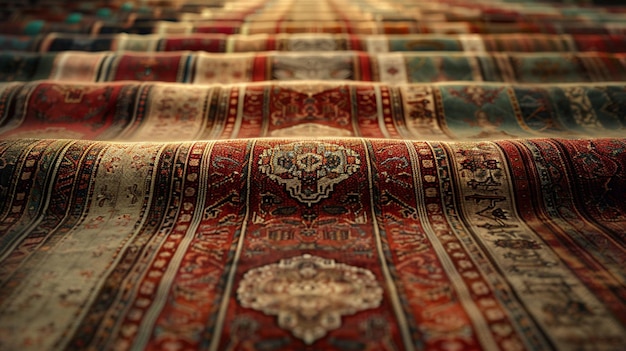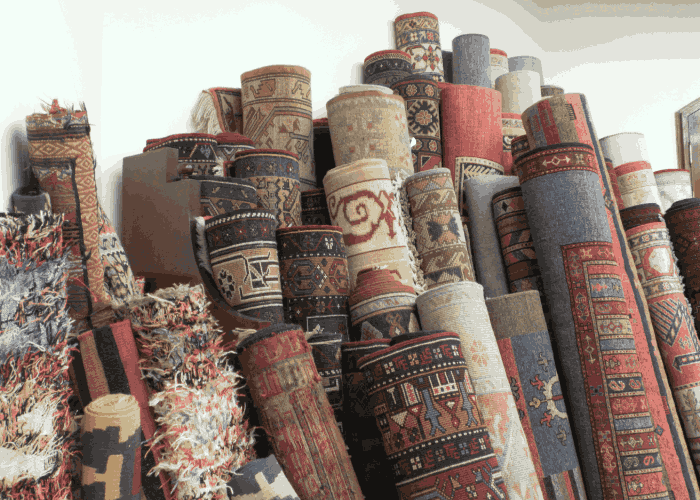
Welcome to the world where luxury meets craftsmanship, where every step you take is a testament to exquisite taste and enduring quality. When you envision a home that exudes elegance and comfort, the foundation often begins with what lies beneath your feet. Investing in a premium carpet is not merely a purchase; it is an acquisition of art, heritage, and a statement of your discerning style.
India, a land rich in textile traditions, offers an unparalleled array of luxury carpets, each woven with stories and centuries of artisanal skill. This comprehensive guide is designed to empower you with the knowledge needed to navigate this opulent market. We will help you understand the nuances that differentiate a good carpet from an extraordinary one, ensuring your investment enhances your living space for generations to come.
Why Invest in Premium Carpets? More Than Just Floor Covering
Choosing a premium carpet for your home in India transcends basic interior design. It is a decision that impacts the aesthetics, comfort, and even the value of your property. You are not just buying a floor covering; you are investing in a piece of functional art.
Durability and Longevity
Unlike mass-produced alternatives, premium carpets are crafted from superior materials and through meticulous weaving techniques. This ensures exceptional resilience against wear and tear. A high-quality carpet, especially a hand-knotted one, can last for decades, often becoming a cherished heirloom.
Aesthetic Appeal and Timeless Elegance
The intricate designs, vibrant colors, and luxurious textures of premium carpets add an unmatched level of sophistication to any room. They serve as a focal point, tying together your decor and creating an ambiance of refined beauty. Their timeless appeal means they rarely go out of style.
Increased Property Value
A well-chosen, high-quality carpet can significantly enhance the perceived value and appeal of your property. It speaks volumes about the care and investment you’ve put into your home. Potential buyers often appreciate the presence of such luxurious fixtures.
Comfort and Insulation
Premium carpets offer unparalleled comfort underfoot, creating a soft, warm, and inviting atmosphere. They also act as excellent insulators, helping to maintain room temperature and reduce energy costs. Furthermore, their sound-absorbing properties contribute to a quieter and more peaceful environment.
Art and Craftsmanship
Many premium carpets, particularly those from India, are the result of generations of artisanal knowledge and dedication. Each knot, each pattern, tells a story of skill and tradition. Owning such a carpet is akin to owning a masterpiece, bringing cultural richness into your home.
Understanding the Indian Luxury Carpet Market
India’s legacy in carpet weaving is as old as its civilization, with a significant boost during the Mughal era. This rich history has fostered a vibrant and diverse luxury carpet market. You will find a fascinating blend of traditional techniques and contemporary designs across various regions.
A Glimpse into History and Heritage
The art of carpet weaving in India was greatly influenced by Persian traditions, introduced by the Mughals in the 16th century. Emperors like Akbar established royal workshops, promoting intricate designs and high-quality materials. This fusion created a unique Indo-Persian style that continues to thrive.
Key Manufacturing Hubs in India
Several regions in India are renowned for their distinct carpet weaving traditions. Understanding these hubs can help you appreciate the origin and style of your carpet.
- Bhadohi-Mirzapur Belt (Uttar Pradesh): Often called the “Carpet City of India,” this region is the largest hub for hand-knotted carpets. You will find a vast array of designs, from traditional Persian to contemporary abstract patterns.
- Kashmir: Famous for its exquisite silk carpets, Kashmiri carpets are known for their intricate patterns, vibrant colors, and unparalleled softness. They often feature delicate floral motifs and a high knot density.
- Jaipur (Rajasthan): Jaipur is celebrated for its flat-weave carpets, known as Dhurries. These are typically made from cotton or wool and feature geometric patterns, often in bright, cheerful colors.
- Agra: Historically significant, Agra continues to produce high-quality wool and silk carpets, often reflecting classical Persian designs with Indian adaptations.
The market today offers everything from timeless traditional pieces to cutting-edge contemporary designs. You have the luxury of choosing a carpet that perfectly complements your personal aesthetic.
Key Factors to Consider When Choosing Your Premium Carpet
Selecting a premium carpet is a nuanced process that requires attention to several critical factors. By understanding these elements, you can make an informed decision that aligns with your vision and investment goals.
Material Matters: The Foundation of Luxury
The type of fiber used is perhaps the most crucial determinant of a carpet’s quality, feel, and durability. Each material offers unique characteristics that you should consider based on your lifestyle and preferences.
Wool
Wool is the most popular and versatile material for premium carpets, renowned for its natural resilience and durability. It is soft, naturally stain-resistant, and fire-retardant.
- New Zealand Wool: Highly prized for its purity, softness, and vibrant color retention. It offers a luxurious feel and excellent longevity.
- Indian Wool: Known for its strength and coarser texture, Indian wool is often blended with other fibers to achieve desired qualities. It is highly durable and suitable for various weaving techniques.
- Blended Wool: Often combined with other fibers like silk or synthetic materials to enhance specific properties, such as luster or affordability, while retaining wool’s core benefits.
Silk
Silk carpets are the epitome of luxury, celebrated for their exquisite sheen, incredibly soft texture, and fine knotting. They are typically thinner and more delicate than wool carpets but offer unmatched elegance.
- Luster and Softness: Silk fibers naturally reflect light, creating a shimmering effect that changes with your perspective. The feel is incredibly smooth and luxurious.
- Intricate Detail: Due to its fine nature, silk allows for exceptionally detailed patterns and a higher knot density (KPSI). This makes them true works of art.
- Delicate Nature: While durable in terms of fiber strength, silk carpets are more susceptible to wear in high-traffic areas and require more careful maintenance. They are best suited for decorative purposes or low-traffic zones.
Viscose (Bamboo Silk)
Viscose, sometimes marketed as “bamboo silk,” is a semi-synthetic fiber derived from plant cellulose. It offers a similar sheen and softness to silk at a more accessible price point.
- Affordable Luster: Provides a beautiful, silk-like sheen that can elevate a room’s aesthetic without the premium cost of natural silk.
- Softer Feel: Viscose carpets are wonderfully soft to the touch, adding a luxurious feel to your space.
- Lower Durability: It is generally less durable than wool or natural silk and can be prone to matting and staining, especially with water. Consider its placement carefully.
Cotton
Cotton is primarily used as a foundation material (warp and weft) in hand-knotted carpets, providing stability and strength. It is also the main material for flat-weave Dhurries and Kilims.
- Durability and Strength: Cotton fibers are strong and stable, making them ideal for the structural integrity of a carpet.
- Versatility: Cotton Dhurries are lightweight, reversible, and easy to clean, making them popular for casual yet stylish settings.
Craftsmanship and Weave: The Art of the Hand
The method by which a carpet is constructed profoundly influences its durability, texture, and value. India excels in various handcrafting techniques that you should be aware of.
Hand-Knotted Carpets
Hand-knotted carpets are the pinnacle of luxury and craftsmanship. Each knot is individually tied by hand onto a warp and weft foundation, a process that can take months or even years to complete. This labor-intensive method results in unparalleled durability, intricate detail, and a unique character.
- Knots Per Square Inch (KPSI): This metric indicates the density of knots. A higher KPSI signifies finer detail, greater durability, and higher value. Premium hand-knotted carpets can range from 100 KPSI to over 1000 KPSI.
- Longevity: These carpets are designed to last for generations, often appreciating in value over time.
- Unique Character: Slight irregularities are inherent to handmade products, adding to their charm and authenticity.
Hand-Tufted Carpets
Hand-tufted carpets are made by punching strands of yarn through a fabric backing with a tufting gun. A secondary backing is then glued on to secure the fibers. This process is faster and less labor-intensive than hand-knotting.
- Affordable Luxury: Hand-tufted carpets offer a luxurious look and feel at a more accessible price point than hand-knotted ones.
- Design Versatility: They can incorporate a wide range of designs and textures.
- Durability: While durable, they generally do not last as long as hand-knotted carpets due to the adhesive backing, which can degrade over time.
Hand-Loomed / Flat-Weave Carpets (Dhurries & Kilims)
Hand-loomed carpets, such as Dhurries and Kilims, are created by weaving the warp and weft threads together to form a flat surface, without a pile. They are typically made from cotton or wool.
- Reversible: Many flat-weave carpets are reversible, offering extended usability.
- Lightweight and Versatile: Easy to move and clean, they are perfect for layering or adding a touch of rustic charm.
- Distinct Texture: Their flat surface offers a different aesthetic and tactile experience compared to piled carpets.
Design and Pattern: Reflecting Your Style
The design of your carpet is a powerful tool to express your personal style and enhance your home’s aesthetic. India offers a vast spectrum of design influences.
Traditional Indian/Persian Designs
These designs often feature intricate floral motifs, medallions, geometric patterns, and borders. They bring a sense of history, grandeur, and timeless elegance to a space. Examples include Kashan, Tabriz, Heriz, and Mughal-inspired patterns.
Modern/Contemporary Designs
Characterized by abstract patterns, minimalist aesthetics, bold geometric shapes, and often monochromatic or muted color palettes. These designs are perfect for modern homes seeking a sleek and sophisticated look.
Transitional Designs
These carpets bridge the gap between traditional and modern, often featuring classic patterns rendered in contemporary colors or simplified motifs. They offer versatility and can blend seamlessly with various decor styles.
Color Palette: Setting the Mood
Color profoundly impacts the mood and perceived size of a room. Choosing the right color palette for your premium carpet is essential for cohesion and ambiance.
- Matching Your Decor: Consider your existing furniture, wall colors, and accessories. The carpet can either complement these elements or serve as a vibrant contrast.
- Impact of Light: Natural and artificial light can significantly alter how a carpet’s colors appear. View samples in your home under different lighting conditions.
- Durability of Color: Premium carpets use high-quality dyes that are fade-resistant, ensuring your carpet retains its vibrancy for years.
Size and Shape: Perfect Proportions
The size and shape of your carpet are critical for defining spaces and achieving visual balance in a room.
- Area Rugs: Often used to define zones within a larger room (e.g., seating area, dining area) or to add warmth and color to specific spots. Ensure the rug is large enough to comfortably accommodate your furniture.
- Wall-to-Wall Carpeting: Less common for premium, hand-knotted pieces, but creates a seamless, luxurious feel throughout a room.
- Standard vs. Custom Sizes: While standard sizes are readily available, many luxury carpet manufacturers offer custom sizing to perfectly fit your unique space.
Pile Height and Density: Feel and Functionality
The pile refers to the length of the yarn fibers that stand upright from the carpet’s backing. Density relates to how closely packed these fibers are.
- Low Pile: Easier to clean, more durable for high-traffic areas, and often preferred for intricate designs where clarity is desired.
- High Pile (Shag/Plush): Offers a more luxurious, soft, and plush feel underfoot. Best suited for low-traffic areas like bedrooms or formal living rooms.
- Density: A denser pile indicates more yarn per square inch, leading to greater durability, better insulation, and a more luxurious feel. You can check density by trying to see the carpet backing through the pile.
The Sourcing Journey: Where to Buy Premium Carpets in India
Acquiring a luxury carpet is an experience in itself. Knowing where to look and what to expect from a seller is paramount to ensuring authenticity and quality.
Reputable Showrooms and Boutiques
Visiting established showrooms and luxury boutiques offers you the opportunity to see, touch, and feel the carpets firsthand. Knowledgeable staff can guide you through the selection process, explain the nuances of each piece, and often provide customization options.
Direct from Manufacturers/Artisans
For a truly unique experience and potentially better pricing, consider sourcing directly from manufacturers or artisan workshops in hubs like Bhadohi or Kashmir. This allows you to witness the craftsmanship and often commission bespoke pieces. Ensure you are dealing with a reputable entity to avoid intermediaries.
Online Luxury Retailers
Numerous online platforms now specialize in luxury carpets, offering a vast selection and convenience. However, exercise caution. Always choose retailers with strong reputations, clear return policies, and detailed product descriptions, including high-resolution images and videos.
Look for customer reviews and certifications.
What to Look for in a Seller
- Authenticity Certificates: For hand-knotted carpets, insist on a certificate of authenticity detailing the material, origin, knot count, and age.
- Transparency: A reputable seller will be transparent about the carpet’s origin, materials, and weaving process.
- Expertise: The sales team should be knowledgeable and able to answer all your questions thoroughly.
- After-Sales Service: Inquire about cleaning, repair, and maintenance services.
Caring for Your Investment: Maintenance Tips for Longevity
A premium carpet is an investment that, with proper care, will retain its beauty and value for decades. Implementing a consistent maintenance routine is key to its longevity.
Regular Vacuuming
Vacuum your carpet regularly, typically 1-2 times a week, using a vacuum cleaner with adjustable height settings. For looped piles, use a suction-only setting to prevent damage. For cut piles, a beater bar can be used gently.
Spot Cleaning
Address spills immediately. Blot, do not rub, the affected area with a clean white cloth. Use a mild, pH-neutral carpet cleaner specifically designed for the carpet’s material.
Always test the cleaner on an inconspicuous area first.
Professional Cleaning
Schedule professional cleaning every 12-18 months, depending on traffic and usage. Choose a reputable cleaner experienced in handling luxury and handmade carpets. They use specialized equipment and solutions that are safe for delicate fibers and dyes.
Rotation to Prevent Wear
If your carpet is in an area with uneven traffic or sunlight exposure, rotate it 180 degrees every 6-12 months. This helps distribute wear evenly and prevents localized fading.
Protection from Direct Sunlight
Prolonged exposure to direct sunlight can cause colors to fade. Use curtains, blinds, or UV-filtering window films to protect your carpet. Consider rotating the carpet to ensure even exposure.
Use of Underlays
Always place a high-quality rug pad (underlay) beneath your area rug. An underlay provides cushioning, prevents slipping, absorbs impact, and extends the life of your carpet by reducing wear on the fibers and foundation.
Understanding Pricing: What Influences the Cost?
The price of a premium carpet can vary significantly, ranging from a few thousand rupees to several lakhs. Several factors contribute to this variability, and understanding them helps you gauge the value of your purchase.
- Material: Silk carpets are generally the most expensive due to the rarity and labor involved in processing silk. Wool carpets follow, with specific types like New Zealand wool commanding a higher price. Viscose and cotton are more affordable.
- Craftsmanship (Weave Type): Hand-knotted carpets are the most expensive due to the immense labor and skill required. Hand-tufted carpets are moderately priced, while hand-loomed flat weaves are typically the most economical of the handmade options.
- Knot Density (KPSI): For hand-knotted carpets, a higher KPSI means more knots per square inch, indicating finer detail, greater durability, and a significantly higher price.
- Size: Larger carpets naturally require more material and labor, leading to higher costs. Custom sizes may also incur additional charges.
- Origin and Brand: Carpets from renowned weaving centers or established luxury brands often carry a premium due to their reputation for quality and authenticity.
- Design Complexity: Intricate, multi-colored designs with fine details require more skilled weavers and more time, thus increasing the cost.
- Age and Rarity: Antique or vintage carpets, especially those in good condition or with historical significance, can command very high prices.
It is important to remember that a higher price often reflects superior quality, durability, and artistry. View your expenditure as an investment in a lasting piece of decor and heritage.
Comparative Analysis of Premium Carpet Materials
To further assist you in your decision-making, here is a comparative table summarizing the key characteristics of common premium carpet materials available in India.
| Material | Durability | Softness | Luster | Maintenance | Typical Price Range (INR/sq ft) |
|---|---|---|---|---|---|
| Wool (New Zealand) | Excellent | Very Soft | Moderate | Moderate (Naturally stain-resistant) | INR 300 – 1500+ |
| Wool (Indian) | Excellent | Soft to Medium | Low to Moderate | Moderate (Very resilient) | INR 250 – 1000+ |
| Silk | Good (for low traffic) | Exquisite | High (Shimmering) | High (Delicate, professional cleaning) | INR 1000 – 5000+ |
| Viscose (Bamboo Silk) | Fair (Prone to matting/stains) | Very Soft | High (Silk-like) | High (Careful with spills, professional cleaning) | INR 200 – 800+ |
| Cotton (Dhurries) | Good | Medium | Low | Easy (Washable/spot clean) | INR 100 – 400+ |
Note: Price ranges are indicative and can vary significantly based on weave type, knot density, brand, design complexity, and market conditions.
Conclusion
Embarking on the journey of investing in a luxury carpet for your home in India is a decision that promises to enrich your living space with unparalleled beauty, comfort, and heritage. You are not just furnishing a room; you are curating an experience, a tactile story woven into the very fabric of your home.
By carefully considering the material, craftsmanship, design, and practical aspects outlined in this guide, you are now equipped to make an informed choice. Remember that a premium carpet is a testament to timeless artistry and a sound investment that will bring joy and elegance for many years to come.
Choose wisely, care diligently, and let your chosen carpet transform your home into a sanctuary of sophisticated luxury.
Frequently Asked Questions (FAQ)
Q1: How often should I professionally clean my premium carpet?
Generally, you should have your premium carpet professionally cleaned every 12 to 18 months. Carpets in high-traffic areas or homes with pets and children might benefit from more frequent cleaning, perhaps annually. Always consult with a professional cleaner experienced in handling luxury and handmade carpets.
Q2: Can I place a premium carpet in a high-traffic area?
It depends on the material and weave type. Hand-knotted wool carpets are highly durable and can withstand high-traffic areas well. However, delicate materials like silk or less resilient ones like viscose are best reserved for low-traffic zones such as bedrooms, formal living rooms, or decorative wall hangings, to preserve their beauty and longevity.
Q3: What is KPSI, and why does it matter?
KPSI stands for Knots Per Square Inch, a critical metric for hand-knotted carpets. It indicates the density of knots in a given area. A higher KPSI signifies a finer, more intricate weave, allowing for greater detail in the design, superior durability, and a softer feel.
Generally, a higher KPSI correlates with a higher quality and more expensive carpet.
Q4: How do I protect my premium carpet from pets?
Protecting your carpet from pets requires a multi-faceted approach. Regularly trim your pet’s nails to prevent snags. Immediately clean up any pet accidents using appropriate enzymatic cleaners to neutralize odors and stains.
Consider using a durable, low-pile wool carpet in areas accessible to pets, and provide designated scratching posts or pet beds to divert their attention from the carpet. A protective rug pad can also help reinforce the carpet’s structure.
Q5: Are custom carpets much more expensive?
Custom carpets are typically more expensive than standard-sized, off-the-shelf options. The increased cost is due to the personalized design process, specific material requirements, and the fact that they are often woven to exact dimensions, which can sometimes be less efficient for weavers than standard sizes. However, the investment can be worthwhile for a perfect fit and unique design statement.
Q6: How can I tell if a carpet is truly hand-knotted?
There are several indicators to distinguish a hand-knotted carpet:
- Fringe: In genuine hand-knotted carpets, the fringe is an extension of the carpet’s foundation (warp threads), not sewn on separately.
- Backing: The back of a hand-knotted carpet will mirror the pattern on the front, though less distinct. You should be able to feel individual knots.
- Irregularities: Slight imperfections in pattern, shape, or size are common and characteristic of handmade items, adding to their unique charm.
- Flexibility: Hand-knotted carpets are generally more pliable and fold easily compared to stiff, machine-made rugs.
- Certificate of Authenticity: Reputable dealers will provide a certificate detailing the carpet’s origin, materials, and knot count.