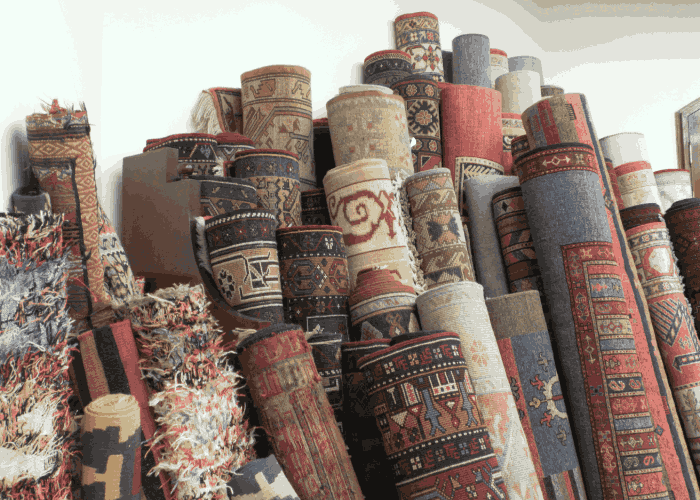
Imagine stepping onto a surface that feels like a dream beneath your feet, a testament to centuries of artistry and dedication. This isn’t just a floor covering; it’s a piece of history, a work of art, and a statement of unparalleled luxury. For discerning individuals like you, who appreciate true quality and enduring beauty, the world of premium Indian carpets offers an experience unlike any other.
India, a land rich in cultural heritage, has long been a cradle of exquisite craftsmanship. Its tradition of carpet making is not merely an industry; it is a profound legacy passed down through generations. When you choose a premium Indian carpet, you are not simply acquiring an object; you are investing in a masterpiece, a symbol of meticulous skill and timeless elegance that promises to transform your space.
This article invites you on a journey to discover the intricate details and profound reasons why Indian premium carpets are truly unrivaled. We will explore the historical roots, the painstaking artistry, the superior materials, and the myriad benefits that set these carpets apart. Prepare to uncover the secrets behind their captivating allure and understand why they represent the pinnacle of luxury underfoot.
A Tapestry of Time: India’s Enduring Carpet Legacy
The story of Indian carpet making is as rich and vibrant as the carpets themselves. Its origins are deeply intertwined with the cultural and historical fabric of the subcontinent. This ancient craft has evolved over centuries, absorbing influences and developing unique characteristics that define its current excellence.
You might be surprised to learn that significant impetus came during the Mughal Empire. Emperor Akbar, in the 16th century, is often credited with introducing Persian master weavers to India, establishing royal workshops in cities like Agra and Lahore. This fusion of indigenous Indian artistry with sophisticated Persian techniques laid the groundwork for a distinct and magnificent style.
Over time, Indian artisans not only adopted these foreign techniques but also infused them with local motifs, colors, and spiritual symbolism. This created a unique aesthetic that blended intricate Persian patterns with the vibrant palette and naturalistic designs characteristic of Indian art. The craft flourished under subsequent rulers, becoming a hallmark of royal courts and affluent households.
Today, this legacy continues in various regions across India, each contributing its own specialized techniques and design sensibilities. From the intricate hand-knotting of Kashmir to the robust woolens of Mirzapur, each region adds a unique chapter to India’s carpet narrative. This rich tapestry of history and tradition is woven into every premium carpet you encounter.
The Royal Patronage and Artistic Evolution
Royal patronage played a crucial role in elevating carpet weaving to an art form. Emperors and nobles commissioned grand carpets for their palaces, not just as floor coverings, but as central elements of their interior décor. This demand for excellence fostered intense competition and innovation among artisan families.
The designs evolved from purely Persianate to incorporate local flora and fauna, mythological figures, and geometric patterns. Artisans developed new dyeing techniques using natural pigments extracted from plants, minerals, and insects. This commitment to artistic integrity and continuous improvement has been passed down through generations, ensuring the craft’s enduring vitality.
You can see this evolution reflected in the complexity and beauty of modern premium Indian carpets. They carry echoes of imperial grandeur while simultaneously embracing contemporary aesthetics. This historical depth gives each carpet a soul, a narrative woven into its very fibers, making it much more than just a decorative item for your home.
The Art of the Hand: Unpacking the Craftsmanship
What truly distinguishes Indian premium carpets is the unparalleled human touch involved in their creation. These are not mass-produced items; they are labor-intensive masterpieces, each knot and tuft placed with precision and passion. The artisan’s skill and dedication are the heart of every single carpet.
You will find that the vast majority of premium Indian carpets are either hand-knotted or hand-tufted. These methods, while distinct, both require immense patience, expertise, and an unwavering commitment to quality. Let’s delve into the intricate processes that bring these magnificent creations to life.
The Meticulous Process of Hand-Knotting
Hand-knotting is the most revered and time-consuming method, resulting in the most durable and valuable carpets. Imagine a single artisan, or a team, sitting at a loom, meticulously tying individual knots onto a cotton or silk foundation. Each knot is a testament to their skill.
The process begins with a detailed design graph, often resembling a complex blueprint. Artisans follow this graph knot by knot, choosing the correct color yarn for each precise point. There are two primary types of knots you will encounter:
- Persian (Senneh) Knot: This asymmetrical knot is widely used in India, allowing for very intricate and curvilinear designs. It creates a finer, denser pile.
- Turkish (Ghiordes) Knot: A symmetrical knot that is stronger and more robust, often used for more geometric patterns and a slightly coarser pile.
The density of these knots per square inch (KPSI) is a primary indicator of a hand-knotted carpet’s quality and value. A higher KPSI means a more detailed design, a denser pile, and greater durability. Some premium carpets can have hundreds of knots per square inch, taking many months, even years, to complete.
After a row of knots is tied, a weft yarn is passed horizontally and then beaten down with a heavy comb-like tool called a “beater” (daf). This secures the knots firmly in place and adds to the carpet’s structural integrity. This entire process is then repeated, row after row, until the entire carpet is woven.
The Precision of Hand-Tufting
While hand-knotted carpets represent the zenith of the craft, hand-tufted carpets also hold a significant place in the premium market. They offer a luxurious feel and intricate designs with a slightly different construction method. You might find them to be an excellent choice for certain aesthetic and budgetary considerations.
In hand-tufting, artisans use a specialized tool, often resembling a large gun, to punch individual strands of yarn through a fabric backing. This creates a loop pile on the surface. Once the design is complete, a secondary backing is applied, usually with latex, to secure the tufts.
The loops can then be left as they are (loop pile) or cut to create a plush, velvety surface (cut pile). Sometimes, a combination of both is used to create textural variations and highlight design elements. While faster than hand-knotting, hand-tufting still requires considerable skill and artistic vision to execute complex patterns and ensure uniformity.
The Finishing Touches: Beyond the Weave
The journey of a premium Indian carpet doesn’t end at the loom. Several crucial finishing steps elevate it from a woven textile to a luxurious floor covering. These processes demand further expertise and attention to detail, ensuring the carpet meets the highest standards.
- Shearing: The pile is carefully trimmed to a uniform height, which enhances the clarity of the design and creates a smooth, even surface. This is often done by hand with specialized shears.
- Washing: Carpets undergo multiple washes, often using traditional methods and natural soaps. This process not only cleans the carpet but also softens the wool or silk, enhances the luster of the fibers, and sometimes mutes the colors slightly for a more antique look.
- Stretching and Drying: After washing, carpets are carefully stretched and dried to ensure they lie flat and maintain their shape. This prevents buckling and ensures a perfect finish.
- Binding and Fringing: The edges of the carpet are meticulously bound to prevent fraying, and fringes are often added or finished as an integral part of the design.
Every one of these steps is performed by skilled hands, reflecting generations of accumulated knowledge. You are not just buying a product; you are acquiring the legacy of these artisans, their dedication woven into every fiber.
Materials Matter: The Foundation of Luxury
The unparalleled beauty and durability of Indian premium carpets begin with the selection of the finest raw materials. Just as a chef selects the freshest ingredients, master weavers choose only the highest quality fibers. These materials not only dictate the carpet’s aesthetic appeal but also its longevity, feel, and overall value.
You will find that the choice of material significantly impacts the carpet’s character. Whether it’s the resilience of wool, the silken sheen, or the subtle strength of cotton, each fiber contributes uniquely to the final masterpiece.
The Majesty of Wool
Wool is, without a doubt, the most popular and versatile material for premium carpets. Its natural properties make it exceptionally suited for floor coverings. Indian carpet makers often source wool from specific regions known for their superior quality.
- Himalayan Wool (Tibetan Wool): Revered for its exceptional strength, natural lanolin content, and lustrous sheen. Carpets made from Himalayan wool are incredibly durable, resilient, and develop a beautiful patina over time. The high altitude and harsh conditions in which the sheep live contribute to the wool’s robust qualities.
- New Zealand Wool: Known globally for its purity, whiteness, and consistency. It takes dye beautifully and results in vibrant, clear colors. Carpets made with New Zealand wool are soft, strong, and highly resistant to crushing.
- Bikaner Wool: Sourced locally within India, Bikaner wool is prized for its strength and resilience. It is often blended with other wools to enhance durability and texture.
Wool is naturally stain-resistant due to its high lanolin content, making it practical for everyday luxury. Its inherent elasticity means it can withstand heavy foot traffic and bounce back, maintaining its plush appearance for decades. Furthermore, wool is a natural insulator, providing warmth in winter and coolness in summer, and it also absorbs sound, contributing to a quieter, more comfortable environment in your home.
The Elegance of Silk
For the ultimate in luxury and refinement, silk carpets are simply breathtaking. The unparalleled luster, softness, and intricate detail achievable with silk make it a truly premium fiber. You will immediately notice the difference when you touch a silk carpet.
- Mulberry Silk: The highest quality silk, known for its incredible strength, fineness, and radiant sheen. Carpets made from Mulberry silk are often characterized by their intricate designs and a shimmering quality that changes with light. They are typically used in areas with less foot traffic due, to their delicacy, but their beauty is unmatched.
- Bamboo Silk: A more sustainable and increasingly popular alternative, bamboo silk offers a similar luxurious sheen and softness to traditional silk. It is also highly durable and has excellent dye absorption properties, making it a versatile choice for premium carpets.
Silk carpets are often considered heirloom pieces, passed down through generations. Their exquisite beauty and the sheer artistry involved in their creation make them powerful focal points in any sophisticated interior design scheme.
The Structural Integrity of Cotton
While wool and silk form the luxurious pile, cotton plays a vital, often unseen, role in the foundation of many premium Indian carpets. You will find cotton used for the warp (vertical threads) and weft (horizontal threads) in hand-knotted carpets.
Cotton provides excellent strength and stability, ensuring the carpet maintains its shape and integrity over time. Its non-elastic nature ensures that each knot remains firmly in place, contributing to the carpet’s overall durability and longevity. This careful selection of foundation materials is another testament to the comprehensive quality approach in Indian carpet making.
Sustainable and Ethical Sourcing
Beyond the quality of the fibers, many premium Indian carpet manufacturers are increasingly focusing on sustainable and ethical sourcing. You can often find carpets made from natural, renewable fibers, dyed with eco-friendly colors, and produced under fair labor practices.
This commitment not only ensures a high-quality product but also aligns with conscious consumer values. When you invest in a premium Indian carpet, you are often supporting a tradition that respects both the environment and the skilled artisans who bring these magnificent pieces to life.
Design & Aesthetics: A Symphony of Styles
One of the most captivating aspects of Indian premium carpets is their incredible diversity in design and aesthetics. From timeless traditional patterns to cutting-edge contemporary motifs, there is a carpet to complement every interior and satisfy every taste. You will find that these carpets are not just floor coverings; they are powerful artistic statements.
The design journey of an Indian carpet is a fascinating blend of historical influences, cultural narratives, and modern artistic interpretations. Artisans draw inspiration from a myriad of sources, ensuring a rich tapestry of visual options.
Traditional Indian Designs: Echoes of Empire
The traditional designs you find in Indian premium carpets often carry the echoes of the Mughal era and Persian influences. These patterns are characterized by their intricate detail, symmetrical layouts, and rich symbolism. You might recognize some of these classic elements:
- Mughal Motifs: Inspired by royal gardens and architecture, these designs often feature stylized flowers (lotus, jasmine, rose), cypress trees, birds, and sometimes even hunting scenes. The “Tree of Life” motif, symbolizing growth and connection, is also a prominent traditional design.
- Medallion Designs: A central, often elaborate, medallion forms the focal point of the carpet, surrounded by complementary borders and field patterns. These designs exude grandeur and formality.
- All-Over Patterns: Repeating patterns that cover the entire field of the carpet, creating a sense of continuous flow and harmony. These can range from delicate floral trellises to geometric lattices.
- Prayer Rugs: Characterized by an arch or mihrab design at one end, symbolizing the niche in a mosque that points towards Mecca. These are often smaller, highly decorative pieces.
The color palettes in traditional carpets are typically rich and deep, featuring deep reds, royal blues, emerald greens, and earthy tones, often accented with gold and ivory. These colors are traditionally derived from natural dyes, adding to their authenticity and depth.
Contemporary Designs: Modern Expressions
While rooted in tradition, the Indian carpet industry is also a vibrant hub for contemporary design. Many premium manufacturers collaborate with modern designers to create pieces that speak to current trends and minimalist aesthetics. You will find a wide array of options that perfectly blend with modern living spaces.
- Abstract Designs: Featuring fluid shapes, bold brushstrokes, and non-representational forms, abstract carpets add a dynamic and artistic touch to modern interiors. They can be incredibly versatile, acting as a focal point or a subtle textural element.
- Geometric Patterns: Clean lines, sharp angles, and repetitive geometric shapes create a sense of order and sophistication. These designs often come in monochromatic or limited color palettes, emphasizing form and texture.
- Transitional Designs: A beautiful bridge between traditional and contemporary, transitional carpets often take classic motifs and simplify them, or use traditional color schemes with modern layouts. They offer versatility, fitting into both classic and modern décor.
Contemporary color palettes often feature muted tones, grays, beiges, and pastels, alongside occasional pops of vibrant, unexpected hues. The emphasis is often on texture, with varying pile heights and fiber combinations creating visual interest.
Customization: Your Vision, Woven into Reality
One of the most significant advantages of premium Indian carpets, especially those that are hand-knotted, is the possibility of customization. You are not limited to off-the-shelf options; instead, you can commission a carpet that perfectly matches your unique vision.
This bespoke service allows you to specify almost every aspect of your carpet, including:
- Size and Shape: From grand room-sized rugs to unique runners or even wall hangings, your carpet can be made to fit any space.
- Color Palette: You can select specific shades to match your existing décor, ensuring perfect harmony.
- Design and Pattern: Whether you want a specific traditional motif, a modern abstract piece, or even a completely new design inspired by your own ideas, artisans can bring it to life.
- Material and Pile Height: Choose the exact combination of wool, silk, or blends, and specify the desired pile height for a particular feel and look.
This level of personalization ensures that your premium Indian carpet is not just a purchase, but a truly unique creation, tailored exclusively for you. It becomes an extension of your personal style and a truly irreplaceable element of your home.
Beyond Beauty: The Unseen Advantages
While the visual appeal and exquisite craftsmanship of Indian premium carpets are undeniable, their value extends far beyond mere aesthetics. There are numerous practical and long-term advantages that make them a superior choice for your home. You will find that these carpets offer benefits that synthetic, machine-made alternatives simply cannot match.
Durability and Longevity: Heirloom Quality
Perhaps the most significant unseen advantage is the incredible durability and longevity of a premium hand-knotted Indian carpet. These are not items designed to be replaced every few years; they are built to last for generations. The meticulous hand-knotting, the high-quality natural fibers, and the dense pile contribute to their exceptional resilience.
With proper care, a premium Indian carpet can easily last 50, 70, or even 100 years or more. They are often passed down as treasured family heirlooms, accumulating stories and character over time. This makes your purchase not just a decorative choice, but a long-term investment in quality.
Investment Value: Appreciating Assets
Unlike many home furnishings that depreciate in value, high-quality, hand-knotted Indian carpets, especially those made with superior materials and craftsmanship, can actually appreciate over time. Factors like age, rarity, artistic merit, and origin contribute to their increasing value.
Much like fine art or antiques, a well-maintained premium carpet can become a valuable asset. You are investing in a piece of cultural heritage and skilled artistry that holds intrinsic worth, offering both aesthetic pleasure and potential financial returns.
Comfort and Insulation: A Haven of Warmth and Quiet
The natural fibers and dense construction of premium Indian carpets offer remarkable comfort and practical benefits for your living space. You will immediately notice the difference they make to the atmosphere of a room.
- Thermal Insulation: Wool, in particular, is an excellent insulator. A carpet acts as a barrier, preventing heat loss through the floor in winter and keeping the room cooler in summer. This can lead to greater energy efficiency in your home.
- Acoustic Insulation: Carpets significantly absorb sound, reducing echo and creating a quieter, more peaceful environment. This is especially beneficial in homes with hard flooring or open-plan layouts, enhancing the overall comfort and tranquility of your space.
- Underfoot Comfort: The natural softness and cushioning of wool and silk provide an incredibly comfortable surface to walk on. This plush feel adds a layer of luxury to your daily life.
Health Benefits: Improved Indoor Air Quality
You might be surprised to learn that natural fiber carpets can contribute to better indoor air quality. Unlike hard surfaces, which allow dust and allergens to circulate freely with every draft, carpets act as a filter.
They can trap dust, pollen, and other airborne particles, holding them until they are vacuumed away. This can be particularly beneficial for individuals with allergies or respiratory sensitivities. Natural fibers also do not off-gas volatile organic compounds (VOCs) in the same way some synthetic materials can, contributing to a healthier home environment.
Environmental Impact: Sustainable Choices
Many premium Indian carpets are made from natural, renewable resources like wool, cotton, and silk. These materials are biodegradable and have a significantly smaller environmental footprint compared to synthetic fibers derived from petrochemicals. The traditional, hand-based production methods also consume less energy than industrial manufacturing processes.
By choosing a premium Indian carpet, you are making a more sustainable and environmentally conscious decision. You are investing in a product that aligns with ecological values, supporting a craft that has historically been in harmony with nature.
A Comparative Edge: Why Indian Carpets Stand Out
The global market for luxury carpets is diverse, with several regions renowned for their unique contributions. However, when you consider the confluence of factors that define a truly premium product, Indian carpets consistently emerge as unrivaled. Let’s briefly compare them to understand their unique standing.
You might be familiar with the exquisite rugs from Persia (Iran), Turkey, or even China. Each has its merits, but India offers a distinctive blend that is hard to replicate.
Versatility in Design and Technique
Indian artisans have masterfully integrated and adapted techniques and designs from various traditions, creating an incredibly versatile aesthetic. While Persian carpets are celebrated for their classical motifs and Turkish rugs for their geometric patterns, India offers a broader spectrum.
You can find carpets that closely mimic ancient Persian designs, alongside vibrant contemporary pieces and traditional Indian folk art. This adaptability means you have a wider array of choices to fit your specific design needs.
Exceptional Value for Uncompromising Quality
While premium carpets from any region command a price commensurate with their quality, Indian carpets often offer exceptional value. The combination of highly skilled labor, access to excellent raw materials, and efficient production methods can result in a magnificent, hand-knotted carpet that is competitively priced for its caliber.
You are investing in heirloom quality craftsmanship without the often exorbitant price tags associated with some other historical carpet-producing regions. This makes luxury more accessible without compromising on any aspect of quality or artistry.
Innovation Blended with Tradition
India’s carpet industry strikes a remarkable balance between preserving ancient traditions and embracing modern innovation. Artisans continue to use time-honored techniques, but designers are constantly experimenting with new color palettes, textures, and patterns. This dynamic approach ensures that Indian premium carpets remain relevant and exciting in the contemporary design world.
You benefit from a heritage that is alive and evolving, offering you pieces that are both timeless and current. This blend of the old and new is a hallmark of India’s unique contribution to the world of luxury carpets.
A Unique Blend of Artistry and Accessibility
What truly sets Indian premium carpets apart is their unique ability to combine profound artistry with a certain level of accessibility. While every piece is a work of art, the sheer volume of skilled artisans and the diversity of production centers mean that a wider range of exquisite options is available to you. This combination of deep artistic integrity and a robust, adaptable industry solidifies India’s position as a leader in the premium carpet market.
Understanding Premium Carpet Characteristics
To help you better appreciate the value and characteristics of premium Indian carpets, consider the following comparison. This table highlights key differentiators that set hand-crafted luxury apart from more common alternatives. You will notice the consistent emphasis on quality and longevity.
| Characteristic | Premium Hand-Knotted Indian Carpet | Standard Machine-Made Carpet |
|---|---|---|
| Craftsmanship | Meticulously hand-knotted, unique art piece, highly skilled artisan labor. Up to 1000+ KPSI. | Machine-woven, mass-produced, uniform patterns, automated process. |
| Materials | 100% natural, high-quality fibers (e.g., Himalayan wool, Mulberry silk, premium cotton). Often naturally dyed. | Synthetic fibers (e.g., polypropylene, nylon, polyester). Often chemically dyed. |
| Durability & Longevity | Exceptional; lasts 50-100+ years, becomes an heirloom, resists crushing and wear. | Moderate; lasts 5-15 years, prone to matting and wear in high traffic areas. |
| Design & Detail | Intricate, complex designs with fine details, rich textures, deep color variations. Customization possible. | Simpler, repetitive patterns, limited detail, uniform texture. Limited customization. |
| Feel & Comfort | Luxurious, soft, plush underfoot, natural insulation properties, breathable. | Can feel soft initially, but often lacks depth and natural resilience, less insulating. |
| Investment Value | Can appreciate in value over time, considered an art investment. | Depreciates rapidly, primarily a functional purchase. |
| Environmental Impact | Sustainable, renewable materials, low energy production, biodegradable. | Petroleum-based materials, high energy consumption, non-biodegradable. |
This table clearly illustrates why premium Indian carpets are not just a purchase but an investment. You are choosing a product that excels in every category, offering long-term satisfaction and value.
Conclusion: The Enduring Allure of Indian Premium Carpets
We have journeyed through the rich history, intricate craftsmanship, superior materials, and diverse designs that define Indian premium carpets. You have discovered that these aren’t merely floor coverings; they are profound expressions of art, culture, and dedication.
From the enduring legacy of Mughal emperors to the skilled hands of contemporary artisans, every thread tells a story of passion and precision. The choice of the finest wools and silks, the meticulous hand-knotting, and the vibrant array of designs all culminate in a product that stands in a class of its own. You are not just decorating your home; you are imbuing it with history, artistry, and unparalleled luxury.
The unseen advantages, such as exceptional durability, potential investment value, superior comfort, and positive environmental impact, further solidify their unrivaled status. When you choose an Indian premium carpet, you are making a conscious decision to embrace quality, sustainability, and timeless beauty.
Embrace the warmth, the elegance, and the stories woven into every fiber. Let an Indian premium carpet transform your space into a sanctuary of sophistication and comfort. You deserve nothing less than the very best, and in the realm of luxury carpets, India truly delivers an experience that is simply unmatched.
Frequently Asked Questions (FAQ) About Indian Premium Carpets
As you consider investing in a premium Indian carpet, you may have several questions. Here are answers to some of the most common inquiries to help you make an informed decision.
1. How can I identify a genuine premium hand-knotted Indian carpet?
You can identify a genuine hand-knotted carpet by several clues. Look at the back of the carpet; hand-knotted carpets will have irregular, slightly uneven knots, and the design will be visible but less crisp than the front. Machine-made carpets have perfectly uniform knots and often a stiff, synthetic backing.
Feel the pile; natural fibers like wool and silk have a distinct texture and luster. Also, check for a reputable dealer who can provide authentication certificates and information about the carpet’s origin and materials.
2. Are Indian premium carpets difficult to clean and maintain?
Not necessarily. While they require proper care, it’s often simpler than you might think. Regular vacuuming (without a beater bar) to remove dust and loose debris is essential.
For spills, blot immediately with a clean cloth. For deeper cleaning or stubborn stains, it is highly recommended to consult a professional rug cleaner specializing in hand-knotted carpets. Avoid using harsh chemicals or steam cleaners, as these can damage the natural fibers and dyes.
3. What is the typical lifespan of a premium Indian carpet?
With proper care and maintenance, a high-quality hand-knotted Indian carpet can last for many decades, often 50 to 100 years or even more. They are designed to be heirloom pieces, gaining character and beauty over time. The longevity depends heavily on the quality of materials, knot density, and the amount of foot traffic it receives.
4. What makes Indian carpets “premium” compared to others?
The “premium” designation for Indian carpets stems from a combination of factors: the use of only the finest natural materials (e.g., high-quality wools, Mulberry silk), meticulous hand-knotting or hand-tufting by skilled artisans, intricate and often unique designs, and a rich historical legacy of craftsmanship. They offer superior durability, aesthetic appeal, and often appreciate in value, unlike mass-produced alternatives.
5. Can I customize the design and size of an Indian premium carpet?
Absolutely! One of the significant advantages of hand-knotted Indian carpets is the possibility of customization. Many premium manufacturers and dealers offer bespoke services where you can specify the exact size, shape, design, color palette, material, and pile height to perfectly match your interior design vision.
This ensures you acquire a truly unique piece tailored to your preferences.
6. Are premium Indian carpets environmentally friendly?
Yes, many premium Indian carpets are considered an environmentally conscious choice. They are typically made from natural, renewable fibers like wool, cotton, and silk, which are biodegradable. The traditional hand-making process consumes significantly less energy than industrial machine production.
Additionally, many manufacturers are committed to ethical sourcing and using eco-friendly dyes, further reducing their environmental footprint.
7. How do I protect my premium carpet from fading?
To protect your carpet from fading, avoid placing it in direct, prolonged sunlight. If this is unavoidable, consider using UV-blocking window films or drawing curtains during peak sunlight hours. Rotating your carpet periodically can also help ensure even exposure and wear.
High-quality natural dyes are generally more colorfast, but all natural materials can be affected by intense UV exposure over time.