You stand amidst the glittering spectacle of the Met Gala, a global celebration where fashion, art, and culture converge. Every detail, from the avant-garde gowns to the meticulously curated decor, speaks volumes of luxury and artistic vision. While the spotlight often shines brightest on the sartorial masterpieces, an equally compelling story of craftsmanship unfolds, often subtly, beneath the very feet of the world’s most influential figures.
Imagine a floor covering so exquisite, so rich in heritage and skill, that it transcends mere utility to become a central piece of art. This is the narrative of India’s premium carpet craftsmanship, a legacy stretching back centuries, now gracing the most prestigious stages worldwide. From the serene backwaters of Kerala, renowned for its sustainable coir, to the intricate looms of traditional weaving centers, Indian carpets are carving out an undeniable presence in the realm of high-end design. You are about to embark on a journey that reveals how these masterpieces, born from generations of artisanal expertise, are not just adorning luxury homes, but also inspiring and complementing the world’s most exclusive events.
The Rich Tapestry of Indian Carpetry: A Legacy of Art and Skill
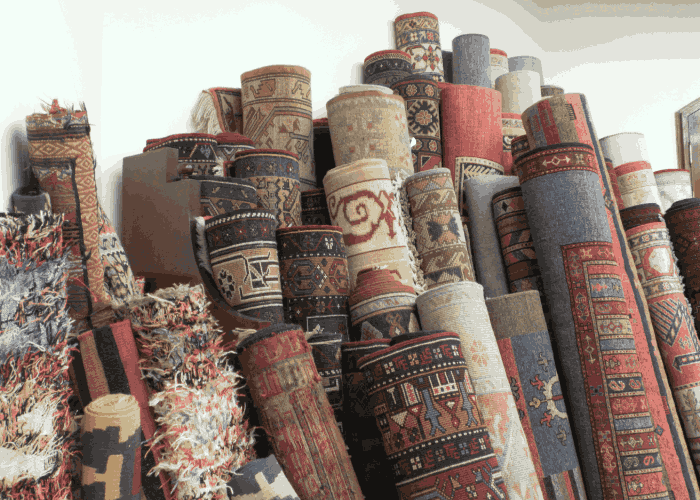
Indian carpet making is not merely a craft; it is a profound art form, deeply interwoven with the nation’s cultural and historical fabric. For centuries, these exquisite floor coverings have been symbols of luxury, status, and artistic expression. You will discover a heritage that is as diverse as the subcontinent itself, reflecting a unique blend of indigenous creativity and external influences.
A Heritage Woven Through Centuries
The origins of Indian carpet weaving can be traced back to ancient times, with evidence suggesting sophisticated textile production long before recorded history. However, it was during the Mughal era, particularly under Emperor Akbar in the 16th century, that carpet making truly flourished. Persian weavers were brought to India, sharing their intricate techniques and designs, which were then masterfully adapted and enriched by Indian artisans.
This fusion gave birth to a distinctive Indo-Persian style, characterized by vibrant colors, elaborate floral motifs, and hunting scenes. Mughal carpets were not just floor coverings; they were portable gardens, pieces of art commissioned by royalty and nobles. Over time, these imperial workshops influenced local weaving traditions, spreading the art across various regions of India.
Regional Maestros: From Himalayan Peaks to Tropical Shores
India’s vast geography has fostered a remarkable diversity in carpet craftsmanship, with each region developing its own unique style, materials, and techniques. You will find that the variations are truly astounding. Kashmir, nestled in the Himalayas, is globally celebrated for its opulent silk carpets, known for their exceptionally fine knotting and intricate patterns.
Further south, Bhadohi in Uttar Pradesh is often referred to as the “Carpet City of India,” producing a wide array of hand-knotted and hand-tufted carpets, primarily using high-quality wool. Rajasthan, particularly Jaipur, is famous for its flatweave carpets, known as “durries,” which are reversible and feature bold geometric patterns and vibrant colors. Each of these regions contributes a distinct flavor to the overall tapestry of Indian carpetry.
The Art of the Knot: Techniques That Define Excellence
The creation of a premium Indian carpet is a testament to immense patience, skill, and artistry. You will appreciate that these are not mass-produced items but rather labor-intensive works of art. The most esteemed technique is hand-knotting, where individual knots are tied by hand onto a warp, creating a dense, durable, and highly detailed pile. This method can take months, even years, for a single large carpet, depending on its complexity and knot density.
Another prominent technique is hand-tufting, where yarn is punched through a fabric backing with a tufting gun, then secured with latex and a secondary backing. While less labor-intensive than hand-knotting, hand-tufted carpets can still achieve high levels of design complexity and quality. Flatweave carpets, or durries, are created by interweaving warp and weft threads, resulting in a thin, reversible, and often more casual, yet equally artistic, floor covering. Each technique offers a unique aesthetic and tactile experience, allowing you to choose the perfect fit for your space and style.
Kerala’s Unique Contribution: Sustainable Luxury from the South
When you think of Indian carpets, images of silk and wool often come to mind. However, a significant and increasingly prominent contribution hails from the southern state of Kerala, offering a distinct and environmentally conscious form of luxury. This region has carved a niche for itself by championing sustainable practices and utilizing one of nature’s most versatile fibers.
The Green Gold of Kerala: Coir and Sustainable Craftsmanship
Kerala, often called “God’s Own Country,” is blessed with an abundance of coconut palms. From these palms comes coir, a natural fiber extracted from the husk of coconuts. The coir industry in Kerala is deeply rooted in tradition, with generations of artisans perfecting the art of transforming this resilient fiber into beautiful and functional products. You will find that coir carpets stand out not just for their aesthetic appeal but also for their impressive eco-credentials.
The production of coir is inherently sustainable. It utilizes a byproduct of the coconut industry, minimizing waste and providing livelihoods for thousands of local communities. Furthermore, coir is biodegradable, renewable, and often processed using natural methods, including dyeing with organic pigments. This commitment to environmental responsibility positions Kerala as a leader in sustainable luxury, allowing you to make a choice that aligns with your values.
Beyond Tradition: Kerala’s Innovation in Carpet Design
While coir has traditionally been used for utilitarian mats and ropes, Kerala’s artisans and designers have pushed the boundaries of its application. You will be amazed by the versatility of modern coir carpets. They are no longer limited to rustic designs; contemporary weaving techniques, intricate patterns, and innovative blends with other natural fibers have transformed them into sophisticated interior design elements.
Designers are leveraging coir’s unique texture and earthy tones to create carpets that complement a wide range of aesthetics, from minimalist modern to bohemian chic. The fiber can be woven into various patterns, from subtle textures to bold geometric designs, offering you a plethora of options. This blend of traditional material with contemporary design sensibilities ensures that Kerala coir carpets are both timeless and on-trend.
Eco-Conscious Elegance: Why Kerala Carpets Resonate Today
In an era where sustainability and ethical sourcing are paramount, Kerala coir carpets offer an unparalleled appeal. You are not just acquiring a beautiful floor covering; you are investing in a product that champions environmental stewardship and supports local communities. Their natural resilience makes them incredibly durable, suitable for high-traffic areas, and even outdoor use.
Coir is also naturally resistant to mold, mildew, and dust mites, making it an excellent choice for those seeking hypoallergenic and low-maintenance options. The unique texture provides a grounding, natural feel to any space, bringing an element of the outdoors in. By choosing a Kerala coir carpet, you embrace eco-conscious elegance, adding a touch of sustainable luxury to your home or project.
The Global Stage Beckons: From Workshops to World Events
The journey of an Indian carpet from a quiet workshop to the dazzling lights of a global stage is a testament to its unparalleled quality, artistic merit, and the dedication of its creators. You will witness how this craft has transcended geographical boundaries, making its mark in the most exclusive design circles and at high-profile international events.
Curating Luxury: India’s Ascent in Global Interiors
For decades, discerning interior designers and architects worldwide have recognized the inherent value and beauty of Indian carpets. They are sought after for their ability to add warmth, texture, and a touch of bespoke artistry to any space. You will find these exquisite pieces adorning the floors of five-star hotels, luxury resorts, corporate headquarters, and prestigious private residences across continents.
Indian carpet manufacturers have meticulously cultivated relationships with international clients, understanding their diverse aesthetic preferences and delivering custom-designed pieces that meet the highest standards of luxury. This global demand has fueled innovation, encouraging artisans to blend traditional motifs with contemporary design trends, ensuring their relevance in the ever-evolving world of interior decor.
The Red Carpet Moment: When Craft Meets Couture
While the Met Gala is primarily known for its fashion, the event is also a meticulously curated experience where every aesthetic detail contributes to the overall theme and grandeur. Imagine the visual impact of a bespoke Indian carpet, perhaps a hand-knotted silk masterpiece or an intricately patterned coir creation, gracing a special installation or a VIP lounge at such an event. You can easily envision a scenario where a renowned designer, deeply inspired by India’s rich textile heritage, commissions a unique carpet to serve as a backdrop or a central art piece.
Indian craftsmanship, with its ability to execute complex designs and achieve unparalleled richness of texture and color, is perfectly suited for such grand displays. The artistry involved in weaving, dyeing, and finishing these carpets aligns seamlessly with the haute couture aesthetic of the Met Gala. It’s a subtle yet powerful declaration of Indian design excellence, proving that beauty and luxury are not confined to garments alone.
Collaborations and Creations: Indian Craftsmanship on Display
The increasing visibility of Indian carpets on the global stage is also a result of strategic collaborations and participation in international design exhibitions. You will see Indian manufacturers and designers consistently showcasing their capabilities at leading trade fairs, attracting attention from global buyers and tastemakers. These platforms allow them to present their diverse range, from traditional heirlooms to cutting-edge contemporary designs.
Furthermore, the bespoke nature of premium Indian carpets allows for unique, one-of-a-kind creations that cater to the exacting specifications of high-end projects and exclusive events. Whether it’s a specific color palette, an intricate custom motif, or a unique blend of materials, Indian artisans possess the skill and flexibility to bring any vision to life. This ability to create tailored masterpieces ensures that Indian craftsmanship remains at the forefront of luxury design, ready to grace any prestigious occasion you can imagine.
The Anatomy of a Premium Carpet: What Makes It Exceptional?
When you invest in a premium Indian carpet, you are acquiring more than just a floor covering; you are bringing a piece of art, history, and unparalleled craftsmanship into your space. Understanding the elements that define a truly exceptional carpet will allow you to appreciate its true value and artistry. You will learn to look beyond surface aesthetics and delve into the technical mastery that makes these pieces stand out.
Beyond Aesthetics: The Metrics of Masterpiece Carpets
The quality of a hand-knotted carpet is often measured by its knot density, typically expressed as knots per square inch (KPSI). A higher KPSI indicates a finer weave, allowing for more intricate designs, greater detail, and enhanced durability. For instance, a high-quality wool carpet might have 100-200 KPSI, while a fine silk carpet can boast upwards of 500-1000 KPSI, making it incredibly detailed and soft to the touch. This density directly influences the carpet’s longevity and its ability to withstand wear.
Beyond knot density, the pile height and uniformity of the knots contribute significantly to the carpet’s feel and appearance. A consistently even pile reflects superior craftsmanship. You will notice that the precision in the pattern’s execution, the clarity of lines, and the overall symmetry are also hallmarks of a master weaver’s work. These subtle details combine to create a carpet that is both visually stunning and structurally sound.
The Role of Materials and Dyes in Enduring Beauty
The choice of materials is paramount in determining a carpet’s quality, texture, and longevity. You will find that premium Indian carpets primarily use the finest natural fibers. Wool, especially high-grade merino or New Zealand wool, is prized for its durability, resilience, and natural lanolin content, which makes it stain-resistant. Silk carpets offer an unmatched luxurious sheen, softness, and the ability to capture incredibly fine detail, though they are generally reserved for low-traffic areas due to their delicate nature.
Coir and jute, as highlighted with Kerala’s contributions, offer sustainable and robust alternatives with unique textures and earthy aesthetics. The dyeing process is equally crucial. Natural dyes, derived from plants, insects, and minerals, are favored for their rich, nuanced colors that mellow beautifully over time and are less prone to fading than many synthetic alternatives. The colorfastness and vibrancy of the dyes ensure that your carpet retains its beauty for generations.
Investment in Art: Understanding Carpet Value
A premium Indian carpet is not merely a purchase; it is an investment. Several factors contribute to its value, including the complexity of the design, the quality of materials, the knot density, the size, and the reputation of the weaver or region of origin. Antique carpets, particularly those with unique provenance or historical significance, can appreciate significantly in value over time, becoming cherished heirlooms.
You are investing in countless hours of skilled labor, artistic vision, and a tangible piece of cultural heritage. The meticulous hand-craftsmanship ensures that each carpet is unique, carrying the subtle imperfections and individuality that machine-made products lack. Understanding these elements will empower you to make an informed decision and truly appreciate the masterpiece you bring into your life.
Here’s a comparative overview of some premium carpet materials:
| Material | Typical Knot Density (KPSI) | Durability | Sustainability | Luxury Feel | Common Applications |
|---|---|---|---|---|---|
| Silk | 500 – 1000+ | Medium (delicate) | Moderate (resource-intensive) | Extremely High (soft, lustrous) | Low-traffic areas, wall hangings, decorative pieces |
| High-Quality Wool | 100 – 400 | High (resilient, stain-resistant) | High (renewable, biodegradable) | High (soft, warm, rich texture) | Living rooms, bedrooms, dining rooms, high-traffic areas |
| Coir (Kerala) | N/A (flatweave/braided) | Very High (robust, water-resistant) | Very High (renewable, biodegradable, natural) | Medium (coarse, textured, organic) | Entrances, outdoor areas, casual living spaces, beach homes |
| Jute | N/A (flatweave/braided) | Medium (good for moderate traffic) | Very High (renewable, biodegradable) | Medium (soft, earthy, natural) | Bedrooms, low-traffic living areas, layered rugs |
Investing in Indian Carpet Craftsmanship: A Timeless Choice
Choosing an Indian carpet for your home or project is a decision that extends beyond mere aesthetics; it is an embrace of heritage, quality, and often, a commitment to ethical production. You are not just buying a product but acquiring a piece of art that tells a story and enhances your living space in profound ways. Let’s explore why this is a truly timeless choice.
More Than a Floor Covering: An Heirloom and an Investment
A hand-knotted Indian carpet possesses an intrinsic value that machine-made alternatives simply cannot replicate. Each knot, each motif, is a testament to the weaver’s skill and dedication, imbued with a unique character that makes it a one-of-a-kind masterpiece. You will find that these carpets often become cherished family heirlooms, passed down through generations, gathering stories and memories along the way.
Beyond their sentimental value, premium Indian carpets can also be a sound financial investment. High-quality pieces, especially those made with superior materials and intricate designs, tend to retain their value and can even appreciate over time. They add a layer of sophistication, warmth, and personality to any interior, transforming a house into a home with their rich textures and vibrant colors.
Navigating Your Purchase: Tips for Selecting a Premium Indian Carpet
When you decide to invest in a premium Indian carpet, a few considerations will help you make the best choice. Firstly, research reputable dealers who specialize in authentic hand-knotted or hand-tufted Indian carpets. Look for certifications of origin and quality. Secondly, consider the material and technique that best suits your needs and lifestyle. Do you require the luxurious softness of silk for a low-traffic area, or the robust durability of wool for a busy family room?
Thirdly, always inspect the carpet thoroughly. Check for uniform knotting, consistent pile height, and clear, vibrant colors. Look at the back of the carpet; a well-made hand-knotted piece will have distinct, clear knot patterns. Ask about the origin, the type of dyes used, and the care instructions. By taking these steps, you empower yourself to make a confident and informed purchase.
The Future of Craft: Innovation Meets Tradition
The world of Indian carpet craftsmanship is not static; it is continually evolving, blending ancient techniques with modern sensibilities. You will observe a growing trend towards customization, where clients can commission bespoke designs tailored to their specific aesthetic and functional requirements. This allows for unparalleled personalization, ensuring that your carpet is truly unique.
Furthermore, the industry is increasingly focused on sustainable sourcing and ethical labor practices, responding to a global demand for transparency and responsibility. Many manufacturers are investing in eco-friendly materials, natural dyes, and ensuring fair wages and safe working conditions for their artisans. This commitment to both innovation and tradition ensures that Indian carpet craftsmanship will continue to flourish, offering you not just beauty, but also peace of mind.
Conclusion
From the verdant landscapes of Kerala, where sustainable coir is transformed into resilient and beautiful floor coverings, to the storied workshops producing exquisite silk and wool masterpieces, India’s carpet craftsmanship represents a legacy of unparalleled artistry. We have journeyed through centuries of tradition, explored the unique contributions of various regions, and seen how these creations are now gracing the world’s most exclusive stages, including the imaginative connection to events like the Met Gala. You now understand that these carpets are far more than mere embellishments; they are embodiments of skill, heritage, and timeless elegance.
By choosing an Indian carpet, you are not just acquiring an item of decor; you are investing in a piece of art, a story woven into every fiber, and a commitment to sustainable and ethical practices. You bring into your space a tangible connection to a rich cultural heritage, a product of immense dedication and artistic vision. Let the beauty and craftsmanship of India’s premium carpets inspire you, reminding you of the enduring power of human creativity and the subtle luxury that lies beneath your feet.
Frequently Asked Questions (FAQ)
Q1: What makes Indian carpets so special and unique?
A1: Indian carpets are unique due to their rich historical legacy, diverse regional styles, meticulous hand-craftsmanship (especially hand-knotting), and the use of high-quality natural materials like wool, silk, and coir. They often feature intricate designs influenced by Mughal, Persian, and indigenous Indian art.
Q2: Are Kerala coir carpets durable enough for high-traffic areas?
A2: Yes, Kerala coir carpets are exceptionally durable and resilient, making them ideal for high-traffic areas, entrances, and even outdoor spaces. Coir is a robust natural fiber known for its strength and resistance to wear and tear.
Q3: How do I identify a truly high-quality Indian carpet?
A3: Look for high knot density (KPSI), which indicates finer detail and durability. Examine the quality of the materials (e.g., fine wool, pure silk), the consistency of the weave, colorfastness of natural dyes, and the clarity of the design on both the front and back of the carpet. Reputable dealers and certifications also provide assurance.
Q4: What is the typical lifespan of a hand-knotted Indian carpet?
A4: A well-made, hand-knotted Indian carpet, especially one crafted from high-quality wool or silk, can last for many decades, often becoming an heirloom. With proper care and maintenance, it can easily serve for 50 to 100 years or even longer.
Q5: Can I order a custom-designed Indian carpet?
A5: Absolutely. Many premium Indian carpet manufacturers and dealers offer customization services. You can often specify the design, size, color palette, material, and weaving technique to create a unique carpet that perfectly matches your vision and interior.
Q6: How should I care for my premium Indian carpet?
A6: Regular vacuuming without a beater bar is essential. For spills, blot immediately with a clean cloth, avoiding rubbing. Professional cleaning every few years is recommended for deep cleaning.
Avoid direct sunlight to prevent fading, and rotate your carpet periodically to ensure even wear.
Q7: Are Indian carpets ethically sourced and produced?
A7: Many reputable Indian carpet manufacturers are committed to ethical sourcing and fair labor practices. They often adhere to international standards, ensuring fair wages, safe working conditions, and no child labor. When purchasing, you can inquire about certifications or company policies regarding ethical production.