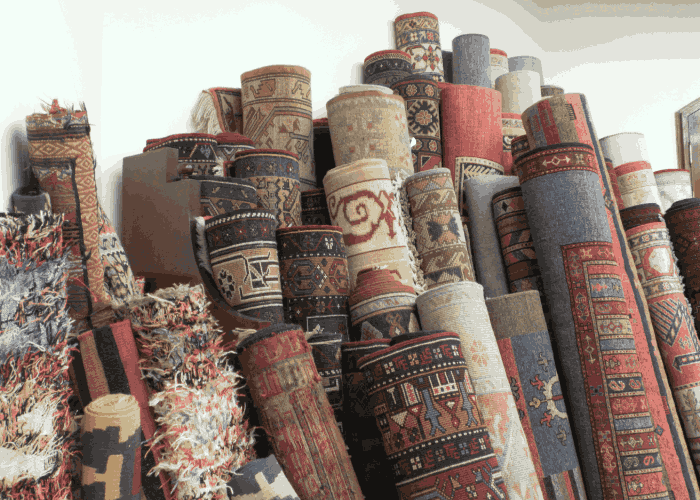
Step into a world where history is woven into every fiber, where centuries of artistry unfold beneath your feet. You are about to discover the profound beauty and significant value of premium Indian carpets, pieces that transcend mere floor coverings.
These aren’t just decorative elements; they are masterpieces of textile art, rich with cultural heritage and astonishing craftsmanship. More than that, they represent a tangible investment, a legacy that appreciates over time.
Join us on a journey beyond the superficial glamour of red carpets, into the intricate, vibrant universe of India’s finest hand-knotted treasures. You will learn why these carpets are not just purchases, but profound investments in art, history, and enduring luxury.
The Rich Tapestry of Indian Carpet History
The story of Indian carpets is as ancient and colorful as the land itself, a narrative spanning millennia. From humble beginnings, carpet weaving evolved into a sophisticated art form, deeply intertwined with royal patronage and cultural exchange.
You’ll find that India’s strategic location and historical interactions with Persia, Central Asia, and beyond profoundly shaped its carpet traditions. This fusion led to unique designs and techniques that are celebrated worldwide today.
A Legacy Forged by Empires and Artisans
The true golden age of Indian carpet weaving began with the Mughal Empire in the 16th century. Emperor Akbar, a great patron of arts, brought Persian master weavers to India, establishing royal workshops.
These artisans blended indigenous Indian motifs with classical Persian designs, creating a distinct Indo-Persian style. This period set the benchmark for quality, design complexity, and material excellence that continues to define premium Indian carpets.
You can still see the influence of Mughal gardens, intricate floral patterns, and majestic hunting scenes in many traditional designs. These historical connections add immeasurable depth and character to each rug you encounter.
Evolution of Design and Technique
Over centuries, different regions developed their own unique weaving styles, patterns, and color palettes. This diversification means you have an incredible array of choices when exploring Indian carpets.
The techniques, passed down through generations, involve meticulous hand-knotting, a labor-intensive process that results in unparalleled durability and detail. Each knot is a testament to the weaver’s skill and dedication.
You are essentially investing in a piece of living history, a craft sustained by families for hundreds of years. This heritage is evident in every thread and pattern, making each carpet a unique artistic statement.
What Defines a Premium Indian Carpet?
Not all carpets are created equal. When you seek a premium Indian carpet, you are looking for specific characteristics that elevate it from a simple floor covering to a valuable work of art. Understanding these elements is crucial for discerning collectors and investors.
These factors contribute to a carpet’s aesthetic appeal, durability, and ultimately, its investment potential. You will find that these qualities are often the result of painstaking labor and generations of inherited knowledge.
Exquisite Materials: The Foundation of Quality
The finest Indian carpets begin with the highest quality raw materials. The choice of fiber directly impacts the rug’s feel, appearance, and longevity.
- Silk: Considered the pinnacle of luxury, silk carpets from India, particularly Kashmir, are renowned for their incredible sheen, softness, and intricate detail. The fine fibers allow for extremely high knot counts, rendering designs with photographic precision. You’ll notice how silk carpets shimmer and change hue with the light, adding dynamic beauty to any space.
- Wool: Premium wool, such as Merino or high-quality indigenous Indian wool, is prized for its durability, resilience, and natural lanolin content, which makes it stain-resistant. Tibetan wool is also highly regarded for its strength and luster. Wool carpets offer warmth, comfort, and stand up beautifully to everyday wear, making them practical investments for your home.
- Cotton: Often used for the warp and weft (the foundation threads) of wool or silk carpets, cotton provides strength and stability. In some cases, high-quality cotton is also used for the pile in specific types of rugs, like flatweave dhurries, offering a different textural experience. You’ll appreciate its foundational role in ensuring the carpet’s structural integrity.
Masterful Weaving Techniques: Hand-Knotted Excellence
The technique used to construct a carpet is perhaps the most significant determinant of its premium status. Hand-knotted carpets represent the zenith of quality and craftsmanship.
- Hand-Knotted: This is the hallmark of a premium Indian carpet. Each individual knot is tied by hand onto the warp threads, a process that can take months or even years to complete, depending on the rug’s size and complexity. You can feel the distinct texture of individual knots on the back of the rug. This method creates an incredibly durable, flexible, and long-lasting carpet that gains character with age.
- Knot Density (KPSI): The knot count, measured in knots per square inch (KPSI), is a crucial indicator of a carpet’s quality and detail. Higher KPSI means more knots, allowing for finer, more intricate designs and a denser, more durable pile. For example, a premium silk carpet might have 500-1000+ KPSI, while a fine wool carpet could range from 100-300 KPSI. You’ll find that a higher KPSI often correlates with higher value and artistic precision.
- Hand-Tufted (Contrast): While hand-tufted rugs are also made by hand, they involve punching yarn through a canvas backing with a tool, then gluing a secondary backing. These are generally less durable and less valuable than hand-knotted rugs. When seeking investment-grade pieces, you should always prioritize hand-knotted examples.
The Art of Dyeing: Color That Lasts
The vibrancy and longevity of a carpet’s colors are critical. Premium Indian carpets often employ traditional dyeing methods that ensure lasting beauty.
- Natural Dyes: Derived from plants, insects, and minerals, natural dyes produce rich, subtle, and harmonious colors that age beautifully. They often exhibit a unique characteristic called ‘abrash,’ a slight variation in color within a single shade, which adds charm and authenticity. You’ll appreciate the organic depth and natural patina that only natural dyes can provide.
- Synthetic Dyes: While modern synthetic dyes offer a wider color palette and consistent hues, the quality varies. High-grade synthetic dyes can be stable and vibrant, but natural dyes are generally preferred for investment pieces due to their historical accuracy and graceful aging process. Always inquire about the type of dyes used when making a premium purchase.
Intricate Design and Craftsmanship
The artistic merit of a premium Indian carpet lies in its design complexity and the skill with which it is executed. These carpets are not merely patterns; they are stories and symbols woven into existence.
You’ll encounter designs ranging from classical Persian motifs like medallions, intricate florals, and hunting scenes, to more geometric, tribal patterns. Contemporary Indian carpets also reinterpret these traditions with modern sensibilities.
The precision of the lines, the balance of colors, and the overall artistic composition are hallmarks of a master weaver’s work. You are essentially acquiring a unique piece of textile art, with no two hand-knotted rugs being exactly identical.
Regional Specialties and Their Unique Charms
India is a vast country, and its carpet weaving traditions are diverse, with each region boasting its own distinct style, materials, and techniques. Understanding these regional differences will enrich your appreciation and guide your selection.
You will find that the local environment, historical influences, and available resources have all contributed to these unique textile identities. Exploring them is like taking a cultural tour through India’s weaving heartlands.
Kashmir: The Jewel of Indian Carpets
Kashmir is synonymous with some of the world’s most luxurious silk carpets. Known for their incredibly fine weave and intricate designs, Kashmiri carpets often rival their Persian counterparts in quality and beauty.
You’ll recognize them by their lustrous silk pile, high knot counts (often 600-900+ KPSI), and elaborate Persianate patterns, including delicate florals, hunting scenes, and tree-of-life motifs. These carpets shimmer with an ethereal quality, making them perfect accent pieces.
A genuine Kashmir silk carpet is a testament to extraordinary craftsmanship and a significant investment. You’ll find these pieces to be incredibly soft and visually stunning, commanding attention in any room.
Mirzapur and Bhadohi: The Carpet Belt
Located in Uttar Pradesh, the Mirzapur-Bhadohi region is often referred to as India’s “carpet belt.” This area is a major hub for both wool and silk carpet production, known for its versatility and volume.
Carpets from this region often feature a blend of Indo-Persian designs, sometimes with a slightly bolder aesthetic than Kashmiri rugs. You’ll find a wide range of qualities, from robust, everyday wool rugs to finely woven, intricate pieces.
Bhadohi is also renowned for its flatweave dhurries, which are reversible, lightweight, and often feature geometric or striped patterns. These offer a more contemporary or casual feel while still embodying hand-woven quality.
Jaipur: Vibrant Colors and Traditional Patterns
Jaipur, the “Pink City” of Rajasthan, has a rich history of carpet weaving, particularly known for its use of vegetable dyes and vibrant color palettes. Jaipur rugs often feature traditional motifs, sometimes with a more open and less dense design than Persian counterparts.
You’ll find striking medallion patterns, intricate floral sprays, and sometimes a charming folk art quality in these rugs. The natural dyes lend a beautiful, aged patina that enhances their appeal over time.
Many contemporary Indian carpet brands draw inspiration or produce rugs in this region, blending traditional techniques with modern design sensibilities. You can find both classic and cutting-edge designs here.
Agra: Mughal Grandeur Revived
Agra, home to the Taj Mahal, was a significant center for carpet weaving during the Mughal era. Agra carpets are celebrated for their sophisticated designs, often featuring large-scale floral patterns and a rich, muted color palette.
These rugs typically have a dense wool pile and a high knot count, making them exceptionally durable and luxurious. You’ll appreciate the understated elegance and historical resonance of an Agra carpet, which can anchor a formal living space beautifully.
Modern Agra reproductions strive to capture the grandeur of their historical predecessors, offering you a chance to own a piece reflecting royal Mughal taste.
Amritsar: Softer Tones and Unique Textures
While perhaps less widely known than Kashmir, Amritsar in Punjab also produces beautiful carpets, often characterized by their softer, more muted color schemes and distinctive weaving styles.
You might find a slightly looser weave or unique textural qualities in Amritsar rugs, which can offer a different tactile experience. They often feature classical Persian designs adapted with a local aesthetic.
These carpets can provide a harmonious, calming presence in your home, blending seamlessly with a variety of decor styles. You’ll appreciate their subtle elegance and fine craftsmanship.
The Investment Potential: Why Premium Carpets Appreciate
Beyond their aesthetic appeal and functional use, premium Indian carpets offer a compelling investment opportunity. Unlike mass-produced items, hand-knotted carpets possess inherent qualities that allow them to appreciate in value over time.
You are not just buying a rug; you are acquiring a piece of art that can grow in worth, much like fine art or antiques. Understanding the factors that drive this appreciation is key to making a smart acquisition.
Scarcity and Rarity: The Hand-Made Advantage
Each hand-knotted carpet is a unique creation, the result of countless hours of labor by skilled artisans. The painstaking process means that production is inherently limited, contributing to their scarcity.
As master weavers retire and traditional techniques face challenges, the supply of truly exceptional hand-knotted carpets becomes even more finite. This increasing rarity naturally drives up their value for discerning collectors and investors.
You will find that the individuality of each piece, with its subtle imperfections and unique character, is part of its charm and investment appeal. No two are exactly alike, making your carpet truly one-of-a-kind.
Durability and Longevity: Built to Last Generations
Premium hand-knotted carpets are built to endure. Made from robust natural fibers and meticulously woven, they are designed to withstand decades, even centuries, of use.
Unlike machine-made rugs that quickly wear out, a well-maintained hand-knotted carpet can become a cherished heirloom, passed down through generations. This inherent longevity makes them a sustainable and enduring asset.
You are investing in an item that retains its beauty and structural integrity over time, often improving with age as the pile settles and develops a rich patina.
Artistic Value: Unique Pieces of Cultural Heritage
Every premium Indian carpet is a testament to a rich cultural heritage and an individual artist’s skill. The designs often carry symbolic meanings, historical narratives, or regional artistic traditions.
As unique works of art, they hold intrinsic value that transcends material cost. The complexity of the design, the harmony of colors, and the precision of the weave all contribute to their artistic merit, much like a painting or sculpture.
You are bringing a piece of global art and history into your home, enriching your environment with beauty and cultural depth. This artistic value is a primary driver of long-term appreciation.
Market Trends: Growing Demand for Authentic Luxury
There is a growing global appreciation for authentic, hand-crafted luxury items, especially those with a story and sustainable origins. Premium Indian carpets fit perfectly into this trend.
As consumers become more conscious about quality, craftsmanship, and ethical production, the demand for genuine hand-knotted rugs increases. This heightened demand, coupled with limited supply, creates a fertile ground for investment growth.
You will find that well-documented, high-quality carpets from reputable regions tend to perform particularly well in this evolving market.
Factors Influencing Appreciation
Several key factors contribute to a premium carpet’s potential for appreciation. Understanding these will help you make informed purchasing decisions.
You should consider these elements carefully when evaluating a carpet as an investment, ensuring you maximize its long-term value.
| Factor | Description | Impact on Value |
|---|---|---|
| Age & Condition | Older carpets, especially antiques (100+ years), in excellent condition with minimal wear or expert repairs. | Significantly increases value; historical pieces are rarer. |
| Knot Density (KPSI) | Higher KPSI indicates finer weave, more detail, and greater labor intensity. | Directly correlates with higher value and artistic precision. |
| Materials | Finest quality silk, Merino wool, or Tibetan wool. Natural dyes over synthetic. | Enhances durability, luster, and aesthetic appeal, boosting value. |
| Design & Rarity | Unique, complex, or historically significant designs; rare patterns or color combinations. | Increases artistic merit and desirability among collectors. |
| Provenance | Documented history of ownership, origin, or production by renowned weavers/workshops. | Adds credibility, authenticity, and historical significance, enhancing value. |
| Regional Origin | Carpets from highly esteemed weaving centers (e.g., Kashmir silk, antique Agra). | Regional reputation often guarantees higher quality and demand. |
| Artistic Merit | Exceptional balance of color, composition, and execution; a true work of art. | Subjective but critical for collector appeal and long-term appreciation. |
Caring for Your Investment: Maintenance and Preservation
To ensure your premium Indian carpet retains its beauty and investment value for generations, proper care and maintenance are essential. A well-cared-for rug will not only look stunning but also appreciate more effectively.
You will find that a little effort goes a long way in preserving these magnificent textiles. Think of it as protecting a valuable piece of art.
Regular Cleaning: The First Line of Defense
Routine cleaning is crucial for preventing dirt and grit from settling deep into the pile, which can cause premature wear. You should establish a regular cleaning schedule.
- Vacuuming: Gently vacuum your carpet once or twice a week, using the suction-only setting or a high pile setting on your vacuum. Avoid using a beater bar, especially on fringes or delicate silk rugs, as it can damage the fibers. Always vacuum in the direction of the pile to avoid disturbing the knot structure.
- Rotation: Rotate your carpet every 6-12 months. This ensures even wear and exposure to light, preventing uneven fading or pile compression in high-traffic areas. You’ll notice how this simple step prolongs the rug’s life and maintains its uniform appearance.
Professional Cleaning: A Deeper Clean
Despite regular vacuuming, carpets accumulate dirt and allergens that require professional attention. You should have your premium Indian carpet professionally cleaned every 3-5 years, or more often if it’s in a high-traffic area or if you have pets.
Always choose a reputable cleaner specializing in hand-knotted rugs. They understand the delicate fibers and dyes, using appropriate methods that won’t damage your investment. You must avoid harsh chemicals or steam cleaning, which can be detrimental to natural fibers and dyes.
Protection from Environmental Factors
Your carpet is susceptible to damage from various environmental elements. Taking preventative measures will safeguard its integrity.
- Sunlight: Direct, prolonged exposure to sunlight can cause colors to fade unevenly. You should use curtains, blinds, or UV-filtering window films to protect your rug, especially in sun-drenched rooms. Rotating the rug also helps mitigate localized fading.
- Moisture: Dampness can lead to mildew, rot, and color bleeding. Ensure your carpet is in a dry environment and promptly address any spills. If the rug gets wet, lift it immediately and allow it to dry thoroughly from both sides, ideally with air circulation.
- Pests: Moths and carpet beetles can cause significant damage. Regularly inspect your carpet, especially the underside and areas under furniture, for signs of infestation. You can use moth repellents (natural ones are preferable) and ensure good ventilation.
Addressing Spills and Stains Promptly
Accidents happen, but quick action can prevent permanent damage. You should always attend to spills immediately.
- Blot, Don’t Rub: Use a clean, white cloth or paper towel to blot the spill, working from the outside in. Rubbing can spread the stain and push it deeper into the fibers.
- Mild Solutions: For most spills, a small amount of mild soap (like wool-safe detergent) mixed with water can be dabbed onto the stain, then blotted dry. Always test any cleaning solution on an inconspicuous area first.
- Avoid Harsh Chemicals: Never use strong detergents, bleach, or abrasive cleaners, as these can strip natural oils, damage fibers, and cause irreversible color loss.
Repair and Restoration: Preserving Integrity
Over time, even the best-cared-for rugs may incur minor damage like worn fringes, unraveling edges, or small holes. You should address these issues promptly to prevent further deterioration.
Seek out experienced carpet restorers who specialize in hand-knotted rugs. They can re-fringe, re-bind edges, re-pile damaged areas, and even re-weave complex patterns, restoring your carpet’s beauty and preserving its value. You’ll find that expert restoration is a worthwhile investment.
Authenticity and Provenance: Ensuring Your Purchase is Genuine
When investing in a premium Indian carpet, verifying its authenticity and understanding its provenance is paramount. The market can be complex, and counterfeit or misrepresented rugs exist. You need to be an informed buyer.
Taking the time to research and ask the right questions will protect your investment and ensure you acquire a genuine, valuable piece of art.
Choosing a Reputable Dealer
The foundation of a trustworthy purchase is selecting a dealer with a solid reputation. You should look for established businesses with years of experience and positive customer reviews.
- Expertise: A reputable dealer will possess deep knowledge about regional origins, materials, weaving techniques, and historical significance. They should be able to answer all your questions comprehensively.
- Transparency: They should provide clear, detailed information about the carpet, including its age, materials, origin, and any repairs. You should feel comfortable asking for specifics.
- Certificates of Authenticity: Many reputable dealers offer a certificate of authenticity, detailing the carpet’s specifications and confirming its hand-knotted nature. This document is invaluable for insurance and future resale.
- Return Policy: A fair return policy indicates confidence in their products and offers you peace of mind.
Understanding Key Indicators of Authenticity
While a dealer’s expertise is vital, you can also learn to identify key characteristics that signal a hand-knotted Indian carpet’s authenticity and quality.
- Knot Structure: Flip the carpet over and examine the back. Hand-knotted rugs will have distinct, irregular knots visible on the reverse. Machine-made rugs will have perfectly uniform, often straight lines of stitches. You can feel the individual knots with your fingertips.
- Fringes: In hand-knotted rugs, the fringes are an extension of the warp (foundation) threads, making them an integral part of the rug. If the fringes are sewn on or glued, it’s likely not a genuine hand-knotted piece.
- Materials: Learn to differentiate between silk, wool, and synthetic fibers. Silk has a distinct sheen and softness. Wool should feel lanolin-rich and resilient. Synthetic fibers often feel stiff or plasticky. You can perform a burn test on a tiny, inconspicuous fiber (with caution and permission) if you suspect synthetics – natural fibers will turn to ash, synthetics will melt.
- Dye Consistency: Look for subtle variations in color (abrash) in older or naturally dyed rugs. Perfect, uniform color across the entire rug can sometimes indicate synthetic dyes or machine production, though not always.
- Pattern Irregularities: Hand-knotted rugs, being handmade, will often have slight, charming imperfections or asymmetries in their patterns. These are not flaws but hallmarks of genuine craftsmanship. You’ll find these nuances add to their unique character.
Asking the Right Questions
Don’t hesitate to engage your dealer with detailed questions. You should feel fully informed before making a significant purchase.
- “What is the exact origin of this carpet (city/region)?”
- “What materials are used in the pile, warp, and weft?”
- “Are the dyes natural or synthetic?”
- “What is the estimated knot count per square inch (KPSI)?”
- “How old is this carpet?”
- “Does it come with a certificate of authenticity?”
- “Has the carpet undergone any repairs or restoration?”
- “What is your return policy?”
By diligently following these steps, you can confidently acquire a premium Indian carpet that is both authentic and a sound investment. You are not just buying a rug, but a piece of history and art.
Integrating Premium Indian Carpets into Modern Decor
A premium Indian carpet is a versatile design element that can elevate any interior, from traditional to ultra-modern. You might think these intricate rugs only suit classic decor, but their adaptability is one of their greatest strengths.
Discover how to seamlessly integrate these artistic treasures into your contemporary living spaces, creating focal points and adding warmth, texture, and a touch of global sophistication.
The Versatility of Design and Color
Indian carpets come in an astonishing array of designs, patterns, and colors, offering you endless possibilities for integration. You are not limited to traditional motifs.
- Traditional Elegance: Classic Indo-Persian designs with intricate medallions, floral patterns, or tree-of-life motifs beautifully anchor traditional or transitional rooms. They add a sense of grandeur and timeless sophistication.
- Contemporary Chic: Many modern Indian carpets feature simplified patterns, geometric designs, or abstract interpretations of traditional motifs. You can also find flatweave dhurries with clean lines and bold colors that are perfect for minimalist or Scandinavian-inspired spaces.
- Bohemian Flair: Distressed or overdyed Indian carpets offer a unique, lived-in look that complements eclectic or bohemian decor. Their faded hues and rich textures add character and depth.
Creating a Focal Point
A premium Indian carpet can effortlessly become the centerpiece of any room, drawing the eye and setting the tone for the entire space. You can use its vibrant colors or intricate patterns to define an area.
- Living Room: Place a large, exquisite carpet under your main seating arrangement. Ensure that at least the front legs of all major furniture pieces rest on the rug to create a cohesive look. This grounds the space and invites conversation.
- Dining Room: A rug under the dining table adds warmth and defines the dining area. Choose a size that allows chairs to remain on the rug even when pulled out. You’ll find it adds elegance to your dining experience.
- Bedroom: A soft wool or silk carpet at the foot of your bed or extending under the bed provides luxurious comfort underfoot. It introduces color and texture, making your bedroom feel more inviting and serene.
Layering for Depth and Texture
Layering rugs is a popular design trend that adds incredible depth, texture, and visual interest to a room. You can experiment with different sizes and textures to achieve a unique look.
Place a smaller, premium Indian carpet (perhaps a silk accent rug or a vibrant wool piece) over a larger, neutral-toned jute, sisal, or plain wool rug. This technique highlights the intricate beauty of your Indian carpet while softening the overall look.
You’ll find that layering adds warmth and a luxurious, collected feel to your home, making it exceptionally inviting.
Color Schemes and Pattern Play
Don’t be afraid to mix and match. A richly patterned Indian carpet can surprisingly complement modern furniture with clean lines. You can make it work harmoniously.
- Complementary Colors: Pick out a secondary color from your carpet’s pattern and use it in throw pillows, artwork, or decorative accessories to tie the room together.
- Contrasting Elements: If your carpet is highly patterned, balance it with solid-colored furniture and minimalist decor. Conversely, a more muted or geometric Indian carpet can pair beautifully with patterned upholstery.
- Neutral Backdrops: A neutral wall color (whites, grays, creams) allows a vibrant Indian carpet to truly pop and become the star of the room. You’ll appreciate how the rug’s colors come alive against a calm background.
By thoughtfully integrating a premium Indian carpet, you are not just decorating; you are curating a space that reflects your appreciation for art, history, and sophisticated design. You are creating a home that tells a story.
Conclusion
You have journeyed through the intricate world of premium Indian carpets, uncovering their profound artistic heritage and compelling investment potential. These aren’t merely floor coverings; they are timeless masterpieces, woven with centuries of skill, culture, and dedication.
From the lustrous silk of Kashmir to the robust wool of Mirzapur, each hand-knotted carpet tells a unique story. You now understand the crucial elements that define their quality, from exquisite materials and masterful techniques to vibrant natural dyes.
Investing in a premium Indian carpet means acquiring a durable, appreciating asset that enriches your home with unparalleled beauty and cultural depth. It’s a legacy piece, designed to be cherished for generations, a tangible connection to a rich artistic tradition.
As you embark on your own journey to find the perfect piece, remember the value of authenticity, meticulous care, and thoughtful integration into your decor. You are not just buying a rug; you are investing in art, history, and enduring luxury.
Embrace the opportunity to bring a piece of India’s magnificent weaving legacy into your life. You’ll find that stepping onto a premium Indian carpet is stepping into a world of unparalleled beauty and timeless sophistication.
Frequently Asked Questions (FAQ)
Q1: What makes a hand-knotted Indian carpet a good investment?
A1: Hand-knotted Indian carpets are a good investment due to several factors. They are unique, handmade art pieces with limited production, increasing their scarcity. Their exceptional durability ensures longevity, allowing them to be passed down through generations.
Furthermore, their artistic and historical value, combined with growing market demand for authentic luxury, contributes to their potential for appreciation over time. You are investing in a tangible asset with cultural significance.
Q2: How can I tell if an Indian carpet is genuinely hand-knotted?
A2: To verify if a carpet is genuinely hand-knotted, you should inspect the back. Hand-knotted