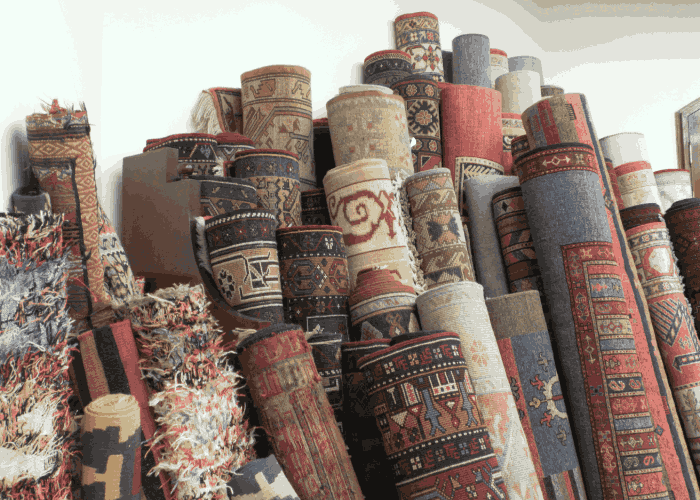
You stand at the intersection of history and haute couture, where ancient traditions meet modern luxury. Imagine a world where the very ground beneath your feet tells a story of unparalleled artistry and dedication. This is the realm of India’s premium carpet craftsmanship, a legacy that has quietly, yet profoundly, influenced global aesthetics for centuries.
From the sun-drenched shores of Kerala to the exclusive galas of international fashion, the intricate weaves and vibrant hues of Indian carpets are commanding attention. You are about to embark on a journey exploring how these exquisite creations transcend mere floor coverings, becoming coveted works of art. Discover the heritage, the painstaking techniques, and the global recognition that elevate India’s artisanal carpets to the pinnacle of luxury design.
The Rich Tapestry of Indian Carpetry: A Legacy of Art and Skill
India’s relationship with carpets is as old as its civilizations, deeply interwoven with its cultural and artistic fabric. This isn’t just about covering floors; it’s about preserving a profound artistic heritage passed down through generations. You are looking at centuries of accumulated wisdom and skill in every fiber.
Ancient Roots and Mughal Grandeur
The origins of carpet weaving in India can be traced back to ancient times, with early forms serving practical and ceremonial purposes. However, it was during the Mughal era, particularly under Emperor Akbar in the 16th century, that carpet making flourished into a sophisticated art form. Mughal patronage introduced Persian techniques and designs, blending them seamlessly with indigenous Indian motifs and aesthetics. This fusion created a unique style, characterized by intricate floral patterns, hunting scenes, and vibrant color palettes, setting a new benchmark for luxury carpets. You can still see echoes of this grandeur in contemporary designs.
Regional Distinctiveness: A Kaleidoscope of Styles
Across India, different regions developed their own unique weaving traditions, each reflecting the local culture, available materials, and artistic sensibilities. These regional variations offer a breathtaking diversity in design, texture, and technique. You will find distinct characteristics in carpets from different parts of the country.
- Kashmir: Renowned for its exquisite silk carpets, often hand-knotted with an incredibly high knot count, making them exceptionally soft and detailed. Kashmiri carpets frequently feature intricate Persian-inspired motifs, but with a unique local interpretation.
- Bhadohi and Mirzapur (Uttar Pradesh): These regions are the heartland of India’s carpet industry, famous for both hand-knotted and hand-tufted carpets. They produce a vast array of styles, from traditional Persian and Indo-Persian designs to contemporary patterns, utilizing wool, silk, and sometimes blended fibers.
- Jaipur (Rajasthan): Known for its vibrant flatweave rugs, or Kilims, often featuring geometric patterns and bold colors. Jaipur also produces fine hand-knotted wool rugs, reflecting the rich artistic traditions of Rajasthan.
- Kerala: While perhaps less known globally for traditional knotted carpets, Kerala stands out for its unique contribution of coir carpets and mats. These natural fiber products showcase a different facet of Indian craftsmanship, emphasizing sustainability and distinct textures.
Each region tells a different story through its weaves, inviting you to explore a world of artistic expression. The artisans of these regions continue to uphold these traditions, ensuring the legacy endures.
Unveiling Kerala’s Unique Contributions: Coir and Beyond
When you think of premium Indian carpets, your mind might first conjure images of silk and wool, rich with intricate patterns. However, Kerala offers a distinctive and increasingly sought-after dimension to this landscape: coir. This natural fiber, derived from coconut husks, represents an innovative and sustainable facet of Indian carpet craftsmanship.
The Golden Fiber: Kerala’s Coir Legacy
Kerala, often called the “Land of Coconuts,” has a centuries-old tradition of processing coir. The verdant backwaters and coastal regions provide an abundant supply of this versatile material. From simple doormats to elaborate floor coverings, coir products embody a unique blend of durability, natural beauty, and environmental consciousness. You are witnessing a tradition deeply rooted in nature.
Historically, coir was primarily used for utilitarian purposes like ropes, fishing nets, and simple mats due to its strength and resistance to saltwater. Over time, Keralan artisans began to innovate, transforming this humble fiber into sophisticated home decor items. Today, premium coir carpets are celebrated for their distinctive texture, earthy tones, and impressive resilience.
From Utilitarian to Luxury: The Evolution of Coir Craftsmanship
The journey of coir from a practical material to a luxury commodity is a testament to the ingenuity of Kerala’s artisans. They have perfected techniques to soften, dye, and weave coir into complex designs, often blending it with other natural fibers like jute or cotton for added texture and comfort. This evolution has opened new avenues for coir products in high-end interior design.
You can now find coir carpets that are hand-tufted, hand-woven, and even hand-knotted, showcasing intricate patterns and sophisticated color palettes. These contemporary coir creations retain the natural charm of the fiber while offering the refinement expected of premium home furnishings. The emphasis on natural, sustainable materials resonates strongly with modern consumers and designers alike.
Artisanal Skill and Sustainable Practices
The creation of a premium coir carpet involves a meticulous process that begins with the careful selection and retting of coconut husks. The fibers are then spun into yarn, a labor-intensive task often performed by skilled craftswomen. Hand-weaving on traditional looms follows, where patterns are brought to life through precise manual dexterity. This entire process is largely eco-friendly.
Kerala’s coir industry also stands as a model for sustainable and ethical production. It provides livelihoods for thousands of local communities, often empowering women and preserving traditional skills. When you choose a coir carpet from Kerala, you are not only acquiring a beautiful piece but also supporting a sustainable ecosystem and a rich cultural heritage. This commitment to sustainability is central to its appeal.
The Craftsmanship Behind the Glamour: Techniques That Define Excellence
Behind every exquisite Indian carpet lies a story of unparalleled skill, patience, and dedication. The techniques employed by master artisans are not merely methods of production; they are ancient art forms passed down through generations. Understanding these processes helps you appreciate the true value of these magnificent creations.
Hand-Knotting: The Pinnacle of Carpet Artistry
Hand-knotting is arguably the most revered and labor-intensive method of carpet making, defining the highest echelon of quality and durability. Each knot is individually tied by hand onto a cotton or silk foundation, creating an incredibly dense and resilient pile. This painstaking process can take months, or even years, for a single large carpet.
The number of knots per square inch (knot count) is a key indicator of quality and intricacy. A higher knot count allows for finer details, sharper designs, and a more luxurious feel underfoot. You are investing in a piece that can last for generations. Common knot types include the Persian (Senneh) knot and the Turkish (Ghiordes) knot, each lending distinct characteristics to the weave.
Hand-Tufting: Versatility and Artistic Freedom
Hand-tufting offers a balance between the intricate detail of hand-knotting and a more rapid production process. In this technique, a craftsman uses a hand-operated “tufting gun” to punch individual strands of yarn through a fabric backing, creating loops. These loops are then usually cut to form a plush pile, though some designs feature uncut loops for textural variation.
While less labor-intensive than hand-knotting, hand-tufting still requires immense skill and artistic precision. It allows for greater flexibility in design, color, and texture, making it a popular choice for custom projects and contemporary aesthetics. You can achieve complex patterns and shapes with this method.
Hand-Weaving (Flatweave/Kilim): Timeless Elegance and Durability
Flatweave carpets, often known as Kilims, are created by interweaving warp and weft threads to form a flat, pile-less fabric. This technique results in a durable, reversible, and lightweight rug that is perfect for high-traffic areas or layering. Indian flatweaves are celebrated for their vibrant colors and geometric patterns, often reflecting tribal or regional motifs.
The simplicity of the weave belies the skill required to achieve crisp patterns and consistent tension. These rugs are highly versatile and add a touch of rustic elegance or bohemian chic to any space. You will find them incredibly practical and stylish.
The Luxury of Materials: Fibers That Define Feel and Function
The choice of materials is fundamental to the character and quality of an Indian carpet. Artisans carefully select fibers based on their durability, luster, dye-absorption properties, and tactile qualities. Each material contributes uniquely to the final product.
- Wool: Dominant in many Indian carpets, especially New Zealand wool and Merino wool, known for its softness, resilience, and excellent dye retention. Wool is naturally stain-resistant and incredibly durable.
- Silk: The epitome of luxury, silk carpets boast an unparalleled sheen, softness, and fine detail due to the strength of the thin silk threads. They are often considered heirloom pieces.
- Cotton: Primarily used for the foundation (warp and weft) of hand-knotted and hand-tufted carpets, providing stability. It can also be used in flatweaves for a softer texture.
- Jute & Coir: Natural, sustainable fibers offering unique textures, durability, and an earthy aesthetic. Jute is softer than coir, while coir is known for its robust, coarse feel.
- Bamboo Silk: A newer, eco-friendly alternative that mimics the luster and softness of traditional silk, offering a sustainable luxury option.
The Art of Dyeing and Design: Bringing Visions to Life
The vibrant color palette of Indian carpets is legendary, a result of centuries of expertise in dyeing. Historically, natural dyes derived from plants, insects, and minerals were used, creating rich, nuanced hues that aged beautifully. Today, while natural dyes are still used for certain premium collections, high-quality synthetic dyes offer a broader spectrum of color, superior colorfastness, and consistency.
The design process itself is a meticulous journey from concept to loom. Traditional motifs are often reinterpreted, and contemporary designs are meticulously rendered, sometimes with the aid of CAD software, before being translated into a detailed “graph” or “cartoon” that guides the weavers. You are witnessing the fusion of ancient art with modern precision.
Elevating Indian Carpets to the Global Stage: From Homes to High Fashion
The journey of India’s premium carpets has transcended traditional boundaries, finding their place in the most discerning homes, prestigious institutions, and even hinting at the grandeur of events like the Met Gala. This global recognition is a testament to their enduring appeal and exceptional quality. You are part of an audience that appreciates true artistry.
International Acclaim in Interior Design
For decades, Indian carpets have been a staple in luxury interior design across the globe. Their ability to anchor a room, add warmth, texture, and a pop of color makes them indispensable to designers. From minimalist modern lofts to opulent classical estates, an Indian carpet can transform a space, imparting a sense of history and handcrafted elegance.
High-end hotels, boutique residences, and corporate headquarters frequently commission bespoke Indian carpets. These custom pieces are tailored to specific aesthetic requirements, showcasing the versatility and adaptability of Indian craftsmanship. You will often find them gracing the pages of international design magazines.
Designer Collaborations: Weaving Modernity with Tradition
A significant factor in the global ascent of Indian carpets is the increasing collaboration between skilled Indian artisans and renowned international designers. These partnerships merge traditional weaving techniques with contemporary design sensibilities, resulting in innovative and trend-setting collections. Designers bring fresh perspectives on color, pattern, and form, while artisans provide the unparalleled skill to execute these visions.
These collaborations often push the boundaries of what is possible, creating unique textile art that appeals to a global, design-conscious clientele. You are witnessing a dynamic exchange of creativity and craftsmanship.
The ‘Met Gala’ Connection: Craftsmanship at the Zenith of Luxury
While you might not see a traditional Indian carpet rolled out on the Met Gala’s red carpet, the event serves as a powerful metaphor for the level of luxury, bespoke artistry, and cultural influence that premium Indian craftsmanship now commands. The Met Gala is a celebration of fashion as art, of bespoke creations, and of global cultural exchange.
Consider the intricate embroidery on a designer gown, the elaborate textile installations in a high-fashion boutique, or the custom-designed carpets for exclusive pre-Met Gala events or after-parties. These are the arenas where Indian textile artistry, including the spirit of its carpet craftsmanship, shines. Indian designers and artisans contribute significantly to the global luxury textile market, creating custom fabrics, embellishments, and even bespoke items that grace such elite circles. The meticulous handwork, the exquisite materials, and the unique design sensibilities that define a premium Indian carpet are precisely the qualities celebrated at events like the Met Gala, albeit in different forms. You are seeing the spirit of Indian craftsmanship reach the highest echelons of art and fashion.
Growing Export Market and Global Reach
India is one of the world’s largest exporters of handmade carpets, with a significant presence in markets across North America, Europe, and Asia. The demand for authentic, handcrafted pieces continues to grow as consumers increasingly value unique artistry and sustainable production. The industry contributes significantly to the Indian economy and provides livelihoods for millions.
The global fascination with artisanal products, coupled with a growing appreciation for sustainable and ethically produced goods, further fuels the demand for Indian carpets. You are part of a global movement towards conscious consumption and appreciation for heritage crafts.
Sustainability and Ethical Practices: Weaving a Better Future
In an era where conscious consumption is paramount, the Indian carpet industry is increasingly embracing sustainability and ethical practices. This commitment ensures that the beauty of these carpets is matched by the integrity of their production. You are choosing products that contribute positively to the world.
Fair Trade: Empowering Artisans and Communities
Many premium Indian carpet manufacturers are committed to fair trade principles, ensuring that artisans receive fair wages and work in safe, healthy conditions. This commitment extends to prohibiting child labor and promoting gender equality within the weaving communities. Fair trade initiatives empower artisans, allowing them to preserve their craft and improve their quality of life.
By choosing carpets from brands that prioritize fair trade, you directly contribute to the well-being of the talented individuals who create these masterpieces. This is more than just a purchase; it’s an investment in human dignity.
Eco-Friendly Materials: A Commitment to Nature
The industry is increasingly sourcing and utilizing eco-friendly materials, reducing its environmental footprint. This includes the widespread use of natural fibers and the exploration of innovative sustainable options. You can feel good about the materials used in these carpets.
- Natural Fibers: Wool, cotton, jute, and especially Kerala’s coir, are biodegradable and renewable resources. Choosing these materials supports sustainable agriculture and responsible sourcing.
- Recycled Materials: Some manufacturers are incorporating recycled content, such as recycled PET (from plastic bottles) or recycled cotton, into their carpet backings or even the pile itself, offering new life to waste materials.
- Natural Dyes: A resurgence in the use of natural, vegetable-based dyes is seen in many premium collections. These dyes are non-toxic and environmentally benign, creating beautiful, subtle variations in color.
Sustainable Production Processes
Beyond materials, sustainable practices extend to the entire production chain. This includes minimizing water usage in dyeing and washing processes, implementing effective waste management systems, and reducing energy consumption. Many weaving clusters are adopting cleaner technologies and practices to lessen their environmental impact.
You are supporting an industry that is actively working towards a greener future. This holistic approach to sustainability ensures that the legacy of Indian carpet making is preserved for generations to come, both culturally and environmentally.
The Investment in Art: Why Premium Indian Carpets Are Valued
A premium Indian carpet is far more than a floor covering; it is an investment in art, culture, and enduring quality. When you acquire one of these magnificent pieces, you are bringing a tangible piece of history and craftsmanship into your space. Understanding this value enhances your appreciation for the item.
Durability and Longevity: Heirlooms for Generations
Hand-knotted Indian carpets, particularly those made with high-quality wool or silk, are renowned for their exceptional durability. With proper care, they can withstand decades of use, becoming cherished family heirlooms passed down through generations. The intricate knotting process creates a dense, resilient pile that resists wear and tear.
Unlike mass-produced machine-made rugs, a handmade Indian carpet gains character and patina with age, often enhancing its beauty. You are investing in a product built to last.
Artistic Value: Unique Designs and Storytelling
Each premium Indian carpet is a unique work of art, reflecting the individual skill and artistic vision of its weavers. From traditional motifs with symbolic meanings to contemporary designs that push aesthetic boundaries, every carpet tells a story. The slight irregularities inherent in handmade items add to their charm and authenticity, making each piece truly one-of-a-kind.
You are acquiring an item that is a conversation starter, a focal point, and a testament to human creativity. It’s a piece of art that you can live with and enjoy daily.
Resale Value: An Asset That Appreciates
While not all carpets appreciate in value, certain premium hand-knotted Indian carpets, especially those of exceptional quality, historical significance, or unique design, can retain or even increase their value over time. They are considered collectible items by connoisseurs and investors alike. This makes your purchase a potentially sound financial decision.
Factors influencing resale value include knot count, material quality, age, condition, rarity, and provenance. You are making a thoughtful and potentially rewarding acquisition.
Customization: Bespoke Luxury for Discerning Clients
One of the most appealing aspects of premium Indian carpet craftsmanship is the ability to commission custom-designed pieces. Whether you desire a specific size, an unusual shape, a unique color palette, or a completely bespoke pattern, Indian artisans can bring your vision to life. This level of customization is unparalleled in the world of floor coverings.
This bespoke service allows you to create a carpet that perfectly complements your interior design, reflecting your personal style and aesthetic preferences. You are not just buying a carpet; you are co-creating a masterpiece.
Conclusion
You’ve journeyed through the rich history, intricate techniques, and global impact of India’s premium carpet craftsmanship. From the sustainable coir weaves of Kerala to the sophisticated silk masterpieces recognized on international stages, these carpets embody a legacy of artistry and dedication. Their presence in high-end interiors and their conceptual link to the world of high fashion underscores their status as true works of art.
The commitment to ethical practices, sustainable materials, and fair trade further enhances their appeal, making them a choice you can truly feel good about. As you consider your next interior design decision, remember the enduring beauty, the profound stories, and the skilled hands behind every premium Indian carpet. You are invited to appreciate, invest in, and cherish these magnificent creations for generations to come.
Frequently Asked Questions (FAQ)
What makes Indian carpets unique compared to others?
Indian carpets are unique due to their rich history influenced by various cultures, particularly the Mughals, leading to diverse designs and techniques. They are known for their intricate hand-knotting, vibrant natural dyes, and a wide array of regional styles, from Kashmiri silk to Keralan coir. You are getting a piece with centuries of artistic evolution.
How can I identify a good quality Indian carpet?
To identify a good quality Indian carpet, you should look for a high knot count per square inch, which indicates greater detail and durability. Examine the materials—premium carpets often use high-grade wool (like New Zealand or Merino) or silk. Check the consistency of the weave, the clarity of the design, and the vibrancy and evenness of the colors.
A dense pile and supple backing are also good indicators. You are looking for meticulous craftsmanship.
What is coir, and why is Kerala famous for it?
Coir is a natural fiber extracted from the outer husk of coconuts. Kerala, with its abundant coconut groves, has a long-standing tradition of processing coir. It’s famous for producing coir carpets and mats due to the fiber’s durability, resistance to moisture, and sustainable nature.
You are choosing an eco-friendly and robust product.
Are Indian carpets sustainable?
Many premium Indian carpet manufacturers are increasingly focusing on sustainability. This includes using natural, renewable fibers like wool, cotton, jute, and coir, as well as employing eco-friendly dyeing processes. Additionally, fair trade practices ensure ethical production and support for artisan communities.
You are making a responsible choice.
How should I care for my premium Indian carpet?
Regular vacuuming with a brush-less attachment is crucial to remove dirt. For spills, blot immediately with a clean cloth, avoiding rubbing. Professional cleaning every few years is recommended to maintain its beauty and prolong its life.
Rotate your carpet periodically to ensure even wear. You should treat it like a piece of art.
Can I get a custom-designed Indian carpet?
Yes, many premium Indian carpet producers offer bespoke services, allowing you to commission custom-designed carpets. You can specify the size, shape, color palette, materials, and even unique patterns to perfectly match your interior design vision. This ensures you get a truly unique item tailored to your needs.