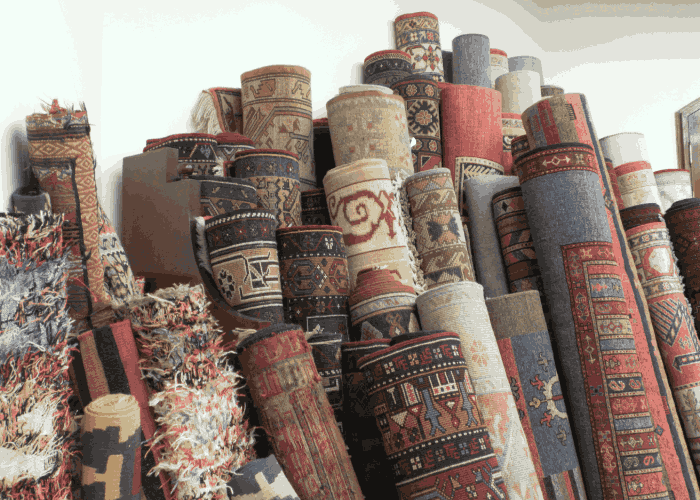
Step into a world where threads tell tales, and every knot whispers a legacy. India’s luxurious carpets are more than just floor coverings; they are masterpieces of artistry, culture, and generations of dedication.
Behind their intricate patterns and vibrant hues lies a profound human story, woven by the hands of skilled artisans who pour their heart and soul into every creation. You are about to embark on a journey that reveals the true essence of these magnificent textiles.
We will explore the historical roots, delve into the lives of the weavers, understand the meticulous processes, and uncover the regional variations that make each carpet unique. Prepare to discover the dreams, traditions, and tireless efforts that elevate Indian carpets to unparalleled levels of luxury and beauty.
The Tapestry of Time: A Legacy Woven in Threads
The history of carpet weaving in India is as rich and intricate as the patterns themselves. Its roots stretch back centuries, influenced by a vibrant confluence of cultures and artistic traditions.
You might be surprised to learn that while indigenous weaving existed, the golden era of Indian carpet making truly blossomed under the patronage of the Mughal Empire.
Emperor Akbar, known for his appreciation of art, brought Persian master weavers to India in the 16th century. These skilled artisans introduced sophisticated techniques and intricate designs, blending them seamlessly with local aesthetics.
This fusion gave birth to a distinct Indian style, characterized by its vibrant color palettes, detailed floral motifs, and realistic depictions of gardens and hunting scenes. The Mughal workshops, primarily in Agra, Lahore, and Kashmir, became centers of unparalleled craftsmanship.
As the empire waned, the art of carpet weaving dispersed across various regions, each developing its unique character and specialization. Families of weavers continued the tradition, passing down invaluable knowledge from one generation to the next.
Today, when you admire a luxurious Indian carpet, you are not just seeing a product; you are witnessing a living testament to centuries of artistic evolution and cultural exchange. It’s a legacy that continues to be woven, thread by precious thread, into the fabric of India’s heritage.
The Soul of the Craft: Meet the Artisans
At the very heart of every luxurious Indian carpet is the artisan – a skilled individual whose hands, eyes, and spirit bring the design to life. These weavers are not mere laborers; they are custodians of an ancient craft, carrying forward a lineage of artistic mastery.
For many, weaving is a family tradition, learned at a tender age by observing parents and grandparents. Children often begin by assisting with simpler tasks, gradually developing the dexterity and understanding required for complex patterns.
This apprenticeship is a profound and immersive education, spanning years and instilling a deep respect for the craft. You will find that their knowledge is often intuitive, a result of countless hours spent at the loom.
The dedication of these artisans is truly remarkable. They spend long hours hunched over looms, meticulously tying thousands upon thousands of knots, each one precise and deliberate. It is a physically demanding task that requires immense patience and unwavering concentration.
Beyond the physical effort, there is an emotional investment. Each carpet becomes a part of the weaver’s story, imbued with their personal touch and passion. They take immense pride in their work, often signing their creations subtly through a unique knot or color choice.
While the economic challenges for artisans can be significant, many continue weaving out of love for the craft and a desire to preserve their cultural heritage. Supporting these artisans means not only acquiring a beautiful object but also contributing to the continuation of a vital tradition.
When you choose an authentic hand-knotted Indian carpet, you are directly connecting with the hands and hearts of these incredible individuals. You are honoring their skill, their dedication, and their invaluable contribution to the world of art.
From Fleece to Fiber: The Journey of Raw Materials
The foundation of any truly luxurious carpet lies in the quality of its raw materials. For India’s finest carpets, this journey begins with carefully selected natural fibers, primarily wool and silk, sometimes complemented by cotton for the foundation.
You might wonder what makes these materials so special. It’s their inherent strength, luster, and ability to hold dye, all contributing to the carpet’s longevity and aesthetic appeal.
Selecting the Finest Wool
High-quality wool is paramount for durable and soft carpets. Indian carpet makers often use indigenous wool, known for its resilience, or import premium varieties like New Zealand or Tibetan wool, which are prized for their softness and strength.
- Wool is carefully sorted and cleaned to remove impurities.
- It undergoes carding, a process that disentangles the fibers and aligns them.
- Finally, it is spun into strong, consistent yarn, ready for dyeing.
The type of wool selected influences the pile’s texture, its ability to withstand foot traffic, and how beautifully it takes on color.
The Allure of Silk
For the most exquisite and opulent carpets, silk is the fiber of choice. Kashmiri silk carpets, for example, are renowned worldwide for their unparalleled sheen and incredible softness.
- Silk fibers are incredibly strong, yet exceptionally fine.
- They reflect light beautifully, giving silk carpets a unique shimmer and depth of color.
- The use of silk allows for incredibly intricate detailing, as finer threads can be used to create sharper patterns.
A silk carpet is not just a floor covering; it’s a tactile and visual experience, a testament to luxury.
The Art of Natural Dyeing
One of the most captivating aspects of traditional Indian carpet making is the use of natural dyes. This ancient practice involves extracting colors from plants, insects, and minerals, creating a palette that is both vibrant and enduring.
- Common sources include indigo for blues, madder root for reds, pomegranate skin for yellows, and cochineal for deep crimson.
- Natural dyes produce subtle variations and a unique depth of color that synthetic dyes often cannot replicate.
- These colors are known for their ability to age gracefully, mellowing over time rather than fading harshly.
The dyeing process itself is an art form, requiring precise timing, temperature control, and a deep understanding of natural chemistry. The resulting yarns are not only beautiful but also environmentally friendly, adding another layer of value to these magnificent textiles.
The Art of Knotting: Techniques That Define Luxury
The true magic of an Indian luxury carpet lies in its hand-knotted construction, a painstaking process that defines its durability, intricacy, and ultimate value. Unlike machine-made carpets, each knot is individually tied by hand, creating a dense and resilient pile.
You will discover that the choice of knotting technique and the density of these knots are crucial indicators of a carpet’s quality and craftsmanship.
The Hand-Knotting Process
The journey from design to finished carpet is a meticulous one, involving several distinct stages:
- Design Creation: Master designers translate intricate patterns onto graph paper, known as a ‘talim’. This detailed chart guides the weavers, indicating the color and type of knot for every single point.
- Loom Setup: Vertical warp threads, usually cotton or silk, are strung tightly on a sturdy loom. These threads form the foundation of the carpet.
- Knotting: Artisans sit at the loom, following the ‘talim’. They meticulously tie individual knots around pairs of warp threads, using specially dyed wool or silk yarn. Each knot is then pulled tight and trimmed.
- Weft Insertion: After a row of knots is completed, horizontal weft threads are passed through the warp and pressed down firmly with a comb-like tool. This secures the knots and adds to the carpet’s stability.
- Shearing and Finishing: Once the entire carpet is woven, it is carefully removed from the loom. The pile is then sheared to an even height, and the edges are secured. The carpet may also undergo washing and sun-drying to enhance its luster and soften the fibers.
This entire process can take months, or even years, for larger and more complex carpets, truly reflecting the labor of love involved.
Key Knotting Techniques
Two primary knotting techniques dominate the world of hand-knotted carpets, each with its own characteristics:
- The Persian Knot (Senneh Knot): This asymmetric knot is tied around one warp thread and passes under the adjacent warp thread. It allows for highly intricate designs and sharper details, making it ideal for carpets with complex floral or pictorial patterns. You will often find this knot in high-quality Kashmiri and Persian-style Indian carpets.
- The Turkish Knot (Ghiordes Knot): This symmetric knot is tied around two warp threads, creating a stronger, more robust knot. It is known for its durability and is often used in carpets with bolder, geometric designs. While less common in luxury Indian carpets than the Persian knot, it is still employed for specific styles.
The choice of knot significantly impacts the carpet’s appearance, feel, and the level of detail achievable in the design.
Knot Density: The Mark of Superiority
Knot density, or knots per square inch (KPSI), is a crucial metric for evaluating the quality and fineness of a hand-knotted carpet. Simply put, the higher the KPSI, the more intricate the design can be, and the more durable and luxurious the carpet will feel.
You can often feel the difference: a high-KPSI carpet will be denser, heavier, and have a more defined pattern. Here’s a general guide:
| Carpet Type/Region | Material | Average KPSI Range | Characteristics |
|---|---|---|---|
| Kashmiri Silk | Silk | 500-1200+ | Extremely fine, highly detailed, lustrous, thin pile |
| Agra/Mughal Style | Wool/Silk Blend | 200-400 | Fine detail, rich colors, often with classical designs |
| Bhadohi/Mirzapur | Wool | 100-250 | Durable, good value, varied designs from traditional to modern |
| Jaipur (Traditional) | Wool | 150-300 | Vibrant colors, often vegetable-dyed, distinctive patterns |
While KPSI is an important factor, it’s essential to remember that it’s just one aspect of a carpet’s overall quality. The quality of materials, the skill of the weavers, and the artistic merit of the design are equally vital.
Regional Riches: A Kaleidoscope of Styles and Traditions
India is a vast country, and its carpet weaving traditions are as diverse as its landscapes. Each region has cultivated its own unique style, drawing inspiration from local culture, history, and available materials.
When you explore the world of Indian carpets, you’ll discover distinct characteristics that tell a story of their origin.
Kashmir: The Epitome of Silk Elegance
Nestled in the Himalayas, Kashmir is synonymous with some of the world’s most exquisite silk carpets. These carpets are renowned for their unparalleled softness, brilliant sheen, and incredibly intricate designs.
- Material: Primarily 100% pure silk, both for the pile and the foundation, contributing to their lightweight and luxurious feel.
- Designs: Often feature delicate floral motifs, paisleys, chinar leaves, and sometimes even pictorial scenes, drawing from Persian and local Kashmiri artistry.
- Knot Density: Kashmiri silk carpets boast some of the highest knot densities, often exceeding 500 KPSI, allowing for breathtaking detail and clarity of pattern.
Owning a Kashmiri silk carpet is like possessing a piece of woven jewelry, an heirloom to be cherished.
Mirzapur-Bhadohi: The Heart of Wool Weaving
The region of Mirzapur and Bhadohi in Uttar Pradesh is often called the “Carpet City of India.” This area is a powerhouse of carpet production, particularly known for its robust wool carpets that cater to a wide range of tastes.
- Material: Predominantly wool, often blended with other fibers, providing durability and a plush feel.
- Designs: A vast array, from classical Persian and Mughal motifs to contemporary geometric patterns and abstract art. This region is highly adaptable to modern market demands.
- Variety: You will find both hand-knotted and hand-tufted carpets, though the hand-knotted ones represent the true artisan craft.
Carpets from Bhadohi offer an excellent balance of quality, artistry, and value, making them a popular choice for discerning buyers worldwide.
Agra: Imperial Grandeur Revived
Agra, home to the Taj Mahal, was once a principal center for Mughal carpet weaving. Today, artisans in Agra and its surrounding areas continue to produce carpets that reflect this imperial legacy.
- Designs: Characterized by classical Mughal patterns, including intricate medallions, opulent borders, and rich floral arrangements.
- Colors: Often feature deep, jewel-toned colors like ruby red, sapphire blue, and emerald green, reminiscent of royal courts.
- Material: Typically made from high-quality wool, sometimes with silk accents, offering a luxurious yet durable pile.
An Agra carpet often evokes a sense of timeless elegance and historical richness, bringing a touch of regal splendor into your home.
Jaipur: Vibrant Colors and Traditional Charm
The Pink City of Jaipur in Rajasthan is celebrated for its distinctive carpet weaving tradition, often characterized by vibrant colors and unique designs influenced by local Rajasthani culture.
- Colors: Known for its bold and often vegetable-dyed colors, producing a rich, organic palette that ages beautifully.
- Designs: Features traditional motifs, often geometric or stylized floral patterns, sometimes incorporating elements of local folklore.
- Material: Primarily wool, offering a sturdy and warm carpet suitable for various settings.
Jaipur carpets are wonderful for adding a splash of authentic Indian heritage and lively color to your space, reflecting the vibrant spirit of Rajasthan.
Each of these regions, and many others across India, contributes to the rich tapestry of Indian carpet weaving. When you choose a carpet, you are not just selecting a design; you are choosing a piece of regional history and artistic tradition.
Preserving the Past, Weaving the Future: Sustainability and Ethical Practices
The world of hand-knotted carpets, while steeped in tradition and luxury, faces modern challenges. As a discerning consumer, you play a vital role in ensuring the continuation of this exquisite craft and the well-being of its artisans.
Mass production and cheaper alternatives often threaten the livelihoods of traditional weavers. However, there is a growing global movement towards ethical sourcing and sustainable practices within the carpet industry.
Challenges Faced by Artisans
Many artisans in India’s carpet weaving communities face economic vulnerabilities:
- Income Instability: Fluctuations in demand and competition can lead to inconsistent work and low wages.
- Lack of Recognition: The individual skill and effort often go unacknowledged in the final product’s pricing.
- Generational Gap: Younger generations may be less inclined to pursue the demanding craft due to better opportunities in other sectors.
- Exploitation: Historically, some parts of the industry have faced issues with child labor and unfair labor practices, though significant progress has been made to eradicate these.
Understanding these challenges helps you appreciate the importance of supporting ethical initiatives.
The Rise of Fair Trade and Ethical Sourcing
Today, many organizations and luxury brands are committed to fair trade principles, ensuring that artisans receive fair wages, work in safe conditions, and are treated with respect.
- Fair Wages: Artisans are paid equitably for their skilled labor, allowing them to support their families and communities.
- Safe Working Conditions: Workshops adhere to health and safety standards, providing a conducive environment for weaving.
- No Child Labor: Strict compliance with laws prohibiting child labor is a cornerstone of ethical sourcing, ensuring children are in schools, not at looms.
- Community Development: Profits often reinvested into artisan communities for education, healthcare, and infrastructure.
When you purchase a carpet from a certified fair trade source, you are making a conscious choice to empower these communities and preserve their craft.
Environmental Sustainability
Beyond social aspects, the luxury carpet industry is also moving towards greater environmental responsibility:
- Natural Dyes: The resurgence of natural dyeing techniques reduces chemical runoff and pollution.
- Sustainable Materials: Sourcing wool from humanely treated sheep and silk from sustainable sericulture practices.
- Longevity: Hand-knotted carpets are inherently sustainable due to their exceptional durability; they are made to last for generations, reducing waste.
By choosing a high-quality, ethically produced hand-knotted carpet, you are investing in an item that is not only beautiful but also kind to the planet and its people.
Your choice as a consumer has a profound impact. It helps preserve ancient skills, provides dignified livelihoods, and ensures that the art of weaving dreams continues for generations to come.
Conclusion
You have now journeyed through the intricate world of India’s most luxurious carpets, a world where every thread is imbued with history, culture, and the unwavering dedication of its artisans. From the imperial patronage of the Mughals to the humble hands of today’s weavers, this craft is a testament to human creativity and resilience.
We’ve seen how the finest materials, meticulously prepared and naturally dyed, form the canvas for breathtaking designs. You’ve understood the painstaking process of hand-knotting, where each knot is a deliberate stroke of artistry, contributing to the carpet’s unique character and enduring quality.
You’ve also discovered the distinct regional flavors, from Kashmir’s silken elegance to Bhadohi’s robust woolens, each telling a story of its origin. Importantly, we’ve explored the critical role of ethical practices and sustainability in preserving this invaluable heritage and supporting the communities that bring these masterpieces to life.
When you acquire an authentic hand-knotted Indian carpet, you are not merely purchasing a decorative item. You are investing in a piece of art, a fragment of history, and a tangible connection to the dreams and skills of generations of artisans.
Let these carpets remind you that true luxury is not just about aesthetics; it’s about the stories they tell, the hands that made them, and the legacy they carry forward. May your chosen carpet be a constant source of inspiration, a conversation starter, and a cherished heirloom in your own home.
Frequently Asked Questions (FAQ)
What makes an Indian carpet “luxurious”?
Luxury in Indian carpets stems from several factors: the use of high-quality natural materials like pure silk or fine wool, meticulous hand-knotting techniques, high knot density (KPSI), intricate and unique designs, natural dyeing processes, and the generational skill of the artisans. Each piece is a unique work of art, not mass-produced.
How can I tell if an Indian carpet is hand-knotted?
You can identify a hand-knotted carpet by examining its back. The knots will be slightly uneven and irregular, and the pattern will be visible but less defined than on the front. The fringe is typically an extension of the warp threads, not sewn on.
Machine-made carpets have perfectly uniform knots and often a stiff, finished backing.
What is knot density (KPSI) and why is it important?
KPSI stands for “Knots Per Square Inch” and indicates the number of hand-tied knots in a square inch of the carpet. A higher KPSI generally means a finer, more detailed, and more durable carpet. It allows for greater intricacy in design and a denser, more luxurious feel underfoot.
For luxury carpets, KPSI often ranges from 200 to over 1000.
Are natural dyes really better than synthetic dyes?
Many connoisseurs prefer natural dyes for their unique characteristics. They produce subtle color variations, a beautiful depth, and a soft sheen that synthetic dyes often cannot replicate. Natural dyes also tend to age gracefully, mellowing over time rather than fading harshly, and are generally more environmentally friendly.
How do I care for a luxury hand-knotted Indian carpet?
Proper care is essential for longevity. Regularly vacuum your carpet without a beater bar, especially on the fringes. Rotate it periodically to ensure even wear.
For spills, blot immediately with a clean cloth, avoiding rubbing. Professional cleaning by a specialist familiar with hand-knotted carpets is recommended every few years to maintain its beauty and integrity.
What is the typical lifespan of a hand-knotted Indian carpet?
With proper care and maintenance, a high-quality hand-knotted Indian carpet can last for many decades, often becoming cherished family heirlooms. Their durable construction and timeless designs ensure they can withstand generations of use.
How can I ensure my purchase supports ethical practices?
Look for carpets from reputable dealers who can provide transparency about their sourcing. Many brands now carry certifications from organizations that promote fair trade, prohibit child labor, and ensure fair wages and safe working conditions for artisans. Don’t hesitate to ask about the origin and production practices of the carpet you are considering.