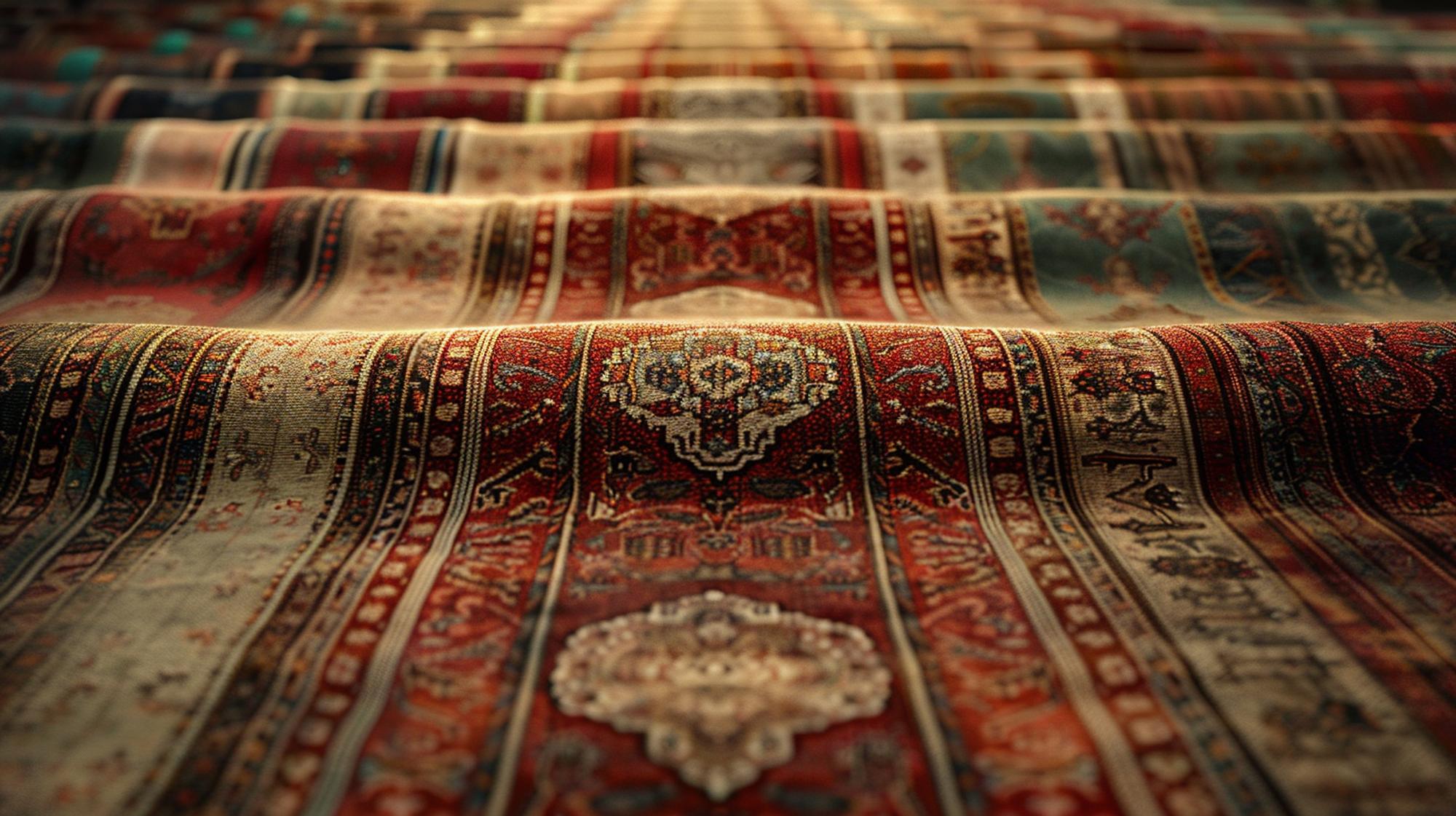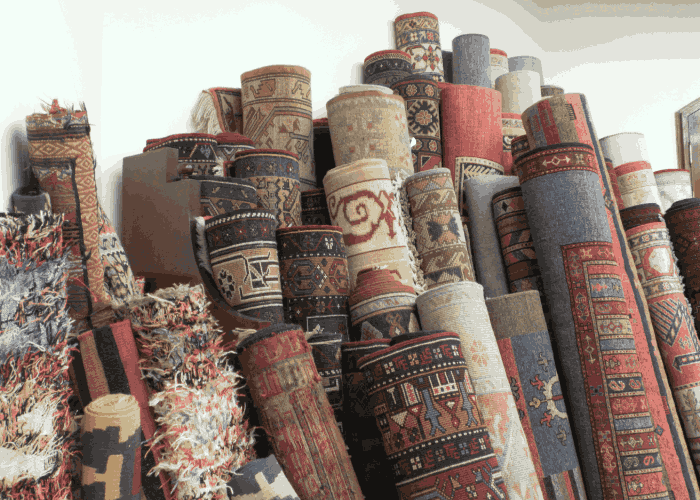
The world of interior design is constantly evolving, but some elements possess a timeless allure that transcends fleeting trends. Among these, premium Indian carpets stand out, captivating discerning buyers and design enthusiasts across the globe. You might be wondering what makes these woven masterpieces so special, so sought after, and why they are increasingly becoming the centerpiece in homes and luxury spaces worldwide.
Prepare to embark on a journey that unveils the intricate beauty, profound history, and unparalleled craftsmanship behind India’s most coveted floor coverings. You are about to discover why these exquisite pieces are not just carpets, but a testament to art, tradition, and ethical innovation, truly taking the world by storm.
A Legacy Woven in Time: The Rich History of Indian Carpets
The story of Indian carpets is as rich and intricate as the patterns they bear. It is a narrative steeped in centuries of artistic evolution and cultural exchange. When you delve into their origins, you uncover a fascinating heritage.
Carpet weaving was introduced to India by the Mughals, specifically during the reign of Emperor Akbar in the 16th century. He brought Persian master weavers to India, blending their sophisticated techniques with local Indian artistic sensibilities. This fusion gave birth to a unique Indo-Persian style.
Over centuries, various regions developed their distinct styles, motifs, and color palettes. Places like Agra, Jaipur, Mirzapur, and Kashmir became synonymous with specific weaving traditions. This historical depth is what gives each premium Indian carpet a soul, a story that resonates in your living space.
The enduring legacy of these weaving traditions continues to inspire modern artisans. You are not just buying a carpet; you are acquiring a piece of living history, a continuation of an art form passed down through generations.
The Art of Craftsmanship: Unparalleled Quality and Attention to Detail
What truly sets premium Indian carpets apart is the extraordinary level of craftsmanship. These are not mass-produced items but labor-intensive works of art, meticulously created by skilled artisans. Understanding this dedication will deepen your appreciation for these magnificent pieces.
Hand-Knotted Excellence: The Pinnacle of Carpet Making
The most revered Indian carpets are almost exclusively hand-knotted. This ancient technique involves individual knots being tied by hand onto a cotton or silk foundation. Each knot contributes to the carpet’s density, durability, and the clarity of its design.
The density of knots, often measured in knots per square inch (KPSI), is a key indicator of quality. A higher KPSI means more intricate detailing and a more robust, long-lasting carpet. You will find premium Indian carpets boasting KPSI counts that rival the finest in the world, ensuring a lifetime of beauty.
This painstaking process means that even a medium-sized hand-knotted rug can take months, or even years, to complete. Imagine the dedication woven into every thread that will grace your home.
Hand-Tufted vs. Hand-Knotted: Understanding the Difference
While hand-tufted carpets are also made by hand, they differ significantly from hand-knotted ones. Hand-tufted rugs are made by punching yarn through a fabric backing with a tool, then securing it with latex and a secondary backing. This process is much faster and less labor-intensive.
Hand-knotted carpets, on the other hand, are true heirlooms. They are more durable, often reversible (though not always recommended), and their value tends to appreciate over time. When you choose a hand-knotted Indian carpet, you are investing in superior longevity and artistry. You are selecting a piece that speaks volumes about quality and tradition.
Material Mastery: The Foundation of Luxury
The choice of materials is paramount in creating a premium carpet. Indian artisans select only the finest natural fibers, ensuring both beauty and resilience. This careful selection contributes significantly to the carpet’s overall feel and longevity.
These natural fibers ensure that your carpet is not just beautiful but also comfortable and sustainable. You can trust that the materials are chosen for their superior performance and aesthetic appeal.
Natural Dyes: A Palette of Enduring Vibrancy
The color palette of premium Indian carpets is another testament to their quality. Many traditional and high-end modern pieces utilize natural, vegetable-based dyes. These dyes are extracted from plants, insects, and minerals.
Natural dyes produce rich, subtle, and complex colors that age beautifully. Unlike synthetic dyes, they tend to mellow gracefully over time, developing a unique patina without fading harshly. This ensures that the colors in your carpet remain vibrant and harmonious for decades.
The use of natural dyes also reflects a commitment to traditional methods and environmental consciousness. You are bringing a piece of nature’s artistry into your home, with colors that tell their own story.
A Kaleidoscope of Designs: From Timeless Classics to Contemporary Masterpieces
One of the most captivating aspects of Indian carpets is their incredible diversity in design. Whether your taste leans towards the ornate and traditional or the sleek and modern, you will find an Indian carpet that perfectly complements your aesthetic. This versatility is a major reason for their global appeal.
Traditional Motifs: Echoes of History and Culture
Indian carpets boast a vast repertoire of traditional designs, each with its own story and regional significance. These patterns often feature intricate floral motifs, medallions, paisleys, and geometric shapes, drawing inspiration from nature, architecture, and ancient symbolism.
Choosing a traditional Indian carpet means inviting centuries of artistry into your home. You are selecting a piece that carries cultural depth and timeless beauty.
Modern and Transitional Styles: Adapting to Global Tastes
While rooted in tradition, Indian carpet weavers are also incredibly adept at innovation. They continuously adapt their skills to meet contemporary design demands, creating stunning modern and transitional pieces. This adaptability ensures their relevance in today’s fast-paced design world.
You will find Indian carpets featuring abstract designs, minimalist patterns, and monochromatic palettes that perfectly suit modern interiors. These pieces often play with texture and subtle color variations to create visual interest.
Transitional carpets bridge the gap between traditional and contemporary. They might feature simplified traditional motifs, updated color schemes, or a blend of classic and modern elements. This flexibility allows you to seamlessly integrate these carpets into diverse decor styles.
Customization: Your Vision Woven into Reality
Another significant advantage of premium Indian carpets is the possibility of customization. Many manufacturers and artisans offer bespoke services, allowing you to commission a carpet tailored precisely to your specifications. You can choose the design, colors, size, shape, and even the materials.
This level of personalization means you can create a truly unique piece that perfectly reflects your individual style and fits your space flawlessly. Imagine having a carpet that is not just beautiful but also an exclusive expression of your artistic vision. You are not limited by existing inventory; your imagination is the only boundary.
Ethical & Sustainable Practices: Weaving a Better Future
The global demand for ethically sourced and sustainably produced goods is growing, and the premium Indian carpet industry is rising to meet this challenge. When you choose an Indian carpet, you are often supporting practices that benefit both people and the planet. This commitment to responsibility adds another layer of value to your purchase.
Fair Labor and Social Responsibility
The hand-knotted carpet industry has historically faced challenges regarding labor practices. However, significant strides have been made to ensure fair wages, safe working conditions, and the eradication of child labor. Organizations like GoodWeave International play a crucial role in certifying carpets that meet stringent ethical standards.
When you purchase a GoodWeave certified carpet, you are directly contributing to the welfare of weaving communities. You are supporting adult artisans who are paid fairly and ensuring that children have access to education instead of being forced into labor. This ethical choice allows you to feel good about the impact of your purchase.
Eco-Friendly Production: A Commitment to the Environment
Sustainability is increasingly a core value within the premium carpet sector. Many Indian manufacturers are adopting environmentally conscious practices throughout their production process. This focus on eco-friendliness benefits everyone.
By choosing a sustainably produced Indian carpet, you are making an environmentally responsible decision. You are investing in a product that aligns with your values for a healthier planet.
Community Impact: Empowering Artisans
The carpet industry provides livelihoods for millions of artisans and their families across India. By purchasing these carpets, you are directly supporting these communities, helping to preserve traditional skills, and empowering individuals. This economic impact is profound and far-reaching.
Many initiatives focus on providing artisans with access to healthcare, education, and skill development programs. Your purchase helps to sustain a vibrant cultural heritage and ensures that these invaluable weaving traditions continue for future generations. You become a part of this positive cycle of empowerment and preservation.
The Global Market Impact: Why the World is Choosing Indian Carpets
The global appreciation for Indian carpets is undeniable. They are no longer just an exotic import but a staple in luxury homes, high-end hotels, and prestigious design projects worldwide. Several factors contribute to this widespread embrace, making them a dominant force in the international market.
Exceptional Value Proposition
When you consider the intricate craftsmanship, the premium materials, and the artistic heritage, premium Indian carpets offer an exceptional value proposition. While they represent an investment, the quality and durability mean they can last for generations. You are paying for true artistry and longevity.
Compared to similar quality carpets from other traditional weaving regions, Indian carpets often offer competitive pricing without compromising on excellence. This balance of quality, artistry, and value makes them an attractive choice for discerning global buyers. You receive an heirloom-quality product that stands the test of time.
Interior Design Versatility
Indian carpets possess an incredible ability to adapt to diverse interior design aesthetics. Whether your home is a minimalist urban loft, a rustic country estate, a bohemian retreat, or a classic traditional setting, there’s an Indian carpet that will enhance its beauty. This adaptability is a key selling point for designers.
You can use these carpets to define zones in open-plan living, add a splash of color, introduce texture, or create a sense of grounded luxury. Their versatility means they can transform any room.
Investment Value: More Than Just a Floor Covering
A high-quality, hand-knotted Indian carpet is not merely a decorative item; it can be a significant investment. Unlike many mass-produced home furnishings, well-made carpets, particularly those with unique designs, fine materials, and excellent craftsmanship, can appreciate in value over time. You are acquiring an asset that can grow in worth.
Factors like the age of the carpet, its rarity, the artist’s reputation, and its overall condition contribute to its investment potential. Proper care and maintenance are crucial to preserving this value. When you choose a premium Indian carpet, you are not just decorating; you are investing in a piece of art that can yield returns.
Global Market Insights: Handmade Carpet Segment
The global carpet and rug market is vast, but the handmade segment, where premium Indian carpets shine, holds a special place. This segment is driven by demand for unique, high-quality, and ethically produced items.
Here’s a snapshot of the global carpet market, highlighting the significance of handmade and luxury segments:
| Market Segment | Key Characteristics | Growth Drivers | Indian Carpet Relevance |
|---|---|---|---|
| Overall Carpet & Rug Market | Includes machine-made, handmade, tufted, woven. Driven by residential and commercial construction. | Urbanization, disposable income, interior design trends. | India is a major global exporter across various segments. |
| Handmade Carpet Segment | High craftsmanship, unique designs, natural materials, labor-intensive. | Demand for luxury, bespoke items, ethical sourcing, artistic value, durability. | India is one of the largest producers and exporters of handmade carpets globally, particularly hand-knotted and hand-tufted. |
| Luxury Carpet Segment | Premium materials (silk, fine wool), intricate designs, high KPSI, bespoke options, designer collaborations. | Increasing high-net-worth individuals, focus on unique home decor, investment in quality. | Indian artisans excel in producing high-end luxury carpets that meet global standards. |
| Sustainable & Ethical Segment | Eco-friendly materials, natural dyes, fair labor practices, certifications (e.g., GoodWeave). | Growing consumer awareness, corporate social responsibility, demand for transparent supply chains. | Many premium Indian carpet manufacturers are leaders in adopting and promoting ethical and sustainable practices. |
As you can see, India plays a pivotal role, especially in the handmade and luxury segments, which are experiencing consistent growth. This data underscores the strength and importance of Indian carpets in the global market. You are part of a growing trend towards quality and conscious consumption.
Choosing Your Indian Masterpiece: A Buyer’s Guide
Selecting the perfect premium Indian carpet can be an exciting yet daunting task given the vast array of options. By understanding a few key considerations, you can make an informed decision and find a masterpiece that you will cherish for years to come. This guide will help you navigate your choices.
Understanding KPSI: Knots Per Square Inch
KPSI is a crucial indicator of a hand-knotted carpet’s quality and intricacy. It refers to the number of knots in one square inch of the rug.
Consider your budget and the level of detail you desire when evaluating KPSI. You should choose a KPSI that aligns with your expectations for both aesthetics and durability.
Material Selection: Wool, Silk, or Cotton?
The material choice significantly impacts the carpet’s feel, appearance, and suitability for different areas. Think about where the carpet will be placed and how it will be used.
You might even find blends of wool and silk, offering a unique combination of durability and luster. Consider your lifestyle and the room’s function when making your material choice.
Size and Placement: A Perfect Fit
The right size and placement can dramatically enhance a room’s aesthetic. Before you buy, measure your space carefully and visualize how the carpet will interact with your furniture.
You want the carpet to complement, not overwhelm, your space. A well-sized carpet can make a room feel larger and more intentional.
Authenticity: Identifying Genuine Handmade Carpets
Distinguishing a genuine hand-knotted carpet from a machine-made or hand-tufted one is crucial for ensuring you get what you pay for. Here are a few tips:
Always purchase from reputable dealers who can provide authentication and information about the carpet’s origin. You deserve to know the true story behind your investment.
Care and Maintenance: Preserving Your Investment
To ensure your premium Indian carpet remains beautiful for generations, proper care is essential. Regular maintenance will protect its fibers and colors.
By following these simple guidelines, you can preserve the vibrancy and integrity of your Indian masterpiece. You are ensuring its beauty endures for many years to come.
Conclusion
The global ascent of premium Indian carpets is a testament to an enduring legacy of unparalleled craftsmanship, artistic diversity, and a growing commitment to ethical and sustainable practices. From the intricate hand-knotted patterns echoing centuries of tradition to contemporary designs that seamlessly fit modern aesthetics, these carpets offer something truly exceptional. You have seen how their superior quality, the mastery of materials, and the vibrant palette of natural dyes create pieces that are not just floor coverings, but works of art.
Beyond their aesthetic appeal, Indian carpets represent a conscious choice. When you choose a premium Indian carpet, you are investing in an heirloom, supporting artisan communities, and embracing a product crafted with integrity and respect for the environment. You are bringing home a piece of history, a touch of luxury, and a commitment to quality that will enrich your living space for generations.
So, as you envision the perfect foundation for your home’s aesthetic, consider the profound beauty and lasting value of a premium Indian carpet. You are not just decorating; you are making a statement—a statement of global style, discerning taste, and timeless elegance.
Frequently Asked Questions (FAQ)
What makes Indian hand-knotted carpets superior to machine-made ones?
Hand-knotted Indian carpets are superior due to their craftsmanship, durability, and artistic value. Each knot is tied individually by hand, resulting in a unique, long-lasting product that can last for generations. Machine-made carpets are mass-produced, lack the same intricate detail, and have a significantly shorter lifespan.
How do I know if an Indian carpet is truly handmade?
You can identify a truly handmade carpet by examining its back, which will show individual knots and a design that mirrors the front. The fringe will be an extension of the rug’s foundation, not sewn on. Slight irregularities in pattern or shape are also common in handmade pieces, unlike the perfect uniformity of machine-made rugs.
What materials are typically used in premium Indian carpets?
Premium Indian carpets primarily use natural fibers such as fine wool (often New Zealand or Merino wool), pure silk, and high-quality cotton. Wool is prized for durability and softness, silk for its luxurious sheen and intricate detail, and cotton for its strength as a foundation material.
Are Indian carpets ethically sourced?
Many premium Indian carpet manufacturers are committed to ethical sourcing and fair labor practices. Look for certifications like GoodWeave International, which ensures carpets are made without child labor and that artisans receive fair wages and safe working conditions. Choosing certified carpets supports responsible production.
How should I clean and care for my Indian carpet?
For daily care, gently vacuum your Indian carpet regularly with a brush-less attachment. Blot spills immediately with a clean, white cloth. Rotate your carpet annually to ensure even wear.
For deep cleaning, it is highly recommended to seek professional cleaning services that specialize in handmade rugs every 3-5 years.
Can Indian carpets be used in modern interior designs?
Absolutely! While Indian carpets are famous for traditional motifs, many contemporary designs are available, including abstract, geometric, and minimalist patterns. Artisans skillfully adapt to modern trends, offering carpets that seamlessly blend with modern, transitional, and even industrial interior styles.
Do Indian carpets appreciate in value?
High-quality, hand-knotted Indian carpets, especially those made with fine materials, intricate designs, and excellent craftsmanship, can appreciate in value over time. Factors like age, rarity, condition, and the reputation of the weaver contribute to their investment potential. Proper care is essential to preserve their value.
What is KPSI and why is it important?
KPSI stands for Knots Per Square Inch. It measures the density of knots in a hand-knotted carpet. A higher KPSI indicates a finer weave, allowing for more intricate designs, greater detail, and often a more durable and luxurious pile.
It is a key indicator of a carpet’s quality and the labor involved in its creation.