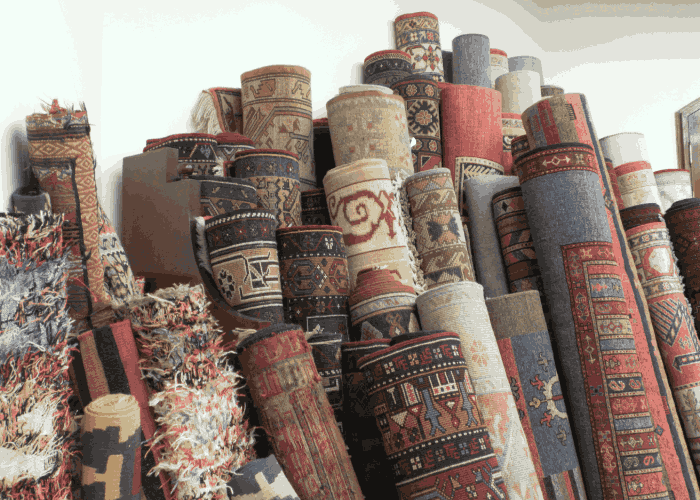
Have you ever wondered what elevates certain items from mere commodities to cherished pieces of art, admired across continents? For centuries, Indian carpets have held this esteemed position, gracing palaces, homes, and galleries worldwide. Their allure isn’t just a matter of aesthetics; it is deeply rooted in a rich heritage, unparalleled craftsmanship, and a commitment to quality that defines true luxury.
You are about to embark on a fascinating journey into the heart of India’s carpet weaving tradition. We will explore the intricate details that make these textiles not only globally appealing but also genuinely premium investments. Discover the secrets behind their enduring beauty and exceptional value.
The Enduring Legacy of Indian Carpet Weaving
The story of Indian carpets is as ancient and vibrant as India itself. This art form boasts a lineage stretching back millennia, deeply intertwined with the subcontinent’s cultural and artistic evolution. You will find that understanding this history is crucial to appreciating their current premium status.
While indigenous weaving traditions existed, the true golden age of carpet making in India began with the Mughal Empire in the 16th century. Emperor Akbar, a great patron of arts, brought skilled Persian weavers to India, establishing royal workshops. This fusion of Persian aesthetics with Indian motifs and techniques gave birth to a distinct style, characterized by intricate designs and rich colors.
These royal workshops laid the foundation for a thriving industry. Families of weavers passed down their intricate knowledge and skills through generations. This unbroken chain of tradition ensures that the ancient techniques and artistic sensibilities are preserved, making each carpet a piece of living history.
From Royal Palaces to Global Homes
Initially, Indian carpets were symbols of status and luxury, exclusively adorning the courts of emperors and nobles. Their exquisite beauty and durability quickly caught the attention of European traders. This marked the beginning of their global journey.
The East India Company played a significant role in introducing these magnificent textiles to the Western world. Soon, Indian carpets became highly sought after, adorning the grandest homes and institutions across Europe and beyond. This early international demand solidified their reputation as premium products.
Today, this legacy continues, with modern Indian carpets carrying the torch of their ancestors. When you invest in an Indian carpet, you are not just buying a floor covering; you are acquiring a piece of art steeped in centuries of tradition and royal patronage.
Unraveling the Craftsmanship: What Makes Them Premium?
The true essence of a premium Indian carpet lies in its meticulous craftsmanship. It is the human touch, the dedication of skilled artisans, and the painstaking process that elevate these pieces far beyond mass-produced alternatives. Let us delve into the specific attributes that contribute to their unparalleled quality.
The Art of Hand-Knotting: A Mark of Excellence
When discussing premium carpets, the term “hand-knotted” is paramount. This method involves individual knots being tied by hand onto a warp and weft foundation. This labor-intensive process is what gives hand-knotted carpets their incredible durability, intricate detail, and heirloom quality.
Contrast this with machine-made carpets, which are mass-produced and lack the unique character and resilience of hand-knotted pieces. Hand-tufted carpets, while also made by hand, involve punching yarn through a fabric backing, which is then glued. While beautiful, they do not possess the same structural integrity or longevity as hand-knotted carpets.
Flatweave carpets, like Dhurries, are also hand-woven but without a pile. They offer a different aesthetic and are incredibly versatile. However, for sheer luxury and durability, hand-knotted carpets remain the gold standard, requiring immense skill and time.
Materials of Distinction: The Foundation of Luxury
The quality of materials used is another critical factor in determining a carpet’s premium status. Indian weavers meticulously select the finest fibers, ensuring both beauty and longevity. You will find that the choice of material significantly impacts the carpet’s feel, appearance, and value.
Silk: The Epitome of Opulence
Silk carpets are considered the pinnacle of luxury. Their exquisite sheen, softness, and ability to hold incredibly fine detail are unmatched. Silk’s strength allows for a very high knot count, resulting in designs that resemble paintings.
Indian silk carpets, particularly from Kashmir, are renowned worldwide. They often feature intricate Persian-inspired motifs, rendered with breathtaking precision. When you see a silk carpet, you immediately understand its premium nature.
Wool: Durable Beauty
Wool is the most common and versatile material for hand-knotted carpets. Premium Indian carpets utilize high-quality wool, such as Merino, Ghazni, or New Zealand wool. These varieties are known for their strength, softness, and natural lanolin content, which provides stain resistance.
Good quality wool ensures the carpet will withstand heavy foot traffic and retain its beauty for decades. The resilience of wool fibers means the carpet will spring back, maintaining its pile and luxurious feel. This durability makes wool carpets an excellent long-term investment.
Cotton: The Sturdy Foundation
While often not visible in the final product, cotton is frequently used for the warp and weft (the foundation) of many Indian carpets. Its strength and stability provide a robust base for the knots. This ensures the carpet maintains its shape and integrity over time.
Sometimes, cotton is also used in the pile for specific design effects or in flatweave carpets. Its natural properties make it an ideal choice for the structural components of a premium carpet.
Knot Density: The Measure of Intricacy
One of the most objective measures of a hand-knotted carpet’s quality is its knot density, often expressed as knots per square inch (KPSI) or knots per square centimeter (KPSC). A higher knot density signifies greater detail, finer lines, and a more durable pile.
Imagine the difference between a low-resolution image and a high-resolution one. A carpet with 50 KPSI will have a coarser pattern than one with 500 KPSI. Premium Indian carpets often boast impressively high knot counts, allowing for incredibly intricate designs and a luxurious, dense feel underfoot.
While high knot density generally indicates higher quality and value, it is not the sole factor. The quality of materials, dyes, and artistic merit also play significant roles. However, when comparing similar designs, a higher KPSI almost always points to superior craftsmanship.
Dyeing Techniques: The Palette of Perfection
The vibrant and enduring colors of Indian carpets are another hallmark of their premium quality. The dyeing process is an art in itself, demanding skill and precision. You will find that the choice of dyes significantly impacts the carpet’s aesthetic appeal and longevity.
Traditional Indian carpets often employ natural, vegetable dyes derived from plants, insects, and minerals. These dyes produce rich, subtle, and harmonious colors that age beautifully, developing a unique patina over time. They are also environmentally friendly and safer than many synthetic alternatives.
While synthetic dyes are also used today, premium carpets prioritize those that are colorfast and fade-resistant. Advanced synthetic dyes can offer a wider spectrum of consistent colors. Reputable manufacturers ensure that all dyes, whether natural or synthetic, meet stringent quality standards for color retention and safety.
Design Complexity and Originality: Stories Woven in Thread
Indian carpets are not just patterns; they are narratives, symbols, and expressions of artistic vision. The complexity and originality of their designs are a major contributor to their premium status. You will often find yourself discovering new details within a well-crafted piece.
Traditional Motifs and Symbolism
Many designs draw inspiration from rich Persian traditions, featuring intricate floral patterns, medallions, and garden motifs. Others embrace indigenous Indian elements like paisleys, elephants, and deities. Each motif often carries symbolic meaning, adding depth to the carpet’s beauty.
The meticulous execution of these complex designs requires immense skill and patience from the weavers. Every curve, every petal, and every geometric line must be perfectly rendered, a testament to their mastery.
Contemporary Adaptations and Bespoke Creations
While respecting tradition, Indian carpet designers also innovate. You can find stunning contemporary designs that blend traditional techniques with modern aesthetics, making them suitable for diverse interior styles. This adaptability enhances their global appeal.
Furthermore, many premium manufacturers offer bespoke services, allowing you to commission a custom carpet. Imagine a unique design, tailored to your exact specifications, woven by hand just for you. This level of personalization is the ultimate luxury, further solidifying the premium nature of Indian carpets.
Regional Specialties and Their Unique Charm
India is a vast country, and its carpet weaving tradition reflects this diversity. Different regions have developed their own distinct styles, techniques, and preferred materials. Understanding these regional variations enriches your appreciation for these magnificent textiles.
Kashmir: The Land of Silk and Persian Elegance
Kashmir is perhaps most famous for its exquisite silk carpets. Known for their incredibly fine knotting and lustrous sheen, Kashmiri carpets often feature intricate Persian designs like tree of life motifs, hunting scenes, and delicate florals. When you see a Kashmiri silk carpet, its unparalleled elegance is immediately apparent.
The cold climate of Kashmir also produces excellent wool, which is used for durable and warm wool carpets. However, it is the silk carpets that truly define Kashmir’s premium reputation in the global market.
Mirzapur-Bhadohi: India’s Carpet Belt
The Mirzapur-Bhadohi region in Uttar Pradesh is often called the “carpet belt” of India, being the largest hub for carpet manufacturing. This region produces a vast array of carpets, from traditional Persian and Mughal designs to contemporary and abstract patterns. You will find carpets of varying qualities here, but the premium offerings are truly exceptional.
Carpets from Mirzapur-Bhadohi are predominantly made from high-quality wool, sometimes blended with silk for added luster. The sheer volume and diversity of skilled artisans in this region make it a powerhouse of premium carpet production.
Agra: Mughal Grandeur Revived
Agra, home to the Taj Mahal, has a long history of carpet weaving, dating back to the Mughal era. Agra carpets are known for their thick piles, rich colors, and often grand, symmetrical designs inspired by Mughal architecture and gardens. They often feature large central medallions and intricate borders.
These carpets evoke a sense of timeless grandeur and luxury. When you walk on an Agra carpet, you feel the density and quality of its construction, a testament to its premium craftsmanship.
Jaipur: Vibrant Dhurries and Geometric Patterns
While Jaipur produces excellent pile carpets, it is particularly renowned for its vibrant flatweave Dhurries. These robust and versatile textiles are characterized by their geometric patterns, bold colors, and reversible nature. They offer a different kind of premium appeal – one of practical elegance and striking design.
Jaipur Dhurries are often made from cotton or wool. They are celebrated for their durability and ease of maintenance, making them popular choices for contemporary interiors seeking a touch of traditional Indian artistry.
Amritsar: A Blend of Influences
Amritsar, in Punjab, has a carpet-weaving tradition influenced by both Persian and Central Asian styles. Amritsar carpets typically feature dense wool piles and intricate curvilinear designs, often in rich, deep color palettes. They are known for their durability and classic aesthetic.
The carpets from Amritsar are often chosen for their timeless appeal and robust construction. You will find them to be excellent examples of lasting quality and traditional beauty.
The Investment Value and Durability of Indian Carpets
Beyond their aesthetic appeal, premium Indian carpets offer significant investment value and remarkable durability. When you purchase a hand-knotted Indian carpet, you are not just decorating your home; you are acquiring an asset that can appreciate in value and last for generations.
Longevity: An Heirloom for Generations
A well-made, hand-knotted Indian carpet is built to last. The meticulous knotting, high-quality materials, and robust construction mean that these carpets can withstand decades, even centuries, of use. Unlike mass-produced items, they are designed for endurance.
Many antique Indian carpets are still in use today, demonstrating their incredible resilience. With proper care, your premium Indian carpet can easily become a cherished family heirloom, passed down through generations. This inherent longevity is a key aspect of their premium status.
Appreciation in Value: More Than Just a Purchase
While not all carpets will appreciate significantly, rare and exceptional Indian carpets can indeed increase in value over time. Factors such as age, rarity, artistic merit, knot density, and the condition of the carpet all contribute to its potential for appreciation. You will find that unique pieces from renowned weavers or specific historical periods are particularly sought after by collectors.
Even if a carpet doesn’t become a museum piece, its enduring quality means it retains significant value far longer than any machine-made alternative. This makes a premium Indian carpet a wise investment for your home and your future.
Sustainability and Ethical Production
In an age of increasing environmental awareness, the traditional methods of Indian carpet weaving offer a sustainable alternative. Many premium carpets utilize natural fibers like wool, silk, and cotton, which are renewable resources. The use of natural dyes further reduces environmental impact.
Furthermore, the hand-knotted process is energy-efficient, relying on human skill rather than heavy machinery. Ethical production practices, ensuring fair wages and safe working conditions for artisans, are also increasingly emphasized by reputable manufacturers. When you choose a premium Indian carpet, you are often supporting a sustainable and ethical industry.
Global Market Presence and Demand
Indian carpets have carved out a formidable presence in the global market, consistently ranking among the top exporting countries. Their unique blend of tradition, quality, and artistic diversity makes them highly desirable to international buyers. You will see their influence in homes, hotels, and public spaces around the world.
The demand for Indian carpets spans across continents, with significant markets in North America, Europe, and Asia. Buyers are drawn to the authenticity of hand-knotted pieces, the richness of their designs, and the undeniable quality that sets them apart.
The industry continuously adapts to global trends while preserving its core traditions. This adaptability allows Indian carpet manufacturers to cater to diverse tastes, from classic oriental designs to modern minimalist aesthetics. This responsiveness ensures their continued relevance and appeal in a dynamic global marketplace.
Indian Carpet Exports: A Snapshot
To give you a clearer picture of their global reach, here is a simplified representation of Indian carpet exports by value to key regions. Please note that exact figures fluctuate annually, but this table illustrates the general distribution and significance.
| Region/Country | Approximate Export Value (USD Million/Year) | Key Market Characteristics |
|---|---|---|
| North America (USA, Canada) | 500 – 700 | High demand for both traditional and contemporary designs; focus on quality and durability. |
| Europe (Germany, UK, France) | 300 – 500 | Appreciation for fine craftsmanship, natural materials, and ethical sourcing; diverse style preferences. |
| Middle East (UAE, Saudi Arabia) | 100 – 200 | Preference for classic, intricate Persian-inspired designs; luxury segment. |
| Asia (Japan, Australia) | 50 – 150 | Growing market for unique, handcrafted items; interest in both traditional and modern aesthetics. |
| Other Regions | 50 – 100 | Emerging markets showing increasing interest in premium home furnishings. |
Note: These figures are illustrative and represent general trends; actual trade data varies annually based on economic conditions and market dynamics.
This data underscores the substantial contribution of Indian carpets to global trade. It also highlights the widespread recognition of their premium quality and desirability across various cultures and economies. You can be confident that you are joining a global community of discerning buyers when you choose an Indian carpet.
Caring for Your Indian Carpet: Preserving Its Beauty
To ensure your premium Indian carpet retains its beauty and longevity, proper care is essential. A little attention goes a long way in preserving its vibrant colors and structural integrity. You will find that caring for a hand-knotted carpet is straightforward, requiring consistent but gentle practices.
Regular Maintenance
-
Vacuuming: You should vacuum your carpet regularly, ideally once or twice a week, using a low-power setting and avoiding beater bars. Vacuuming removes loose dirt and dust particles before they can settle deep into the pile, preventing abrasion of the fibers.
-
Rotation: To ensure even wear and exposure to light, rotate your carpet 180 degrees every 6-12 months. This helps prevent localized fading and flattening of the pile in high-traffic areas.
-
Underlay/Pad: Always use a high-quality carpet pad underneath your hand-knotted carpet. A good pad provides cushioning, prevents the carpet from slipping, and protects both the carpet and your floor from wear and tear. It also adds to the luxurious feel underfoot.
Addressing Spills and Stains
-
Act Quickly: The most crucial rule is to address spills immediately. The faster you act, the less likely the spill is to set into the fibers.
-
Blot, Don’t Rub: Use a clean, white cloth or paper towel to gently blot the spill from the outside in. Rubbing can spread the stain and damage the fibers. Continue blotting until no more liquid transfers to the cloth.
-
Mild Detergent Solution: For tougher stains, you can use a very mild solution of water and a small amount of pH-neutral soap. Apply it sparingly to a clean cloth, then blot the stained area. Always rinse by blotting with a damp, clean cloth and then dry thoroughly.
-
Avoid Harsh Chemicals: Never use strong chemical cleaners, bleach, or stain removers on your hand-knotted carpet. These can damage the fibers and cause irreversible color loss or discoloration.
Professional Cleaning
Despite regular maintenance, your carpet will benefit from professional cleaning every 3-5 years, depending on traffic and exposure. You should always choose a reputable cleaner experienced with hand-knotted rugs. They use specialized techniques and gentle solutions to deep clean the carpet without causing damage, restoring its vibrancy and freshness.
Avoid any cleaner who suggests steam cleaning or harsh chemical treatments, as these are typically not suitable for delicate hand-knotted fibers and dyes. Trusting a professional ensures your valuable investment is handled with the care it deserves.
By following these simple guidelines, you can ensure your premium Indian carpet remains a stunning focal point in your home for many years to come. Your care will be rewarded with enduring beauty and lasting quality.
Conclusion
You have now journeyed through the rich tapestry of Indian carpet weaving, uncovering the many facets that contribute to their global appeal and truly premium status. From the ancient looms of Mughal emperors to the sophisticated designs gracing modern homes, these carpets represent a timeless fusion of art, history, and unparalleled craftsmanship.
The dedication of skilled artisans, the selection of the finest natural materials, the intricate hand-knotting techniques, and the vibrant, enduring dyes all culminate in a product of extraordinary quality. Each regional specialty offers a unique charm, while the overall durability and potential for appreciation make these carpets more than just decor; they are tangible investments and cherished heirlooms.
When you choose an Indian carpet, you are not merely purchasing an object; you are embracing a legacy. You are bringing into your home a piece of art that tells a story, a testament to human ingenuity and devotion to beauty. Let the global appeal of Indian carpets inspire you to discover the premium quality that lies within every knot and every thread.
They are not just floor coverings; they are masterpieces, waiting to enrich your life and space with their unparalleled elegance and enduring charm.
Frequently Asked Questions (FAQ)
Q1: What is the main difference between hand-knotted and hand-tufted carpets?
A1: Hand-knotted carpets are made by individually tying knots to a foundation, making them extremely durable and detailed. Hand-tufted carpets are made by punching yarn through a fabric backing, which is then glued. Hand-knotted carpets are generally considered higher quality and more valuable.
Q2: How can I tell if an Indian carpet is truly premium quality?
A2: Look for several indicators: high knot density (KPSI), natural materials like silk or high-quality wool, intricate and well-defined designs, rich and consistent colors (often from natural dyes), and a flexible, soft backing. Reputable sellers will also provide detailed information about the carpet’s origin and materials.
Q3: Are Indian silk carpets more expensive than wool carpets?
A3: Generally, yes. Silk is a finer and more luxurious material, allowing for extremely high knot counts and intricate details, which require more time and skill to weave. This makes silk carpets significantly more expensive than wool carpets of comparable size and design complexity.
Q4: How long do Indian hand-knotted carpets last?
A4: With proper care and maintenance, a high-quality hand-knotted Indian carpet can last for many decades, often becoming family heirlooms passed down through generations. Their durability is one of their key premium attributes.
Q5: Is it safe to clean my Indian carpet myself?
A5: For light cleaning and immediate spill management, you can follow the blotting and mild soap solution guidelines. However, for deep cleaning, it is highly recommended to hire a professional rug cleaner experienced with hand-knotted carpets. Improper cleaning can damage the fibers, dyes, and structure of your valuable carpet.
Q6: Do Indian carpets fade over time?
A6: Premium Indian carpets, especially those made with high-quality, colorfast dyes (natural or synthetic), are designed to resist fading. However, prolonged direct exposure to intense sunlight can cause some fading over many years. Rotating your carpet regularly and using UV-filtering window treatments can help minimize this.
Q7: What is a Dhurrie? Is it considered a premium Indian carpet?
A7: A Dhurrie is a type of flatweave rug from India, traditionally made from cotton or wool. They do not have a pile like hand-knotted carpets. While different in construction, high-quality Dhurries are considered premium for their unique artistry, durability, and versatility, especially those with intricate designs and natural fibers.