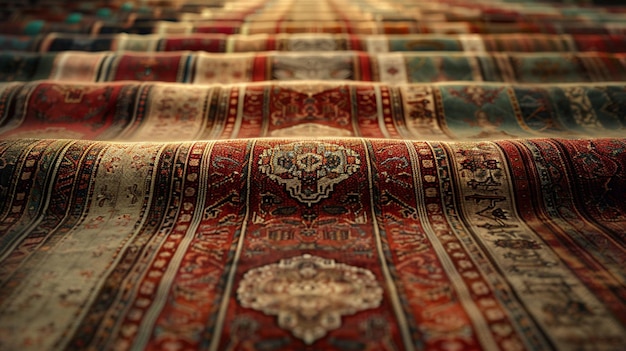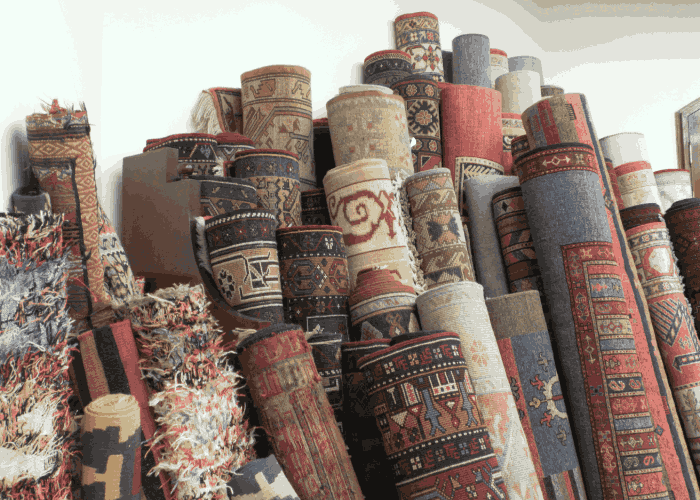
Welcome to a journey into the heart of exquisite craftsmanship and timeless beauty. Choosing a premium Indian carpet is more than just a purchase; it is an investment in art, heritage, and comfort for your home.
You are about to discover the secrets behind these magnificent creations, understanding what makes them truly exceptional. This comprehensive guide will empower you with the knowledge to select a rug that not only complements your style but also tells a story.
Prepare to transform your living space with a piece that transcends mere decoration, becoming a cherished heirloom. Let us embark on this exciting exploration together, ensuring your choice is both informed and inspired.
The Enduring Legacy of Indian Carpets: A Tapestry of History and Artistry
Indian carpets boast a rich history, dating back centuries to the Mughal Empire. Emperors like Akbar fostered a vibrant tradition of carpet weaving, merging Persian techniques with indigenous Indian artistry.
This fusion gave birth to unique patterns, intricate motifs, and a distinct aesthetic that continues to captivate today. Each carpet is a testament to generations of skill passed down through families.
When you choose an Indian carpet, you are not just acquiring a floor covering. You are bringing home a piece of living history, a cultural artifact woven with stories and traditions.
The artistry involved is profound, reflecting a deep connection to nature, philosophy, and daily life. This rich heritage is what elevates premium Indian carpets above mere factory-produced items.
Why Indian Carpets are Considered Premium
The premium status of Indian carpets stems from several crucial factors. Foremost is the unparalleled craftsmanship involved in their creation.
Many high-quality Indian carpets are meticulously hand-knotted. This labor-intensive process requires incredible skill, patience, and precision from master weavers.
Furthermore, the use of superior natural materials contributes significantly to their value. Fine wools and luxurious silks provide both durability and an exquisite tactile experience.
The intricate designs, often drawing from ancient motifs and regional specificities, demand artistic vision and execution. These elements combine to create a product of exceptional beauty and lasting quality.
Understanding the Heart of Your Carpet: Materials and Their Magic
The materials used in an Indian carpet profoundly influence its look, feel, durability, and price. Understanding these options is crucial for making an informed decision.
Each fiber brings unique properties to the finished product. Your choice should align with your lifestyle, aesthetic preferences, and the specific demands of your space.
Wool: The Timeless Classic
Wool is arguably the most popular material for premium Indian carpets, and for good reason. It offers an incredible balance of softness, durability, and resilience.
High-quality wool can withstand significant foot traffic, making it ideal for busy areas of your home. It also possesses natural stain resistance and excellent insulating properties.
Indian wool often comes from specific breeds, such as Bikaner sheep, known for their strong, lustrous fibers. Virgin wool, meaning it has not been recycled or reprocessed, is always preferred for its superior quality.
You will find wool carpets in various pile heights and densities, all offering a comforting warmth and a rich, inviting texture.
Silk: The Epitome of Luxury
For unparalleled luxury and a breathtaking sheen, silk carpets are the ultimate choice. Silk fibers are incredibly strong, yet exceptionally soft and fine.
A silk carpet will catch the light beautifully, creating a luminous, shimmering effect that changes with your perspective. This makes them truly dynamic pieces of art.
Due to the fineness of the silk thread, weavers can achieve incredibly intricate details and a very high knot count. This results in designs of astonishing precision and clarity.
While silk carpets are durable, they are generally best suited for lower-traffic areas where their delicate beauty can be fully appreciated and preserved. They represent a significant investment in pure elegance.
Cotton: The Sturdy Foundation
Cotton is primarily used as the foundation (warp and weft) of many hand-knotted carpets. Its strength and stability provide a robust base for the pile fibers.
In some flatweave carpets, like dhurries, cotton can also be the primary material. These carpets are known for their lightness, durability, and ease of cleaning.
Cotton dhurries often feature vibrant colors and geometric patterns. They offer a more casual, breathable option compared to their wool or silk counterparts.
You might find cotton blends in some carpets, offering a balance of properties. Always inquire about the specific composition of any carpet you consider.
Blends: The Best of Both Worlds
Occasionally, you might encounter carpets made from blends of different fibers. The most common blend is wool and silk.
A wool and silk blend combines the resilience and cost-effectiveness of wool with the luxurious sheen and detailed potential of silk. This can offer a beautiful compromise.
These blends often feature silk highlights to emphasize certain design elements. They provide a touch of luxury without the full investment or delicate nature of a 100% silk carpet.
Always understand the ratio of the blend and how it impacts the carpet’s performance and appearance. Reputable dealers will provide clear information on material composition.
The Art of Creation: Exploring Weaving Techniques
The method by which an Indian carpet is made is fundamental to its quality, durability, and overall character. Understanding weaving techniques helps you appreciate the craftsmanship.
Each technique requires different levels of skill, time, and labor. This directly influences the carpet’s price point and its suitability for various uses in your home.
Hand-Knotted: The Pinnacle of Craftsmanship
Hand-knotted carpets are the epitome of traditional carpet making and represent the highest level of artistry. Each knot is individually tied by hand onto the warp threads.
This laborious process can take months, or even years, for larger and more intricate pieces. The result is an incredibly durable, flexible, and long-lasting carpet.
The knot count, or knot density, is a key indicator of quality for hand-knotted carpets. A higher knot count (more knots per square inch) allows for finer details and a more precise design.
You will often hear about Persian (Senneh) knots and Turkish (Ghiordes) knots. While both are excellent, the choice often depends on the regional tradition of the weaver.
A high-quality hand-knotted carpet is an heirloom, designed to last for generations. It offers unparalleled beauty and a unique tactile experience.
Hand-Tufted: Versatility and Value
Hand-tufted carpets offer a more accessible entry point into the world of handmade rugs. They are made by punching individual strands of yarn through a fabric backing with a specialized tool.
Once the design is complete, a secondary backing is applied, often with latex, to secure the yarns. The loops are then typically cut to create a pile, although some are left looped.
This method is significantly faster than hand-knotting, which makes hand-tufted carpets more affordable. They offer a wide range of designs and colors.
While durable, hand-tufted carpets generally do not possess the same longevity or investment value as hand-knotted ones. They are an excellent choice for adding style and comfort without the higher price tag.
Hand-Woven (Flatweave/Dhurries): Lightness and Liveliness
Hand-woven carpets, also known as flatweaves or dhurries, are created on a loom by interweaving warp and weft threads. Unlike knotted carpets, they do not have a pile.
Dhurries are typically reversible, lightweight, and very durable. They are a popular choice for their versatility, often used in casual settings or as layering pieces.
They are excellent for warmer climates or areas where a low-profile rug is desired. Their flat construction makes them easy to clean and less prone to trapping dust.
You will find a vast array of patterns in dhurries, from bold geometrics to subtle stripes. They offer a unique aesthetic that can complement both traditional and modern decor.
Pile Height: What It Means for You
The pile height refers to the length of the yarn fibers that stand up from the carpet’s backing. This characteristic significantly impacts the carpet’s look, feel, and functionality.
Low Pile: Carpets with a low pile are generally more durable and easier to clean. They are ideal for high-traffic areas, dining rooms, or under furniture where a thicker pile might obstruct movement.
Medium Pile: This is a versatile choice, offering a good balance of comfort and practicality. Medium pile carpets are suitable for living rooms and bedrooms, providing softness without being overly plush.
High Pile (Shag): High pile carpets offer ultimate softness and a luxurious, cozy feel. They are perfect for bedrooms or low-traffic living areas where comfort is paramount, adding a sense of warmth and indulgence.
Consider your lifestyle and the specific room when deciding on pile height. A higher pile feels more luxurious but may require more diligent cleaning.
A Kaleidoscope of Design: Finding Your Perfect Aesthetic
Indian carpets are renowned for their breathtaking array of designs, colors, and patterns. This diversity ensures that you can find a carpet to perfectly match any interior style.
From centuries-old traditional motifs to bold contemporary statements, the design possibilities are endless. Let your personal taste guide you in this exciting exploration.
Traditional Indian Designs: Timeless Elegance
Many premium Indian carpets draw inspiration from historical Mughal and Persianate designs. These patterns are characterized by their intricate detail, symmetry, and rich symbolism.
You will often see motifs like palmettes, medallions, arabesques, and floral sprays. Regions like Agra, Jaipur, and Kashmir are famous for their distinct traditional styles.
Mughal Designs: Often feature central medallions, intricate borders, and a profusion of botanical motifs like lotus, cypress, and tree-of-life patterns. They exude grandeur and sophistication.
Persianate Influences: Many Indian carpets adopted and adapted Persian designs, characterized by curvilinear patterns, detailed garden scenes, and complex layering of motifs.
Kashmiri Carpets: Known for their delicate floral patterns, often in softer color palettes. They frequently incorporate elements like chinar leaves and paisleys, reflecting the beauty of the Kashmir valley.
Choosing a traditional design means embracing a piece of history. These carpets add a sense of timeless elegance and cultural depth to any room.
Geometric Patterns: Modern Rhythms
While traditional designs are often curvilinear, many Indian carpets also feature striking geometric patterns. These can range from bold, tribal-inspired motifs to more refined, contemporary grids.
Dhurries, in particular, are celebrated for their vibrant geometric designs. These patterns often use strong lines, chevrons, diamond shapes, and repeating tessellations.
Geometric carpets can add a modern edge or a bohemian feel to your space. They work well in minimalist interiors or to introduce a dynamic visual element.
You will find these patterns in a spectrum of colors, from earthy neutrals to vivid, eye-catching combinations. They offer a refreshing alternative to more ornate traditional styles.
Abstract and Contemporary: Artistic Expressions
The Indian carpet industry is not static; it continues to evolve with contemporary tastes. Many artisans are now creating abstract and contemporary designs that push traditional boundaries.
These carpets might feature organic forms, painterly strokes, or minimalist compositions. They are often less about specific motifs and more about texture, color fields, and artistic impression.
An abstract Indian carpet can serve as a stunning focal point in a modern interior. It allows for personal expression and introduces a unique, artistic flair.
If your home leans towards modern or eclectic decor, exploring contemporary Indian carpet designs can be incredibly rewarding. They demonstrate the versatility and ongoing innovation of Indian weavers.
Color Palettes: Setting the Mood
The color palette of your chosen carpet will significantly influence the mood and atmosphere of your room. Indian carpets are available in an astonishing range of hues.
- Warm Tones: Reds, oranges, and deep yellows create a cozy, inviting, and energetic ambiance. They are perfect for living rooms or areas where you want to foster warmth.
- Cool Tones: Blues, greens, and purples evoke a sense of calm, serenity, and sophistication. These colors work beautifully in bedrooms, studies, or spaces designed for relaxation.
- Neutral Palettes: Creams, beiges, grays, and browns offer versatility and timeless elegance. They provide a subtle backdrop that allows other decor elements to shine, making them incredibly adaptable.
- Vibrant Combinations: Many Indian carpets feature a rich tapestry of multiple colors. These can be incredibly stimulating and add a dynamic focal point to a room, showcasing the weaver’s mastery of color theory.
Consider the existing colors in your room, including walls, furniture, and other textiles. Your carpet should either complement these colors or provide a striking contrast that feels harmonious.
Sizing Up Your Space: The Right Dimensions for Impact
Choosing the correct size carpet is paramount to achieving a balanced and aesthetically pleasing room. An appropriately sized rug can anchor a space, define zones, and enhance overall flow.
A carpet that is too small can make a room feel disjointed, while one that is too large might overwhelm it. Carefully measure your space and consider your furniture arrangement.
Living Room Layouts
In the living room, your carpet should ideally define the main seating area. There are a few common approaches:
- All Legs On: For larger living rooms, choose a carpet big enough for all your furniture (sofas, armchairs) to sit entirely on it. This creates a cohesive and luxurious feel.
- Front Legs On: A popular and versatile option where the front two legs of your main seating pieces (sofa, armchairs) rest on the carpet. This anchors the furniture without requiring an enormous rug.
- Floating: For smaller rooms, a carpet that sits in the center of the seating area, with all furniture off it, can work. Ensure it is still large enough to comfortably accommodate a coffee table and allow for walking space around it.
Always leave at least 12-18 inches of exposed flooring around the perimeter of the room. This creates a visual border and prevents the carpet from looking like wall-to-wall carpeting.
Dining Room Considerations
For your dining room, the carpet should be large enough to accommodate your dining table and chairs, even when the chairs are pulled out. This prevents chairs from catching on the rug’s edge.
Measure your dining table and add at least 24-30 inches on all sides. This ensures that when someone pushes their chair back, it remains on the carpet.
A good rule of thumb is that the carpet should extend at least 2 feet beyond the table’s edge on all sides. This creates a comfortable and elegant dining zone.
Bedroom Serenity
In the bedroom, a carpet adds warmth, comfort, and a touch of luxury. You have several options for placement:
- Beneath the Bed: The most common approach is a large carpet placed under the bed, extending out on all sides. Ensure it extends at least 18-24 inches beyond the sides and foot of the bed.
- Runners on Sides: For smaller beds or rooms, two runners placed on either side of the bed can provide soft landings.
- Half Under Bed: A carpet placed two-thirds of the way under the bed, extending significantly into the room, can also work, especially with a bench at the foot of the bed.
The goal is to provide a soft surface for your feet when you get out of bed. Consider the size of your bed (King, Queen, Full) when selecting the carpet dimensions.
Hallways and Entryways
Hallway runners should ideally leave 4-6 inches of exposed floor on either side. They should also not extend directly up to the walls at either end; leave a small gap.
For entryways, choose a durable carpet that can withstand heavy foot traffic and potential dirt. The size should be appropriate for the space, welcoming guests without overwhelming the entrance.
A runner should guide the eye and protect your flooring. Ensure it is long enough to cover a significant portion of the hallway without looking like a postage stamp.
Common Carpet Sizes and Room Applications
To help you visualize, here is a table of common carpet sizes and their typical applications. Remember, these are guidelines, and your specific room dimensions will dictate the best fit.
| Carpet Size (Feet) | Typical Room Application | Key Considerations |
|---|---|---|
| 2′ x 3′ | Entryway, Bathroom, Kitchen Sink | Accent rug, small defined area, high-traffic entry point. |
| 3′ x 5′ | Small Entryway, Bedside, Reading Nook | Adds warmth to a small space, defines a corner. |
| 4′ x 6′ | Small Living Room (floating), Small Bedroom (partial under bed) | Good for apartments, defines a small seating area. |
| 5′ x 7′ or 5′ x 8′ | Medium Living Room (front legs on), Medium Dining Room (small table) | Versatile for various room sizes, popular choice. |
| 6′ x 9′ | Larger Living Room (front legs on), Medium Dining Room (medium table) | Creates a substantial anchor for main furniture groupings. |
| 8′ x 10′ | Large Living Room (all legs on or front legs on), Large Dining Room | Most popular size for standard living and dining areas. |
| 9′ x 12′ | Very Large Living Room, Master Bedroom (under king bed) | Luxurious feel, anchors large furniture sets, defines expansive spaces. |
| 10′ x 14′ or Larger | Open-Concept Living Areas, Grand Dining Rooms | For exceptionally large rooms, can define multiple zones. |
Always use painter’s tape to outline the proposed carpet size on your floor. This visual aid will help you confirm the dimensions before making a purchase.
Beyond Aesthetics: Practical Considerations for Longevity
A premium Indian carpet is a significant investment, and you want it to last. Beyond its beauty, practical considerations play a vital role in its long-term enjoyment and preservation.
Thinking about durability, maintenance, and placement will ensure your carpet remains a cherished part of your home for years to come. These factors contribute to its overall value.
Durability and Traffic Areas
Consider where your carpet will be placed. High-traffic areas like hallways, living rooms, and entryways require more durable materials and weaving techniques.
Hand-knotted wool carpets are exceptionally durable and can withstand heavy foot traffic. Their natural lanolin content also helps repel dirt and stains.
Silk carpets, while strong, are better suited for low-traffic areas like bedrooms or formal living rooms where their delicate sheen can be protected. Dhurries are also quite durable for busy areas.
Matching the carpet’s durability to its intended location is key to its longevity. A well-chosen carpet will age gracefully, developing a beautiful patina over time.
Maintenance and Cleaning
Proper maintenance is essential for preserving the beauty and life of your Indian carpet. Regular vacuuming is your first line of defense against dirt and dust.
For hand-knotted and hand-tufted carpets, vacuum with a brush attachment and avoid using a beater bar, which can damage the fibers. Vacuum in the direction of the pile.
For spills, act quickly. Blot the area with a clean, white cloth; do not rub. For more serious stains or general deep cleaning, it is highly recommended to consult a professional rug cleaner.
Avoid using harsh chemical cleaners, as these can strip natural fibers of their oils and damage dyes. Professional cleaners specialize in the delicate care of handmade rugs.
Rotate your carpet periodically to ensure even wear and exposure to light. This helps prevent localized fading and flattening of the pile.
Underlays: The Unsung Hero
An often-overlooked but crucial accessory for any carpet is a high-quality rug underlay or pad. This thin layer provides several important benefits.
An underlay prevents your carpet from slipping, making it safer for foot traffic. It also adds an extra layer of cushioning, enhancing comfort underfoot.
Furthermore, an underlay protects both your carpet and your floor. It acts as a barrier, preventing wear and tear on the carpet’s backing and protecting your hard flooring from scratches.
It also helps to absorb sound, contributing to a quieter and more peaceful environment. Always choose an underlay that is slightly smaller than your carpet, about one inch less on each side.
Allergies and Hypoallergenic Options
If you or someone in your household suffers from allergies, the material of your carpet can be a significant consideration. Natural fibers generally perform better than synthetics.
Wool is naturally hypoallergenic and resistant to dust mites, mold, and mildew. Its complex fibers trap allergens, preventing them from circulating in the air, which can then be removed by vacuuming.
Cotton dhurries can also be a good option as they are often easier to clean thoroughly. Avoid high-pile carpets if dust accumulation is a major concern.
Regular vacuuming with a HEPA filter vacuum cleaner is crucial for allergy sufferers, regardless of the carpet material. Choosing a natural fiber carpet can contribute to a healthier indoor environment.
Navigating the Purchase: Tips for a Confident Investment
Purchasing a premium Indian carpet is an exciting endeavor. To ensure a confident and satisfying investment, it is essential to approach the process with knowledge and careful consideration.
By following these tips, you will be well-equipped to find an authentic, high-quality carpet that you will cherish for years. Your informed decisions will lead to a truly rewarding experience.
Setting Your Budget
Before you begin shopping, establish a clear budget range. Premium Indian carpets vary widely in price based on materials, knot count, size, age, and intricacy of design.
Hand-knotted silk carpets will be at the higher end of the spectrum. Hand-knotted wool offers excellent value for its durability and beauty, while hand-tufted options are more budget-friendly.
Remember that a premium carpet is an investment. While the upfront cost might seem substantial, a well-chosen piece will last for decades, potentially increasing in value over time.
Prioritize quality within your budget. It is better to buy a smaller, high-quality carpet than a larger, lesser-quality one that may not last as long or look as impressive.
Authenticity and Certification
When investing in a premium Indian carpet, authenticity is paramount. You want to ensure you are purchasing a genuine handmade product, not a machine-made imitation.
Look for dealers who provide certificates of authenticity. These documents typically detail the carpet’s origin, materials, weaving technique, and approximate age.
Reputable dealers will be transparent about their sourcing and craftsmanship. Do not hesitate to ask questions about the carpet’s provenance.
While not universally required, some carpets may carry labels or certifications from trade organizations that guarantee ethical production and genuine craftsmanship. Researching these can provide additional peace of mind.
Reputable Dealers and Showrooms
The best way to ensure a quality purchase is to buy from a reputable dealer or showroom. These establishments have a vested interest in maintaining their reputation and offering genuine products.
Seek out dealers who specialize in handmade oriental or Indian carpets. They will have a deeper understanding of the products and can offer expert guidance.
Visit showrooms if possible. Seeing and feeling the carpets in person is invaluable. You can assess colors accurately, inspect the weave, and experience the texture firsthand.
Read reviews and ask for recommendations. A dealer with a long history of satisfied customers is a strong indicator of reliability and trustworthiness.
Asking the Right Questions
Do not be afraid to ask detailed questions about any carpet you are considering. A knowledgeable dealer will be happy to provide comprehensive answers.
- What are the specific materials used (e.g., specific type of wool, silk percentage)?
- What weaving technique was employed (hand-knotted, hand-tufted, flatweave)?
- What is the knot count per square inch (for hand-knotted carpets)?
- Where was the carpet made (region in India)?
- What are the recommended cleaning and maintenance instructions?
- Does the carpet come with a certificate of authenticity or guarantee?
Understanding these details will not only inform your decision but also demonstrate your seriousness as a buyer. This can lead to a more confident purchase.
Inspecting Quality: What to Look For
Once you are in a showroom, take the time to physically inspect the carpet. Your eyes and hands are your best tools for assessing quality.
- Knot Density (Hand-Knotted): Flip the carpet over and look at the back. A higher number of visible knots per square inch indicates finer detail and higher quality.
- Evenness of Pile: Run your hand over the surface. The pile should feel consistent and dense, without sparse areas.
- Color Consistency: Check for any uneven dyeing or significant color variations unless it is an intentional abrash effect (natural color variation due to hand-dyeing).
- Fringe and Selvedge: Inspect the edges and fringes. They should be neatly finished and secure, indicating careful craftsmanship.
- Flexibility: A high-quality hand-knotted carpet should be supple and flexible, not stiff. This indicates a good foundation and knotting.
- Pattern Clarity: The design should be crisp and well-defined, especially in intricate patterns.
These tactile and visual inspections will help you identify a truly premium piece. Trust your instincts and choose a carpet that genuinely excites you.
Conclusion
You have now journeyed through the intricate world of premium Indian carpets, armed with the knowledge to make an informed and inspired choice. From understanding the legacy of craftsmanship to discerning materials, techniques, and designs, you are ready.
Remember that selecting a carpet is a deeply personal experience. It is about finding a piece that resonates with your aesthetic, complements your home, and brings you joy every day.
An Indian carpet is more than just a floor covering; it is a work of art, a piece of history, and a testament to enduring human skill. It is an investment that will enrich your living space for generations.
Step confidently into style, knowing that your chosen Indian carpet will not only enhance your home’s beauty but also carry a story woven with passion and tradition. Enjoy the timeless elegance it brings.
Frequently Asked Questions (FAQ)
Q1: How do I tell if an Indian carpet is truly handmade?
A: To determine if an Indian carpet is truly handmade, carefully inspect the back. Handmade carpets will have slight irregularities in the knotting pattern, which is a sign of individual craftsmanship. The fringes are typically an extension of the warp threads, not sewn on separately.
Machine-made carpets will have perfectly uniform stitches and often feature overlocked edges or fringes that are clearly attached.
Q2: What is the difference between a rug and a carpet?
A: The terms “rug” and “carpet” are often used interchangeably, but traditionally, a “rug” refers to a floor covering that does not extend wall-to-wall and is typically smaller. A “carpet” historically referred to a wall-to-wall installation. However, in modern usage, especially when referring to handmade pieces like those from India, “rug” and “carpet” can both describe the same item, regardless of size or installation method.
Q3: Are Indian carpets durable enough for homes with pets or children?
A: Yes, many Indian carpets are incredibly durable and suitable for busy homes. Hand-knotted wool carpets, in particular, are known for their resilience, natural stain resistance, and ability to withstand heavy foot traffic. Low-pile dhurries can also be a good option as they are easy to clean.
For homes with pets, consider darker patterns that can help camouflage minor stains or shedding. Regular vacuuming and prompt spill cleanup are key to maintaining any carpet’s longevity in a family home.
Q4: How often should I have my premium Indian carpet professionally cleaned?
A: The frequency of professional cleaning for your premium Indian carpet depends on several factors, including foot traffic, presence of pets or children, and environmental conditions. As a general guideline, hand-knotted wool carpets in a typical household should be professionally cleaned every 3-5 years. Carpets in high-traffic areas or homes with pets might benefit from cleaning every 1-2 years. Silk carpets, being more