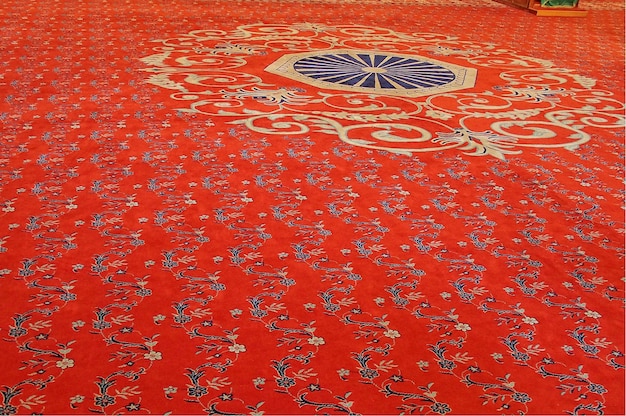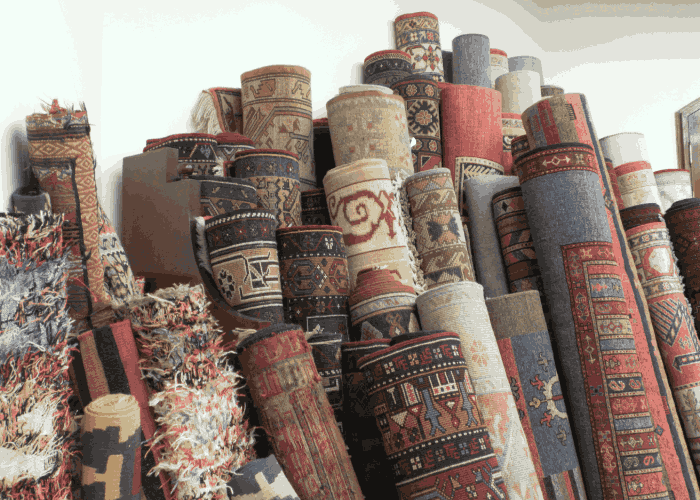
The world of luxury home décor is constantly evolving, with discerning buyers and designers always seeking pieces that combine artistry, quality, and a unique narrative. For centuries, India has been a silent powerhouse of textile craftsmanship, its artisans weaving tales into fabric with unparalleled skill. Now, this rich heritage is taking center stage, captivating a global audience.
You might be noticing a significant shift in perception. The phrase ‘Made in India’ for carpets no longer simply implies traditional designs; it has become synonymous with premium quality, innovative aesthetics, and a deep commitment to ethical practices. This isn’t a fleeting trend; it’s a testament to a resurgence of appreciation for authentic craftsmanship.
In this comprehensive guide, we will explore the myriad reasons why premium carpets from India are not just adorning floors but are becoming cherished investments in homes and commercial spaces worldwide. You’ll discover the intricate processes, superior materials, and ethical commitments that make these carpets truly exceptional. Prepare to understand why the world is unequivocally falling for ‘Made in India’ premium carpets.
A Legacy Woven Through Time: The Historical Tapestry of Indian Carpets
To truly appreciate the premium Indian carpet of today, you must first understand its illustrious past. The art of carpet weaving in India is not a recent development; it is a legacy stretching back centuries, deeply intertwined with the nation’s cultural and artistic evolution.
The craft gained significant momentum during the Mughal era, particularly under Emperor Akbar in the 16th century. He brought Persian weavers to India, who, alongside local artisans, fused their intricate Persian techniques with India’s vibrant indigenous aesthetics. This fusion gave birth to a distinct style characterized by rich colors, elaborate floral motifs, and sophisticated patterns.
From the opulent courts of emperors to the grand homes of nobility, these hand-knotted masterpieces became symbols of status and artistic prowess. Each carpet told a story, reflecting the flora, fauna, and architectural marvels of the time. This historical foundation laid the groundwork for the unparalleled skill you see in Indian carpets today.
Over generations, the knowledge and techniques were passed down, meticulously preserved within artisan families. This continuous lineage ensures that the profound depth of tradition and skill remains vibrant. When you acquire an Indian carpet, you are not just buying a floor covering; you are investing in centuries of artistic heritage.
Unmatched Craftsmanship: The Heart of ‘Made in India’ Excellence
The most compelling reason for the global acclaim of Indian premium carpets lies in their extraordinary craftsmanship. This is where human touch transforms raw materials into timeless works of art, setting them apart from mass-produced alternatives.
Indian artisans possess a rare combination of inherited skill and unwavering dedication. They approach each knot and every strand with a reverence that is palpable in the finished product. This commitment to excellence ensures that every carpet is not merely an item but a masterpiece.
The Art of Hand-Knotting: A Symphony of Skill
At the pinnacle of carpet craftsmanship is the art of hand-knotting, a painstaking process that defines true luxury. Imagine skilled artisans, often working in teams, meticulously tying individual knots onto a cotton or wool foundation. Each knot is tied by hand, one by one, following a complex design chart.
This process is incredibly labor-intensive and time-consuming. A single premium hand-knotted carpet can take months, or even years, to complete, depending on its size and the density of the knots. The knot count, often measured in knots per square inch (KPSI), is a key indicator of a carpet’s intricacy and value.
Higher KPSI means more detail, allowing for incredibly fine patterns and a denser, more durable pile. This meticulous attention to detail results in a carpet that is not only visually stunning but also exceptionally resilient. You can feel the difference underfoot, a testament to the thousands of hours of dedication poured into its creation.
Every hand-knotted carpet possesses a unique character, with slight variations that speak to its handmade origin. This individuality is highly prized in a world increasingly dominated by uniformity. Owning a hand-knotted Indian carpet means owning a singular piece of art.
Beyond Hand-Knotted: Tufting, Flatweaves, and More
While hand-knotted carpets represent the zenith of Indian craftsmanship, the country’s weaving prowess extends far beyond this single technique. India offers a diverse array of carpet types, each with its own unique appeal and construction method, all executed with a commitment to quality.
Hand-tufted carpets, for instance, offer a luxurious feel and a broad range of design possibilities. Here, yarn is punched through a fabric backing with a tufting gun, creating loops that can then be cut to form a plush pile. While less time-intensive than hand-knotting, premium hand-tufted carpets from India still involve significant manual skill in their design, tufting, and finishing.
Then there are the elegant flatweaves, such as Dhurries and Kilims, which are made without a pile. These are woven on a loom, creating a flat, reversible fabric that is both durable and versatile. Indian Dhurries are particularly renowned for their vibrant colors and geometric patterns, offering a lighter, more contemporary aesthetic.
The diversity of offerings ensures that you can find an Indian carpet perfectly suited to your specific needs and aesthetic preferences. Regardless of the technique, the underlying principle remains consistent: a dedication to quality materials and skilled execution.
From Master Weavers to Artisanal Excellence
The unparalleled quality of Indian carpets is deeply rooted in the generational transfer of knowledge. Crafting these intricate pieces is not just a job; it is a family tradition, a heritage passed down from parents to children, often spanning many centuries within the same artisan communities.
Young apprentices learn at the feet of master weavers, absorbing techniques, patterns, and the subtle nuances of color and texture. This apprenticeship model ensures that ancient skills are preserved and honed with each passing generation. It’s a living, breathing tradition that gives each carpet its soul.
The human element behind each carpet is profound. You are not just purchasing an item; you are supporting a community, a lineage of artists whose lives are intricately woven into the fabric of their creations. This connection to the maker adds an immeasurable value to every piece.
The collective expertise of these artisans, combined with their inherent artistic sensibility, results in carpets that are truly exceptional. Their hands bring designs to life, infusing each fiber with precision, passion, and a touch of their own unique artistry.
Superior Materials: Nature’s Finest Underfoot
The beauty and durability of a premium carpet are intrinsically linked to the quality of its raw materials. Indian carpet manufacturers understand this fundamental principle, meticulously selecting the finest fibers sourced from around the world to ensure unparalleled quality.
You will find that Indian premium carpets prioritize natural, sustainable fibers known for their resilience, softness, and ability to hold vibrant dyes. This commitment to superior materials contributes significantly to the longevity and luxurious feel of their products.
The Luster of Virgin Wool
Wool is the cornerstone of most premium carpets, and Indian manufacturers often choose the best available. New Zealand wool, renowned for its pristine white color, exceptional strength, and natural luster, is a popular choice for its ability to take dye brilliantly and resist crushing.
Beyond imported varieties, indigenous Indian wools, such as Bikaner wool, are also highly valued for their unique qualities. These wools offer excellent durability and a distinctive texture, making them ideal for a range of carpet styles. The natural lanolin in wool provides inherent stain resistance, making it practical for everyday luxury.
You can expect a wool carpet from India to be soft yet incredibly resilient, designed to withstand heavy foot traffic while maintaining its aesthetic appeal. This makes it a smart investment for both residential and commercial spaces.
The Allure of Silk
For the ultimate in luxury and intricate detailing, silk is often incorporated into premium Indian carpets. Silk carpets are known for their extraordinary sheen, incredible softness, and the ability to capture incredibly fine and detailed patterns due to the thinness of the silk fibers.
Often, hand-spun silk is used, adding to the artisanal value and unique texture of the carpet. Silk can be used exclusively for a truly opulent piece or blended with high-quality wool to create a carpet that combines the durability of wool with the exquisite luster and intricate pattern capability of silk.
The interplay of light on a silk-infused carpet creates a dynamic visual effect, adding depth and sophistication to any room. When you choose a silk or wool-silk blend from India, you are selecting a piece that radiates elegance and refinement.
Sustainable Fibers: Jute, Cotton, and Beyond
Beyond wool and silk, Indian carpet makers are also embracing a range of sustainable and eco-friendly fibers, meeting the growing demand for environmentally conscious home furnishings. Materials like jute and cotton offer distinct textures and properties, providing diverse options for modern consumers.
Jute, a natural vegetable fiber, is celebrated for its earthy texture and remarkable durability. It’s an excellent choice for creating robust, environmentally friendly flatweaves and textural rugs that bring a natural, organic feel to a space. You’ll find jute carpets to be hard-wearing and biodegradable.
Cotton, another natural fiber, is often used for the foundation of hand-knotted carpets or for creating soft, lightweight Dhurries. It’s breathable, easy to clean, and provides a comfortable underfoot experience. These sustainable options demonstrate India’s adaptability and commitment to responsible manufacturing.
Innovation Meets Tradition: Modern Designs for Contemporary Spaces
While deeply rooted in tradition, the Indian carpet industry is far from static. It is a vibrant hub of innovation, where age-old techniques are being skillfully applied to create designs that resonate with contemporary global aesthetics. This blend of heritage and modernity is a key factor in their rising popularity.
Indian manufacturers are actively collaborating with international designers and trend forecasters. This partnership allows them to translate global design sensibilities into their unique weaving language. The result is a stunning array of carpets that move beyond traditional motifs, offering fresh perspectives.
You will find carpets featuring minimalist geometric patterns, abstract expressions, and sophisticated tonal variations that perfectly complement modern interior design schemes. This adaptability ensures that an Indian premium carpet can seamlessly integrate into any setting, from classic to ultra-contemporary.
Furthermore, the industry excels in customization. If you have a specific vision for your space, Indian artisans can bring it to life, creating bespoke carpets that perfectly match your color palette, size requirements, and design preferences. This level of personalized service is a hallmark of luxury.
The ability to fuse timeless craftsmanship with cutting-edge design is a powerful differentiator. It means you can have a carpet with the soul of centuries-old artistry and the look of tomorrow’s trends. This forward-thinking approach is cementing India’s position as a leader in premium carpet design.
Global Carpet Market & Indian Contribution
The global carpet and rug market is a dynamic sector, experiencing steady growth driven by increasing urbanization, rising disposable incomes, and a growing emphasis on interior aesthetics. India’s contribution to this market, particularly in the premium segment, is significant and expanding.
Here is an illustrative overview of the global market and India’s position:
| Category | Description | Impact on ‘Made in India’ Carpets |
|---|---|---|
| Global Carpet & Rug Market Size (2023 Est.) | Approximately $65-70 Billion USD | Represents a vast opportunity for premium segment growth. |
| Projected CAGR (2024-2030) | 4.5% – 5.5% | Indicates sustained demand, especially for high-quality, durable products. |
| India’s Share in Hand-Knotted Exports | Approximately 35-40% of global hand-knotted market by volume/value | Positions India as a dominant player in the artisanal, premium segment. |
| Key Export Markets for India | USA, Europe (Germany, UK), Middle East, Australia | Shows widespread global acceptance and demand. |
| Drivers for Indian Carpet Demand | Authenticity, craftsmanship, ethical sourcing, customization, competitive pricing for quality | Highlights the unique selling propositions that attract global buyers. |
Note: Figures are illustrative and based on general industry trends and reports. Actual numbers may vary.
This table clearly illustrates that India is not just a participant but a significant force in the global premium carpet market. The consistent growth projections further underscore the enduring appeal and increasing demand for the unique value proposition offered by ‘Made in India’ carpets.
Ethical Sourcing and Sustainability: Weaving a Better Future
In today’s conscientious market, ethical production and sustainability are no longer optional; they are paramount. Consumers and businesses alike are increasingly seeking products that are not only beautiful but also responsibly made. Indian carpet manufacturers have risen to this challenge, integrating robust ethical and sustainable practices into their operations.
You can invest in an Indian premium carpet with confidence, knowing that significant strides have been made to ensure fair labor practices. Organizations like GoodWeave International (formerly RugMark) have played a crucial role in eradicating child labor from the carpet weaving industry, certifying carpets that are made without exploitation.
Many manufacturers adhere to strict social compliance standards, ensuring fair wages, safe working conditions, and respect for workers’ rights. This commitment to the well-being of artisans is a cornerstone of the industry’s ethical transformation, making your purchase a positive impact.
Beyond social responsibility, environmental considerations are also a priority. The use of natural fibers like wool, silk, jute, and cotton, which are biodegradable and renewable, inherently supports sustainable practices. Many producers are also moving towards eco-friendly dyes, reducing water consumption, and minimizing waste in their production processes.
Transparency in the supply chain is becoming increasingly important. Reputable Indian carpet brands are keen to share the story behind their carpets, from the source of the wool to the hands of the weavers. This openness allows you to make informed choices and feel good about the provenance of your cherished piece.
Value Proposition: Why Indian Premium Carpets Stand Out
When you consider the combination of artistry, material quality, design innovation, and ethical production, it becomes clear why Indian premium carpets offer an unparalleled value proposition. They are more than just floor coverings; they are investments that enrich your space and your life.
The global market recognizes this unique blend, making Indian carpets a preferred choice for those who seek enduring beauty and responsible luxury. Let’s delve into the specific aspects that highlight their exceptional value.
Durability and Longevity: An Investment, Not Just a Purchase
One of the most compelling advantages of a premium hand-knotted Indian carpet is its incredible durability and longevity. Unlike machine-made carpets that wear out relatively quickly, a well-made hand-knotted carpet can last for generations, becoming a treasured family heirloom.
The meticulous hand-knotting process creates a dense, robust pile that can withstand significant foot traffic without showing signs of wear. The high-quality natural fibers, especially virgin wool, are inherently resilient and resistant to crushing and fading. You are investing in a piece that will retain its beauty and structural integrity for decades.
Think of it as furniture that lasts a lifetime; a premium Indian carpet offers a similar enduring value. Its ability to withstand the test of time makes it a truly sustainable choice, reducing the need for frequent replacements and contributing to a more mindful consumption pattern.
Artistic Expression and Uniqueness
Every hand-made Indian carpet is a unique work of art. Because each knot is tied by human hands, no two carpets, even of the same design, will be absolutely identical. There will always be subtle variations, minor imperfections that tell the story of its creation and imbue it with character.
This inherent uniqueness is a significant draw for discerning buyers who seek individuality in their décor. A premium Indian carpet adds an unparalleled level of artistic expression and soul to any space, becoming a focal point and a conversation starter. It reflects your appreciation for artistry and authenticity.
Machine-made carpets, by their very nature, are uniform and lack this unique artistic fingerprint. When you choose an Indian hand-made carpet, you are selecting a piece that truly stands alone, enriching your environment with its distinct personality and the legacy of its makers.
Competitive Pricing for Unmatched Quality
While the term “premium” might suggest an exorbitant price tag, Indian carpets often offer remarkable value when compared to luxury carpets from other traditional weaving regions. India’s access to skilled labor and abundant raw materials allows it to produce exceptionally high-quality carpets at a more competitive price point.
You are getting world-class craftsmanship, superior materials, and a unique piece of art without the extreme premium sometimes associated with other luxury carpet origins. This cost-effectiveness, without compromising on quality or ethical standards, makes Indian premium carpets incredibly attractive.
Considering their longevity and the artistic value they bring, the investment in an Indian premium carpet often proves to be highly economical in the long run. It’s a purchase that delivers significant aesthetic and functional returns over many years, proving that true luxury can also be smart value.
Conclusion: The Global Embrace of Indian Premium Carpets
The journey through the world of ‘Made in India’ premium carpets reveals a compelling narrative of heritage, skill, innovation, and ethical consciousness. It is a story that resonates deeply with a global audience increasingly seeking authenticity, quality, and responsible luxury.
You have seen how the unparalleled craftsmanship, rooted in centuries of tradition and perfected by generations of artisans, creates carpets that are truly works of art. The meticulous hand-knotting, the diverse weaving techniques, and the sheer dedication of the weavers result in pieces of extraordinary beauty and durability.
The commitment to superior materials, from the finest virgin wools and lustrous silks to sustainable natural fibers, ensures that each carpet is not only visually stunning but also built to last. This material integrity contributes significantly to their status as cherished investments.
Furthermore, the dynamic blend of traditional techniques with modern design sensibilities means that Indian carpets are perfectly suited for contemporary spaces, offering both classic elegance and cutting-edge style. This adaptability, coupled with customization options, caters to every aesthetic preference.
Finally, the industry’s unwavering dedication to ethical sourcing and sustainability assures you that your purchase supports fair labor practices and environmentally responsible production. This moral compass adds an invaluable layer of meaning to every ‘Made in India’ premium carpet.
In essence, the world is falling for ‘Made in India’ premium carpets because they offer a complete package: exquisite artistry, enduring quality, innovative design, ethical integrity, and exceptional value. When you choose an Indian premium carpet, you are not just decorating a space; you are investing in a legacy, supporting a community, and bringing a piece of profound artistry into your home. Consider how one of these magnificent creations could transform your own living environment.
Frequently Asked Questions (FAQ)
How do I clean a premium Indian carpet?
For routine maintenance, you should vacuum your premium Indian carpet regularly with a suction-only vacuum cleaner to avoid damaging the fibers. For spills, blot immediately with a clean, white cloth. For deeper cleaning or stubborn stains, it is highly recommended to consult a professional carpet cleaner specializing in hand-knotted or premium rugs.
Avoid harsh chemicals or steam cleaning, as these can damage natural fibers and dyes.
What is the difference between hand-knotted and hand-tufted carpets?
Hand-knotted carpets are made by individual knots being tied by hand onto a warp and weft foundation, a labor-intensive process resulting in a highly durable and valuable piece. They can take months or years to complete. Hand-tufted carpets involve yarn being punched through a fabric backing with a tufting gun, then secured with latex and a secondary backing.
While still handmade, they are less labor-intensive and generally more affordable than hand-knotted rugs, offering a plush feel and diverse designs.
Are Indian carpets ethically produced?
Many Indian premium carpet manufacturers are deeply committed to ethical production. Look for certifications such as GoodWeave International, which guarantees that a carpet was made without child, forced, or bonded labor. Reputable brands often emphasize fair wages, safe working conditions, and community support in their supply chains.
Always inquire about the ethical practices of the supplier when making a purchase.
How long do premium Indian carpets last?
A well-maintained premium hand-knotted Indian carpet, especially those made from high-quality wool or silk, can easily last for 50 to 100 years or even longer. They are often considered heirloom pieces, increasing in value and beauty over time. Hand-tufted or flatweave Indian carpets, while also durable, typically have a lifespan of 10-20 years with proper care, depending on traffic and material.
Can I customize an Indian carpet to my specific design needs?
Absolutely. One of the significant advantages of working with premium Indian carpet manufacturers is their extensive capability for customization. You can often specify dimensions, colors, patterns, materials (e.g., wool, silk, or blends), and even knot count.
This bespoke service allows you to create a unique carpet that perfectly complements your interior design vision.
What materials are typically used in premium Indian carpets?
The most common and prized materials for premium Indian carpets are virgin wool (often New Zealand wool or high-quality Indian wool like Bikaner) and natural silk. Wool offers durability, softness, and natural stain resistance, while silk provides an exquisite sheen and allows for intricate detailing. You may also find blends of wool and silk, as well as sustainable fibers like jute and cotton for certain styles or specific design requirements.