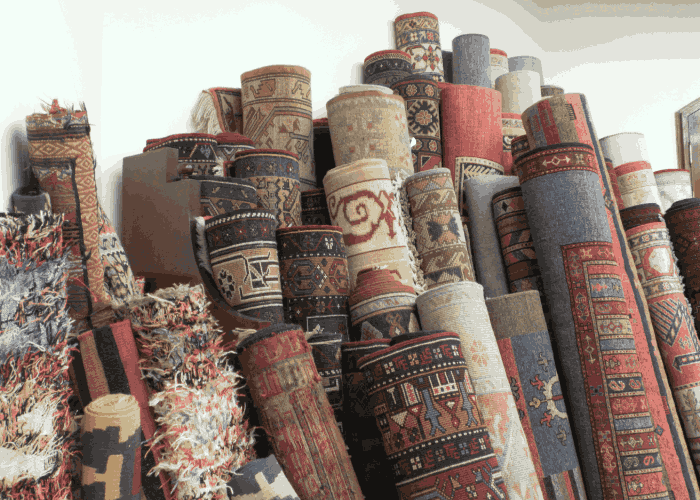
Stepping into the world of Indian carpets is like embarking on a journey through centuries of artistry, culture, and unparalleled craftsmanship. These aren’t just floor coverings; they are intricate stories woven with threads of tradition, passed down through generations of skilled artisans. From the opulent palaces of Mughal emperors to the vibrant homes of today, Indian carpets have consistently adorned spaces with their timeless beauty and luxurious appeal.
However, the modern marketplace brings a new challenge: how do you navigate the vast online landscape to find an authentic, high-quality Indian carpet that truly speaks to you? The internet offers convenience, but it also presents a dizzying array of choices, making it difficult to distinguish between a genuine masterpiece and a mass-produced imitation.
This comprehensive guide is designed to empower you with the knowledge and confidence needed to shop smart for premium Indian carpets online. We will demystify the terminology, highlight key quality indicators, and guide you through the process of selecting a carpet that not only beautifies your home but also serves as a lasting investment. Get ready to discover the perfect piece of Indian heritage for your space.
The Enduring Legacy of Indian Carpets: A Tapestry of History and Artistry
The art of carpet weaving in India boasts a rich and illustrious history, believed to have flourished significantly under the patronage of the Mughal emperors in the 16th century. Emperor Akbar, in particular, is credited with introducing Persian weavers to India, leading to a unique fusion of Persian designs with indigenous Indian motifs and techniques. This cultural exchange gave birth to some of the most exquisite carpets the world has ever seen.
Over the centuries, different regions of India developed their own distinctive styles, weaving traditions, and material preferences. Each carpet tells a story, reflecting the regional aesthetics, available resources, and the unique skills of its weavers. When you choose an Indian carpet, you’re not just buying a decorative item; you’re acquiring a piece of living history and a testament to enduring artistic legacies.
Diversity in Design and Weaving Techniques
Indian carpets are renowned for their incredible diversity, catering to a wide range of tastes and interior design schemes. You’ll find everything from intricate traditional patterns to bold contemporary statements.
- Traditional Designs: These often feature elaborate floral motifs, intricate medallions, and repeating patterns inspired by Persian gardens, Mughal architecture, and natural elements. Colors are typically rich and deep, including ruby reds, sapphire blues, emerald greens, and warm ivories.
- Transitional Designs: Blending classic elements with modern sensibilities, transitional carpets offer a sophisticated bridge between old and new. They might feature simplified traditional patterns or muted color palettes.
- Modern and Contemporary Designs: These carpets embrace abstract patterns, geometric shapes, and a broader spectrum of colors, including vibrant hues and minimalist tones. They are perfect for adding a touch of contemporary flair to any room.
Beyond design, understanding the fundamental weaving techniques is crucial for appreciating the craftsmanship and determining the value of an Indian carpet.
- Hand-Knotted: This is the pinnacle of carpet weaving. Each knot is individually tied by hand onto the warp threads, creating a dense, durable, and infinitely detailed pile. Hand-knotted carpets are true works of art and can take months or even years to complete. They are known for their longevity and often increase in value over time.
- Hand-Tufted: While also handmade, hand-tufted carpets are created using a different process. A device called a ‘tufting gun’ is used to punch yarn through a fabric backing, forming loops. Another backing is then glued on to secure the tufts. These carpets are quicker to produce and generally more affordable than hand-knotted ones, offering a good balance of luxury and value.
- Flatweave (Dhurries and Kilims): Unlike knotted or tufted carpets, flatweaves have no pile. The warp and weft threads are interwoven to create a flat, reversible fabric. Dhurries from India are particularly famous, known for their vibrant colors, geometric patterns, and lightweight nature. They are durable, easy to clean, and perfect for high-traffic areas or a more casual aesthetic.
Decoding Quality: What Makes a Premium Indian Carpet Truly Exceptional?
When you’re shopping for a premium Indian carpet, understanding the hallmarks of quality is paramount. It’s not just about the look; it’s about the materials, the construction, the dyes, and the meticulous finishing that contribute to its lasting beauty and value.
The Significance of Materials
The quality of the raw materials directly impacts a carpet’s durability, feel, and appearance. Premium Indian carpets typically utilize the finest natural fibers.
-
Wool: This is the most common and revered material for hand-knotted carpets due to its resilience, natural stain resistance, and luxurious feel.
- Indian Wool: Known for its strength and coarse texture, often used in more rustic or durable carpets.
- New Zealand Wool: Highly prized for its softness, lustrous sheen, and ability to take dyes beautifully. It contributes to a carpet’s luxurious feel and vibrant colors.
- High-Quality Blends: Sometimes, different types of wool are blended to achieve specific textures, lusters, and strengths.
Look for wool that feels soft and springy to the touch, indicating high lanolin content which protects the fibers and gives them a natural sheen.
-
Silk: Used in the finest and most luxurious carpets, silk provides an unparalleled sheen, incredible softness, and exceptional strength. Silk carpets often feature intricate details that are impossible to achieve with wool.
- Mulberry Silk: This is the highest quality silk, known for its uniform texture and brilliant luster.
A pure silk carpet is a magnificent investment, reflecting light in a way that makes its colors shift and glow.
- Cotton: Primarily used for the foundation (warp and weft) of hand-knotted carpets. Cotton provides strength, stability, and helps the carpet lie flat. In flatweave dhurries, cotton can also be the primary weaving material.
- Other Fibers: You might also find carpets made with jute, bamboo silk, or even blends of these with wool. While these can be beautiful, ensure they meet your expectations for durability and feel.
The Art of Construction: Knot Count and Weave Density
For hand-knotted carpets, the density of knots is a key indicator of quality, intricacy, and durability. It’s often measured in Knots Per Square Inch (KPSI) or Knots Per Square Centimeter (KPSC).
-
Knot Count: A higher KPSI means more knots are packed into a smaller area, resulting in a finer, more detailed design and a denser, more durable pile.
- Low KPSI (50-100): Good for rustic or informal designs, generally more affordable.
- Medium KPSI (100-250): Most common for quality handcrafted carpets, offering good detail and durability.
- High KPSI (250-500+): Indicates exceptional craftsmanship, allowing for incredibly intricate patterns and a very fine, dense pile. Silk carpets often have very high KPSI.
While KPSI is important, it’s not the only factor. The skill of the weaver, the quality of the wool, and the intricacy of the design also contribute significantly to a carpet’s overall value.
-
Type of Knots:
- Senneh (Persian) Knot: Asymmetrical, often used in finer Persian and Indian carpets, allowing for greater detail.
- Ghiordes (Turkish) Knot: Symmetrical, creating a slightly more robust and less dense pile.
For hand-tufted carpets, check for a sturdy backing and an even pile height. While they might shed a bit initially, excessive shedding is a red flag. For flatweaves, look for tight, even weaving and vibrant, colorfast dyes.
Dyeing Techniques: Natural vs. Synthetic
The dyes used significantly impact the carpet’s aesthetic and longevity.
- Natural Dyes: Derived from plants, insects, and minerals, natural dyes offer subtle variations in color, creating a beautiful ‘abrash’ (slight color variation due to different dye batches) that adds character. They are known for their ability to age gracefully, mellowing beautifully over time.
- Synthetic Dyes: Modern synthetic dyes offer a wider range of consistent colors and are often more colorfast (resistant to fading). High-quality synthetic dyes, when expertly applied, can produce stunning and durable colors.
Both have their merits. What’s crucial is that the dyes are colorfast, meaning they won’t bleed or fade significantly with exposure to light or cleaning.
The Importance of Finishing
The final touches make a premium carpet truly stand out.
- Shearing: The pile is carefully trimmed to a uniform height, revealing the pattern and creating a soft, even surface.
- Washing: Carpets undergo multiple washes to bring out the luster of the wool or silk and to set the dyes.
- Fringes: The warp threads extending from the ends of the carpet are often braided or knotted to form the fringes. These should be neat, secure, and proportionate to the carpet’s size.
Navigating the Online Marketplace: Where to Shop for Authenticity and Value
The internet offers an unparalleled selection of Indian carpets, but finding a reputable seller is key to a satisfying purchase. Not all online stores are created equal, and vigilance is essential.
Reputable Online Retailers and Marketplaces
You have several options when it comes to where to buy your carpet online:
- Specialized Carpet and Rug Stores: These retailers focus exclusively on carpets, often carrying a curated selection of high-quality pieces. They tend to have in-depth product knowledge and excellent customer service. Examples might include websites dedicated to hand-knotted rugs or specific regional Indian styles.
- Luxury Home Decor Stores: Many high-end home furnishings websites feature a selection of premium Indian carpets. These stores usually vet their suppliers carefully.
- Direct from Manufacturers/Artisans: Some Indian weaving cooperatives or individual artisans have their own online storefronts. Buying directly can sometimes offer better value and a more direct connection to the origin of your carpet.
- E-commerce Marketplaces (e.g., Etsy, Amazon, eBay): While you can find beautiful carpets here, exercise caution. These platforms host many sellers, and quality can vary wildly. Always check seller ratings, reviews, and detailed product information.
Key Indicators of a Trustworthy Online Seller
Before you commit to a purchase, thoroughly vet the seller using these guidelines:
- Detailed Product Descriptions: A reputable seller provides comprehensive information, including material composition (e.g., “100% New Zealand Wool pile on cotton foundation”), knot count (KPSI), dimensions, origin, age (if applicable), and weaving technique (hand-knotted, hand-tufted, flatweave). Vagueness is a red flag.
- High-Resolution Images and Videos: You should be able to see multiple angles of the carpet, close-ups of the knots and texture, and images of the carpet in a room setting. Some sellers even offer video tours. This helps you assess color, pattern, and quality.
- Customer Reviews and Testimonials: Look for consistent positive feedback regarding product quality, accuracy of descriptions, shipping, and customer service. Be wary of sites with no reviews or only overly positive, generic ones.
- Certifications and Ethical Sourcing: Organizations like GoodWeave International certify that carpets are made without child labor. A seller committed to ethical practices will often display such certifications. This not only assures ethical production but often implies a commitment to quality.
- Transparent Return and Refund Policies: A clear, fair return policy is crucial for online purchases. Understand the return window, who pays for return shipping, and any restocking fees. A seller confident in their product will offer a reasonable return period.
- Excellent Customer Service: Test their responsiveness. Do they answer your questions promptly and thoroughly? Good customer service indicates a seller who values their customers and stands behind their products.
- Secure Payment Gateway: Ensure the website uses secure payment processing (look for ‘https://’ in the URL and padlock icon).
Essential Considerations Before You Buy: Planning Your Perfect Carpet
Before you even click ‘add to cart’, thoughtful planning will ensure your new Indian carpet is a perfect fit for your home and lifestyle. Consider these crucial factors.
Size and Placement: Measure Twice, Buy Once
This is arguably the most critical step. An ill-sized carpet can make a room feel awkward or out of proportion.
- Measure Your Space: Use a tape measure to determine the exact dimensions of the area where you intend to place the carpet. Consider furniture placement and traffic flow.
-
Living Room:
- All Furniture On: The largest rugs allow all furniture legs (sofa, armchairs) to rest on the carpet, creating a cohesive, grounded look.
- Front Legs On: A common and versatile option where the front two legs of main furniture pieces (sofa, chairs) rest on the carpet.
- Floating: Smaller rugs that sit in the center of a seating arrangement, often with furniture completely off the rug. Best for defining a small area or layering.
- Dining Room: The carpet should be large enough so that when chairs are pulled out, their back legs still remain on the carpet. Measure your table and add at least 24-30 inches on each side.
-
Bedroom:
- Large Rug: Extends under the bed and nightstands, creating a soft landing area around the bed.
- Runners: Place one on each side of the bed for warmth and style.
- Small Rug: At the foot of the bed.
- Hallways: Runners should leave 4-6 inches of flooring visible on either side and at the beginning/end of the hall.
Style, Design, and Color Palette
Your carpet should complement your existing decor or serve as an inspiring focal point.
- Traditional: If your home has classic furnishings, ornate details, or an antique feel, a traditional Indian carpet with intricate patterns and rich colors will be a perfect match.
- Transitional: For homes that blend traditional and modern elements, a transitional carpet with simplified patterns or a muted color palette can tie the space together seamlessly.
- Modern/Contemporary: If your decor is sleek, minimalist, or features bold abstract art, opt for a modern Indian carpet with geometric designs, abstract patterns, or a clean, monochromatic scheme.
- Color Matching: Consider the dominant colors in your room (walls, furniture, curtains). Decide if you want the carpet to blend in harmoniously or provide a striking contrast. Requesting swatches if available, or using online visualization tools, can be helpful.
Budgeting for Your Investment
Premium Indian carpets represent a significant investment, but their longevity and beauty often make them worthwhile.
- Price Ranges: Hand-knotted carpets are the most expensive due to the labor and skill involved, followed by hand-tufted, and then flatweaves. Silk carpets are generally more costly than wool.
- Value vs. Cost: A high-quality hand-knotted carpet can last for generations and even appreciate in value, making it a true heirloom. A hand-tufted or flatweave offers excellent decorative value at a lower price point.
- Factor in Shipping and Import Duties: For international purchases, remember to account for shipping costs, potential import duties, and taxes, which can add significantly to the final price.
Care and Maintenance: Ensuring Longevity
A premium carpet requires appropriate care to maintain its beauty and extend its lifespan.
- Regular Vacuuming: Use a vacuum cleaner without a beater bar, or set it to a high pile setting, to gently remove dirt and dust. Vacuum more frequently in high-traffic areas.
- Professional Cleaning: Hand-knotted carpets should be professionally cleaned every 3-5 years, or as needed, by a specialist experienced in oriental rug cleaning. Avoid harsh chemical cleaners.
- Spot Cleaning: Address spills immediately by blotting (not rubbing) with a clean white cloth and mild detergent solution. Test on an inconspicuous area first.
- Rug Pads: Always use a high-quality rug pad. It prevents slipping, provides cushioning, reduces wear and tear on the carpet, and protects your flooring underneath.
- Rotate Your Carpet: Rotate your carpet every 6-12 months to ensure even wear and exposure to light.
Shipping and Returns: Understanding the Logistics
Especially when buying internationally, shipping and returns can be complex.
- Shipping Costs and Insurance: Clarify shipping costs upfront. Premium carpets should always be shipped with insurance to cover loss or damage in transit.
- Tracking: Ensure you receive a tracking number so you can monitor your carpet’s journey.
- Return Conditions: Reiterate the return policy. Are there specific conditions (e.g., original packaging, no signs of use)? How long do you have to initiate a return? Who bears the cost of return shipping?
Making Your Purchase: What to Look For on Product Pages
Once you’ve identified a potential carpet, meticulously examine its product page. This is where the seller provides all the critical details you need to make an informed decision.
Detailed Specifications are Non-Negotiable
A reputable seller will leave no stone unturned when it comes to specifications. Look for:
- Precise Dimensions: Length and width, often in both feet/inches and centimeters. Always double-check these against your measured space.
- Material Composition: Clearly stated as “100% New Zealand Wool pile on cotton foundation,” or “Pure Mulberry Silk.” Avoid vague terms like “natural fibers.”
- Knot Count (KPSI/KPSC): Essential for hand-knotted rugs. If not listed for a hand-knotted rug, ask the seller.
- Pile Height: Describes the thickness of the carpet. A higher pile is often softer, while a lower pile can be more durable for high-traffic areas.
- Origin: The specific region or city in India where the carpet was woven (e.g., “Agra, India,” “Kashmir, India”).
- Age: If it’s a vintage or antique piece, its approximate age should be provided.
- Weaving Technique: Explicitly state “hand-knotted,” “hand-tufted,” or “flatweave.”
High-Quality Imagery and Visual Aids
Since you can’t physically touch the carpet, visuals are your next best tool.
- Multiple Angles: View the carpet from different perspectives, including the front, back, and sides.
- Close-ups: High-resolution close-ups are vital to discern the knot density, texture, and intricacy of the pattern. You should be able to see individual knots.
- Room Views: Images of the carpet in various room settings can help you visualize how it might look in your own space, though remember lighting and decor will differ.
- Color Accuracy: Be aware that screen calibrations can affect color perception. Read color descriptions carefully and ask for clarification if unsure. Some sellers offer color swatches.
Certifications and Ethical Assurance
These provide peace of mind regarding the carpet’s origin and production.
- GoodWeave Certification: This is a strong indicator that the carpet was made without child labor and that ethical production standards were followed. Look for the GoodWeave label.
- Quality Assurance: Any internal quality control certifications or guarantees offered by the seller can indicate their confidence in the product.
Responsive Customer Support
Before purchasing, try reaching out to customer support with a question. Their responsiveness and helpfulness can be a good gauge of their overall service quality.
- Live Chat: Instant answers to quick questions.
- Phone Support: For more detailed inquiries.
- Email: Expect a response within a reasonable timeframe (e.g., 24-48 hours).
Warranty or Guarantee
Some premium carpet sellers offer a warranty against manufacturing defects. This adds an extra layer of protection for your investment.
A Closer Look at Popular Indian Carpet Styles
India is home to numerous weaving centers, each with its unique heritage and style. Understanding these regional distinctions can help you appreciate the diversity and choose a carpet that resonates with you.
Prominent Indian Carpet Weaving Regions and Styles
- Agra Carpets: Originating from the city of Agra, these carpets are known for their intricate Persian-inspired designs, often featuring central medallions, floral motifs, and a rich color palette. They are typically hand-knotted from high-quality wool.
- Jaipur Carpets: From the ‘Pink City’ of Jaipur, these carpets often showcase vibrant colors, traditional patterns, and sometimes geometric or tribal influences. Jaipur is also a hub for beautiful flatweave dhurries.
- Kashmiri Silk Carpets: Renowned for their exquisite beauty and incredibly high knot counts, Kashmiri carpets are often made from pure silk. They feature delicate designs, often with a Persian flair, and a shimmering luster that changes with the light.
- Bhadohi Carpets: Bhadohi is known as the “Carpet City of India” and produces a vast range of carpets, from traditional Persian and Mughal designs to modern abstract patterns. They are primarily hand-knotted wool or silk-blend carpets.
- Mirzapur Carpets: Located near Bhadohi, Mirzapur also has a strong tradition of carpet weaving, producing a similar range of styles and qualities. These carpets are often robust and durable, catering to various budgets.
- Dhurries (Rajasthan, Uttar Pradesh): These are flatweave rugs, known for their versatility, durability, and often reversible nature. They come in a myriad of colors and patterns, from bold geometrics to subtle stripes, and are typically made from cotton or wool.
To help you compare, here’s a quick overview of some popular styles:
| Carpet Style | Primary Material | Typical Weave | Key Design Characteristics | Approximate Price Range (per sq ft)* |
|---|---|---|---|---|
| Agra | Wool, sometimes Silk blends | Hand-knotted | Persian-inspired, central medallions, floral motifs, rich colors | $20 – $70+ |
| Jaipur | Wool, Cotton | Hand-knotted, Dhurrie (flatweave) | Vibrant colors, traditional patterns, geometric, tribal | $15 – $60+ |
| Kashmiri Silk | Pure Silk | Hand-knotted (very high KPSI) | Extremely fine detail, delicate Persian motifs, shimmering luster | $50 – $200+ |
| Bhadohi | Wool, Silk blends | Hand-knotted, Hand-tufted | Wide range from traditional to contemporary, diverse color palettes | $10 – $50+ |
| Mirzapur | Wool, Cotton | Hand-knotted, Hand-tufted | Robust, durable, various traditional and modern designs | $10 – $45+ |
| Dhurrie | Cotton, Wool, Jute | Flatweave | Reversible, geometric, striped, vibrant colors, lightweight | $5 – $25+ |
*Note: Price ranges are highly approximate and can vary significantly based on knot count, age, specific materials, seller, and market conditions. This table is for general guidance only.
Conclusion: Your Journey to a Timeless Treasure
Buying a premium Indian carpet online is an exciting endeavor, offering you access to a world of exquisite craftsmanship and enduring beauty. By understanding the legacy of these magnificent textiles, knowing what defines true quality, and learning how to navigate the online marketplace, you are now well-equipped to make an informed and confident purchase.
Remember to prioritize detailed product information, scrutinize high-resolution images, and always choose reputable sellers with transparent policies. Your careful consideration will not only ensure you acquire an authentic piece but also one that perfectly complements your home and brings you joy for years to come. An Indian carpet is more than just a floor covering; it is a piece of art, a slice of history, and a warm, inviting presence that transforms any space.
Embrace the journey, and you will find a timeless treasure.
Frequently Asked Questions (FAQ)
1. How do I clean my premium Indian carpet?
For routine maintenance, vacuum regularly using a vacuum cleaner without a beater bar, or with the beater bar disengaged. For spills, blot immediately with a clean, white cloth. For a thorough cleaning, it is highly recommended to engage a professional rug cleaner who specializes in hand-knotted or delicate carpets.
Avoid harsh chemicals.
2. What is knot count (KPSI/KPSC) and why is it important?
Knot count refers to the number of knots per square inch (KPSI) or square centimeter (KPSC) in a hand-knotted carpet. It’s a key indicator of a carpet’s fineness, intricacy of design, and durability. A higher knot count generally means a more detailed pattern, a denser pile, and a more valuable carpet.
3. What’s the difference between a hand-knotted and a hand-tufted carpet?
Hand-knotted carpets are created by individually tying each knot by hand onto the warp threads, making them extremely durable, detailed, and often considered heirloom quality. They take a long time to produce. Hand-tufted carpets are made by punching yarn through a fabric backing with a tufting gun, then securing it with a glued secondary backing.
They are quicker to produce and generally more affordable, offering good decorative value.
4. Are natural dyes always better than synthetic dyes?
Not necessarily. While natural dyes offer beautiful, subtle color variations and age gracefully, modern high-quality synthetic dyes can be very stable, colorfast, and offer a wider, more consistent color palette. The key is to ensure that whichever dye is used, it is of good quality and properly applied to prevent fading or bleeding.
5. How can I prevent shedding in my new carpet?
Some shedding, especially with new wool carpets, is normal and will decrease over time. To minimize shedding, vacuum regularly (without a beater bar), use a high-quality rug pad, and avoid excessive friction. If shedding is persistent or excessive, it could indicate a lower-quality carpet, particularly in hand-tufted varieties where the glue may be insufficient.
6. What if the color of the carpet looks different on my screen than in person?
Screen calibration and lighting conditions can significantly affect how colors appear online. Reputable sellers try to provide accurate images, but slight variations are possible. Always read the color descriptions carefully. If possible, ask the seller for additional