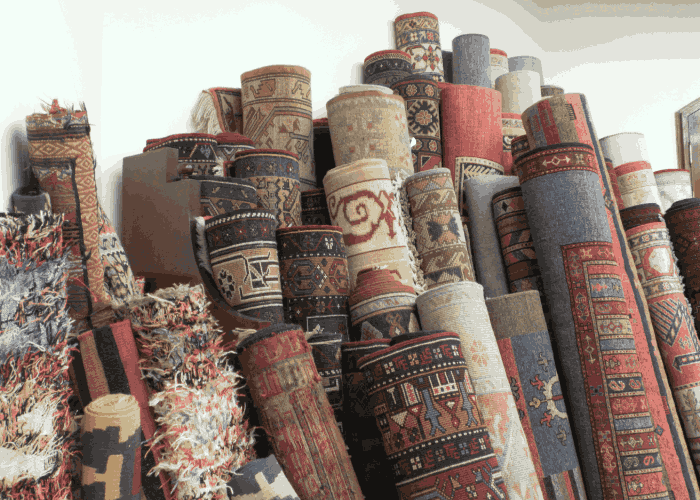
Welcome to the world where artistry meets investment, where the very fabric of your home can tell a story of centuries and craftsmanship. You are not just decorating a space; you are curating an experience, building an environment that reflects your taste and values. In this pursuit of enduring beauty, few items offer the blend of aesthetic pleasure, historical depth, and tangible value that a premium Indian carpet provides.
Imagine the subtle shift in light across a meticulously hand-knotted surface, the intricate dance of patterns that have graced royal courts and modern mansions alike. These are not mere floor coverings. They are declarations of style, testaments to human skill, and indeed, intelligent investments that transcend the fleeting whims of fashion.
This comprehensive guide invites you to look beyond temporary trends and discover the profound, timeless elegance of Indian premium carpets. You will learn why these exquisite pieces are not just purchases but truly valuable assets, enriching your home and potentially appreciating over time. Join us as we explore the heritage, craftsmanship, and investment potential that lies beneath your feet.
The Enduring Allure of Indian Carpets
Indian carpets possess a captivating history, woven into the very fabric of the nation’s cultural narrative. Their allure is rooted in a tradition stretching back centuries, a legacy passed down through generations of skilled artisans. When you acquire an Indian carpet, you are connecting with this rich tapestry of human endeavor.
A Storied History and Rich Heritage
The art of carpet weaving in India flourished significantly with the arrival of the Mughals in the 16th century. Emperors like Akbar were patrons of the arts, establishing royal workshops where Persian master weavers taught local artisans their intricate techniques. This fusion gave birth to a distinct Indian style, blending Persian motifs with indigenous designs and color palettes.
From the opulent courts of Agra and Lahore, these magnificent creations made their way into noble homes, becoming symbols of status and sophistication. Each knot tells a story, echoing the whispers of history and the dedication of countless hands. You are investing in a piece of this living history, a tangible link to a glorious past.
Cultural Significance Beyond Decoration
Indian carpets are more than just decorative items; they embody significant cultural meaning. They reflect the diverse traditions, beliefs, and artistic expressions found across the subcontinent. The motifs often carry symbolic weight, representing prosperity, fertility, protection, or spiritual enlightenment.
Owning such a piece allows you to bring a fragment of this rich cultural tapestry into your personal sanctuary. It’s an opportunity to appreciate the profound artistry that has shaped Indian identity for generations. You become a custodian of this heritage.
The Paradox of Tradition and Modernity in Design
What makes Indian premium carpets uniquely appealing is their remarkable ability to bridge the gap between tradition and modernity. While rooted in ancient techniques and classic designs, contemporary Indian weavers continue to innovate. They reinterpret traditional motifs or create entirely new patterns that resonate with modern aesthetics.
This versatility means that whether your home is adorned with classic antiques or sleek, minimalist furniture, an Indian premium carpet can seamlessly integrate and elevate the space. You can find pieces that are both deeply traditional and surprisingly contemporary, offering endless possibilities for your design vision. This adaptability ensures their enduring relevance in any era.
What Defines a “Premium” Indian Carpet?
Not all carpets are created equal, and understanding what elevates an Indian carpet to “premium” status is crucial for any discerning investor. It’s a combination of meticulous craftsmanship, superior materials, and exceptional design integrity. These elements collectively contribute to a carpet’s beauty, durability, and long-term value.
Hand-Knotted Craftsmanship: The Heart of Value
The most significant differentiator of a premium Indian carpet is its hand-knotted construction. This ancient technique is incredibly labor-intensive, with each knot individually tied by skilled artisans. This process imbues the carpet with unparalleled strength, longevity, and a unique character that machine-made alternatives simply cannot replicate.
The Labor-Intensive Process
Imagine a team of weavers spending months, or even years, meticulously tying hundreds of thousands, or even millions, of knots. Each knot is a deliberate act, a small brushstroke in a grand masterpiece. This human touch results in slight imperfections that are not flaws but rather marks of authenticity and individuality.
You are investing in countless hours of dedicated human artistry, a legacy of skill passed down through generations. This is a stark contrast to mass-produced carpets, which are quickly churned out by automated machinery. The human element is what truly makes these carpets special.
Knots Per Square Inch (KPSI): A Key Indicator
The density of knots per square inch (KPSI) is a primary measure of a hand-knotted carpet’s quality and value. Generally, a higher KPSI indicates a finer weave, more intricate detail, and superior durability. It signifies more material and more labor invested in the carpet.
While there’s no single “best” KPSI, a premium wool carpet might start around 100-150 KPSI and go much higher. Silk carpets, due to the fineness of the fiber, can reach KPSI counts of 500, 1000, or even more, allowing for astonishingly intricate designs. When evaluating a carpet, always inquire about its KPSI.
The Skill of the Artisan
The skill and experience of the weaver are paramount. Master weavers possess an intimate understanding of color, pattern, and tension. Their expertise ensures consistency in knotting, precise execution of design elements, and a flawless finish. This craftsmanship is what transforms raw materials into a work of art.
You are benefiting from a lineage of specialized knowledge, honed over decades. This expertise guarantees that your carpet is not just a product, but a testament to human ingenuity and dedication. The artisan’s touch is irreplaceable.
Superior Materials: From Fleece to Floor
The quality of the raw materials used directly impacts a carpet’s appearance, feel, and longevity. Premium Indian carpets utilize the finest natural fibers, carefully selected for their inherent strengths and aesthetic qualities. These materials are chosen for their ability to withstand the test of time.
Wool: The Foundation of Durability
Wool is the most common and versatile material for hand-knotted carpets, prized for its durability, resilience, and natural lanolin content. This lanolin provides a natural resistance to stains and dirt. Premium Indian carpets often use high-quality wools like Merino, Ghazni, or Bikaner, known for their strength and lustrous sheen.
The type of wool, its staple length, and how it’s spun all contribute to the carpet’s overall quality. You will feel the difference in a soft, springy pile that bounces back, rather than a coarse, brittle one. This ensures your carpet will look beautiful for many years.
Silk: The Epitome of Luxury
For the ultimate in luxury and fine detail, silk is unparalleled. Silk carpets boast an incredible sheen that changes with the light, creating a dynamic visual experience. The strength and fineness of silk fibers allow for exceptionally high knot densities, enabling weavers to create designs of breathtaking intricacy.
Silk carpets are often more delicate than wool and are typically reserved for areas with less foot traffic or displayed as wall hangings. However, their beauty and investment potential are undeniable. You are acquiring a piece of pure opulence.
Cotton: Foundational Strength
While not visible in the pile, cotton is frequently used for the warp and weft (the foundation) of Indian carpets. Its strength, stability, and resistance to stretching provide the crucial structural integrity that allows a hand-knotted carpet to retain its shape and endure for generations. Cotton ensures the carpet lays flat and true.
Natural Dyes vs. Synthetic
Traditional premium carpets often use natural dyes derived from plants, insects, and minerals. These dyes produce a rich, subtle palette that ages beautifully, developing a coveted patina over time. They also tend to be more colorfast and environmentally friendly.
While modern synthetic dyes have improved significantly, natural dyes are still highly valued for their depth of color and historical authenticity. When considering an investment piece, inquire about the dye type. Natural dyes often indicate a higher level of craftsmanship and authenticity.
Exquisite Design and Artistry
The visual appeal of an Indian premium carpet is a testament to its design and artistry. From time-honored motifs to innovative contemporary patterns, the aesthetic quality is paramount. These designs are not merely decorative; they are narratives woven into fiber.
Traditional Motifs and Their Influences
Indian carpet designs frequently draw inspiration from Persian artistry, incorporating classic motifs like the Tree of Life, intricate floral patterns (often stylized lotus, palmette, and rosette), medallions, and animal figures. These designs are then adapted with an Indian sensibility, featuring bolder colors or distinct regional interpretations.
The paisley motif, for example, while having Persian roots, became deeply ingrained in Indian textile art. Understanding these motifs adds another layer of appreciation to your carpet. You are engaging with a visual language that has evolved over centuries.
Regional Variations: A Tapestry of Styles
India’s vast geography and diverse cultures have given rise to distinct regional weaving styles. Kashmiri carpets are renowned for their intricate Persianate designs and often feature silk. Jaipur carpets are famous for their vibrant colors and traditional Mughal patterns. Agra carpets are known for their elegant, often more open designs. Bhadohi, a major weaving center, produces a wide range of qualities and designs.
Exploring these regional differences allows you to find a carpet that not only appeals to your aesthetic but also connects you to a specific cultural heritage. Each region offers a unique flavor.
Contemporary Designs: Blending Tradition with Modern Aesthetics
While honoring tradition, many premium Indian carpet manufacturers also embrace contemporary design. They might simplify classic motifs, experiment with abstract patterns, or introduce modern color palettes. These carpets bridge the gap between historical elegance and twenty-first-century living.
This innovation ensures that Indian premium carpets remain relevant and desirable in diverse interior design schemes. You can find a carpet that feels both timeless and perfectly suited to your modern home. It’s a testament to the adaptability of this art form.
Why Indian Premium Carpets are a Smart Investment
Investing in a premium Indian carpet is not just about acquiring a beautiful object; it’s about making a wise financial and aesthetic decision. These carpets offer tangible and intangible returns that set them apart from ephemeral decor trends. You are buying more than a carpet; you are buying a legacy.
Appreciation in Value: A Tangible Asset
Unlike many consumer goods that depreciate the moment they leave the store, high-quality, hand-knotted carpets have a proven track record of appreciating in value. They are considered tangible assets, much like fine art or antiques. This is particularly true for rare, antique, or exceptionally well-crafted pieces.
Scarcity of True Hand-Knotted Pieces
The world is increasingly mechanized, and the number of skilled artisans capable of creating truly exceptional hand-knotted carpets is dwindling. This scarcity naturally drives up the value of authentic pieces. As fewer new masterworks are produced, existing ones become more coveted.
You are investing in a craft that is becoming increasingly rare, making your piece potentially more valuable over time. This rarity is a key factor in their investment potential.
Increasing Demand for Authentic Craftsmanship
In a market saturated with mass-produced items, there is a growing appreciation for authenticity, craftsmanship, and sustainability. Consumers and collectors are actively seeking out items with a story, made with integrity and skill. Premium hand-knotted carpets perfectly fit this demand.
This shift in consumer values underpins the long-term investment potential of these unique pieces. You are aligning with a global movement towards quality over quantity.
Historical Examples of Carpets Appreciating
Auction houses frequently feature antique and vintage carpets fetching significant sums, often far exceeding their original purchase price. While not every carpet will become a million-dollar antique, well-chosen premium pieces consistently hold and often increase their value. This historical data supports their classification as an investment.
You can research past sales to understand the market trends. This demonstrates that your investment is grounded in a well-established tradition of value appreciation.
Durability and Longevity: An Heirloom for Generations
A premium hand-knotted carpet is not just built for a few years; it’s built for generations. Their robust construction and high-quality materials ensure they withstand the test of time, becoming cherished family heirlooms. This longevity makes them incredibly cost-effective in the long run.
Built to Last: Proper Care Ensures Decades, Even Centuries
The intricate knotting technique creates an incredibly dense and durable pile that resists wear and tear. With proper care – regular vacuuming, occasional professional cleaning, and protection from direct sunlight – your carpet can easily last for 50, 100, or even 200 years. They are designed for endurance.
You are acquiring an item that will serve your family for generations, a testament to its inherent quality. This durability is a hallmark of premium craftsmanship.
Comparison to Mass-Produced Alternatives
Contrast this with machine-made or tufted carpets, which typically have a lifespan of 5-15 years before showing significant wear. These alternatives often use synthetic fibers and adhesives that degrade over time. A premium hand-knotted carpet offers superior value per year of use.
You are choosing longevity and sustainability over planned obsolescence. This decision reflects a commitment to lasting quality.
Timeless Aesthetic Appeal: Beyond Fleeting Fads
One of the most compelling reasons to invest in a premium Indian carpet is its timeless beauty. Classic designs and natural color palettes transcend fleeting interior design trends, ensuring your carpet remains stylish and relevant regardless of changing fashions. It’s an anchor in an ever-shifting design landscape.
Classic Designs Never Go Out of Style
The enduring popularity of traditional motifs and patterns is a testament to their universal appeal. These designs have been refined over centuries, achieving a harmony and balance that resonates across cultures and eras. They possess an innate elegance that is always in vogue.
You can be confident that your investment will continue to enhance your home’s aesthetic for decades to come. This timelessness is a key component of its lasting value.
Versatility in Various Decor Schemes
Surprisingly, many traditional Indian carpets are incredibly versatile. A classic Persianate design can look stunning in a traditional, antique-filled room, but it can also provide a warm, textural contrast in a minimalist, modern setting. The rich colors and intricate patterns add depth and character to any space.
This adaptability means your carpet can evolve with your decorating tastes over the years. You can easily move it between rooms or homes, and it will always find its place.
The “Soul” an Antique Carpet Brings
There’s an undeniable “soul” that an antique or vintage hand-knotted carpet brings to a room. The subtle wear, the softened colors, the history embedded in its fibers — these elements create a sense of warmth, character, and gravitas that new items simply cannot replicate. It’s an object with a story.
You are not just buying a carpet; you are buying a piece of history that adds depth and personality to your home. This intangible quality is often what truly captivates collectors.
Environmental and Ethical Considerations
Investing in premium Indian carpets often aligns with important environmental and ethical values. You are supporting sustainable practices and empowering artisan communities, making your purchase a conscious and responsible choice. This adds another layer of value to your investment.
Sustainable Production: Natural Materials, Traditional Methods
Hand-knotted carpets typically use natural, renewable materials like wool, silk, and cotton. The production process is largely manual, consuming far less energy than industrial manufacturing. Natural dyes, when used, are biodegradable and less harmful to the environment.
You are choosing a product with a significantly lower environmental footprint than synthetic, machine-made alternatives. This makes your investment a responsible one.
Support for Artisan Communities
The purchase of hand-knotted carpets directly supports skilled artisans and their families in weaving communities. It helps preserve traditional crafts, provides sustainable livelihoods, and prevents the loss of invaluable cultural heritage. Your investment has a real, positive impact on people’s lives.
You are contributing to the continuation of a beautiful art form and supporting equitable trade practices. This ethical dimension adds significant meaning to your ownership.
Navigating Your Investment: What to Look For
Making an informed investment requires a keen eye and a solid understanding of quality indicators. When you are ready to choose your premium Indian carpet, knowing what to evaluate will ensure you select a piece that truly holds its value and brings lasting joy. Here’s what you should scrutinize.
Understanding Quality Indicators
Several technical aspects contribute to a carpet’s overall quality and investment potential. Familiarizing yourself with these indicators will empower you to make an educated decision. You should feel confident in your assessment.
KPSI (Knots Per Square Inch): Detailed Explanation and Importance
As mentioned earlier, KPSI is paramount. To check KPSI, gently fold back a corner of the carpet’s pile to expose the foundation. Count the number of knots along one inch vertically and one inch horizontally, then multiply these two numbers. A higher KPSI indicates finer detail, greater durability, and more labor.
For example, a carpet with 10 knots per inch vertically and 10 knots per inch horizontally has 100 KPSI. A higher KPSI often means a higher price, but also a higher quality carpet. You are paying for the density of craftsmanship.
Pile Height and Density
The pile is the surface of the carpet. A dense pile, where the fibers are packed closely together, is a sign of quality. It feels luxurious underfoot and is more resistant to crushing and wear. You can test density by pressing your fingers into the pile; if you can easily feel the backing, it’s less dense.
Pile height can vary, from short, tight piles that offer crisp detail to longer, shaggier piles for a plush feel. Neither is inherently superior, but density is always key.
Backing and Fringe Quality
Examine the back of the carpet. In a hand-knotted piece, the pattern on the back should be a mirror image of the front, though less distinct. The knots should be uniformly tied, and the foundation (warp and weft) should be tight and even.
The fringes are an extension of the warp threads. They should be securely attached, evenly braided or woven, and free from excessive fraying. Fringes often indicate the overall care and quality of the weaving.
Material Assessment
The sensory experience of a carpet – how it looks and feels – is intrinsically linked to its materials. Learning to assess these materials is vital. You should feel the quality.
Feeling the Wool/Silk
For wool carpets, rub your hand against the pile. It should feel soft, resilient, and slightly oily (due to lanolin). High-quality wool will spring back when compressed. For silk, it should feel incredibly smooth, cool to the touch, and exhibit a brilliant, shifting luster.
Avoid carpets with a dry, brittle, or excessively coarse feel, as this may indicate lower quality fibers or damage. Your hands are excellent tools for this assessment.
Color Fastness and Dye Consistency
Gently rub a damp white cloth on a small, inconspicuous area of the carpet. If color transfers significantly, the dyes may not be colorfast, meaning they could bleed when cleaned or fade unevenly. Also, observe the colors for consistency. While natural dyes can have slight variations (abrash), significant splotches or uneven fading are red flags.
You want colors that will remain vibrant and true for years to come. This ensures the carpet’s aesthetic integrity.
Design Integrity and Rarity
Beyond technical quality, the artistic merit and uniqueness of a carpet significantly influence its investment potential. You are looking for a piece that stands out.
Symmetry and Consistency in Pattern
In a well-made carpet, the design elements should be symmetrical (if intended) and consistent throughout. Lines should be straight (or smoothly curved), and motifs should be repeated accurately. Minor variations are acceptable and characteristic of hand-made items, but glaring inconsistencies suggest less careful craftsmanship.
Take a step back and view the entire carpet to assess its overall balance and harmony. This holistic view is crucial.
Unique or Rare Designs
While classic designs are timeless, carpets featuring particularly unique, rare, or innovative designs can command higher value among collectors. Researching common patterns will help you identify what might be truly distinctive. Pieces that deviate from the norm while maintaining elegance can be excellent investments.
You are seeking a piece that tells its own unique story, one that is not easily replicated. This individuality adds significant appeal.
Age and Provenance
For antique or vintage carpets, age and provenance (the history of ownership) are critical. A carpet with a documented history, especially if it belonged to a notable collector or was featured in an exhibition, will be more valuable. Age often enhances the beauty and deepens the colors of a carpet.
Always ask for any available documentation or history when considering an older piece. This information adds to its authenticity and value.
Reputable Dealers and Certification
Perhaps the most crucial aspect of navigating your investment is choosing the right source. A trustworthy dealer is your best ally. You need to build a relationship based on trust and expertise.
The Importance of Trust and Expertise
Purchase from a dealer who specializes in hand-knotted carpets, has a long-standing reputation, and possesses deep knowledge of Indian weaving traditions. A good dealer will be transparent about the carpet’s origin, materials, and knot count. They should answer all your questions patiently and thoroughly.
Their expertise will guide you toward a sound investment. You are relying on their integrity and experience.
Certificates of Authenticity
For significant investments, a certificate of authenticity from the dealer is highly recommended. This document should detail the carpet’s origin, materials, knot count, dimensions, and approximate age. It serves as proof of your carpet’s quality and characteristics.
This certificate provides peace of mind and is essential for insurance purposes or future resale. It’s a vital piece of your investment portfolio.
After-Sales Service
A reputable dealer often provides excellent after-sales service, including advice on care, cleaning, and even repair referrals. This ongoing support can be invaluable in maintaining your carpet’s condition and value over its long lifespan.
You are not just making a transaction; you are entering into a long-term relationship with a knowledgeable partner. This support ensures your investment is well-protected.
To help you understand the tangible aspects of value, consider the following general guide relating material, knot density, and their impact on a carpet’s investment potential and durability:
| Material Type | Typical KPSI Range | Durability (General) | Investment Potential | Aesthetic Qualities |
|---|---|---|---|---|
| Fine Wool (e.g., Merino, Ghazni) | 100-300+ | Excellent (Decades to Centuries) | High (Appreciates with age/rarity) | Softness, rich matte colors, excellent pattern clarity |
| Wool & Silk Blend | 200-500+ | Very Good (Many Decades) | Very High (Luxurious, detailed) | Enhanced sheen, intricate detailing, luxurious feel |
| Pure Silk | 400-1200+ | Good (Delicate, but long-lasting if cared for) | Exceptional (Highly valued for fineness) | Unparalleled sheen, incredibly fine detail, exquisite feel |
| Cotton (foundation only) | N/A (Foundation) | Excellent (Provides structural integrity) | Indirect (Crucial for overall carpet longevity) | Not visible, but essential for shape and stability |
This table illustrates how material and knot density directly correlate with a carpet’s quality, durability, and ultimately, its potential as a lasting investment.
Caring for Your Investment: Preserving Value
Once you have made the wise decision to invest in a premium Indian carpet, proper care becomes paramount. Your diligence in maintenance will not only preserve its beauty but also protect its long-term value. Think of it as caring for any other valuable asset.
Regular Maintenance: Simple Steps for Longevity
Everyday care is straightforward and crucial for preventing dirt and wear from accumulating. These simple habits will make a big difference. You are actively contributing to its preservation.
Vacuuming Techniques
Vacuum your carpet regularly, at least once a week for high-traffic areas and less frequently for low-traffic ones. Use a vacuum cleaner with adjustable height settings and disable the beater bar, as it can damage the pile and fringes of a hand-knotted carpet. Vacuum in the direction of the pile to avoid fuzzing.
Flip the carpet over and vacuum the back occasionally. This helps dislodge embedded dirt that has fallen through to the foundation.
Spot Cleaning
Address spills immediately. Blot, do not rub, with a clean white cloth or paper towel. For more stubborn stains, use a mild, pH-neutral carpet cleaner specifically designed for wool or silk, testing it on an inconspicuous area first. Always follow the product instructions carefully.
Avoid harsh chemicals or excessive scrubbing, which can damage fibers or dyes. Prompt action is key to preventing permanent stains.
Professional Cleaning: When and Why
Even with diligent regular maintenance, hand-knotted carpets require periodic professional cleaning. This specialized service goes beyond surface cleaning. You should trust this task only to experts.
Specialized Methods for Hand-Knotted Carpets
Professional cleaners specializing in oriental and hand-knotted carpets understand the unique construction and dye characteristics of these pieces. They use gentle, hand-washing techniques and specialized equipment that effectively remove deep-seated dirt without damaging the fibers or causing color bleed. This is a delicate process.
They can also assess the carpet’s condition and recommend any necessary minor repairs. You are investing in their expertise.
Avoiding Harsh Chemicals
A professional cleaner will use appropriate cleaning agents that are safe for natural fibers and dyes. Avoid using steam cleaners, chemical dry cleaning, or harsh detergents, as these can strip natural oils from wool, damage silk, or cause irreversible dye migration. These methods are simply too aggressive.
Always consult with a professional before attempting any deep cleaning yourself. Their advice is invaluable.
Storage and Protection
Proper protection from environmental factors and pests is essential, especially if you need to store your carpet. These measures safeguard its integrity. You are creating a safe haven for your investment.
Sunlight, Moisture, Pests
Protect your carpet from prolonged direct sunlight, which can cause colors to fade unevenly. Rotate your carpet periodically to ensure even wear and exposure. Avoid placing it in areas with high humidity, as moisture can lead to mold and mildew.
Regularly inspect for signs of moth activity, especially in wool carpets. Cedar blocks or lavender sachets can act as natural deterrents. Prevention is always better than cure.
Proper Rolling and Storage
If storing your carpet, always roll it tightly with the pile facing outwards, never fold it, as folding can create permanent creases and damage the foundation. Wrap the rolled carpet in a breathable fabric (like cotton sheeting), never plastic, which can trap moisture. Store it in a clean, dry, pest-free environment.
Elevate the carpet off the floor to prevent moisture absorption. This careful storage ensures it remains in pristine condition.
Repairs and Restoration: Expert Hands Only
Minor damage can often be repaired, but it requires specialized skills. Entrusting repairs to untrained individuals can cause more harm than good. You need true artisans for this work.
Minor Repairs vs. Major Restoration
Small fraying, minor unraveling, or damaged fringes can often be repaired by a skilled carpet restorer. These repairs, when done correctly, can prevent further damage and maintain the carpet’s value. Early intervention is always best.
Major restoration, such as re-knotting significant areas of loss, is a highly specialized and costly process, typically reserved for truly antique or exceptionally valuable pieces. You should always consult an expert for an assessment.
Finding Skilled Restorers
Ask your reputable carpet dealer for recommendations for professional carpet restorers. These individuals possess the intricate knowledge of weaving techniques, materials, and dyes necessary to seamlessly repair hand-knotted carpets. Their work is an art in itself.
A skilled restorer can breathe new life into a damaged carpet, preserving its beauty and value for future generations. You are securing its legacy.
Conclusion
You have journeyed through the rich history, intricate craftsmanship, and compelling investment potential of Indian premium carpets. These are not merely decorative items for your home; they are profound expressions of art, enduring symbols of heritage, and tangible assets that promise both aesthetic pleasure and financial appreciation. By choosing a hand-knotted Indian carpet, you are making a deliberate statement about quality, authenticity, and timeless elegance.
You are investing in a legacy that transcends fleeting trends, a piece of art that tells a