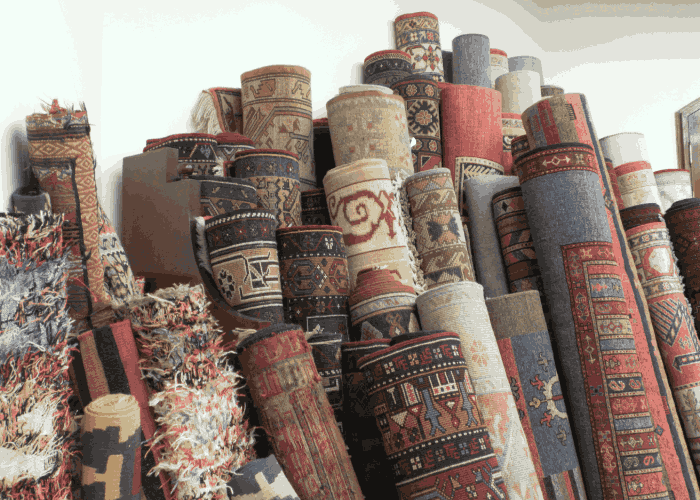
Step into a world where every fiber tells a story, where centuries of tradition are meticulously woven into breathtaking works of art beneath your feet. India, a land renowned for its vibrant culture and exquisite craftsmanship, offers an unparalleled journey into the realm of premium carpets.
You are not just looking for a floor covering; you are seeking a statement piece, an heirloom, a testament to enduring beauty and skill. This comprehensive guide will take you deep into the heart of India’s most luxurious carpet collections, revealing the secrets behind their unparalleled quality and timeless appeal.
Prepare to discover the intricate processes, the luxurious materials, and the dedicated artisans who transform mere threads into magnificent tapestries of comfort and elegance. We invite you to explore the artistry underfoot, a world waiting to transform your living spaces.
A Legacy Woven in Time: India’s Rich Carpet Heritage
India’s relationship with carpets is as old as its storied history, a saga rich with cultural exchange and artistic evolution. The very mention of Indian carpets evokes images of intricate patterns and vibrant hues, deeply rooted in a heritage that spans centuries.
This legacy is not merely about weaving; it is about preserving a profound artistic tradition passed down through generations. You will find that each carpet carries echoes of the past, infused with the spirit of the present.
The Genesis of Indian Carpets
The art of carpet weaving in India received a significant impetus during the Mughal era, particularly under Emperor Akbar in the 16th century. He brought Persian weavers to India, establishing royal workshops and blending indigenous aesthetics with Persian techniques.
This fusion gave birth to a distinctive Indian style, characterized by a unique interplay of floral motifs, intricate medallions, and a rich color palette. The craft flourished, becoming a symbol of opulence and artistic refinement.
Over time, various regions developed their own unique weaving styles and patterns. These regional specializations contribute to the incredible diversity you see in Indian carpet collections today.
More Than Just Floor Coverings
For centuries, carpets in India were more than just utilitarian items; they were central to royal courts and noble homes. They served as symbols of status, wealth, and sophisticated taste.
These luxurious textiles were often commissioned for palaces, mosques, and important ceremonies, reflecting the grandeur of the era. They transformed cold stone floors into warm, inviting spaces, dampening sound and adding unparalleled beauty.
Today, a premium Indian carpet continues this tradition, offering you not just comfort but also a tangible connection to a rich cultural heritage. You are investing in a piece of living history, an art form that speaks volumes.
The Hallmarks of Premium Indian Carpets: What Sets Them Apart
When you consider a premium Indian carpet, you are looking at a product defined by exceptional quality and meticulous attention to detail. Several key characteristics elevate these carpets far beyond ordinary floor coverings.
Understanding these hallmarks will help you appreciate the true value and artistry inherent in each piece. You will recognize the difference that true craftsmanship makes.
Unparalleled Craftsmanship and Hand-Knotting Excellence
The defining feature of most premium Indian carpets is their hand-knotted construction. This ancient technique involves individual knots being tied by hand onto a warp foundation, a process that is incredibly labor-intensive and requires immense skill.
Artisans, often with generations of weaving knowledge, meticulously follow intricate designs, knot by knot. This painstaking process results in a rug with unparalleled durability, intricate detail, and a unique textural depth that machine-made carpets cannot replicate.
The density of these knots, measured in knots per square inch (KPSI), is a key indicator of quality. A higher KPSI means a finer, more detailed design and a more durable carpet, offering you a truly superior product.
Luxurious Materials: From Silk to Finest Wools
The choice of material significantly impacts a carpet’s look, feel, and longevity. Premium Indian carpets utilize only the finest natural fibers, ensuring both beauty and resilience.
- Silk: Often sourced from Kashmir, Indian silk carpets are renowned for their exquisite sheen, incredibly soft texture, and ability to capture intricate details. Silk is exceptionally strong for its fineness, making these carpets both delicate and durable. You will find that a silk carpet adds an unparalleled touch of luxury and sophistication to any room.
- Wool: High-quality wool, such as New Zealand wool or fine Indian wool, is a staple in premium carpet weaving. Wool is naturally resilient, stain-resistant, and incredibly soft underfoot. It offers excellent insulation and can withstand heavy foot traffic, making it a practical yet luxurious choice for your home.
- Blends: Sometimes, wool and silk are blended to combine the best qualities of both fibers. This can result in a carpet that offers the durability and body of wool with the lustrous highlights of silk, providing you with a unique aesthetic and tactile experience.
These natural fibers ensure that your carpet not only looks magnificent but also feels wonderful and lasts for many years.
Exquisite Designs and Diverse Aesthetics
Indian premium carpets are celebrated for their vast array of designs, catering to every aesthetic preference. You can find everything from timeless traditional patterns to cutting-edge contemporary motifs.
- Traditional Motifs: Drawing inspiration from Persian, Mughal, and regional Indian art, these designs often feature elaborate floral patterns, central medallions, tree-of-life motifs, and intricate borders. They bring a sense of history and grandeur to your space.
- Modern Interpretations: Contemporary Indian carpets embrace abstract art, geometric patterns, and minimalist aesthetics. These designs often use bold colors or subtle monochromatic palettes, perfectly complementing modern interior design schemes. You can find a carpet that acts as a stunning focal point or a harmonious backdrop.
- Customization: Many premium manufacturers offer bespoke services, allowing you to create a carpet tailored precisely to your vision. You can choose specific colors, patterns, materials, and sizes, ensuring your carpet is truly one-of-a-kind.
This diversity means you are sure to find a design that perfectly resonates with your personal style and enhances your home’s decor.
Durability and Longevity: An Investment, Not Just a Purchase
A premium hand-knotted Indian carpet is an investment designed to last for generations. The meticulous hand-knotting process and the use of high-quality natural fibers contribute significantly to their robustness.
Unlike mass-produced carpets, these pieces are built to endure, often becoming cherished family heirlooms. With proper care and maintenance, your Indian carpet will not only retain its beauty but may even appreciate in value over time.
You are purchasing a product that offers lasting beauty and functionality, a true testament to sustainable luxury.
Journey Through India’s Premier Carpet Weaving Hubs
India’s carpet industry is highly regionalized, with specific areas developing distinct styles and specializations. Each hub offers a unique contribution to the world of premium carpets, reflecting local traditions and available resources.
Exploring these regions will give you a deeper understanding of the diverse craftsmanship available. You will discover the unique characteristics that define carpets from each distinct locale.
Kashmir: The Epitome of Silk Carpet Luxury
When you think of luxury silk carpets, Kashmir immediately comes to mind. Nestled in the Himalayan foothills, Kashmir is world-renowned for its exquisite hand-knotted silk rugs, considered among the finest globally.
Kashmiri carpets are characterized by their incredibly high knot counts, intricate Persian-inspired designs, and a lustrous sheen that changes with the light. The delicate nature of silk allows for exceptionally fine detailing, capturing nuances that are impossible with other materials.
Weavers in Kashmir often use vibrant, jewel-toned dyes, creating breathtaking patterns that can range from traditional hunting scenes to intricate floral motifs. Owning a Kashmiri silk carpet means possessing a piece of art that radiates elegance and sophistication.
Bhadohi-Mirzapur Belt (Uttar Pradesh): The Carpet Capital
The Bhadohi-Mirzapur region in Uttar Pradesh is often referred to as India’s “Carpet City” or “Carpet Belt.” This area is a powerhouse of carpet production, responsible for a significant portion of India’s carpet exports.
Here, you will find an incredible diversity of carpet types, including hand-knotted, hand-tufted, and flatweave (durrie) constructions. While wool is a primary material, cotton and various blends are also widely used.
The artisans of Bhadohi are known for their adaptability, producing both traditional Persian-style designs and innovative contemporary patterns. This region is a testament to the scale and versatility of Indian carpet manufacturing, offering you a wide range of choices.
Jaipur (Rajasthan): A Kaleidoscope of Colors and Patterns
Jaipur, the “Pink City” of Rajasthan, is famous for its vibrant culture and exquisite textiles, including its distinctive carpets. Jaipur rugs, particularly its hand-knotted wool rugs and flatweave durries, are instantly recognizable.
These carpets often feature bold, geometric patterns and a riot of colors, reflecting the lively spirit of Rajasthan. Traditional Rajasthani motifs are frequently incorporated, giving these rugs a unique regional identity.
Jaipur’s carpet industry beautifully blends age-old weaving techniques with modern design sensibilities. You will find carpets that bring a burst of color and a touch of bohemian chic to your living spaces.
Agra (Uttar Pradesh): Mughal Grandeur Revisited
Agra, home to the iconic Taj Mahal, has a long and illustrious history of carpet weaving, closely tied to the Mughal emperors. Agra carpets are known for their classic elegance and reverence for traditional Mughal designs.
These carpets often feature intricate floral patterns, arabesques, and central medallions, rendered in sophisticated color palettes. Fine wool and silk blends are commonly used, offering a luxurious feel and exceptional durability.
If you appreciate timeless beauty and historical grandeur, Agra carpets offer a refined aesthetic that harks back to India’s golden age of craftsmanship. They are perfect for creating an atmosphere of classic luxury.
The Ethical and Sustainable Side of Indian Carpet Manufacturing
In today’s world, conscious consumption is more important than ever. When you choose a premium Indian carpet, you are often supporting an industry that is increasingly committed to ethical practices and sustainability.
This commitment ensures that your beautiful carpet is not just a treat for your eyes but also a product with a positive impact. You can feel good about your purchase, knowing it aligns with responsible values.
Empowering Artisans and Preserving Heritage
Many premium carpet manufacturers in India are dedicated to fair trade practices. This means ensuring fair wages, safe working conditions, and access to education and healthcare for their artisans.
By investing in these carpets, you are directly supporting local communities and helping to preserve an invaluable traditional art form. You contribute to the livelihoods of skilled weavers who keep this ancient craft alive for future generations.
This ethical approach ensures that the human hands behind your carpet are respected and valued.
Eco-Friendly Practices and Natural Materials
The use of natural fibers like wool and silk means that premium Indian carpets are inherently more sustainable than synthetic alternatives. These materials are renewable, biodegradable, and have a lower environmental impact.
Many manufacturers also employ natural dyes, reducing the use of harsh chemicals. The hand-knotting process itself is low-energy, relying primarily on human skill rather than heavy machinery.
Furthermore, the exceptional longevity of a hand-knotted carpet means it will last for decades, reducing waste and the need for frequent replacements. You are making an environmentally sound choice that benefits both your home and the planet.
Choosing Your Perfect Premium Indian Carpet: A Buyer’s Guide
Selecting a premium Indian carpet is an exciting journey, but it can also feel overwhelming with the sheer variety available. This guide will help you navigate the choices, ensuring you find the perfect carpet for your space and lifestyle.
Consider these factors carefully to make an informed decision that you will cherish for years to come. You deserve a carpet that perfectly complements your home and personal taste.
Understanding Knot Density and Construction
As mentioned earlier, knot density (KPSI) is a crucial indicator of quality in hand-knotted carpets. Higher KPSI generally means finer detail, more complex patterns, and greater durability.
When examining a carpet, you can usually tell the knot density by looking at the back of the rug. A tighter, more uniform pattern on the back indicates a higher knot count and superior craftsmanship.
While hand-knotted rugs are the pinnacle of premium, you might also encounter hand-tufted or flatweave (durrie) options. Hand-tufted rugs are made by punching yarn into a fabric base, while flatweaves are woven without a pile. Each has its own aesthetic and use, so consider what best suits your needs.
Material Matters: Silk, Wool, or Blends?
Your choice of material will significantly influence the carpet’s feel, appearance, and suitability for different areas of your home. Think about where the carpet will be placed and how it will be used.
- Silk: Ideal for low-traffic areas like bedrooms, formal living rooms, or as a decorative wall hanging. Its luxurious sheen and softness are unmatched, but it requires more delicate care.
- Wool: An excellent choice for high-traffic areas like living rooms, dining rooms, and hallways. Wool is durable, resilient, and naturally stain-resistant, offering warmth and comfort.
- Blends: A silk-wool blend can offer a balance of durability and luxurious sheen, suitable for various settings. Consider the proportion of each fiber to understand its dominant characteristics.
Think about the desired texture and the practical requirements of your space when making this important decision.
Design and Color Palette: Harmonizing with Your Space
The design and color of your carpet will set the tone for your entire room. Consider your existing decor, furniture, and wall colors.
- Traditional: If your home has classic furnishings or a more formal aesthetic, a traditional Indian carpet with intricate patterns and rich colors will be a perfect match.
- Contemporary: For modern, minimalist, or eclectic interiors, explore abstract, geometric, or solid-colored carpets. These can create a striking focal point or a subtle foundation.
- Color Psychology: Warm tones (reds, oranges, yellows) can make a room feel cozy and inviting, while cool tones (blues, greens) can evoke a sense of calm and spaciousness. Consider the mood you want to create.
Don’t be afraid to choose a carpet that acts as a bold statement piece, or one that subtly enhances your existing decor. Trust your instincts and visualize how the carpet will integrate into your home.
Size and Placement: Getting the Dimensions Right
The correct carpet size is crucial for defining a space and creating a harmonious look. Measure your room and furniture carefully before making a purchase.
- Living Room: For a cohesive look, ensure all major furniture pieces (sofa, armchairs) have at least their front legs on the rug. Alternatively, a smaller rug can define a seating area within a larger room.
- Dining Room: The rug should be large enough so that when dining chairs are pulled out, they still remain on the carpet. This usually means extending at least 24 inches beyond the table’s edge on all sides.
- Bedroom: A large rug can anchor the bed, extending beyond it on three sides. Smaller rugs can be placed on either side of the bed or at its foot.
Consider the room’s flow and how the carpet will interact with other elements. A well-sized rug can make a room feel larger and more inviting.
The Investment Value of a Premium Indian Carpet
When you choose a premium Indian carpet, you are not merely buying a decorative item; you are making a significant investment. This investment yields returns in multiple ways, enriching your life and your home.
Recognizing this value will deepen your appreciation for the artistry and craftsmanship woven into every fiber. You are acquiring something truly special and enduring.
An Heirloom for Generations
Hand-knotted Indian carpets are renowned for their exceptional durability and timeless appeal. Unlike mass-produced items, these carpets are built to withstand the test of time, often improving with age as their natural fibers develop a beautiful patina.
Many premium Indian carpets become cherished family heirlooms, passed down from one generation to the next. Their unique story, intricate craftsmanship, and enduring beauty make them invaluable pieces of family history.
You are investing in a legacy, a piece that will continue to bring joy and beauty to your descendants.
Enhancing Your Living Space and Lifestyle
Beyond their aesthetic appeal and longevity, premium Indian carpets significantly enhance the comfort and ambiance of your home. They provide warmth, absorb sound, and offer a soft, inviting surface underfoot.
A beautifully chosen carpet can transform an ordinary room into an extraordinary sanctuary. It acts as a focal point, tying together various design elements and infusing your space with character and warmth.
You are not just decorating; you are creating an environment that reflects your taste and offers unparalleled comfort and luxury.
Key Characteristics of Premium Indian Carpet Types
To further assist you in your selection, here is a comparative overview of some prominent premium Indian carpet types:
| Type | Primary Material | Construction Method | Typical Design Styles | Key Characteristics | Price Range Indicator |
|---|---|---|---|---|---|
| Kashmir Silk | 100% Pure Silk | Hand-knotted (very high KPSI) | Persian, Mughal, Floral, Hunting Scenes, Tree of Life | Exquisite sheen, incredibly soft, intricate detail, delicate yet strong, changes luster with light. | High to Very High |
| Bhadohi Wool | Fine Indian/New Zealand Wool, sometimes Cotton | Hand-knotted, Hand-tufted, Flatweave | Traditional (Persian, Mughal), Contemporary, Geometric, Abstract | Durable, good resilience, wide range of designs, excellent value, versatile for various settings. | Medium to High |
| Jaipur Durrie | Cotton, Wool, Jute | Flatweave (no pile), Hand-woven | Geometric, Striped, Traditional Rajasthani motifs, Modern Abstracts | Reversible, lightweight, durable, vibrant colors, rustic charm, excellent for casual or bohemian decor. | Low to Medium |
| Agra Wool/Silk Blend | Fine Wool, Silk (often blended) | Hand-knotted (medium to high KPSI) | Mughal, Persian, Medallion, Floral, Classic Patterns | Sophisticated color palettes, timeless elegance, good durability with a touch of luxury, rich historical feel. | Medium to High |
| Mirzapur Hand-Tufted | Wool, Viscose, Acrylic | Hand-tufted (cut pile or loop pile) | Contemporary, Abstract, Solid Colors, Textured | Softer underfoot than flatweaves, can achieve intricate designs, generally more affordable than hand-knotted, good for moderate traffic. | Low to Medium |
Conclusion
As you have discovered, India’s premium carpet collections represent a magnificent confluence of history, artistry, and unparalleled craftsmanship. From the silken wonders of Kashmir to the vibrant woolens of Jaipur, each region offers a unique narrative woven into every fiber.
Investing in an Indian premium carpet is more than just a purchase; it is an acquisition of a timeless piece of art, a testament to generations of skill, and a commitment to ethical and sustainable beauty. You are bringing home a legacy, a conversation starter, and a source of comfort that will enrich your life for decades.
We encourage you to explore these exquisite collections, feel the luxurious textures, and find the perfect piece that resonates with your soul and transforms your space. The art underfoot awaits your discovery.
Frequently Asked Questions (FAQ)
1. How do I clean my premium Indian carpet?
For routine cleaning, vacuum your carpet regularly without the beater bar to avoid damaging the fibers. For spills, blot immediately with a clean, white cloth.
For deeper cleaning, it is highly recommended to engage a professional rug cleaner specializing in hand-knotted carpets. Avoid harsh chemicals or steam cleaning, especially for silk rugs, as they can damage the fibers and dyes.
2. What’s the main difference between hand-knotted and hand-tufted carpets?
Hand-knotted carpets are made by individual knots tied by hand onto a warp and weft foundation, making them incredibly durable, reversible (though usually one side is intended for display), and long-lasting heirlooms. They are the highest quality and most expensive.
Hand-tufted carpets are made by punching yarn into a fabric backing with a tool, then securing it with latex and a secondary backing. They are quicker to produce, generally less expensive, and are not reversible. While durable, they typically do not have the same longevity or investment value as hand-knotted rugs.
3. Are Indian carpets sustainable?
Many premium Indian carpets are highly sustainable. They often use natural, renewable fibers like wool and silk, and traditional hand-knotting methods are low-energy.
Additionally, many manufacturers adhere to fair trade practices, ensuring ethical sourcing and fair wages for artisans, contributing to social sustainability. Their long lifespan also reduces waste compared to short-lived machine-made alternatives.
4. How long do premium Indian carpets typically last?
With proper care and maintenance, a high-quality hand-knotted Indian carpet can last for 50 to 100 years, or even longer, often becoming a treasured family heirloom. Their durability is a testament to the meticulous craftsmanship and robust natural materials used.
The lifespan can vary depending on the material (wool generally outlasts silk in high-traffic areas), knot density, and the level of foot traffic it receives.
5. Can I get a custom-designed Indian carpet?
Yes, many premium Indian carpet manufacturers and retailers offer custom design services. You can often specify the size, shape, materials (wool, silk, or blends), colors, and patterns.
This allows you to create a unique carpet that perfectly matches your interior design vision and spatial requirements, ensuring a truly personalized piece of art for your home.
6. How do I protect my carpet from wear and tear?
To extend the life of your premium carpet, use a good quality rug pad underneath to prevent slipping, absorb impact, and provide cushioning. Rotate your rug periodically to ensure even wear, especially in high-traffic areas.
Avoid placing heavy furniture directly on the carpet without protectors, and keep it out of direct, prolonged sunlight to prevent fading. Regular, gentle vacuuming and prompt spill treatment are also essential.